
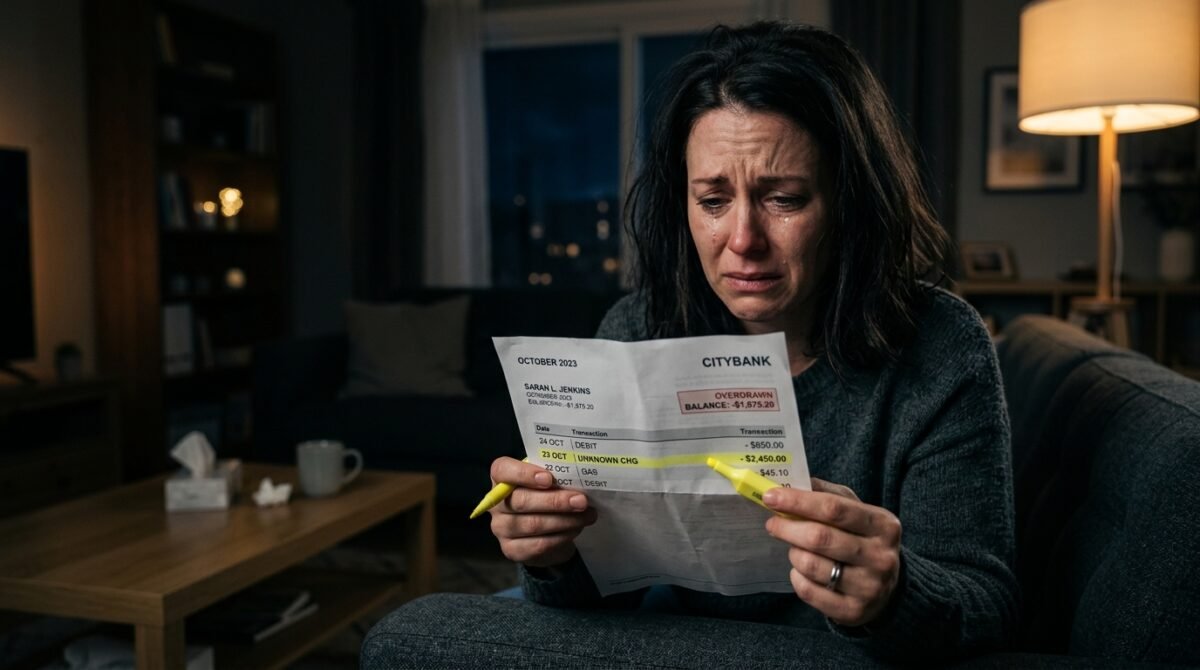
Marriage is built on the bedrock of transparency, or at least that is what I had been told when I said ‘I do’ ten years ago. My life with David was, by all accounts, a model of domestic stability. We owned a home, we had successful careers, and we navigated the highs and lows of adulthood with a rhythm that felt like a well-rehearsed dance. But as the saying goes, it is often the quietest rhythms that hide the most dissonant notes.
It started with a discrepancy. While preparing our tax documents in early March, I noticed a recurring debit that seemed entirely out of place. Every month, like clockwork, $2,000 vanished from our joint savings account, categorized vaguely under ‘consulting fees.’ When I first brought it up, David laughed, dismissing it as a business expense for a former colleague. I didn’t think much of it until I decided to pull the actual transaction history, tracing the money to a bank account under the name ‘Elena Vance.’
The name hit me like a physical blow. Elena Vance was David’s high school sweetheart—the one he talked about with a wistful, distant smile in the early days of our courtship. I had assumed she was long gone, a ghost of his adolescence living a separate life in another state. But the bank transfers told a different story. They weren’t just business expenses; they were a lifeline. And as I dug deeper, I realized this wasn’t a temporary lapse in judgment; it was a ten-year, $240,000 secret.
The moral dilemma that followed was not just about the money. It was about the realization that the man I slept next to every night had been maintaining an emotional and financial tether to another woman for the entirety of our marriage. I wasn’t just mourning the loss of our savings; I was mourning the loss of the reality I had constructed. I filed for divorce three days later, but the fallout was only beginning.
The Forensic Audit of a Broken Trust
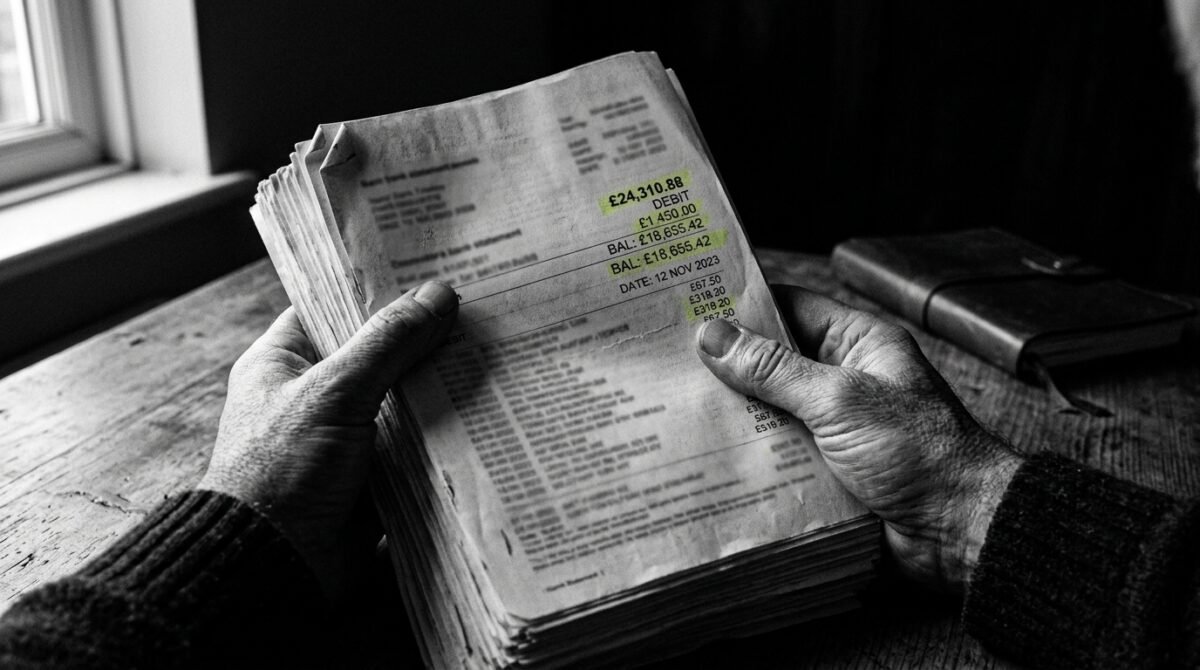
I sat at the kitchen table, the laptop screen casting a cold, blue glow over the countertop. Every transaction was a stitch being pulled from the quilt of my life. I started an Excel spreadsheet, cataloging every $2,000 hit. The sheer audacity of it left me breathless. It wasn’t hidden in a secret offshore account; it was sitting right there in our joint checking, masked by the mundane label of ‘Consulting Services.’
I looked back through old emails, searching for any mention of Elena. I found nothing from the recent years, but buried in a decade-old folder, I found a birthday wish he’d sent her shortly after we got engaged. It was brief, polite, and ostensibly innocent. I had felt insecure then, but David had promised me she was just a memory. I realize now that he didn’t just keep the memory; he kept her on a payroll.
The physical sensation of betrayal is hard to describe. It wasn’t a sudden explosion; it was a cold, creeping numbness that started in my fingertips and moved to my chest. I felt like an intruder in my own home, cataloging the evidence of my own replacement. I reached out to a friend who worked in finance, pretending I needed help with ‘investment tracking,’ just to confirm the destination of the wires.
“You’re telling me he sent $2,000 every month for years? That’s not a consulting fee, that’s alimony for a woman he isn’t even married to. You need to get a lawyer yesterday.”
— My friend Sarah, after seeing the bank statements.
I didn’t sleep that night. I paced the hallway, listening to the steady, rhythmic breathing of the man who had been playing a double life. Every floorboard creak sounded like a condemnation. By the time the sun started to rise, I had printed out every single statement. I didn’t need to confront him with words. I needed to confront him with the ledger of his own deceit.
The Morning of the Great Unraveling
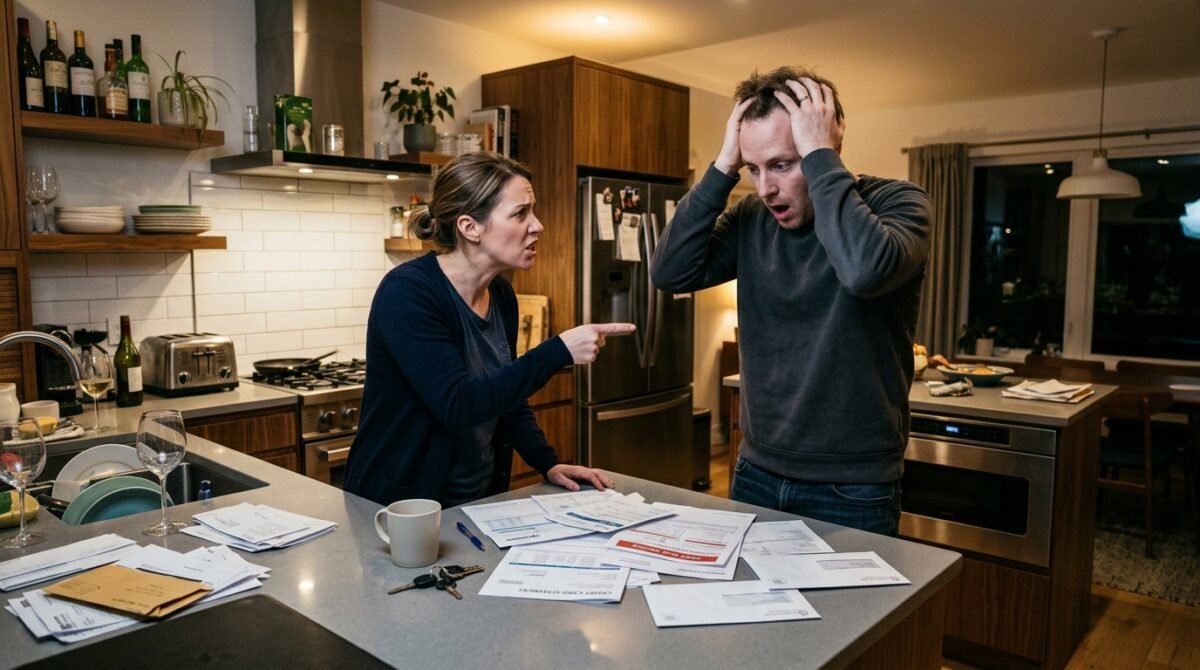
When David walked into the kitchen at 7:00 AM, the air felt heavy, almost pressurized. He was carrying his usual mug of black coffee, completely oblivious to the fact that his world was about to collapse. I didn’t say good morning. I simply pushed the stack of papers across the polished granite island. He looked at the papers, then at me, his smile faltering.
“What is this, Sarah?” he asked, his voice steady but laced with a flicker of apprehension. I told him to look at the highlighted lines. As his eyes scanned the pages, the color drained from his face until he looked almost translucent. He didn’t speak for a long time. The silence in the kitchen was so profound I could hear the hum of the refrigerator in the next room.
“It’s not what you think,” he finally stammered, the classic line of a man caught in a corner. I laughed—a harsh, jagged sound that surprised even me. I told him that I didn’t care what he thought, because the numbers spoke for themselves. I demanded to know why Elena Vance was receiving $2,000 of our household income every month for the last ten years.
“She needed help, Sarah. Her life fell apart, and I was the only one who could bridge the gap. It was just money. It didn’t mean anything to me.”
— David, attempting to minimize the betrayal.
I felt a surge of cold, righteous fury. He was still trying to gaslight me, even with the proof laid out in black and white. He argued that it was ‘charity’ and that she was a ‘friend in need.’ I told him that if he had truly wanted to help a friend, he would have done it with transparency, not by hiding it from his wife while we were saving for a house and planning our future.
The Truth Behind the Consulting Fees

It turned out the ‘consulting’ was a lie that even his own conscience couldn’t support. After I threatened to call his company’s ethics department, he finally broke. He confessed that Elena was trapped in a financially abusive marriage herself, and he had been paying her ‘freedom money’ to help her build a savings account so she could leave her husband. He claimed he didn’t tell me because he knew I wouldn’t understand the ‘depth of their bond.’
The irony was suffocating. He was helping someone escape financial abuse by committing financial abuse against me. He had lied to me, his partner, for a decade to act as a secret savior for a woman who wasn’t even his responsibility. He claimed it was the ‘right thing to do,’ ignoring the fact that he was actively dismantling the trust of the person who had actually pledged her life to him.
I asked him if he was still in love with her. He hesitated—a hesitation that lasted a second, but felt like an eternity. He said he ‘cared’ for her, but that it wasn’t about love. I didn’t believe him. You don’t send $240,000 to someone you don’t have an intense emotional connection with. The money was just a tether, a way to keep her in his life, to ensure he was always the one she turned to.
“You weren’t helping her, David. You were buying a seat in her life, a place where you could play the hero while cheating on the life you were supposed to be building with me.”
— My response to his justification.
The realization of what he had done—the sheer scale of the deception—made me realize that I didn’t know him at all. I was married to a stranger who valued his high school crush more than the sanctity of our marriage. I walked out of the house that morning, leaving him standing in the kitchen with his coffee and his guilt, and I didn’t look back.
The Legal Tangle and Financial Fallout

The next few weeks were a blur of lawyers, spreadsheets, and cold, calculated detachment. My attorney was a woman who didn’t tolerate nonsense, and when I laid out the financial transfers, she was as horrified as I was. In our jurisdiction, the money spent on a third party without spousal consent could be classified as ‘marital waste.’ The legal implications were massive.
David tried to plead for reconciliation, promising that the payments had stopped and that he would go to counseling. He sent me long, rambling emails about how much he regretted the secrecy, but never once did he acknowledge the inherent violation of our partnership. He saw the payments as a moral act; I saw them as a theft of our collective future. The divorce wasn’t just a breakup; it was a business liquidation of a failed investment.
I discovered that he had even taken out a small loan in his name, which he was servicing with the joint account money, to ensure the monthly transfers to Elena never faltered. He had put himself in debt to ensure his high school crush was comfortable. The sheer level of commitment he had to her was more than he had ever shown toward our own shared goals, like our retirement fund or our planned renovations.
“I don’t care if you think you were a saint to her. You were a thief to me. We are done, David. No more conversations, no more explanations. My lawyer will be in touch.”
— My final message to David before blocking him on all channels.
The financial fallout was immense. We had to sell the house, and the division of assets became a battlefield. He fought to keep the equity, claiming he had ‘invested’ in his own personal projects, but the court saw it differently. Watching him try to justify his actions in a legal setting was the most satisfying, and heartbreaking, part of the entire process.
The Reddit Verdict: Echoes of Betrayal
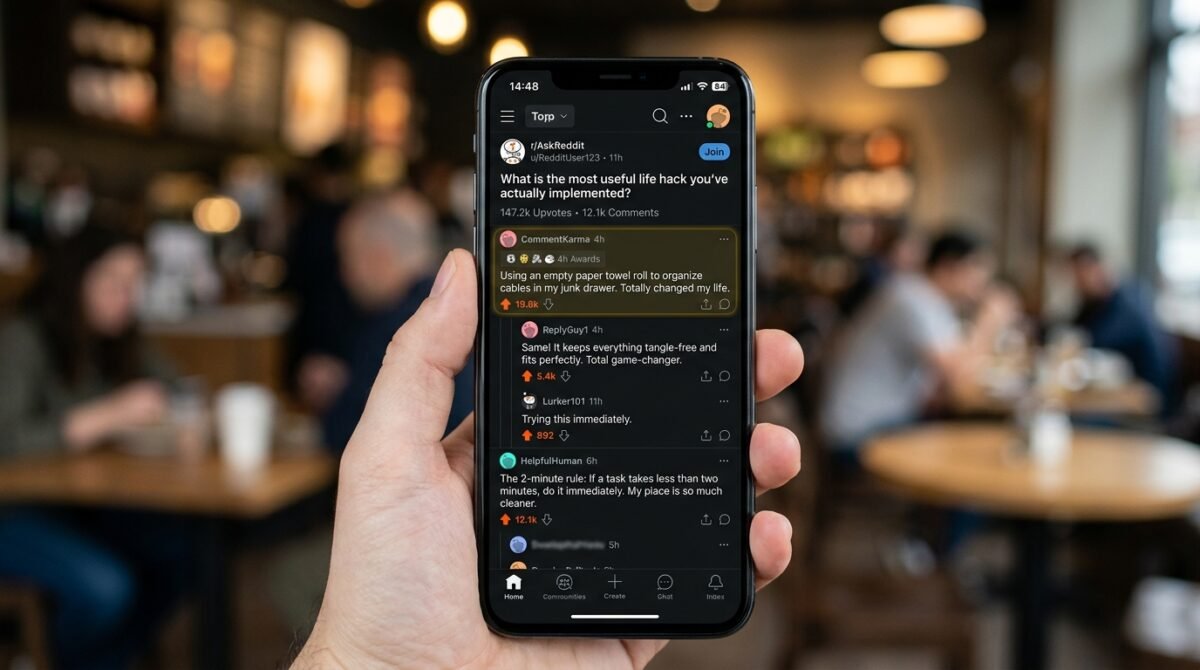
I posted my story on a popular forum, needing to know if I was truly the villain for walking away so abruptly. The response was overwhelming. Thousands of people weighed in, and the consensus was a clear, ringing validation of my decision to leave. It wasn’t just about the money; it was about the fundamental breach of trust that defined our marriage.
People shared their own stories of financial infidelity. Some had been cheated on, some had been the ones hiding money, and the pain across the board was palpable. It confirmed that financial secrets are often the canary in the coal mine for a failing marriage. When you stop being honest about money, you stop being honest about everything.
“This isn’t just about money. It’s about the fact that he was living a double life for ten years. You didn’t leave because of the $2,000; you left because he was always emotionally married to her, and you were just the roommate who paid half the bills.”
— u/TrustNoOne99 (Top Comment, 45.2k upvotes)
There were, of course, those who argued that he was a ‘good person’ for helping a friend. But even they had to admit that doing it in secret behind his wife’s back was a fundamental betrayal. The nuance of the ‘charity’ argument crumbled under the weight of the ten-year timeline. Charity doesn’t require a decade of deception.
Reading the comments helped me process the anger. It turned my shame into clarity. I realized that my reaction wasn’t an overreaction; it was a rational response to a profound breach of contract. I wasn’t the one who destroyed the marriage—I was simply the one who finally acknowledged that it was already rubble.
The Unannounced Encounter at the Coffee Shop

A few months after the divorce was finalized, I ran into David at a local coffee shop. It was the first time I had seen him in person since the day I packed my bags. He looked older, tired, and thinner. He approached me, looking like he wanted to apologize, but I held up a hand. The distance between us was no longer just physical; it was a chasm created by a decade of hidden truths.
He tried to tell me that Elena had finally left her husband and that they were trying to navigate their new reality. I didn’t want to hear it. I didn’t care about their ‘new reality.’ My reality was peaceful, quiet, and finally, my own. I told him that I wished him the best, but that he was a stranger to me. The look on his face was a mix of shock and dawning realization—the realization that he had lost everything for a fantasy he had curated at my expense.
“I just wanted to say that I’m sorry I couldn’t be the person you needed,” he said, his voice quiet. I looked at him and realized he still didn’t get it. He didn’t need to be the person I needed; he just needed to be an honest partner. The fact that he was apologizing for not being ‘the person I needed’ rather than apologizing for his deception told me everything I needed to know.
“It wasn’t about what I needed, David. It was about you being a liar. You haven’t changed, and that’s why you’ll always be exactly where you are.”
— My parting words to my ex-husband at the coffee shop.
I walked away, the morning air feeling crisp and clean. I had no resentment left, just a profound sense of indifference. He was a chapter that had been closed, and I was finally writing the rest of the book on my own terms.
The Aftermath: Rebuilding a Life of My Own

The months following the finalization of the divorce were the most transformative of my life. I moved into a smaller apartment, one that felt like a sanctuary rather than a shared project. I had to rebuild my finances from the ground up, but for the first time in years, every dollar I earned was accounted for, and every expenditure was mine to decide.
I started traveling again, things I had sacrificed for the sake of our ‘savings’—which, as it turned out, were just feeding his secret pension for his crush. I reconnected with friends I had drifted away from because I was too busy managing David’s moods or the household budget. The freedom was intoxicating. It was the freedom to be me, without the weight of someone else’s hidden agendas.
I learned to trust my intuition again. For years, I had questioned my own perceptions, wondering if I was being too paranoid or too demanding. Now, I knew that my instincts had been right all along. Trusting yourself is the most important lesson you can learn after a betrayal. You realize that you are the only one who is truly looking out for your own interests.
“The best revenge isn’t a messy fight or a loud public scene. The best revenge is living a life so full, so honest, and so peaceful that the person who betrayed you becomes nothing more than a footnote in your story.”
— A thought I wrote in my journal during the recovery process.
I still have days where the anger flares up, brief flickers of resentment for the years I lost. But they are becoming fewer and farther between. I am building a future that is entirely mine, and that, I’ve found, is worth far more than the money I lost.
The Hidden Costs of Emotional Infidelity

Looking back, the financial aspect was just the tip of the iceberg. The real damage was the emotional infidelity. By keeping Elena in his life, David had effectively compartmentalized our marriage. He gave her his ‘caring’ side, his ‘savior’ side, and his financial support, while he gave me the mundane, performative aspects of a husband. I was the wife on paper, but she was the partner in spirit.
Emotional infidelity is often dismissed as ‘lesser’ than physical cheating, but that is a dangerous misunderstanding. It is a slow, steady erosion of intimacy. When your partner is emotionally tied to someone else, they are never fully present with you. They are always holding a piece of themselves back, a piece that is reserved for that ‘other’ person.
I realized that for years, I had been competing with a memory, a ghost that he refused to lay to rest. And because he never told me, I was playing a game I didn’t even know I was in. That is the true cruelty of his deception. He didn’t just cheat on me; he lied to me about the nature of our relationship every single day.
“When he told me he was helping her, he wasn’t really helping her. He was keeping a part of his past alive, and he was using our money to build a bridge to it. I was just the toll booth operator.”
— My reflection on the nature of his secret.
I know now that I deserved better than to be a second-choice partner in my own home. I deserved to be someone’s only priority, not a safety net for someone else’s unfinished business. The realization was painful, but it was the necessary catalyst for my own liberation.
Why I Don’t Regret the Divorce

People sometimes ask me if I regret being so ‘harsh’ or if I should have tried to save the marriage. My answer is always the same: you can’t save a marriage that was never built on truth. The foundations were rotten from the start because David chose to keep a secret for ten years. If I had stayed, I would have been trapped in a lifetime of suspicion and resentment.
The decision to file for divorce was the single most empowering act of my life. It was the moment I stopped waiting for him to change and started taking responsibility for my own happiness. I chose myself over the comfort of a lie. And in doing so, I found a level of clarity and peace I never thought possible in my marriage.
I am not bitter anymore. I am simply clear-eyed. I recognize that everyone has their own demons, and some people are simply not equipped to handle the demands of an honest, adult partnership. David was one of those people. He needed the drama of a secret savior role, and I needed the security of a transparent relationship. We were never going to work.
“A marriage isn’t just about sharing a life; it’s about sharing the truth of that life. Without truth, it’s just a house, not a home.”
— My final conclusion on what makes a marriage work.
I am moving forward, one day at a time. I have learned to define my own worth, and I no longer seek validation from a partner who couldn’t even offer basic honesty. I am stronger, smarter, and significantly more careful about who I allow into my inner circle.
Lessons Learned: Spotting the Signs Early

If I could give advice to my younger self, or to anyone reading this, it would be to pay attention to the small things. The ‘little’ secrets are often the ones that lead to the biggest betrayals. When a partner starts being cagey about finances, or when they have ‘friends’ who are always in need of help that requires secrecy, that is a red flag. Do not ignore your gut.
Trust is not just a feeling; it is an active, daily choice. If you have to dig through bank statements to find out where your money is going, trust is already broken. A healthy relationship should feel like an open book, not a puzzle you have to solve in the middle of the night. If you feel like you are walking on eggshells or constantly questioning your reality, pay attention to that feeling.
I also learned the importance of financial independence. Never give up your financial autonomy in a relationship. Keep your own accounts, understand the household budget, and ensure that your future is secure. When you are financially independent, you have the power to walk away from any situation that no longer serves you. That is a power everyone deserves to have.
“If you are the only one working to keep the relationship honest, you aren’t in a partnership—you’re in a hostage situation. Don’t be afraid to walk away.”
— Final advice to those in similar situations.
I am now in a place where I am comfortable being alone, and that, ironically, makes me much better prepared for a healthy relationship in the future. I have found my own strength, and I am no longer looking for a savior. I am my own savior.
Conclusion
The story of my divorce is, at its core, a story about the reclamation of self. It was a long and painful journey, but it led me to a place of profound liberation. The money, the secret, and the heartbreak—they were all necessary lessons in the value of transparency, autonomy, and self-respect. I am no longer the woman who was lied to for a decade; I am the woman who finally stood up for her own truth.
Divorce is often viewed as a failure, but I have come to see it as a necessary ending to a false narrative. It allowed me to shed the skin of someone I no longer recognized and step into a life that is authentically my own. If there is one thing I want you to take away from this, it is that your worth is not defined by the secrets others keep from you. Your worth is defined by your courage to face the truth, no matter how uncomfortable it may be.
Now, I turn it over to you. Have you ever discovered a secret that fundamentally changed your perspective on someone you loved? How did you navigate the aftermath of that realization? Let’s talk about it in the comments below—I read every story, and I’m here to support those who are currently walking their own path to freedom.
What's your verdict on this dilemma?
Vote below to contribute to the official community consensus.

Have a Dilemma Keeping You Up at Night?
Share your real-life feud, wedding chaos, or relationship crossroads anonymously with our editorial team.
What do you think ?
0 Comments🛡️ Comments are moderated to protect community integrity. Your comment will appear once approved by the editorial team.