

Cancer changes you. It strips away the superficial layers of your life, leaving only what is essential. For most people, that means discovering the depth of their family’s love or the strength of their own spirit. For me, it meant discovering that the man I had promised my future to—a man I had lived with for four years—saw my mortality as a line item on a profit-and-loss statement.
We had been engaged for eighteen months when I received the diagnosis. It was stage two, and the treatment plan was aggressive. I needed someone to lean on, not just for the physical toll of chemotherapy, but for the logistical nightmare of managing infusions, nausea, and the crushing weight of existential dread. Mark had stepped up, or so I thought. He was the one driving me to the clinic, holding my hand during the IV setup, and bringing me home to rest.
Or so I thought. The reality, as I discovered on a Tuesday afternoon that felt like any other, was that every mile driven, every minute of his time, and every toll fee incurred was being meticulously tracked. It wasn’t until I happened to glance at his open laptop that the facade shattered. A spreadsheet, titled ‘Medical Support Expenses,’ lay there like a cold, digital guillotine.
I remember standing in our kitchen, the hum of the refrigerator suddenly deafening, as I scrolled through the document. Gas mileage, vehicle wear-and-tear, tolls, and even ‘lost opportunity’ costs for the hours he claimed he could have been working. It wasn’t an act of love; it was an invoice. And it was in that moment, staring at the screen, that the woman who was afraid of losing her hair and her health disappeared, replaced by a woman who realized she was already mourning the loss of her partner’s humanity.
The Spreadsheet That Redefined Devotion
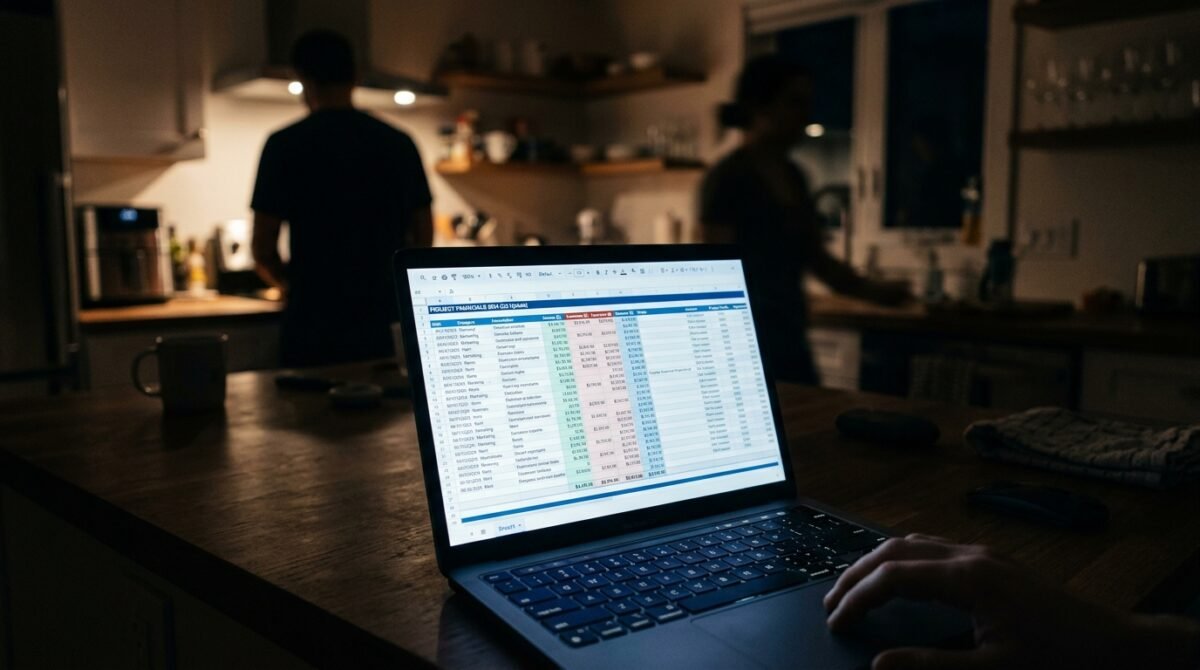
I didn’t confront him immediately. I couldn’t. I felt a physical sensation of coldness spreading from my stomach to my extremities, as if the chemotherapy drugs were currently coursing through my veins rather than waiting for tomorrow’s appointment. The spreadsheet was detailed down to the cent. It was dated, color-coded, and included notes about the ‘level of convenience’ for each trip.
I stared at the screen, my hands trembling. How could someone who professed to love me, who had promised ‘in sickness and in health,’ keep a ledger of my suffering? It wasn’t just the money; it was the transactional nature of his care. Each entry was a reminder that my illness was an inconvenience to be quantified, managed, and eventually recovered from me financially.
When Mark finally walked into the kitchen, his brow furrowed as he saw me staring at his open screen. He didn’t look guilty. He looked annoyed, as if I had interrupted his tax preparation. He walked over, closed the laptop with a sharp click, and fixed me with a look of practiced indifference.
“You weren’t supposed to see that yet. I was going to wait until you finished your final round of treatments to present the total. It’s only fair that we reconcile the shared financial burden of your medical needs.”
— Mark, during the initial confrontation
I couldn’t breathe. ‘Shared financial burden?’ I asked, my voice barely a whisper. ‘Mark, I am fighting for my life. I haven’t been able to work full-time for six months. You are tracking the tolls to the clinic? You are tracking the gas?’ He didn’t even blink. He looked at me as if I were the unreasonable one, as if I were failing to understand the basic economics of our engagement.
He told me that his car was depreciating faster because of the constant trips and that he was losing out on freelance projects he could have been doing while waiting for me. He spoke about ‘fairness’ and ‘transparency.’ He used words that belonged in a corporate boardroom, not in a bedroom shared by two people who were supposed to be building a life together.
The Morning Of The Final Infusion
The days leading up to my last chemo session were a blur of silent resentment and icy distance. I didn’t tell him I knew about the spreadsheet’s full contents, but I made it clear that the dynamic had shifted. I stopped asking him for favors. I started trying to find other ways to get to the clinic, but my energy levels were too low, and the side effects were too unpredictable. I was trapped by my own weakness, and I knew he knew it.
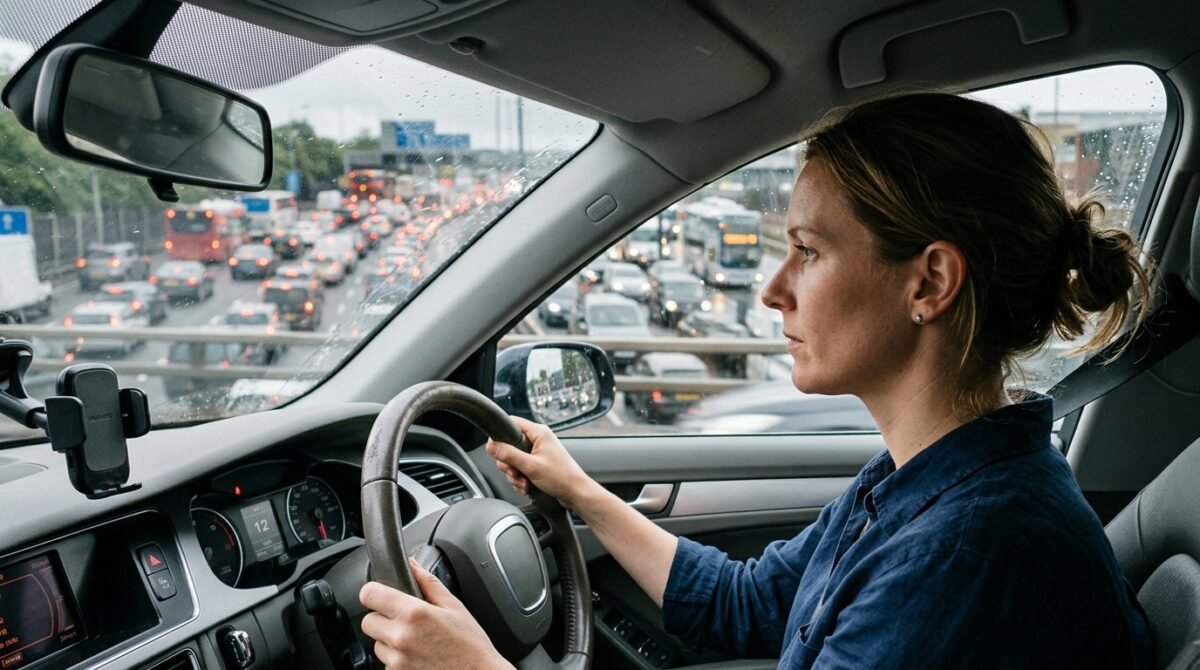
On the morning of my final infusion, the tension in the car was suffocating. He insisted on driving, even though I told him I’d arrange an Uber. He claimed it was ‘cheaper’ and ‘safer.’ I sat in the passenger seat, staring out the window at the passing scenery, wondering how I had ever mistaken his clinical precision for deep, abiding love. Every time he pulled into a toll lane, I felt a sharp pang of nausea—not from the chemo, but from the realization that he was likely mentally noting the $4.50 cost.
We hit a stretch of construction on the highway. Traffic was backed up, and the frustration in the car was palpable. Mark began to vent, his voice rising in volume, complaining about the ‘wasted time’ and the ‘inefficiency’ of the route. He turned the conversation back to the bill he expected me to pay, mentioning that he had added a surcharge for the extra time spent in traffic.
“You realize this delay is costing us both money, right? I’m going to have to adjust the total for the waiting time. You need to understand that my time isn’t free, even if it is for your health.”
— Mark, while sitting in traffic
I didn’t answer. I just watched him. I watched the way his knuckles were white on the steering wheel, the way he checked his watch every thirty seconds, and the way he talked about his own comfort as if it were the only thing that mattered in the world. I felt a strange sense of clarity, a calm that I hadn’t felt in weeks. I knew exactly what I needed to do.
The Toll Booth Liberation
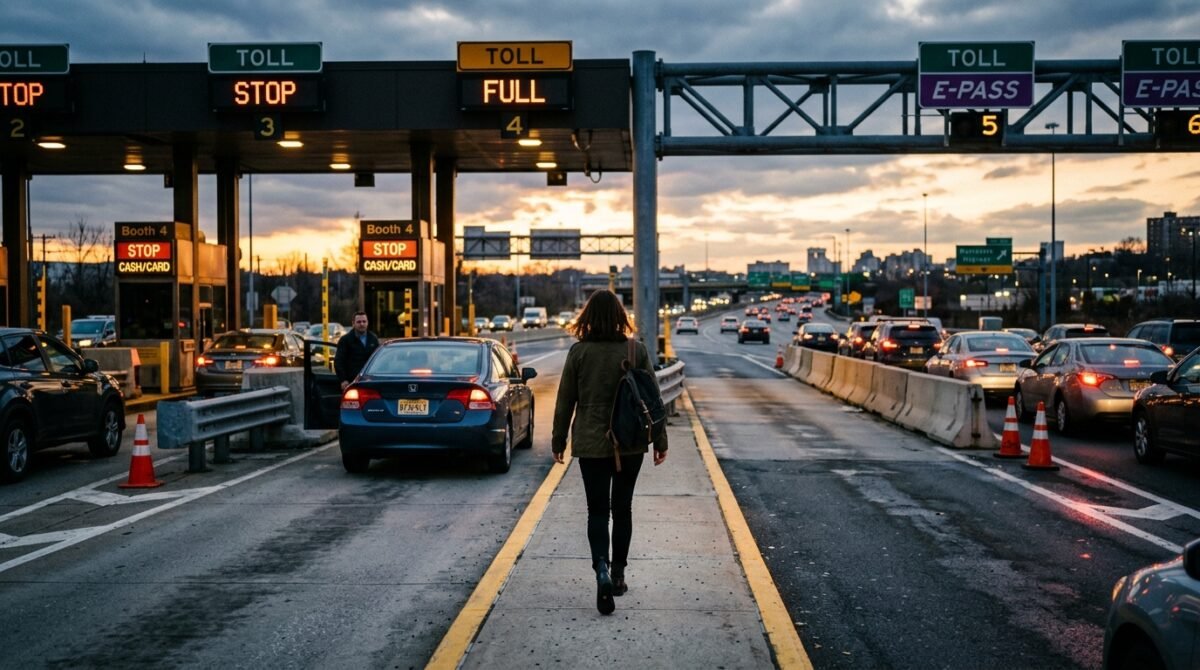
We reached the toll plaza. It was a massive, concrete structure, looming over the highway like a monument to human greed. As we approached the automated gate, Mark slowed down. He realized he didn’t have his transponder in the right lane—or perhaps he just wanted to make a point about the cost. He sighed, pulled over to the side of the lane where there was a small gap, and started fumbling for change in the center console.
He looked at me, his eyes cold and transactional. ‘I’m short on change. Do you have a five? Or a ten? You need to cover this one.’ I didn’t reach for my purse. I didn’t offer a card. Instead, I looked at him—really looked at him—and realized that the person sitting next to me was a stranger. I opened the door.
The wind rushed in, chaotic and free. It felt like the first breath of clean air I had taken in months. I stepped out of the car, my legs shaky but functional. I didn’t look back at him. I heard him shouting, his voice shrill and indignant, demanding to know what I was doing, but I didn’t care. I walked toward the side of the highway, my heart pounding with a mix of terror and triumph.
“Where are you going? You’re in the middle of the highway! Get back in the car, you idiot! You’re going to be late for your infusion, and I’m not coming back for you!”
— Mark, shouting from the driver’s seat
I kept walking. I didn’t care if I was late. I didn’t care about the chemo. I cared about the fact that for the first time since my diagnosis, I was in control of my own movement. I pulled out my phone, called a ride-share service, and waited for them to pick me up at the nearby service station exit. I left him there at the toll booth, waiting for the gate to open, wondering why his bill had just lost its primary debtor.
The Aftermath and The Digital Backlash
The days following the ‘toll booth incident’ were a whirlwind of frantic messages and attempts at manipulation. My phone wouldn’t stop buzzing. Mark was trying to frame the situation as a mental health crisis on my part, telling our families that I had ‘snapped’ due to the pressure of the treatment. He was the victim, of course—the noble fiancé who had been abandoned by his sick, erratic partner.
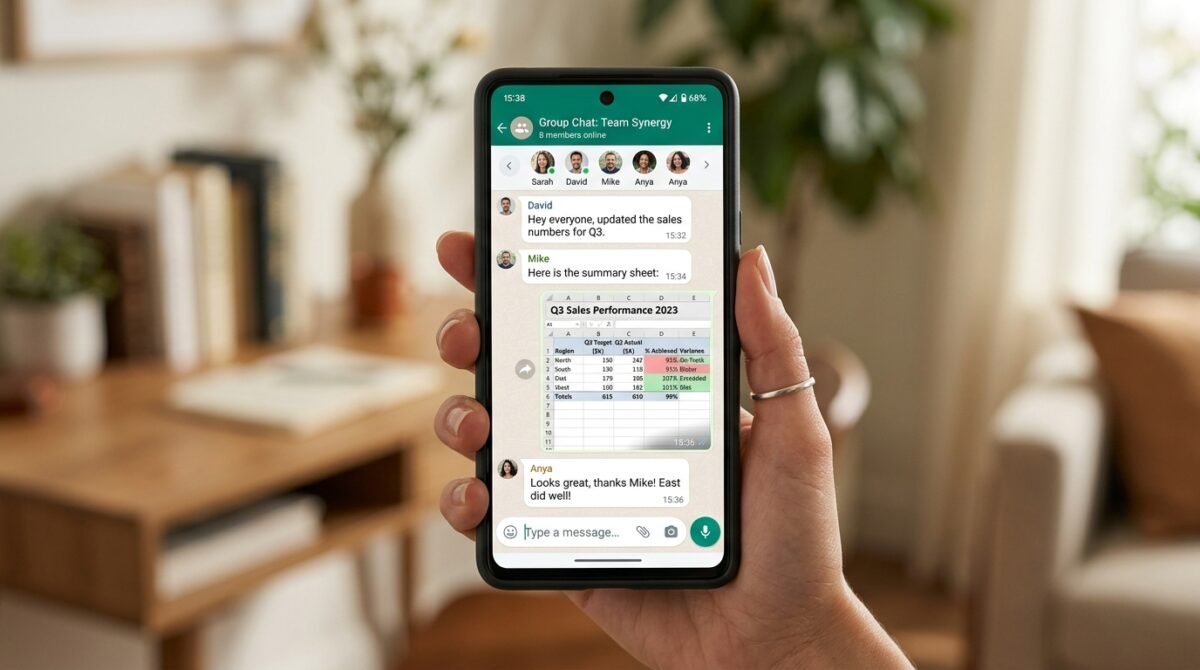
I finally had enough. I took a screenshot of the spreadsheet—which I had surreptitiously copied to my cloud account before the incident—and sent it to our shared group chat, which included his mother, his brother, and our mutual friends. I didn’t add any commentary. I just let the numbers speak for themselves. The silence that followed was absolute, and it was glorious.
“I’ve been keeping this for months. I didn’t want to cause drama, but if Mark wants to talk about ‘fairness,’ let’s talk about the cost of loving someone you clearly view as a line item.”
— My response to the family group chat
The fallout was swift. His mother, who had always doted on him, was horrified. His brother, who knew about my medical situation, was incensed. The narrative Mark had built—of the patient partner suffering through my illness—crumbled in an instant. It wasn’t about the money anymore; it was about the fundamental violation of the trust required for a marriage. And in the digital age, that kind of betrayal is impossible to hide.
Community Verdict: The Reddit Breakdown

I posted my story anonymously on a popular subreddit, needing an objective perspective. I thought I might be the one who was wrong. Maybe I was irrational? Maybe I was too sensitive? The response from the community was immediate and overwhelming. Thousands of people weighed in, and the consensus was not what I expected. They weren’t just sympathetic; they were protective.
“This isn’t a relationship; it’s a predatory business arrangement. You weren’t his partner; you were his client. You did the right thing leaving him there. You are NTA (Not The Asshole) a million times over.”
— u/SupportiveSoul, 32.5k upvotes
Others were more pragmatic. They warned me about potential legal ramifications if he tried to sue for the ‘invoiced’ money or if he tried to contest any shared assets. The legal advice was unsolicited but appreciated, and it reminded me that while this was an emotional battle, it was also going to be a financial and logistical one. The community was a mirror, reflecting back to me that my anger was justified, my trauma was real, and my decision to walk away was a survival mechanism.
Some comments were even harsher on him, calling him a sociopath. While I didn’t necessarily agree with the diagnosis, I understood the sentiment. The act of billing a partner for life-saving medical transport is a level of detachment that is difficult to fathom. It wasn’t just cold; it was cruel. The debate raged on for days, covering everything from the ethics of ‘shared expenses’ in a partnership to the red flags I missed early in our courtship.
Reframing the Financial ‘Debt’

Once the dust settled, I had to address the financial reality of the situation. Mark sent me a formal letter, drafted by a paralegal he knew, itemizing the total he felt I ‘owed’ him for the period of my treatment. It included everything from the gas to the ’emotional support’ hours he supposedly invested in me. It was a laughable document, but it was also a threatening one.
I consulted with a lawyer of my own, who told me to ignore the letter entirely. ‘It’s a scare tactic,’ she told me. ‘There is no legal basis for a fiancé to charge a partner for medical support. It’s a domestic agreement, not a commercial contract. He has no leverage here, and he knows it. He’s just trying to control you one last time.’
It was empowering to see the situation through a legal lens. It wasn’t a moral failure on my part; it was a power grab on his. I realized that the spreadsheet wasn’t just a record; it was a leash. He was trying to keep me tethered to him through debt. By walking away, I didn’t just leave him at the toll booth; I broke the leash.
I began to look at our finances differently. I realized how much I had been subsidizing his life while he was ‘saving’ money for his future investments. I had been paying for groceries, utilities, and household expenses while he was putting his ‘profits’ into his own savings account. The financial inequality was stark, and I had been too blind or too trusting to see it until it was too late.
Finding Strength in Isolation

After the breakup, I moved into a small apartment of my own. It was quiet, sparse, and entirely mine. There were no spreadsheets, no invoices, and no one measuring my value in dollars and cents. For the first time, I could focus on my health without the underlying anxiety of being a burden. I started physical therapy, focused on my nutrition, and reconnected with friends I had neglected during my relationship with Mark.
The silence of my new place was healing. I learned to enjoy my own company again. I spent hours reading, walking in the park, and just sitting with my thoughts. I realized that the ‘burden’ Mark had been talking about was never me—it was his inability to be selfless. My illness had only exposed the cracks that were already there.
I also started a small support group for women who were going through similar health struggles. We met once a week, shared our fears, and supported each other through the medical system. It was a stark contrast to my life with Mark. Here, support was given freely, without expectation of payment or return. It was a community of care, and it was exactly what I needed to heal.
“We don’t keep tabs here. We keep hope. You’re not a cost; you’re a person, and your journey is your own.”
— Member of my support group
The journey to recovery was slow, but it was steady. Each day, I felt a little stronger, a little more like myself. And each day, the memories of the toll booth faded just a little more, replaced by the reality of a life that was finally mine to live again.
The Final Confrontation of Ego
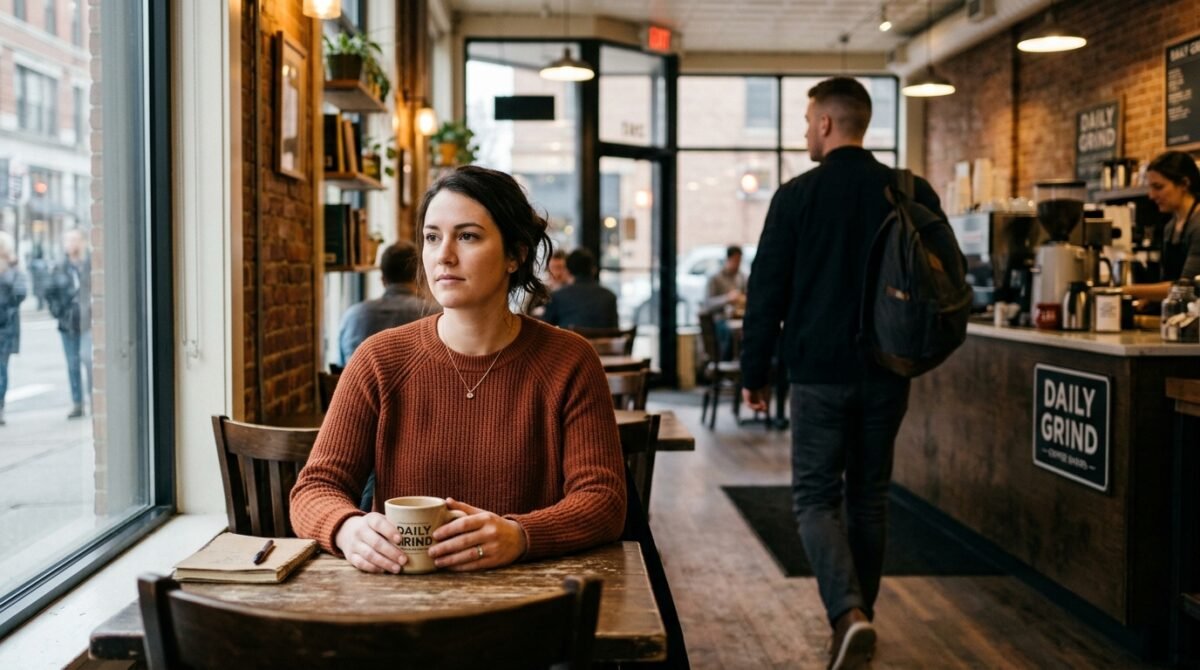
Months later, I ran into Mark at a local coffee shop. It was the first time I had seen him since the incident. He looked different—tired, perhaps, or just less polished than he had when he was under the impression that he was a ‘successful’ partner. He saw me, hesitated, and then walked over. He looked like he wanted to say something, perhaps to justify his actions or to demand payment one last time.
I didn’t give him the chance. I held up my hand, a gesture of finality. ‘Don’t,’ I said. ‘There is nothing left to say.’ He looked at me, his eyes searching for some sign of vulnerability or regret, but he found none. I was healthy, I was happy, and I was entirely uninterested in his narrative.
He stuttered, tried to mention the ‘outstanding balance’ one last time, but I just laughed. It wasn’t a mean laugh; it was a genuine, surprised laugh at how ridiculous the whole thing sounded in the light of day. ‘Mark,’ I said, ‘you billed a cancer patient for a trip to the hospital. You can never get that back. You can never fix that. Please leave.’
“You’re still the same, aren’t you? Calculating. But you’re calculating the wrong things. You’re calculating a debt that doesn’t exist, and you’re ignoring the price you’ve paid for your own coldness.”
— Me, to Mark, at the coffee shop
He turned and left, and I didn’t watch him go. I returned to my coffee, my friends, and my life. It was a moment of closure, not because he apologized, but because I realized he had no power over me anymore. I had left him at the toll booth, and I had left the version of myself who thought she needed him there, too.
Lessons in Radical Self-Worth

Looking back, I see the warning signs I ignored. I see the subtle ways he controlled our finances, the way he made me feel guilty for my needs, and the way he constantly emphasized his own ‘sacrifices.’ I see that I was conditioned to believe that my value was tied to my ability to be ‘easy’ and ‘low-maintenance,’ even while I was fighting for my life. I had been taught to apologize for my existence, and he was the perfect partner to reinforce that.
I learned that boundaries aren’t just about saying ‘no’; they are about knowing your inherent worth. I learned that true support is unconditional, and that if someone is keeping a ledger of your needs, they aren’t your partner—they are your creditor. And a creditor has no place in a relationship based on love and mutual respect.
I also learned that it’s okay to be ‘difficult.’ It’s okay to have needs, to struggle, and to expect support without feeling like I have to pay for it. I am not a business transaction. I am a human being, and I deserve to be treated with compassion, especially when I am at my most vulnerable. That is the lesson I take with me into my future.
I am still here. I am stronger than I was, both physically and emotionally. I am grateful for the life I have, for the people who truly support me, and for the strength I found in the most unlikely of places—at a toll booth on a rainy Tuesday, realizing I had the power to stop the car and walk away.
The New Normal: Life After the Toll

Today, my life is unrecognizable, and in the best way possible. I have a partner who doesn’t track my medical expenses; he tracks when I need to rest, when I need to laugh, and when I need someone to just hold my hand without a hidden agenda. We have conversations about our future that are based on shared dreams, not shared ledgers. It’s a relief that I can’t even begin to describe.
The cancer is in remission, and I am thriving. I still have check-ups, but they are just part of the routine, not a source of financial stress or emotional conflict. I look back on that spreadsheet as a relic of a past life, a cautionary tale that I keep in the back of my mind as a reminder of what I never want to experience again.
I’ve realized that the most important relationship I have is the one with myself. By walking away from Mark, I wasn’t just ending a toxic relationship; I was reclaiming my life. I was choosing myself over a false sense of security. And that is a choice I will make every single day for the rest of my life.
If there is one thing I want to share with anyone reading this, it is this: You are worth more than the cost of your care. You are worth more than the time it takes to support you. You are a human being, and your value is not a line item on anyone’s spreadsheet. Don’t be afraid to leave the car at the toll booth. Your life is waiting for you on the other side.
Conclusion
My story might seem extreme, but the underlying issue—the transactional nature of relationships—is more common than we like to admit. Whether it’s a partner tracking chores, money, or emotional labor, the moment a relationship becomes a ledger, it ceases to be a partnership. I hope my experience serves as a wake-up call to anyone who feels like they are being billed for the privilege of being loved.
I have learned that true love doesn’t come with an invoice. It doesn’t require a spreadsheet. It requires presence, compassion, and a willingness to show up, even when things are difficult. If you find yourself in a situation where your partner is more focused on the cost of your existence than the value of your presence, please, listen to that feeling. It is your survival instinct, and it is trying to guide you to safety.
What about you? Have you ever had a partner who made you feel like you were a financial burden? Or have you realized, like I did, that the ‘support’ you were receiving was actually a form of control? Let’s talk in the comments. Your story could be the catalyst for someone else’s liberation.
What's your verdict on this dilemma?
Vote below to contribute to the official community consensus.

Have a Dilemma Keeping You Up at Night?
Share your real-life feud, wedding chaos, or relationship crossroads anonymously with our editorial team.
What do you think ?
0 Comments🛡️ Comments are moderated to protect community integrity. Your comment will appear once approved by the editorial team.