

Saving for a first home is a crucible. It is a slow, methodical process of saying no to vacations, skipping expensive dinners, and watching every cent disappear into a high-yield savings account that feels less like money and more like a future. For Mark and me, that future was supposed to be a modest three-bedroom house in the suburbs—a place where we could finally stop paying rent and start building equity. We had done the math a thousand times. We were at ninety-eight percent of our twenty percent down payment goal. The finish line was so close I could practically smell the fresh paint.
Then came the Tuesday evening that shattered the vision. I came home from work expecting to discuss floor plans, only to find Mark sitting at the dining room table with a laptop open to a website I didn’t recognize. He wasn’t looking at real estate listings. He was looking at performance suspension kits and specialized racing tires. The air in the room felt heavy, charged with a static that usually precedes a storm, but I hadn’t yet realized that the bank account—our bank account—had already been drained.
It wasn’t a sudden impulse; it was a calculated betrayal. Mark had been harboring a secret obsession with amateur track racing, a hobby I knew was expensive but never believed he would prioritize over our literal roof. When the truth finally spilled out, it wasn’t an apology. It was a justification. He spoke about ‘life goals’ and ‘investing in experiences’ while I stared at the screen, seeing the transfer history that had wiped out $42,000 in a single transaction.
The silence that followed was deafening. There was no room for negotiation, no way to claw back the money, and certainly no way to continue the relationship with a man who viewed our joint security as his personal slush fund. This is the story of how I left, how I navigated the wreckage of a broken engagement, and why I served him with a demand for my half of that money, even if it meant taking him to court. It is a lesson in financial autonomy, the sting of betrayal, and the painful process of learning that sometimes, you have to burn the bridge to get to the other side.
The Tuesday Night That Changed Everything
I remember the smell of the rain hitting the pavement outside our apartment as I unlocked the front door. I was carrying a folder full of neighborhood guides and school district maps, excited to tell Mark that I had found a potential listing that hit all our criteria. He was sitting in the dark, the only light coming from the glare of his laptop screen. He didn’t look up when I entered, which was unusual. Usually, our evenings involved a quick catch-up over dinner, but the atmosphere was suffocatingly still.
I set the folder down and asked if he had eaten. He just grunted a non-committal response. I walked over to the table and leaned in, expecting to see the Zillow tab we kept pinned. Instead, my eyes landed on an invoice from a custom auto shop. It was for a ‘Full Track Prep and Performance Modification Package’ totaling $42,000. My heart didn’t just sink; it plummeted into my stomach. I asked him, my voice trembling, what exactly I was looking at.
“Mark, why are you looking at auto shop invoices? Please tell me this is a prank or some weird spam ad you clicked on. Where is our savings account balance?”
He finally turned to look at me, his eyes glassy, his expression defensive. He didn’t offer a hug or a nervous laugh. He stood up, paced the room, and started talking about his mental health, his need for a ‘release,’ and how he felt ‘suffocated’ by the house-hunting process. He told me he had bought the car that morning. He said he had already signed the papers and the car was being delivered to a storage facility on Friday.
I felt a physical wave of nausea. We hadn’t just been saving money; we had been aligning our lives. Every date night we skipped, every upgrade we denied ourselves, every overtime shift I pulled—it was for that house. And in one afternoon of selfish entitlement, he had traded our future for a machine that would spend its life circling a track. He didn’t see the theft in it. He saw it as his right to ‘take a breather’ from the pressure of our shared goal.
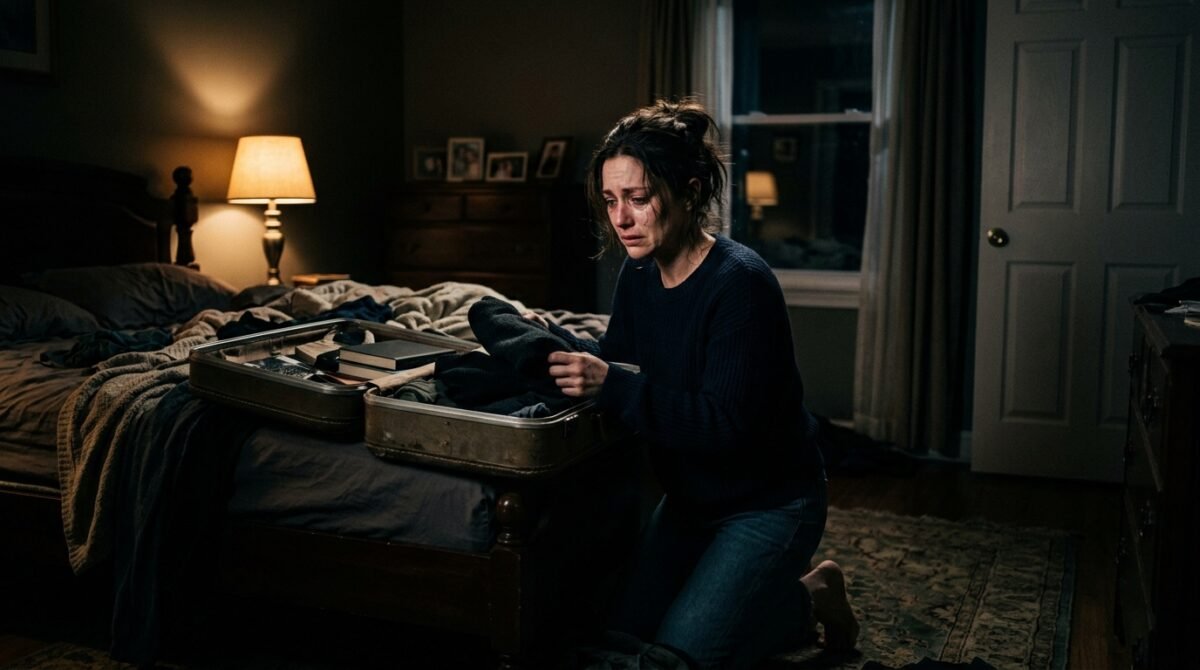
I didn’t yell. I couldn’t. I felt a cold, sharp clarity wash over me. I realized that for the last six months, I had been building a life with a stranger. I went to the bedroom, grabbed my small suitcase, and started packing. I didn’t say a word as he followed me, pleading with me to ‘be reasonable’ and ‘see his side.’ My side was the empty bank account. My side was the dream he had torched. I walked out of that door knowing I wasn’t coming back.
The Paper Trail of Financial Betrayal
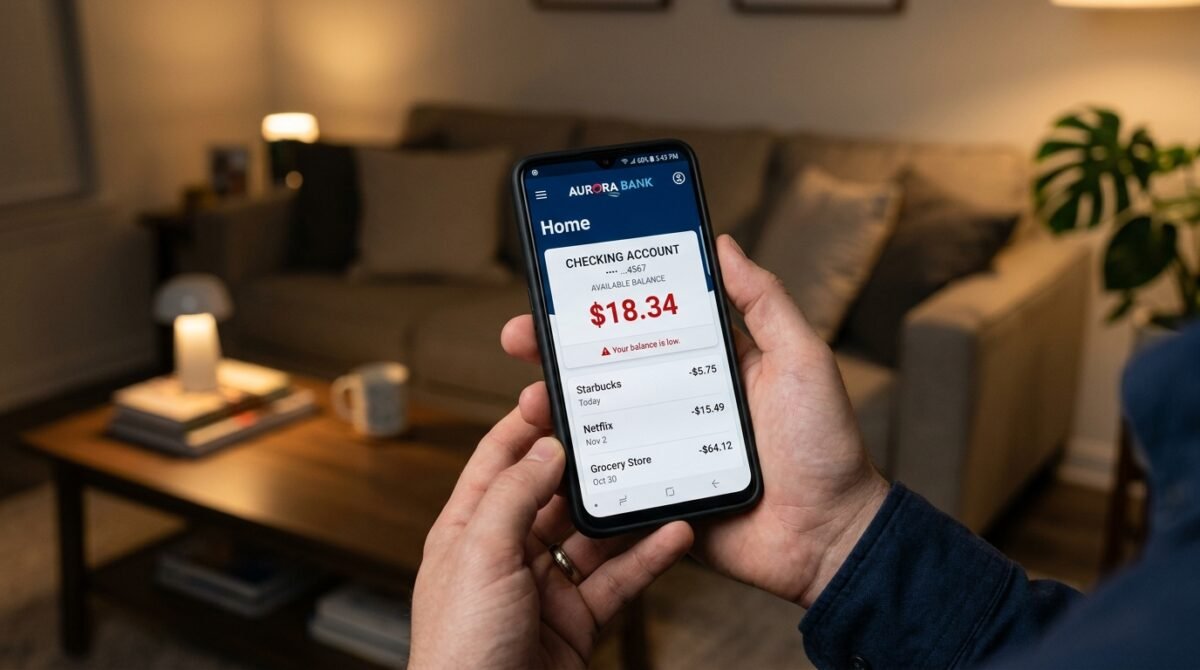
Once I was at my sister’s house, the adrenaline finally wore off, and the reality of the situation took hold. I logged into our joint bank account one last time, needing to confirm the extent of the damage. Seeing the balance at double digits was like staring into an abyss. I pulled up the transaction history. It wasn’t one single charge; it was a series of wire transfers over the span of three days, perfectly timed to avoid triggering our bank’s fraud alerts. He had planned this. He had known exactly what he was doing.
I started documenting everything. I took screenshots of the transfers, the dates, the times, and the confirmation numbers. I gathered our original agreement emails where we explicitly stated that the funds were for the house deposit only. I realized then that I wasn’t just dealing with a breakup; I was dealing with a legal dispute over significant assets. I felt foolish for having trusted him so implicitly, but I pushed that shame aside. My priority was the money.
The next day, the text messages started. They were a mix of ‘I miss you’ and ‘Why are you being so dramatic?’ It was the classic manipulation tactic: pivot from the issue to the reaction. He wanted to make me feel crazy for caring about the money, as if the money were a triviality compared to his ‘happiness.’ I stayed stoic. I didn’t engage in the emotional baiting. I only replied with facts.
“Mark, I don’t care about your feelings right now. You spent $42,000 of our money without my consent. That was half of my life savings for the last two years. I am talking to a lawyer about recovering my half.”
— Sent by OP to Mark
The response was immediate. He called me three times in ten minutes. I blocked him. I knew that if I spoke to him, I would either break down or say something I would regret. I needed to keep the communication strictly through the lens of business, because that is what our relationship had become—a failed investment. I reached out to a local attorney who specialized in civil disputes and prepared for the long, tedious process of recovering what was mine.
I felt a strange sense of liberation in those first few days. By removing myself from the house, I had also removed myself from the lie. The money was gone, yes, but the illusion of a partner was gone too. And as painful as it was to lose the savings, losing the person I thought Mark was felt like a much greater loss. I was mourning a person who had never existed, and that, I discovered, was the real cost of the car.
The Inevitable Fallout with Family

When the news leaked to his family, the narrative shifted. His mother called me, not to apologize, but to ask if I could ‘look past it’ because ‘boys will be boys’ and it was ‘just a mid-life crisis.’ The sheer audacity of her statement left me speechless. I was twenty-eight; he was thirty. This wasn’t a mid-life crisis; it was a gross lack of character and a blatant violation of trust. I realized then that his entitlement didn’t come from a vacuum—he had been enabled his entire life.
I had dinner with my parents, and for the first time, I told them the whole story. My father, usually a very calm man, was livid. He wanted to go over there and demand the money himself, but I stopped him. This was my mess, and I had to be the one to clean it up. I needed to show strength, not just for myself, but to ensure that Mark understood there would be consequences for his actions. My mother, on the other hand, was heartbroken for me, but she understood the necessity of the legal route.
Mark’s sister, however, messaged me with a perspective that I hadn’t considered. She told me that she had been warning him about his obsession for months, but he had ignored her. She was on my side. She sent me a screenshot of a conversation she had with Mark, where he explicitly said he didn’t think I would actually leave over ‘a few car parts.’ The arrogance was staggering. He had truly believed I was so committed to the ‘us’ that I would swallow this betrayal.
“He really thought you were a doormat. He told me, ‘She’s too invested in the house to leave over a car.’ He honestly doesn’t get why you’re so upset.”
— Mark’s sister in a DM to OP
That message was the final nail in the coffin. It confirmed that he hadn’t just made a mistake; he had made a series of choices based on his contempt for my boundaries. I stopped feeling sad. I started feeling angry—a cold, calculated anger that drove me to finalize the paperwork for the small claims filing. I wasn’t going to let him slide into his new ‘hobby’ while I struggled to recover my financial footing.
The family dinner that followed at his parents’ house, which I naturally skipped, was reportedly a disaster. Mark apparently tried to explain his ‘investment’ to them, and his father, who had been an accountant for forty years, didn’t share his enthusiasm. The rift between Mark and his own family started to grow, but I wasn’t there to see it. I was busy securing my future, one receipt at a time.
The Community Weighs In: The Reddit Verdict

I posted my situation on a popular subreddit to see if I was overreacting. I needed a gut check. I laid out the facts: the goal of the house, the shared account, the secret purchase, and my departure. Within an hour, the post had exploded. Thousands of people were validating my anger, sharing their own stories of financial infidelity, and offering advice on how to handle the legal recovery. The consensus was overwhelming: I was not the asshole.
The comments were a mixture of sympathy and harsh reality checks. Many users pointed out that financial infidelity is often a bigger red flag than emotional cheating because it speaks to a fundamental incompatibility in values. Others shared their own experiences with partners who used ‘shared’ money for personal gain. It was comforting to know I wasn’t alone, but it was also chilling to see how common this kind of behavior was.
“OP, you are not overreacting. He didn’t just ‘spend money.’ He broke a sacred promise. A house deposit is a symbol of a future. He traded your future for a toy. Get a lawyer, get your money, and never look back. He will try to gaslight you into thinking you’re the villain. Don’t listen.”
— u/FinancialTruthSeeker (Top Comment, 32.1k upvotes)
“The audacity to think he could just ‘reset’ your life goals for a track car is insane. This is a massive character flaw. You saved yourself years of misery by finding this out now, before you were actually married. Consider this $42,000 the best money you ever spent to learn who he really is.”
— u/BulletDodged (15.2k upvotes)
Reading these comments helped me solidify my resolve. It was easy to get caught up in the ‘what ifs’ or to wonder if I should have been more communicative about the house. But the comments reminded me that I hadn’t been silent. We had sat down and agreed on the goal. He had agreed. This wasn’t a communication breakdown; it was a unilateral decision to betray that agreement. The community support was the push I needed to stop doubting my decision to move out.
I also received advice on how to protect myself from further financial damage. People suggested I freeze my credit, check for any other hidden accounts, and ensure he couldn’t access any of my personal accounts. I followed every piece of advice. The Reddit community had become my unofficial counsel, and for that, I was incredibly grateful. It took the sting out of the loneliness and replaced it with a sense of collective empowerment.
The Legal Demand: The Letter in the Mail
Three weeks after I moved out, my attorney sent the formal demand letter. It was a cold, precise document that detailed the history of our savings, the specific amount taken, and a deadline for repayment. It also included a draft of the lawsuit we would file if he failed to comply. I felt a strange sense of satisfaction as I watched the courier leave to deliver it. It was no longer about ‘us’ and our feelings; it was about the law and the balance sheet.
Mark responded within twenty-four hours. He didn’t call, but he sent an email that was markedly different from his previous messages. The tone was panicked, frantic, and desperate. He claimed he didn’t have the money because he had already spent it on the car and the storage fees. He begged me to ‘give him time’ to sell the car, but he also insisted that he shouldn’t have to pay back the full amount because he had ‘paid for more dinners’ during our relationship.
“I don’t have the cash, OP. It’s tied up in the car. If you sue me, I’ll have to sell it at a loss, and then neither of us wins. Please, let’s just talk. We can work out a payment plan. Don’t do this to me.”
— Email from Mark
I forwarded the email to my lawyer without typing a single word of reply. The ‘payment plan’ was exactly what I had feared—a trap to keep me tethered to him for years, waiting for money that would likely never come. I didn’t want a long-term contract with him; I wanted a clean break. If he had to sell the car at a loss, that was his problem, not mine. His financial mismanagement was not my burden to carry.
The legal process moved slowly, as these things do. I had to sit through a mediation session where he tried to make himself the victim. He talked about his ‘passion’ and how I didn’t support him. The mediator, a neutral third party, shut him down every time he tried to make it personal. The facts were simple: the money was joint, it was meant for a specific purpose, and he had misappropriated it. The mediation was a grueling, emotional day, but I didn’t blink. I stood my ground, refusing to accept anything less than what I was owed.
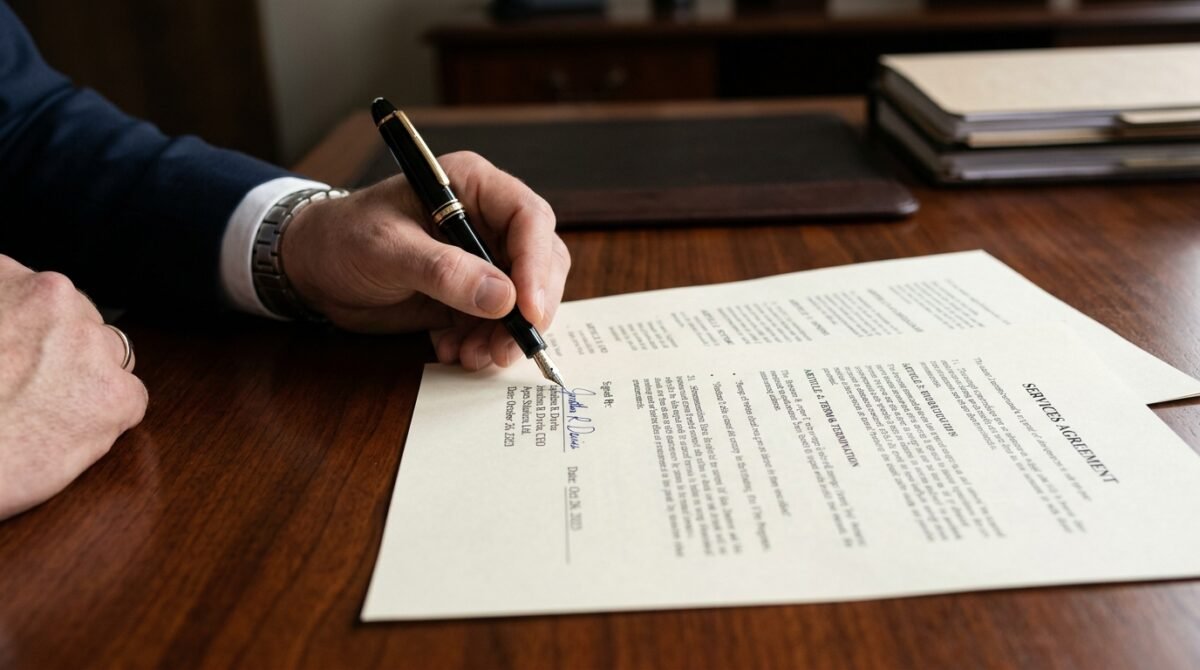
Eventually, we reached an agreement. He would sell the car and pay me back, with a structured timeline backed by a legal lien. It wasn’t the full amount immediately, but it was a legally binding path to recovery. Watching him sign the document, knowing he had to give up his ‘dream’ car, was a moment I will never forget. It wasn’t a victory in the way I wanted—I wanted our life back—but it was a victory in the way I needed.
The Silence After the Storm

With the legal battle behind me, I entered a period of profound, quiet reflection. The absence of Mark was no longer a void; it was a space I was beginning to fill with my own interests again. I started decorating my new, much smaller apartment. It wasn’t the dream house we had planned, but it was mine. I didn’t have to check with anyone before buying a piece of furniture, and more importantly, I didn’t have to wonder if my savings were being touched.
I realized that for the last two years, I had been living in a state of hyper-vigilance. I was always checking the app, always keeping track of our spending, always worried that we wouldn’t reach our goal. Now, I felt a sense of peace. My financial life was simple and secure. I started saving again, but this time, it was for myself. It was a strange, empowering feeling to see the number in my account grow, knowing it was safe and entirely under my control.
My friends were incredibly supportive. They organized small get-togethers, took me out for coffee, and never once brought up Mark unless I did. They were the ones who reminded me that I hadn’t lost my life; I had lost a limitation. They helped me see that the ‘future’ I thought I was losing was actually a cage, and by leaving, I had opened the door to a much bigger, more authentic existence.
“You’re glowing, honestly. You look lighter. It’s like the weight of that entire relationship just fell off your shoulders. We’re all so proud of you for standing up for yourself, especially with the money. Most people would have just folded.”
— My best friend during a Sunday brunch
The healing wasn’t linear, though. There were still nights when I would dream about the house, about the floor plans, about the life we had discussed. But I would wake up and remind myself that it was a fantasy. A house is just wood and stone; it’s the foundation of trust that makes it a home. And without that, it would have been a hollow, miserable place to live. I was better off in my quiet, safe apartment.
I also started to process the loss of the trust itself. It was the hardest part. How do you recover from realizing that someone you love could look you in the eye and lie to you while they sabotaged your future? I learned that you don’t ‘get over’ it; you integrate it into your experience. It becomes a part of your story, a reminder to be more discerning, more protective of your boundaries, and more committed to your own well-being above all else.
Reframing the Financial Lesson

The money, when it finally arrived in installments, didn’t feel like a win. It felt like a refund for a bad service. I didn’t celebrate when the final check cleared. I simply deposited it and closed the chapter. The total amount I recovered wasn’t enough to buy a house, but it was enough to start over. It was a fresh start, a clean slate. I had learned the hard way about the dangers of merging finances too early, and I vowed that my next relationship would be different.
I read books on financial independence, on setting boundaries, and on the psychology of money. I realized that my mistake hadn’t just been trusting Mark; it had been an abdication of my own financial power. I had let him manage the ‘big picture’ while I focused on the daily grind. I would never make that mistake again. From now on, I would be the architect of my own financial future, regardless of who was in my life.
I also started to appreciate the value of solitude. I had spent so much of my twenties focused on ‘us’ and ‘we’ that I had forgotten who ‘I’ was. I took up hobbies I had long ignored—painting, hiking, reading for hours on end. I discovered that I was actually quite good at being alone. It was a terrifying realization at first, but it quickly turned into the most liberating discovery of my life.
“I spent so much time being the ‘we’ in the relationship that I forgot I was an ‘I.’ Recovering the money was about more than just the cash. It was about reclaiming my agency. I am finally the primary character in my own story again.”
— From my personal journal
I think the most significant change was in how I viewed other people’s ‘dramas.’ I no longer felt the need to fix or save others. I realized that everyone is responsible for their own choices, and it is not my job to suffer for their lack of character. This shift in perspective has allowed me to be more compassionate, but also more detached. I can listen to people’s problems without absorbing them. I have learned the difference between being a supportive partner and being an enabler.
As I look back on that Tuesday night, I don’t feel the same raw, jagged pain. I feel a sense of distant observation. It’s like watching a movie about someone else. The girl in the movie was scared and hurt, but she was also incredibly resilient. She walked out of that house with nothing but a suitcase and a sense of justice, and she built something better from the ruins. I am proud of her. I am proud of myself.
Redefining the Future on My Terms

I am currently saving for my own down payment, and this time, the account is in my name only. There is a sense of security in that which is difficult to describe. I don’t check the balance every day; I don’t worry about secret transactions. I just work, save, and look forward to the day I can sign for a home that is truly mine, built on my own hard work and my own decisions. It’s not a race; it’s a marathon, and I’m setting the pace.
I’ve also started dating again, very casually. It’s a different experience now. I don’t lead with my financial goals or talk about buying a house in the first few months. I focus on shared values, respect, and communication. I’ve learned to watch for the red flags—the entitlement, the lack of accountability, the disregard for shared boundaries. It’s amazing how much clearer you see things once you’ve been through the fire.
My advice to anyone facing a similar situation is simple: do not let the fear of ‘what others will think’ or the desire to ‘save the relationship’ stop you from protecting your interests. If someone is willing to sabotage your future, they are not your partner. They are a liability. And it is your responsibility to yourself to cut that liability loose, no matter how hard it is or how much it hurts in the short term.
“You are not a bad person for wanting your own money back. You are a responsible adult. Do not let anyone convince you otherwise. If they can’t respect your boundaries, they don’t deserve your partnership.”
— My advice to anyone currently struggling
I know that some people might still think I was too harsh, that I should have ‘talked it out’ more. But I know the truth. I know the conversations we had before. I know the agreements we made. And I know that in the end, it wasn’t about the car—it was about respect. And respect is not something you negotiate; it’s something you demand. I am moving forward, and I am doing it with my head held high.
The road ahead is long, but for the first time in a long time, it’s a road I’m choosing for myself. I am not looking for a life partner to complete me; I am looking for someone to walk alongside me, someone who respects my goals as much as their own. I am content, I am secure, and I am finally, truly free. And that, in the end, is worth more than any house, any car, or any amount of money.
The Final Balance Sheet

When I look at the final numbers, it’s easy to see just how much I actually lost—not just in dollars, but in time and emotion. But when I look at the intangible gains, I realize that I’ve come out ahead. I’ve gained a deeper understanding of my own worth, a stronger sense of independence, and a clearer vision for my life. The journey has been difficult, but it has also been deeply transformative.
I’ve created a final summary of the experience, not just for the legal record, but for my own closure. It helps to see it all laid out, to recognize the reality of what happened and how I handled it. It serves as a reminder that even in the face of betrayal, I am capable of taking control and steering my life back in the right direction. It’s a document of my own resilience.
| Category | Details | Result |
|---|---|---|
| Initial Loss | $42,000 (Joint Savings) | Full Recovery (Negotiated) |
| Legal Fees | $4,500 | Paid by OP |
| Time Investment | 8 Months | Personal Growth/Independence |
| Emotional Cost | High | Reclaimed Agency |
The table shows that while I took a hit on the legal fees, the recovery of the core capital was essential. It’s a reminder that sometimes, you have to spend a little to get back a lot. I don’t regret the money I spent on legal counsel. It was the best investment I ever made. It wasn’t just about the money; it was about the principle. And as it turns out, the principle was worth every penny.
I’ve moved on, but I haven’t forgotten. And I don’t think I should. This experience is a part of my story, a chapter that I’ve lived and learned from. I am moving toward a future that is entirely my own, and I am excited for whatever comes next. Whether it’s a new house, a new project, or just a new day, I’m ready. I have the foundation, and this time, it’s built on rock, not sand.
Reflecting on the Road Taken

In the final analysis, was it worth it? The pain, the legal battles, the uncomfortable family conversations? Absolutely. I would do it all over again if I had to. Because the alternative was a life built on a lie, a partnership without respect, and a financial future that was at the mercy of someone else’s whims. I chose the hard road, but it was the road to my own liberation.
I’ve learned that the most important relationship you will ever have is the one you have with yourself. And if you are not willing to protect that relationship, no one else will. I am stronger, smarter, and more resilient than I ever was before. I have found a sense of peace that I never knew was possible, and I have built a life that I can be truly proud of. And that is the ultimate victory.
I encourage anyone who is reading this to think about their own boundaries. Are you sacrificing your future for someone who wouldn’t do the same for you? Are you being transparent about your financial goals? Are you being respected in your relationship? If the answer is no, it’s time to take action. You don’t have to be the victim of your own life. You can be the architect.
“Never settle for someone who doesn’t value your future. If they can’t see the worth in your dreams, they don’t deserve to be a part of your reality. Build your own house, and invite in only those who will help you keep the foundation strong.”
— Final reflection on my journey
I am grateful for the journey, for the lessons, and for the strength I found in the process. I am ready for the future, and I am doing it on my own terms. Thank you for reading my story. It’s a story of heartbreak and betrayal, yes, but it’s also a story of growth and redemption. And I hope, more than anything, that it inspires you to take charge of your own life and never, ever settle for anything less than you deserve.
Conclusion
My journey has been one of shedding the expectations of others to find the clarity of my own desires. The betrayal of my trust was a painful catalyst, but it ultimately forced me to build a foundation that I could rely on—one that was entirely my own. It taught me that financial independence isn’t just about having money; it’s about having the autonomy to make choices that honor your values and your future.
This story has resonated with so many because it touches on a universal fear: the fear that the person we love most might be our greatest liability. I hope that by sharing this, I’ve given someone else the courage to check their own accounts, to set their own boundaries, and to stand up for their own future. You are the steward of your own life, and that is a responsibility that should never be handed over lightly.
I would love to hear your thoughts. Have you ever had to draw a line in the sand regarding your finances in a relationship? What does financial partnership mean to you? Let’s continue this conversation in the comments—I’m looking forward to hearing your perspectives.
What's your verdict on this dilemma?
Vote below to contribute to the official community consensus.

Have a Dilemma Keeping You Up at Night?
Share your real-life feud, wedding chaos, or relationship crossroads anonymously with our editorial team.
What do you think ?
0 Comments🛡️ Comments are moderated to protect community integrity. Your comment will appear once approved by the editorial team.