
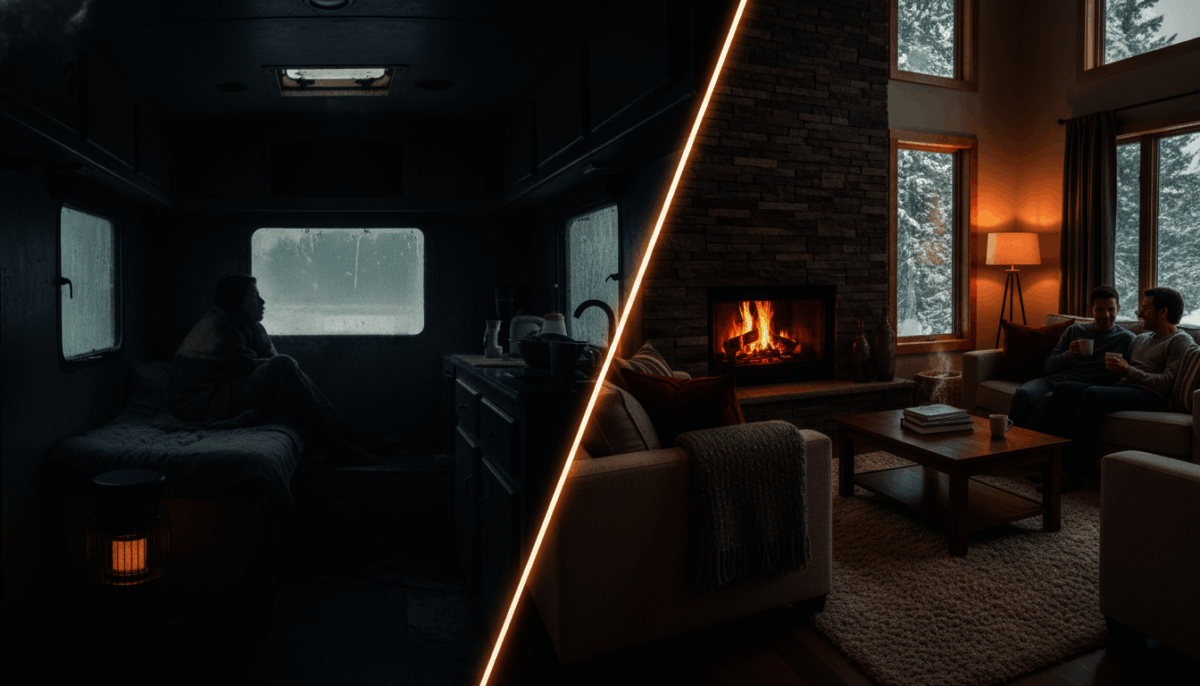
Marriage is often described as a partnership of equals, but sometimes, the reality of that partnership is tested by a singular, overwhelming display of selfishness. My husband, Mark, has always had a passion for woodworking, a hobby that eventually morphed into a singular, all-consuming obsession. When he proposed the renovation of our detached garage into his ‘dream workshop,’ I was supportive. After all, a man deserves a space to create, right? But that support evaporated the moment he informed me that our main house would be turned into a dusty, debris-filled construction site for three months, and that I—along with our two dogs—would be relegated to a rusted, unheated RV parked on the gravel driveway.
The audacity of the suggestion didn’t hit me all at once. At first, I thought he was joking, a grim attempt at humor regarding the logistical nightmares of home improvement. But as the blueprints grew more elaborate and the budget for his ‘bespoke lumber storage’ ballooned, I realized that Mark had never once considered where I would sleep, shower, or find a moment of peace. To him, my comfort was a secondary concern to his pursuit of a high-end workshop aesthetic.
I remember standing in the middle of our kitchen, holding a cup of lukewarm coffee, listening to him explain why I needed to ‘sacrifice for the greater good of the family’s assets.’ The moral dilemma was clear: do I play the role of the self-sacrificing, long-suffering spouse who braves the elements for the sake of a hobby, or do I assert my worth and refuse to be treated like an afterthought in my own life?
The choice I eventually made wasn’t just about a heated bed or a working shower; it was about the fundamental respect that had been slowly eroding in our marriage for years. When I walked out that door and booked an Airbnb, I didn’t just book a place to stay—I drew a line in the sand. Little did I know, this decision would trigger a month-long saga involving my in-laws, a flurry of passive-aggressive text messages, and a realization about what kind of future I actually wanted to build.
The Blueprint of Disregard
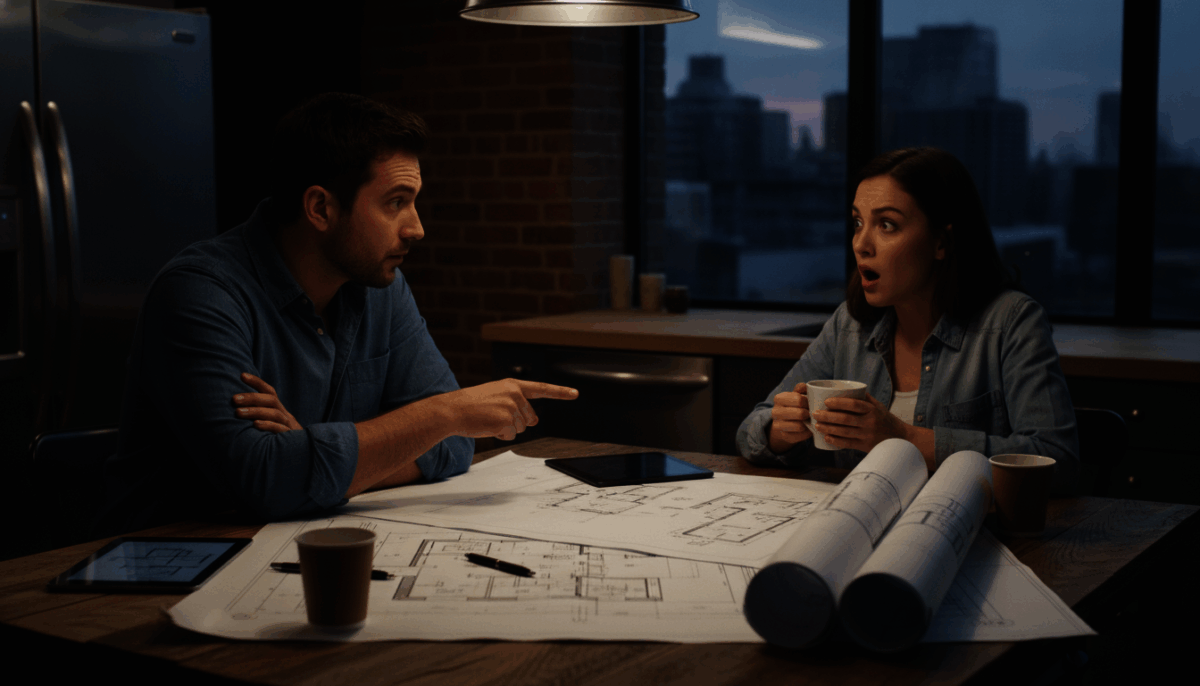
It started on a Tuesday evening, the kind of mundane night where we usually discussed bills and grocery lists. Instead, Mark cleared the table, laid out architectural sketches, and began detailing a renovation plan that spanned four months. He spoke with a fervor that I hadn’t seen in years, pointing out the dust-extraction systems and the custom lighting fixtures. I was happy for him, truly, until he reached the ‘living arrangements’ section of his presentation.
He gestured toward the window, pointing at a vintage, drafty RV he had purchased from a coworker for a pittance. He had spent the last two weekends patching leaks and ‘optimizing’ the space for me. I looked at him, confused, and asked where he would be sleeping. He looked at me as if I had asked a question in a foreign language. ‘Well, I have to be in the house to manage the contractors, obviously. The dust will be everywhere, and it’s just not practical for you to be in the mess. The RV is actually quite cozy if you use the space heater I bought.’
I felt a cold sensation wash over me, the kind that isn’t caused by temperature. I had a demanding job, a life, and a need for basic human comfort. To suggest that I move into a cramped, uninsulated vehicle while he enjoyed the house—which was paid for by our joint savings—felt like an act of profound betrayal. The silence in the kitchen stretched, heavy and suffocating, as I processed the level of entitlement it took to make such a demand.
“I am not asking you to move into the RV for my sake, I am asking you to do it for the sake of the project. If we don’t do this now, the costs will double in the spring. Can’t you just be a team player for twelve weeks?”
— Mark, during the initial proposal
I tried to explain that I was working from home and needed a quiet, stable environment. I pointed out that the RV lacked proper plumbing and that the winter temperatures were dropping into the low thirties at night. Mark waved off my concerns with a dismissive flick of his wrist, insisting that I was being ‘overly dramatic’ and ‘unsupportive of his professional growth.’ It wasn’t about the workshop anymore; it was about whether he viewed me as a partner or a logistical obstacle to be moved to the driveway.
The Morning the RV Died
The breaking point occurred three days before the contractors were set to arrive. I had spent the night in the RV—not by choice, but because Mark insisted I ‘test it out’ to prove it was habitable. I spent the entire night shivering, wrapped in three layers of blankets, listening to the wind howl through gaps in the door seals. When I woke up, the water heater in the RV had failed, and the smell of damp mold was thick in the air.
I walked into the house at 6:00 AM, my hair disheveled and my face pale from a sleepless night. Mark was sitting at the kitchen island, drinking a fresh cup of coffee. He didn’t even look up from his tablet. I stood there, shivering, waiting for him to notice the state I was in. When he finally looked up, his first question wasn’t if I was okay, but whether I had signed the permit documents he left on the RV counter.
“Did you look at the papers? We need to get those to the city by noon or the whole project gets pushed back. Also, you need to clear your stuff out of the hallway closets by tonight.”
— Mark, moments after I came in from the cold
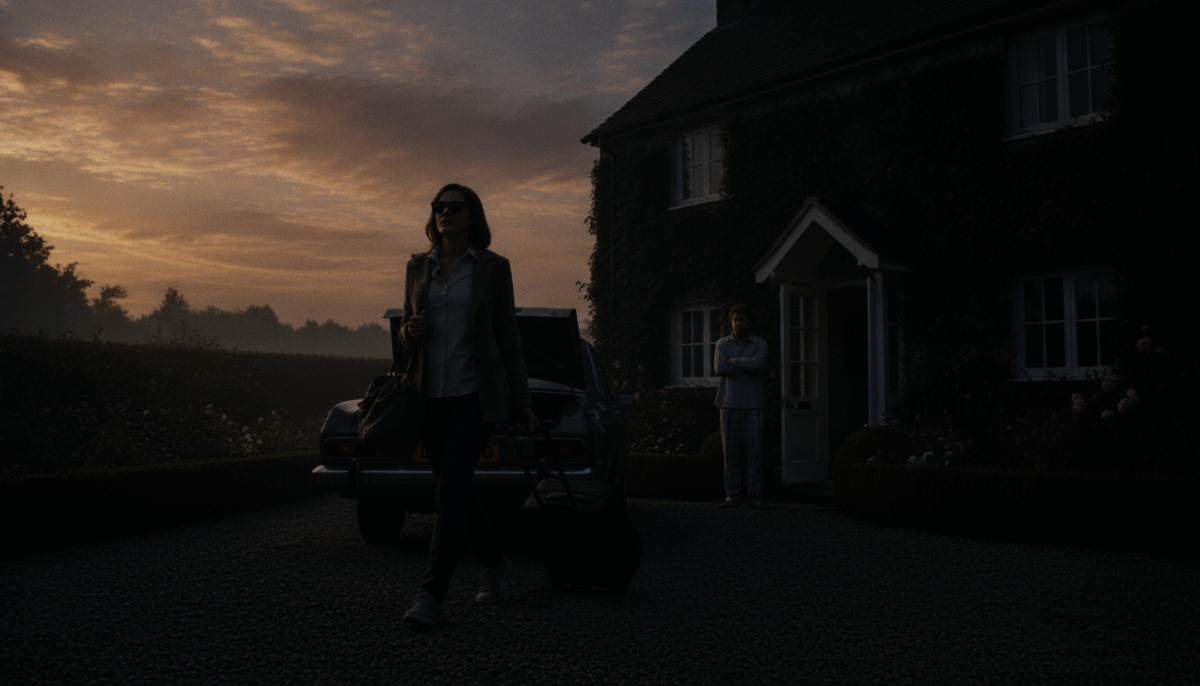
I didn’t answer him. I walked upstairs, packed a single suitcase with my essentials, and booked a pet-friendly Airbnb five miles away. It was a modest, two-bedroom apartment, but it had central heating, a real shower, and a working kitchen. By the time I walked back downstairs, I had my bags in hand. Mark looked at me, his eyes widening in confusion as I headed toward the mudroom. He didn’t understand the gravity of what I was doing until I reached for the car keys.
He followed me outside, shouting about ‘abandoning the project’ and ‘unnecessary expenses.’ He truly believed that his need for a workshop superseded my need for basic shelter. As I drove away, I didn’t feel guilty. For the first time in years, I felt a sense of clarity. I knew that if I stayed, I would lose a piece of myself, and I wasn’t willing to pay that price for a room full of power tools.
The In-Law Intervention
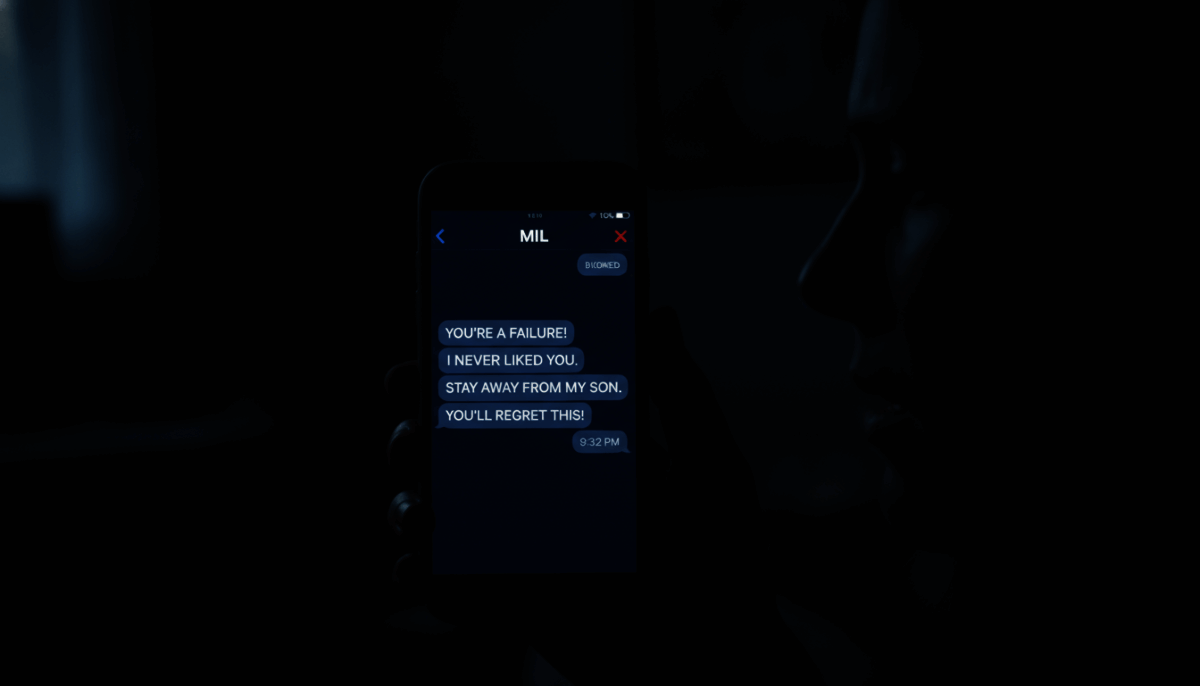
The fallout was instantaneous. By the time I had checked into the Airbnb, my phone was already buzzing with messages from my mother-in-law, Susan. She had clearly received a one-sided, heavily edited version of the story from Mark, painting me as a ‘spoiled princess’ who was sabotaging his career advancement. The messages were relentless, each one more condescending than the last, questioning my commitment to the marriage.
I sat on the couch in my new temporary home, reading through the diatribe. It was fascinating to see how they twisted the narrative. In their eyes, I wasn’t a spouse being treated poorly; I was a minor hurdle in the path of the ‘great man’s’ ambitions. I decided not to respond immediately. I knew that responding while angry would only give them ammunition. Instead, I took a screenshot of the initial message and saved it, knowing I would eventually need to address the toxicity.
“I don’t know what you think you’re proving by running off to a hotel, but Mark is working hard for your future. You’re being selfish and embarrassing the whole family. Pack your things and go back to the RV before you ruin your marriage.”
— Susan, Mother-in-Law, via text message
The pressure didn’t stop with texts. The next day, I received a phone call from Mark’s brother, who ‘just wanted to talk some sense’ into me. It was a coordinated campaign to make me feel small, to make me doubt my own sanity. They used words like ‘commitment,’ ‘sacrifice,’ and ‘teamwork’ as weapons to keep me in that freezing metal box in the driveway. It was a masterclass in gaslighting, and for a moment, I almost fell for it. But then I looked at the temperature gauge on my phone: it was 28 degrees outside. I stayed in the Airbnb.
The Financial Reckoning

A week into my stay at the Airbnb, Mark sent me an email. It wasn’t an apology. It was an itemized list of the ‘financial damages’ caused by my decision. He calculated the cost of the Airbnb, the cost of the lost time for his contractors, and even the cost of the ‘lost productivity’ he suffered because he had to argue with me instead of working. He expected me to pay him back for the inconvenience I had caused.
I spent the afternoon putting together my own spreadsheet. I included the cost of the RV rental, the electricity usage for the heat he insisted I pay for, and the amount of money I spent on takeout because I couldn’t cook in the cramped space. I also added a line item for ’emotional labor’ and ‘unreasonable expectations.’ I replied to his email with my own version, ending the message with a simple, clear statement: I would not be returning until the house was habitable and he issued a formal apology.
| Category | Mark’s Demand | My Reality |
|---|---|---|
| Accommodation | $0 (The RV) | $1,800 (Airbnb) |
| Labor Costs | $2,500 (Delays) | $0 (My sanity is priceless) |
| Expectations | Total Submission | Mutual Respect |
The silence that followed my email was deafening. Mark didn’t know how to handle someone standing up to him with facts and figures. He had expected me to fold, to apologize for being ‘difficult,’ and to crawl back into the driveway. Instead, I had laid out the reality of his behavior in black and white. It was the first time in our marriage that I had stopped playing the role of the submissive wife, and the power dynamic shifted in a way that terrified him.
The Reddit Trial
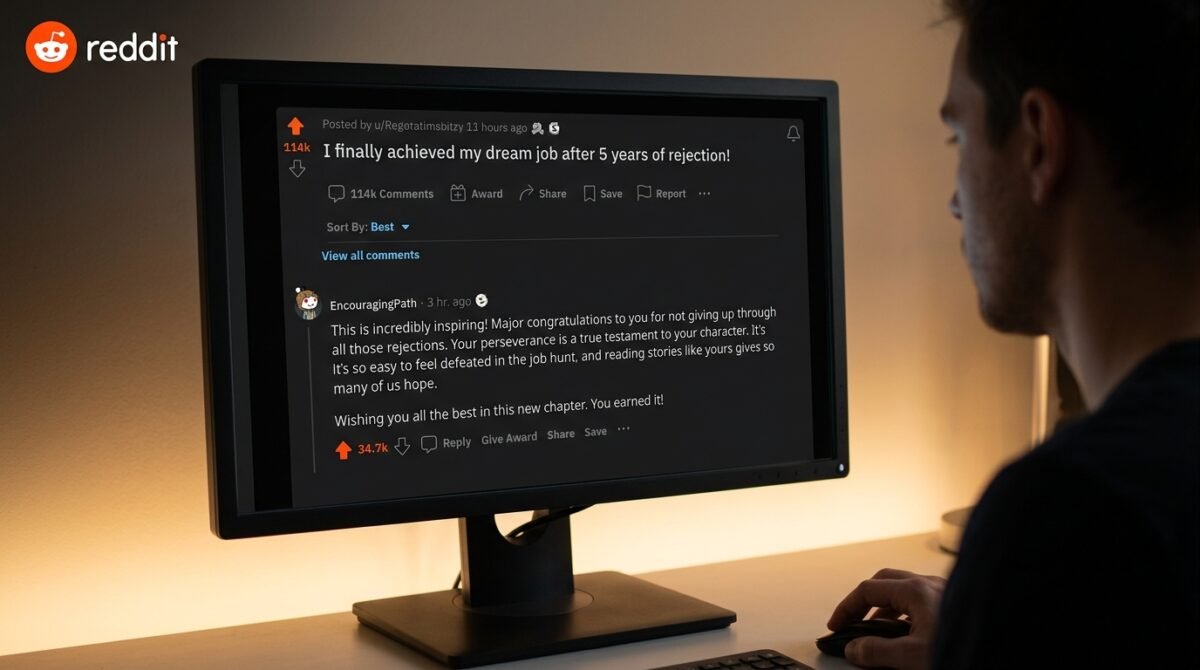
Unable to talk to anyone in my circle without being judged, I turned to Reddit. I created a throwaway account and posted the story in a popular relationship advice subreddit. I laid it all out: the RV, the cold, the workshop, and the family pressure. I expected some backlash, but I was unprepared for the sheer volume of support I received. Thousands of people validated my feelings, calling the situation ‘abusive’ and ‘narcissistic.’
Reading the comments felt like breathing fresh air. People shared their own stories of partners who prioritized their hobbies over the well-being of their families. The consensus was clear: I wasn’t being difficult; I was protecting myself. It gave me the strength to keep going when the doubt crept in during the quiet nights at the apartment. I started to see the situation for what it was: a struggle for autonomy in a marriage that had become a prison.
“OP, you are not a guest in your own life. Your husband is treating you like an accessory to his hobby. Stay in the Airbnb. Don’t go back until there is a fundamental change in the way he sees you. This isn’t about a workshop; it’s about power.”
— u/BrokenBoundaries (Top Comment, 32.4k upvotes)
The community support was a turning point. It reminded me that I had a right to dignity, and that no amount of ‘family commitment’ should involve freezing in a driveway while my partner lives in comfort. I started printing out the most insightful comments to remind myself that my perspective was grounded in reality, not just my own hurt feelings. I was no longer fighting a solo battle; I had thousands of strangers reminding me that I deserved better.
The Unannounced Visit
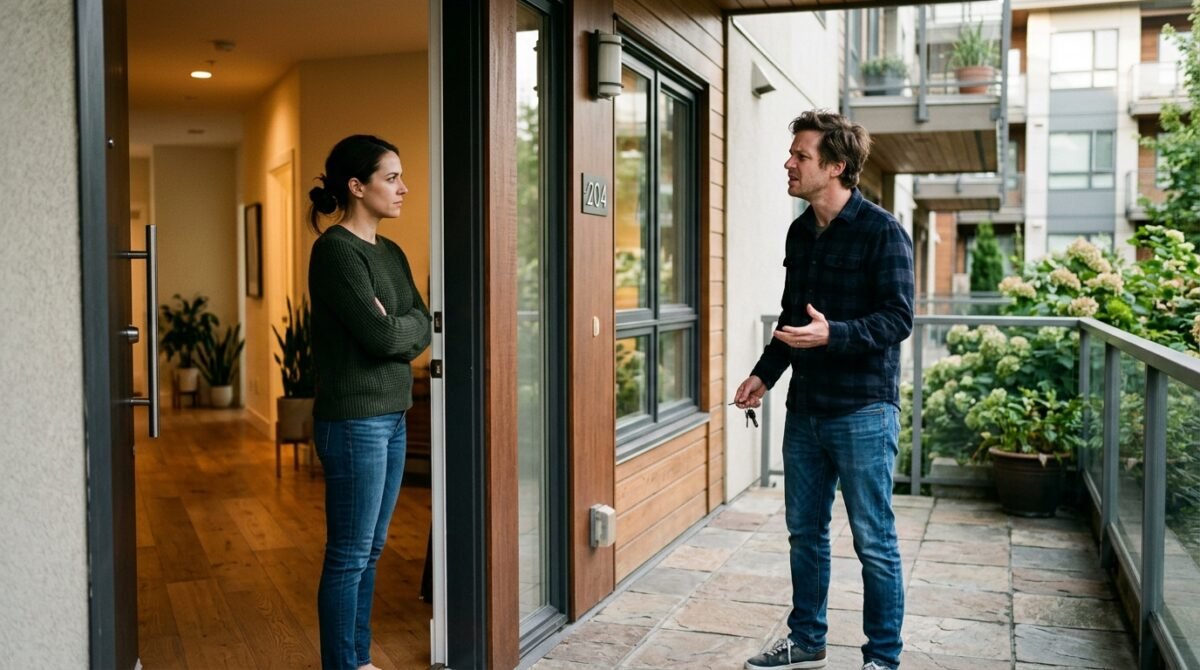
Two weeks after I moved out, Mark showed up at the Airbnb unannounced. He didn’t call or text; he just showed up at the front door, looking frazzled and tired. He told me the contractors were a nightmare, that nothing was going according to plan, and that the house was a mess. He looked at me with what I think he intended to be a sympathetic expression, as if his current struggle made everything that happened before irrelevant.
He asked me to come back and ‘help manage the chaos.’ He didn’t say sorry. He didn’t acknowledge the cold, the RV, or the way he had treated me. He just wanted his life to be easier, and he assumed that my role in that life was to be the buffer between him and his problems. I didn’t open the door fully. I stood in the doorway, feeling the warmth of the apartment behind me, and looked at him with detachment.
“I’m not coming back to be your project manager, Mark. I told you what I need: an apology and a plan that doesn’t involve me living in an unheated shed. If you aren’t prepared to offer that, you need to leave.”
— My response to Mark at the door
He was stunned. He had clearly expected me to be grateful for his visit, to see it as a reconciliation. When he realized I meant what I said, his demeanor shifted from pleading to anger. He started listing the ways I was ‘failing’ him, but I just closed the door. It was the most empowering moment of my life. I didn’t need to argue with him; I just needed to maintain my boundary. He left, and I went back to my book, feeling more at peace than I had in years.
The Realization of the Workshop
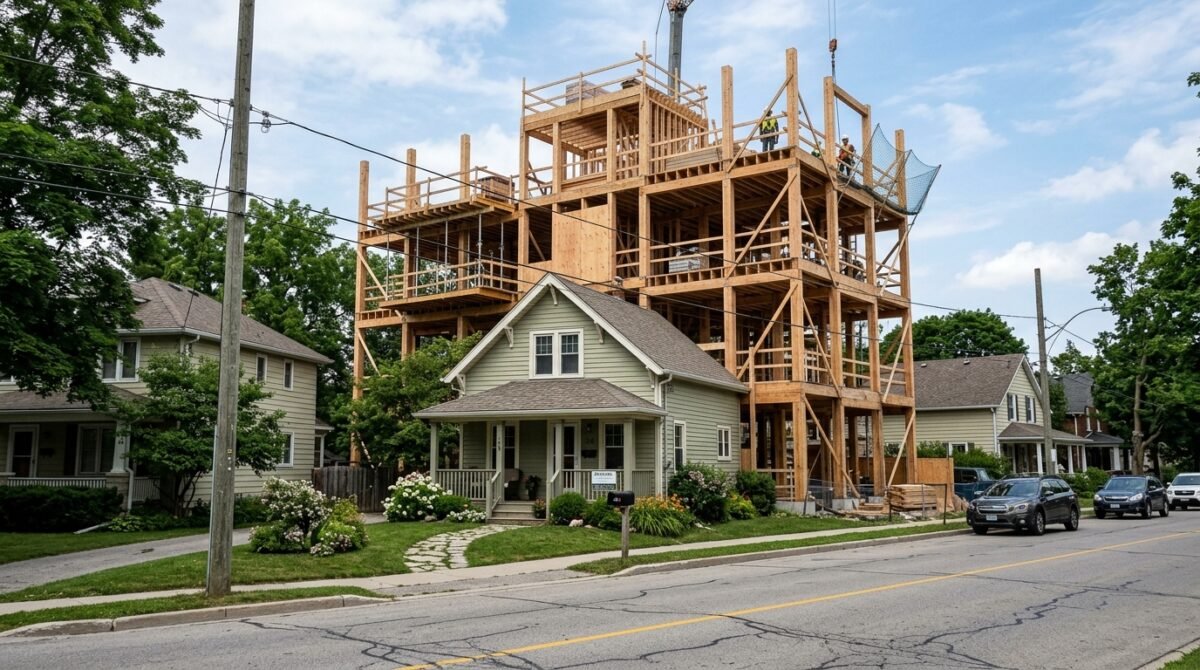
During the following week, I drove by our house just to check on things. The ‘dream workshop’ was becoming a monstrosity. It had grown in scope, encroaching on the yard and even blocking the light from the back of the house. It was clear that the project had become an addiction, a way for Mark to exert control over his environment when he couldn’t control the people in his life. The ‘bespoke lumber storage’ had turned into a massive, looming structure that felt less like a workshop and more like a fortress.
Seeing it from the street, I realized that I wasn’t just fighting about the RV; I was fighting about the fact that Mark had lost his sense of proportion. He had become so obsessed with his own project that he had ceased to be an active participant in our marriage. Every spare dollar, every spare hour, and every ounce of emotional energy was poured into that building, while our relationship was left to wither in the dust of construction.
I understood then that even if I went back, things wouldn’t go back to ‘normal.’ The workshop would always be there, a monument to his selfishness. I began to wonder if I even wanted to go back. Was there enough of a foundation left to rebuild, or had he burned it all down in pursuit of his own perfection? The prospect of moving back into that house started to feel like a step backward, not a return to a happy home.
I spent the day walking in the park, thinking about our early years. We had been so happy before the obsession took hold. Was it possible to save the marriage, or was this just a symptom of a deeper, irreconcilable difference in our values? I didn’t have the answer, but for the first time, I felt like the question was worth asking. I was no longer just reacting to his demands; I was starting to evaluate my own future, independently of him.
The Turning Tide
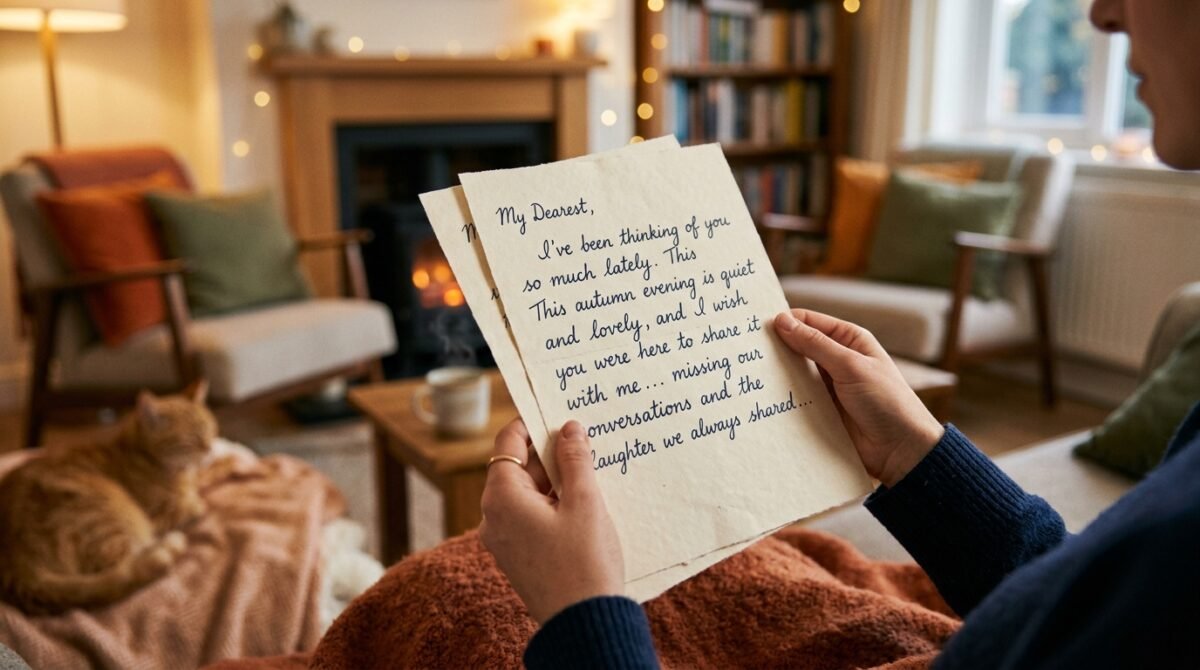
A month later, I received a letter in the mail. It wasn’t from a lawyer, but from Mark. It was a handwritten letter, the first one he had written to me in years. He didn’t try to justify his actions. He didn’t talk about the ‘greater good’ or the ‘project.’ He just wrote about how quiet the house was and how he had finally realized that the workshop meant nothing if I wasn’t there to share the life he was building.
He admitted that he had been selfish and that he had prioritized his own vision over my well-being. He apologized—truly apologized—for the RV, for the way he had treated me, and for the pressure he had put on me. He said he had stopped the contractors and that he was willing to leave the workshop unfinished or even tear it down if that’s what it took to have me back. It was the first time I felt like he was actually seeing me, not as an obstacle, but as his wife.
“I thought I was building a future for us, but I was just building a cage. I’m sorry for everything. I don’t expect you to forgive me, but I hope you know that I finally understand.”
— Excerpt from Mark’s letter
The letter brought me to tears, but not because I was ready to run back. It brought me to tears because it validated that the struggle had been necessary. If I hadn’t moved out, if I hadn’t stayed in that Airbnb, he never would have looked at his behavior in the mirror. He would have just continued on, assuming that my silence was acceptance. The boundary I had set was the only thing that had saved our marriage from total collapse.
The Choice to Return

I didn’t go back immediately. I took another week to think about whether I wanted to return to that house. I spent that week visiting friends, focusing on my own hobbies, and realizing that I was capable of building a life outside of my marriage. I had rediscovered who I was, and I realized that I liked that version of myself better than the one who had been ‘the supportive wife’ for so many years.
When I finally did talk to Mark, we had a long, difficult conversation in a neutral setting—a local coffee shop. We talked about boundaries, about respect, and about what a true partnership looks like. He listened. He didn’t interrupt, he didn’t dismiss my feelings, and he didn’t try to justify his actions. We agreed that the workshop would be finished on a much more modest scale, with a timeline that wouldn’t involve displacing anyone.
The return was slow. I didn’t move all my things back in at once. I kept my own space for a while longer, ensuring that the changes were sustainable and that the patterns of the past wouldn’t simply re-emerge. It was a period of adjustment for both of us, one that required patience and a constant commitment to communication. We were rebuilding, and we both knew that the foundation had to be different this time.
I realize now that the RV incident wasn’t just a bump in the road; it was a catalyst for a necessary transformation. We had been coasting in our marriage, and this crisis forced us to confront the rot beneath the surface. It wasn’t easy, and there were days when I still felt the resentment bubble up, but we were finally, for the first time, walking the same path toward the same goal.
Lessons from the Driveway
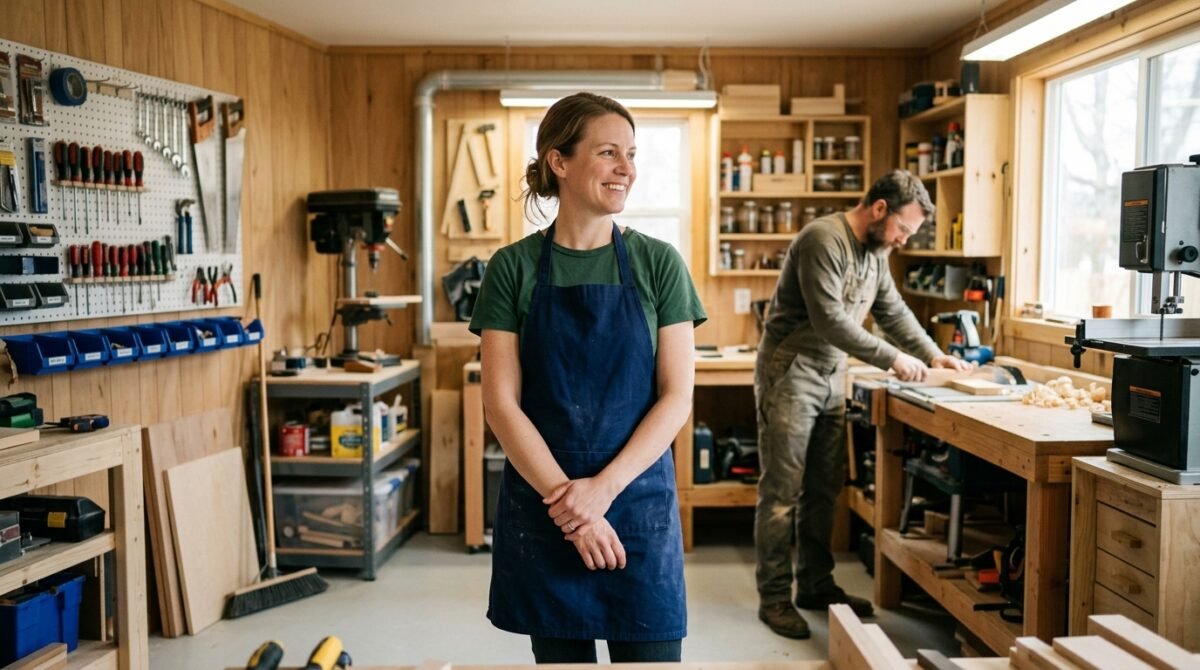
Looking back, the RV in the driveway is a symbol of the ultimate test of our marriage. It serves as a reminder of what happens when one partner loses their humanity in the pursuit of their own desires. It also serves as a reminder of the power of standing up for oneself. If I hadn’t stayed in that Airbnb, I would have likely ended up in a much darker place, both emotionally and physically.
I learned that boundaries are not acts of defiance; they are acts of preservation. By refusing to live in that RV, I wasn’t attacking Mark; I was protecting the respect that is required for any marriage to function. I also learned that sometimes, the people we love are capable of profound selfishness, and it is our responsibility to hold them accountable, not to enable their behavior.
Today, the workshop is a modest space, a place where Mark works and occasionally I join him. It’s no longer a monument to his ego, but a shared space that fits into our lives, rather than dominating them. We have grown stronger, not because the crisis made us perfect, but because it forced us to be honest about our flaws. And honestly? I’m proud of the woman who walked out that door and stayed in the Airbnb until things changed.
If you are reading this and wondering if you are being too sensitive, take this as your sign: you aren’t. Your comfort matters, your voice matters, and your boundaries are the most important thing you have. Don’t let someone else’s ‘dream’ become your nightmare. Stand your ground, demand respect, and never apologize for wanting to live a life that you are proud of, regardless of what the rest of the family thinks.
Conclusion
The story of the unheated RV and the ‘dream workshop’ is more than just a viral anecdote about a bad husband—it is a story about the reclamation of self-worth. When I stepped into that Airbnb, I wasn’t just leaving a cold room; I was walking away from a life where I was expected to be invisible. The journey of the last few months has been about proving to myself that I have the power to change my circumstances, no matter how much pressure is applied by those around me.
We often talk about compromise as the foundation of a healthy marriage, but we forget that compromise must be mutual. When one partner is doing all the compromising and the other is doing all the demanding, that isn’t a marriage; it’s a hierarchy. My experience served as a wake-up call for both of us, and while the road to recovery has been anything but smooth, it has been worth every moment of truth.
I want to hear from you. Have you ever had to draw an impossible line in the sand with a partner? How did you handle the pressure from family members who didn’t understand your perspective? Let’s discuss in the comments below—your experiences might be the validation someone else needs today.
What's your verdict on this dilemma?
Vote below to contribute to the official community consensus.

Have a Dilemma Keeping You Up at Night?
Share your real-life feud, wedding chaos, or relationship crossroads anonymously with our editorial team.
What do you think ?
0 Comments🛡️ Comments are moderated to protect community integrity. Your comment will appear once approved by the editorial team.