
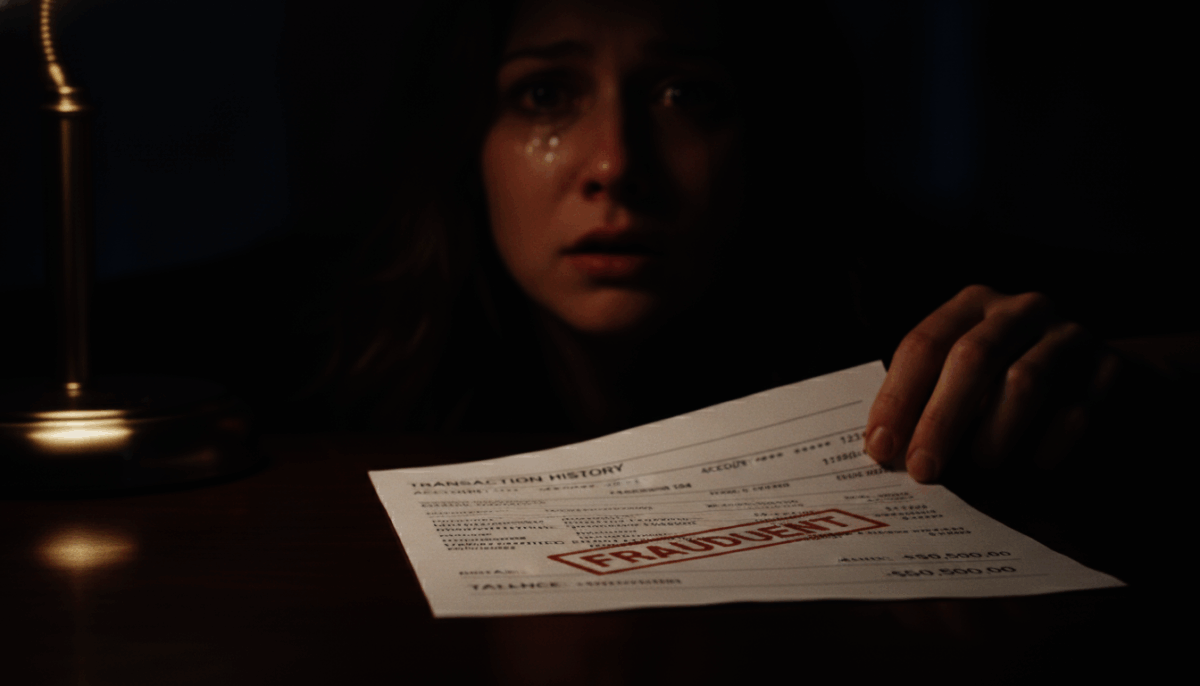
For three years, our marriage was built on the foundation of shared struggle. We were the couple that did the math on a napkin at dinner, calculating whether we could afford the extra side of guacamole or if we should just stick to water. My husband, Mark, was the primary architect of our ‘austerity measures.’ He was the one who insisted we cancel our streaming services, the one who convinced me to postpone our long-overdue trip to visit my parents, and the one who constantly reminded me that ‘every penny counts’ in this economy.
I trusted him implicitly. I thought he was protecting our future, building a safety net that would eventually allow us to breathe. I worked double shifts at the clinic, coming home exhausted, only to be met with reminders about our dwindling savings account. It was a life defined by guilt—guilt for wanting a new pair of shoes, guilt for ordering takeout on a Tuesday, and a constant, low-level hum of anxiety that we were one car repair away from financial ruin.
The irony is that I was the one apologizing for my modest expenditures while he was playing the role of the benevolent benefactor in the shadows. It wasn’t until I stumbled upon an old laptop he claimed was broken that the facade began to crumble. The browser history was a map of a secret life, and the bank statements revealed a truth so cold, it made my blood run stagnant.
He wasn’t saving for our future. He wasn’t paying down our debt. He was systematically funneling $1,500 of our hard-earned household income every single month into an account belonging to his ‘best friend’ from college, a man I thought was struggling to find work, but who was actually living a life of leisure on our dime. The betrayal wasn’t just about the money; it was about the years of gaslighting and the deliberate theft of my peace of mind.
This is the story of how I uncovered the truth, the explosive confrontation that followed, and the agonizing decision to decide if a marriage can survive when the person you trust most is the one keeping the ledger of your misery.
The Laptop That Never Should Have Been Opened
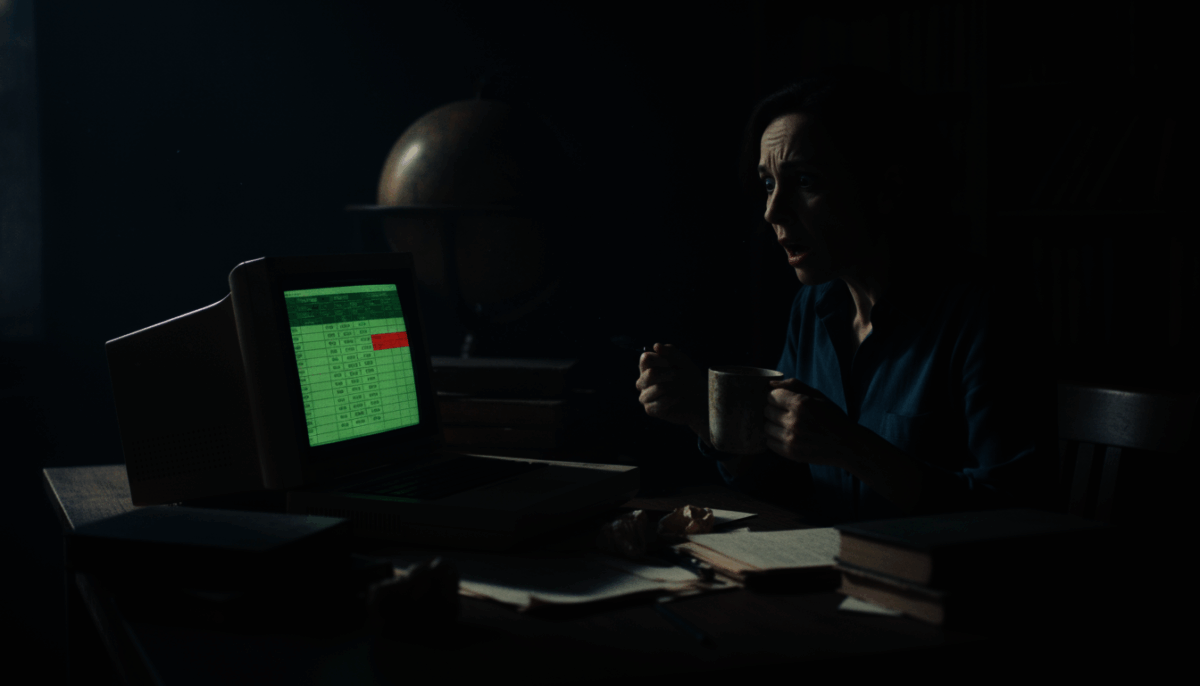
It was a Saturday morning, the kind usually reserved for catching up on chores and ignoring the dread of the upcoming work week. Mark had gone to the gym—or so he said—and I was tasked with finding some old tax documents for our accountant. I remembered he kept a folder on his ‘broken’ laptop, a machine he hadn’t touched in months. I figured I’d try to boot it up one last time before dropping it off at a recycling center.
The machine sputtered to life with a groan, the screen flickering before settling on a desktop filled with unorganized files. I wasn’t looking for trouble. I was looking for a digital copy of a W-2. But as I opened a folder labeled ‘Business Expenses,’ I didn’t find tax forms. I found a spreadsheet. It was titled ‘Monthly Support Payments,’ and it was dated back to thirty-six months ago.
My heart started thumping against my ribs. I clicked on the latest entry, and there it was: a recurring transfer of $1,500 labeled ‘Dave – Rent/Living.’ I scrolled up, month after month, year after year, totaling over $50,000. The air in the room felt heavy, and the silence of the house suddenly became deafening. I felt like I was gasping for air in a vacuum.
I started checking the dates against our own shared bank account. Every time we had a ‘budget crisis,’ every time he told me we couldn’t afford to visit my mother, there was a withdrawal right before it. He wasn’t just sending money; he was intentionally keeping our balance low enough to justify his austerity demands. I sat there in the dim light, the glow of the screen illuminating the wreckage of my marriage.
“How could you do this, Mark? We were eating ramen for months because you said we were broke. Meanwhile, you were playing bank for Dave?”
— My internal monologue before he walked through the door.
When he finally arrived home, he found me sitting exactly where he left me, but the laptop was open, and the spreadsheet was front and center. The look on his face wasn’t one of confusion; it was the look of a man whose game had finally been exposed. He didn’t even try to lie. He just stood there, his gym bag sliding off his shoulder, his face hardening as he realized there was no exit strategy left.
The Justification of a ‘Brotherhood’

When the first argument exploded, it wasn’t a shouting match; it was a cold, calculated defense of his actions. Mark sat down across from me, his posture relaxed, almost as if he were explaining a business transaction. He argued that his friend, Dave, had ‘saved his life’ during a dark period in college, and that this was a debt of honor. He claimed Dave had fallen on hard times and simply couldn’t make it without the support.
I looked at him, truly seeing him for the first time. The man I loved had been weaponizing our finances to maintain a secret loyalty to someone else, all while treating me like a naive child who didn’t understand the value of a dollar. He told me that our ‘struggle’ was my own perception, that we were actually doing ‘fine,’ but that he prioritized the payment because it was a matter of integrity.
I asked him why he didn’t tell me. Why the lies about our bank account? Why the forced sacrifices? He looked at me with a patronizing smirk and said he knew I would ‘never understand’ the bond between men. He felt that by hiding the money, he was sparing me the stress of knowing how much we were actually spending, which made absolutely no sense given that he was the one causing the stress.
“I was protecting you, Sarah. If you knew we were ‘okay’ but I was sending money to Dave, you would have been jealous. This way, we both just lived our lives.”
— Mark’s response during the confrontation.
The audacity of his words hit me like a physical blow. He wasn’t just a thief; he was a manipulator who had curated my reality to suit his needs. I felt sick. I realized that for three years, every time I felt guilty for buying a $10 lunch or an extra shirt, he was laughing all the way to the bank, knowing exactly what he was doing.
He continued to defend the payments, claiming it was only $1,500, as if that were pocket change. He seemed genuinely unable to grasp the magnitude of the betrayal. To him, the $54,000 he had funneled away was just ‘helping a friend,’ and my reaction was just ‘typical female drama.’ He had no intention of stopping, and he had no remorse for the deception.
The Truth Behind Dave’s ‘Hard Times’

I didn’t stop at the spreadsheet. While Mark was at work the next day, I started digging into Dave’s social media. I expected to find a man living in squalor, a man barely holding it together as Mark had described. What I found instead was a curated feed of luxury travel, expensive dinners, and high-end gear. Dave wasn’t broke; he was a travel influencer who hadn’t worked a corporate job in years.
I went through his posts, tagging the dates against the dates of the payments Mark had made. Every time Mark sent the money, Dave was checking into a new hotel or hitting a new resort. He was literally using our grocery budget to fund his vacations. The rage I felt was so hot it was blinding. My husband wasn’t just supporting a friend; he was funding a lifestyle he couldn’t even afford for himself.
I realized then that this wasn’t just a ‘brotherhood’ thing. It was a parasitic relationship. Mark was the source of income, and Dave was the consumer. I messaged Dave, not with an angry rant, but with a simple question: ‘Are you aware that Mark is sending you $1,500 of our household money every month?’
“Look, I don’t know what Mark told you, but he insisted on helping me out. He said he had plenty and wanted to support my journey. Don’t come at me for his choices.”
— Dave’s response, sent 20 minutes later.
The response was dismissive and entitled. He didn’t care that he was bankrupting a family; he only cared about maintaining the flow of cash. I saved the screenshots. I knew I needed evidence, not just for the potential divorce, but for the sake of my own sanity. I was being gaslit by two men who had decided that my comfort was entirely optional.
The realization that Dave knew the state of our finances—or at least knew that Mark was ‘giving’—made it even worse. They had been laughing about this, surely. They were in on the joke, and I was the punchline. The betrayal wasn’t just from my husband; it was a collective effort to keep me in the dark.
The Night the Bank Account Finally Hit Zero

That evening, when Mark came home, the air was thick with the scent of impending disaster. I had transferred all of our remaining savings into a separate account in my name, a move I knew would trigger the final explosion. I sat him down at the kitchen table, the silence stretching out like a tightrope between us. I told him the transfers were over and that I had spoken to Dave.
His face went from smug to purple in a matter of seconds. He started pacing, his voice rising in volume, accusing me of being controlling, of being ‘a monster who wants to ruin a friendship.’ He kept repeating that I had no right to touch ‘our’ money, even though it was mostly my income that had been filling those gaps while he paid off his ‘debt.’
The argument escalated to the point where he threatened to leave. I simply pointed to the door. I told him he was free to go, but the money was staying. He realized then that I wasn’t the submissive wife he had convinced himself I was. The power dynamic shifted in that single moment, and for the first time in years, he looked afraid.
“If you leave, don’t expect a cent. I have the records, Mark. I have the spreadsheet, the bank statements, and the text messages from your ‘friend’ admitting he knew where the money was coming from. You aren’t the victim here.”
— My ultimatum to Mark.
He didn’t leave. He slumped into a chair, finally quiet. It was the first time I saw the reality of his desperation. Without the ability to use the money as a crutch or as a way to maintain his image, he had nothing. The facade of the ‘successful best friend’ was crumbling, and with it, his sense of authority over me.
We spent the night in silence, two strangers sharing a home. The weight of the deception was now out in the open, and there was no going back. The romantic life we had built was revealed to be a fragile house of cards, and the wind was starting to pick up.
The Fallout: Family Group Chat Explosions
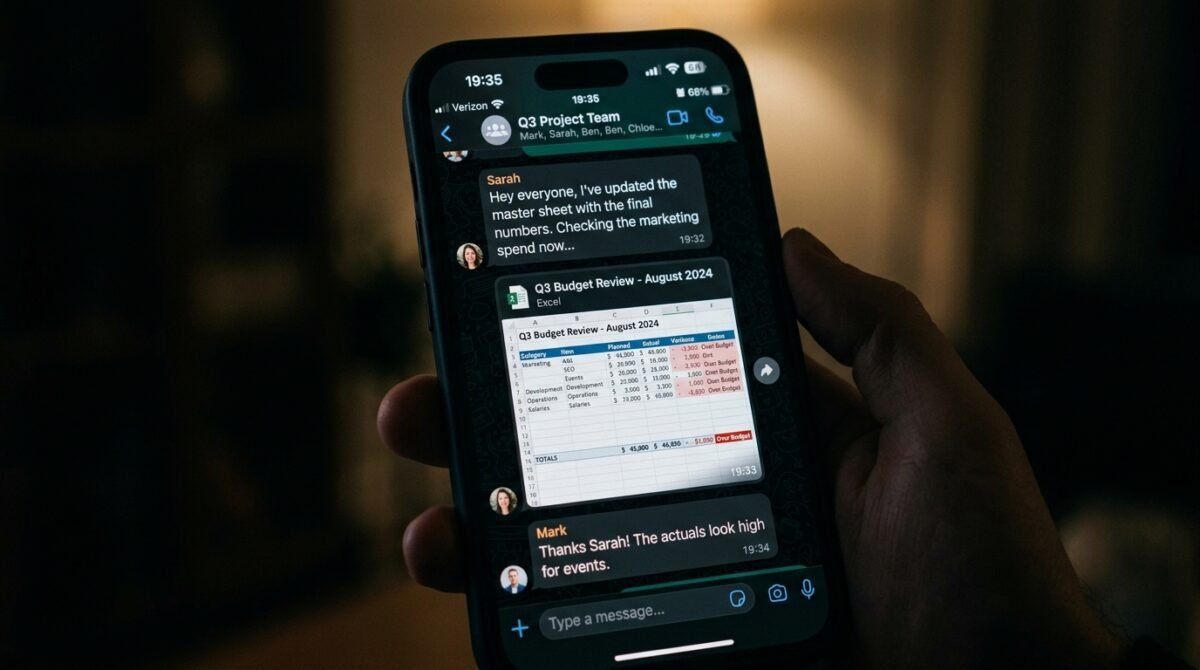
Word traveled fast. Within 24 hours, Mark had called his mother, painting himself as the victim of my ‘sudden, irrational greed.’ His mother, a woman who had always been slightly critical of me, didn’t hesitate to pile on. The family group chat, which had been dormant for weeks, suddenly exploded with notifications.
I watched as they turned on me, accusing me of being unsupportive and cold. They didn’t know the facts; they only knew the narrative Mark had fed them. I didn’t engage in the public spectacle. Instead, I took a screenshot of the spreadsheet—minus the private account details—and posted it to the chat with a short, clinical caption: ‘Mark has been sending $1,500 a month to Dave while telling me we were broke. This is where the money went.’
The silence that followed was instant and absolute. Even his mother, usually the loudest voice in the room, didn’t respond. I didn’t need to argue. The numbers did all the work. It was a satisfying, if cold, victory.
“I thought we were struggling because of the economy. I didn’t know Mark was funding a lifestyle for someone else. I’m done being the one who makes the sacrifices.”
— My final message to the family group chat.
After that, I blocked the entire extended family. I didn’t care about their opinions or their ‘advice.’ I was in the process of rebuilding my life, and I didn’t need the toxic noise of people who didn’t even know the first thing about what was happening in my home. The isolation was necessary; it was the only way to heal.
Mark, meanwhile, was in a tailspin. He tried to claim I had leaked ‘private business,’ but his mother had finally seen the truth, and she wasn’t happy. For the first time, someone else was holding him accountable, and he hated it.
The Reddit Community Weighs In

I posted my story on a throwaway account, desperate for an objective take. The response was overwhelming. Within hours, the thread had thousands of upvotes and hundreds of comments. The consensus was clear: I wasn’t just being mistreated; I was being financially abused. The term ‘financial infidelity’ was thrown around constantly.
Reddit users analyzed the numbers, the gaslighting, and the behavior of the friend. They pointed out that this wasn’t just a one-off mistake; it was a long-term, calculated pattern of deception. They encouraged me to seek legal counsel and to protect myself, regardless of whether I stayed or left.
“This is text-book financial abuse. He’s not just helping a friend; he’s actively impoverishing you to keep you dependent and compliant. Get a lawyer, freeze the accounts, and run. He’s already shown you that he doesn’t value your life or your labor.”
— u/LegalEagleEye (Top Comment, 32.1k upvotes)
The validation was overwhelming. For months, I had been internalizing the idea that I was the one who needed to change, that I was the one being too demanding or too ‘sensitive.’ Seeing hundreds of strangers agree that I was being systematically exploited helped me reclaim my agency. I wasn’t crazy; I was being lied to.
The community also provided practical advice: how to document the spending, how to secure my own credit, and how to start the process of separation. It wasn’t just support; it was a roadmap to freedom. I started to see a way out that didn’t involve me being the ‘bad guy’ in his story.
The Legal Reality Check
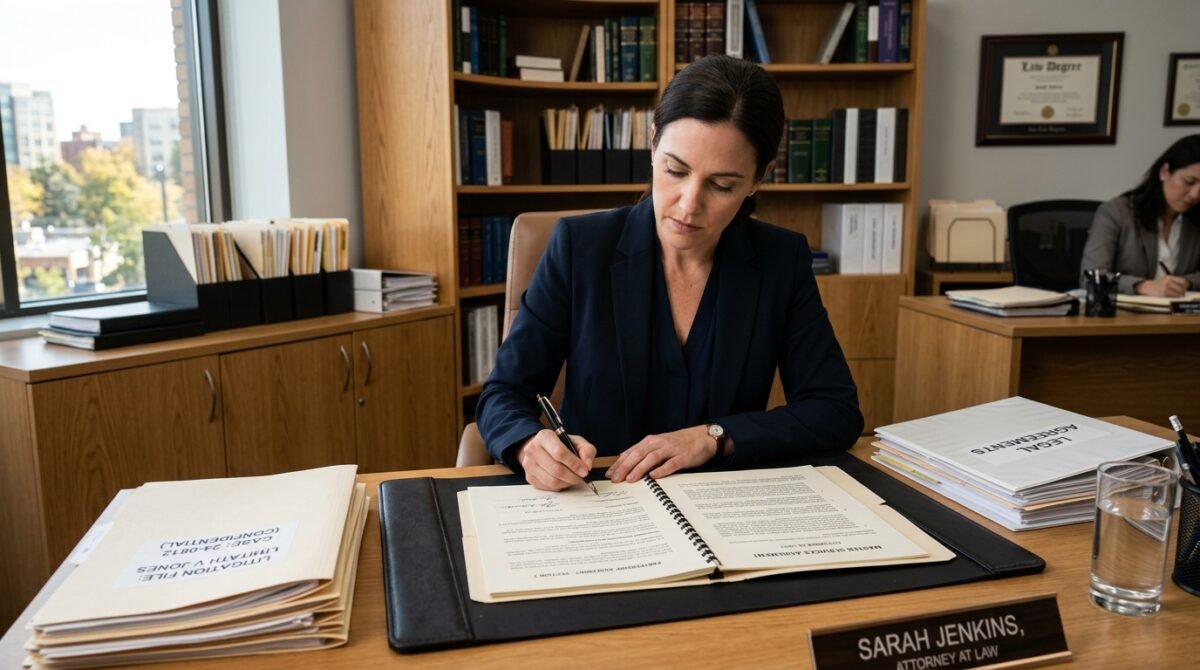
I met with a lawyer two days later. She laid out the reality of our situation in stark terms. Because we were married, most of the money Mark had funneled was considered marital assets. While I couldn’t necessarily ‘get it back’ in a traditional sense, it would be factored into any divorce settlement as ‘dissipation of assets.’
She explained that by spending $54,000 without my consent or knowledge on a non-marital expense, he had potentially committed financial fraud within our marriage. The lawyer was confident that in a court of law, this would not look good for him. He would be expected to account for every dollar, and his ‘brotherhood’ excuse would hold very little water with a judge.
The meeting with the lawyer was the final nail in the coffin for our marriage. I realized that if I stayed, I would always be watching the accounts, always wondering where the money was going, and always waiting for the next lie. I didn’t want to live a life of surveillance. I wanted a life of trust, and I knew I would never find that with Mark again.
“He has proven that he will lie to your face to protect someone else’s interests. That is not a foundation for a partnership, Sarah. You need to decide if you want a life of constant verification or a life of freedom.”
— My lawyer during our second consultation.
I walked out of that office feeling lighter than I had in years. The path ahead was difficult and uncertain, but it was *my* path. I was no longer a side character in Mark and Dave’s drama; I was the author of my own life, and I was choosing to close this chapter.
I started preparing the paperwork that evening. It was a quiet, methodical process. No more yelling, no more crying. Just the steady, cold work of untangling our lives. The era of the budget crisis was officially over.
The Final Confrontation

I served him the papers on a Tuesday. He had just come home from work, still wearing his tie, looking tired. I handed him the envelope and told him it was over. He didn’t even open it at first; he just looked at me, and for the first time, the anger was gone, replaced by a profound, hollow realization.
He asked if there was any chance of fixing things. He offered to stop the payments, to go to therapy, to be ‘better.’ I listened, but his words felt empty. I knew he wasn’t sorry for the behavior; he was sorry for the consequences. He was sorry that his life of secret support was ending and that he was losing his partner.
We talked for hours. I told him exactly how he had made me feel—the guilt, the anxiety, the sense of being an afterthought. He didn’t argue. He didn’t try to justify it. He just sat there, listening to the wreckage he had caused. It was the first honest conversation we had in years, and it was also our last.
“You didn’t just lose money, Mark. You lost the version of me that trusted you. And you can’t buy that back, no matter how much you save.”
— My final words to Mark before walking out of our bedroom.
I left that night. I packed my essentials and moved into a small apartment across town. The silence of the new place was different—it wasn’t the silence of secrets, but the silence of potential. I was alone, but I was finally free.
The next few weeks were a blur of logistics. We communicated through lawyers, and I successfully navigated the settlement process. It wasn’t clean, and it wasn’t easy, but it was mine. I was done with the games, and I was finally starting to breathe again.
The Aftermath: Rebuilding From Zero

Life after the divorce has been a process of reclaiming my own identity. I’ve started working full-time at a new company, and I’ve been able to build up my own savings, completely independent of anyone else’s input. The fear of being ‘broke’ has dissipated, replaced by the reality of financial security and autonomy.
I still think about the betrayal sometimes. It’s hard to just flip a switch and forget three years of my life. But the anger has turned into a quiet, cold observation. I learned that I am capable of so much more than I thought, and that I deserve to be in a relationship where I am the priority, not an obstacle to be managed.
I’ve also learned to set boundaries. I don’t let people into my life who don’t respect my values, and I don’t apologize for my needs. The experience was a crucible, but it forged a version of me that is stronger, wiser, and entirely unapologetic about her own happiness.
“I am no longer the person who apologizes for needing a new pair of shoes. I am the woman who saved her own life.”
— My personal mantra these days.
Mark eventually lost the apartment he was trying to keep up, and Dave, predictably, moved on to the next ‘benefactor’ once the money stopped flowing. They are both parts of my past, memories of a life that was never quite as real as I thought it was. I’m happy now—truly, deeply happy.
The journey was painful, but it was worth every tear. I am free of the secret, free of the debt, and most importantly, free of the man who thought he could control me.
A Final Note to the Readers

I wanted to share this story not because I want sympathy, but because I want to warn others. Financial infidelity is real, and it is just as damaging as any other form of betrayal. It erodes your sense of reality, your trust, and your ability to plan for your own future. If you suspect something is off, trust your gut. Don’t let someone tell you that you’re ‘overreacting’ or that it’s ‘not that big of a deal.’
Your finances are a reflection of your priorities. If your partner is hiding where their priorities lie, they are hiding who they are. Do not be afraid to look at the numbers, to ask the hard questions, and to demand the truth. You owe it to yourself to be the lead in your own story, not a prop in someone else’s.
I am grateful for the Reddit community that helped me see the truth when I was too close to the fire to notice. You gave me the courage to walk away, and for that, I will always be thankful. Keep your eyes open, keep your finances secure, and never, ever compromise your own dignity for a lie.
“The most expensive thing you can pay for in a relationship is the cost of your own silence. Don’t pay it.”
— Final takeaway for everyone reading.
If you’re going through something similar, know that there is a way out. It isn’t easy, and it won’t be without its scars, but the view from the other side is absolutely worth it. You deserve a partner who is transparent, honest, and as invested in your future as you are.
Conclusion
My journey from the depths of financial deception to personal liberation has been the most transformative period of my life. It wasn’t just about the money; it was about the fundamental breach of trust that occurs when a partner decides your reality is something to be managed rather than shared. I realized that true partnership requires complete transparency, especially when it comes to the resources that sustain a life together.
I am now in a place where my finances are my own, my decisions are mine, and my happiness is not contingent on someone else’s manipulation. I look back on those years of ‘austerity’ with a mix of sadness for the time I lost and pride for the person I became in the process of leaving. I learned that the strongest boundary you can ever set is the one that says, ‘I deserve better than a lie.’
What about you? Have you ever discovered a secret financial burden in your own relationship, or have you had to make a tough call to end a partnership built on lies? I’d love to hear your experiences—not to judge, but to share in the collective wisdom of finding our way out of the dark. Leave your thoughts in the comments below, and let’s keep this conversation going.
Poll: If you discovered your partner was hiding significant financial support for a friend while telling you you were broke, would you stay for counseling or leave immediately?
- Leave immediately (I can’t trust them again)
- Stay for therapy (People can change)
- It depends on the circumstances
What's your verdict on this dilemma?
Vote below to contribute to the official community consensus.

Have a Dilemma Keeping You Up at Night?
Share your real-life feud, wedding chaos, or relationship crossroads anonymously with our editorial team.
What do you think ?
0 Comments🛡️ Comments are moderated to protect community integrity. Your comment will appear once approved by the editorial team.