
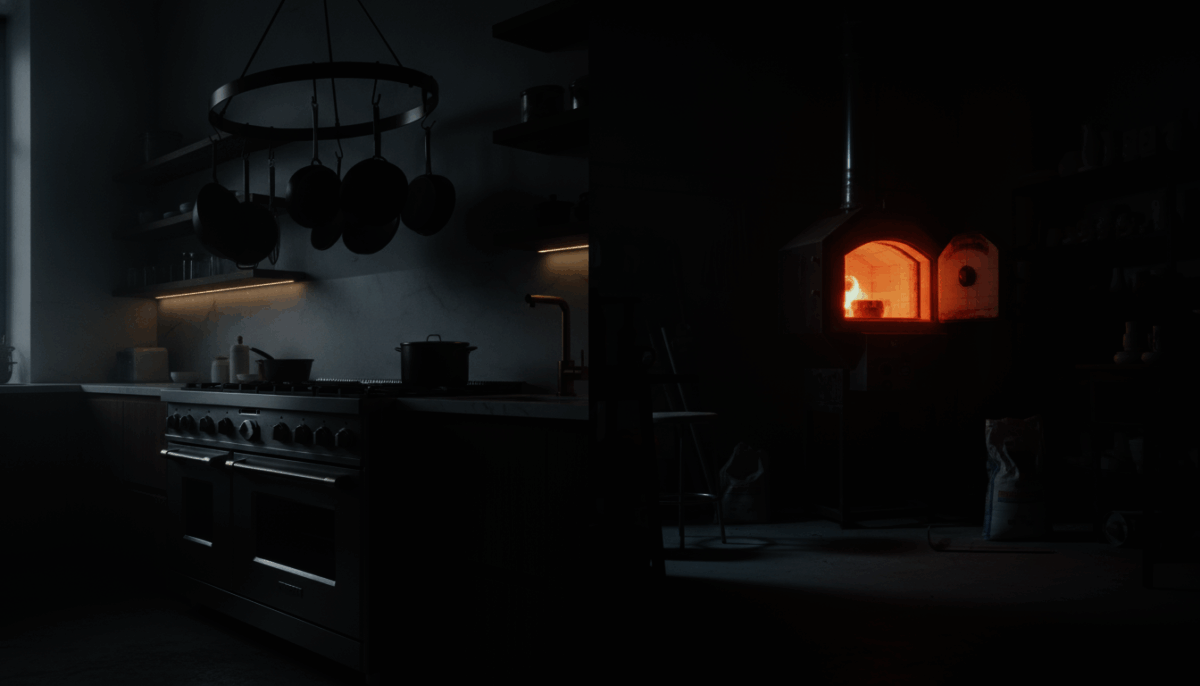
It started as a harmless passion—a way to unwind after long hours in the corporate grind. I invested in a high-quality electric kiln for my studio space, thinking it would be a manageable addition to our shared household expenses. My partner, Mark, was initially supportive, even bragging to friends about the beautiful ceramic mugs and bowls I was producing. But as the kiln began to see more use and the utility bills fluctuated, the tone in our home shifted from artistic appreciation to cold, hard resentment.
The issue wasn’t the cost itself; it was the arbitrary assignment of blame. One evening, after a particularly productive weekend of firing, I walked into the kitchen to find Mark staring at the gas bill with a look of pure, unadulterated fury. He didn’t just want me to pay my share; he demanded I cover the entire utility cost for the house, claiming that my kiln was a ‘luxury drain’ on our resources. The argument that followed wasn’t just about money; it was about the fundamental way we viewed each other’s contributions to the household.
I found myself caught in a moral dilemma: should I prioritize my creative outlet and self-sufficiency, or sacrifice my independence to appease a partner who seemed increasingly determined to categorize my hobby as a financial liability? The situation escalated faster than I could have imagined, turning from a calm conversation into a series of late-night arguments and passive-aggressive messages that left me questioning whether we were actually partners at all.
This isn’t just about a gas bill. It’s about the erosion of autonomy and the weaponization of domestic finances. As the tension mounted, I turned to the internet for a gut check, only to realize that my specific situation had tapped into a much larger, more volatile conversation about fairness in cohabitation. What follows is the breakdown of a relationship that unraveled, one firing cycle at a time.
The Night the Kitchen Thermostat Became a Weapon
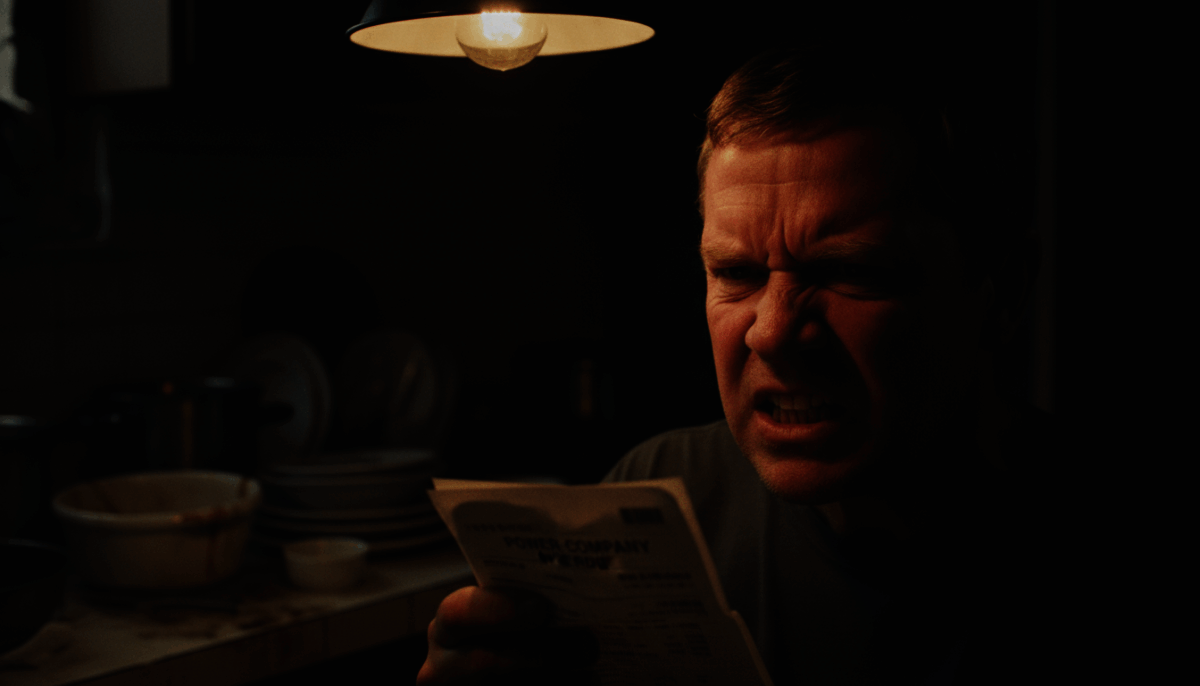
The escalation happened on a Tuesday, usually our designated quiet night. I had been firing a batch of stoneware, and the house felt slightly warmer than usual, a byproduct of the insulation in our attached garage studio. Mark walked in, tossed his keys on the counter, and didn’t even say hello. He was holding a crumpled envelope—the utility bill.
He didn’t start with a question or a request for clarification. He started with an accusation. He claimed the bill was nearly double what it had been the previous year, and he had already done the ‘math’ in his head to blame my kiln. I tried to explain that while the kiln used energy, it certainly didn’t account for a 100% increase in our total household gas usage, especially since we had just installed a new heating system that had been acting up.
“I don’t care about the heater, Sarah. I care about the fact that I am subsidizing your little clay empire while the house is freezing. You need to pay the entire gas bill from here on out, or you need to shut that thing down for good.”
— Mark, during the initial argument
I felt a cold knot form in my stomach. The audacity of the demand was suffocating. I had been paying for all my own clay, glazes, and equipment maintenance, and now he was trying to gatekeep the very air we were breathing in our home. I felt small, dismissed, and suddenly like a roommate who had overstayed their welcome rather than a partner of five years.
I stood my ground, noting that I contribute exactly half to all joint bills. He scoffed, walking past me to turn the heat down to sixty degrees as a form of protest. The air in the room felt heavy with the weight of his refusal to listen to logic. He wasn’t interested in the facts; he was interested in control. It was the first time I realized that my creative independence was being viewed as a threat to his dominance in the household.
By the time I went to bed that night, the silence between us was deafening. I spent the hours staring at the ceiling, wondering when the person who encouraged me to pursue my art had transformed into someone who viewed it as a personal affront. It was a realization that would define the next several weeks of my life, as the power dynamic in our home underwent a permanent, painful shift.
The Spreadsheet Audit That Never Should Have Happened

Two days later, I came home to find a laptop open on the dining room table. Mark had created a spreadsheet—color-coded, meticulously formatted, and entirely biased. He had tracked every single time I had turned the kiln on, cross-referencing it with the hourly weather reports and the gas meter readings he claimed to have documented. It was a level of obsession that felt borderline unhinged.
He called me over with a wave of his hand, acting like he had just solved a high-level corporate fraud case. He pointed at a red column labeled ‘Kiln Excess Consumption’ and demanded I explain why the numbers didn’t align with his ‘fairness’ model. I looked at the data and immediately spotted the errors. He had failed to account for the days I was away, or the fact that our hot water heater was ancient and likely the real culprit for the spike.
“Look at the columns, Sarah. The data doesn’t lie. When the kiln is off, the usage is base-level. When you’re firing your pots, the line jumps. You are effectively charging your business expenses to my bank account. It’s theft, plain and simple.”
— Mark, presenting his ‘evidence’
I laughed, though there was no humor in it. The idea that he was calling my hobby ‘theft’ was a bridge too far. I told him that if he wanted to run a forensic audit on our lives, he needed to include his own expenses—the high-end gaming setup he kept running 24/7, his habit of ordering takeout whenever he didn’t feel like cooking, and the premium subscriptions he never used. He didn’t want to talk about those, of course.
He shut the laptop with a loud click, his face reddening. He wasn’t interested in a fair audit; he was interested in a power play. He wanted to feel like the head of the house, the one who dictated the terms of existence. The spreadsheet wasn’t a tool for financial management; it was a shaming device intended to force me into submission and make me feel like a burden.
I realized then that this wasn’t about the $80 difference in our gas bill. It was about his inability to handle me having something in my life that he didn’t have total control over. I felt a strange sense of clarity, realizing that no matter what I did—even if I paid the entire bill—he would find another expense to nitpick. The goalposts were designed to move.
The Group Chat Where Everyone Chose Sides
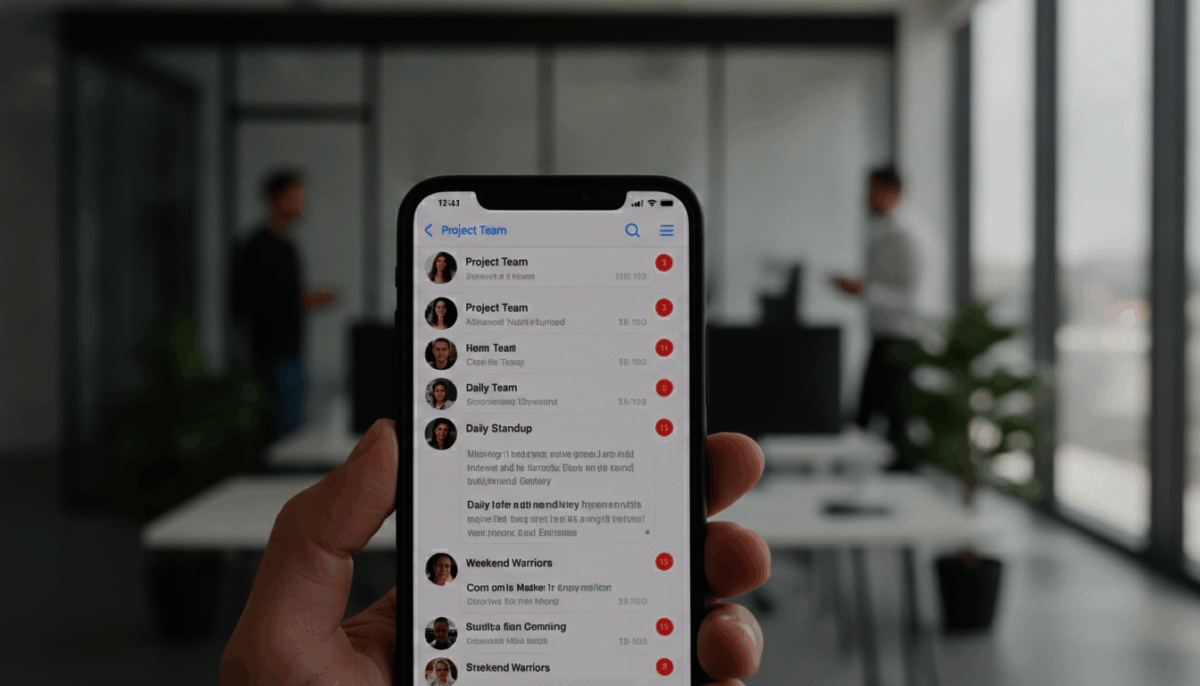
The conflict didn’t stay confined to our four walls for long. Mark, clearly feeling cornered by my refusal to cave, decided to bring in the heavy artillery: our shared friend group. He posted a carefully curated version of the story to our group chat, painting me as a selfish hobbyist who was bleeding him dry while he struggled to make ends meet. He conveniently left out his own financial habits and the fact that I work full-time.
The messages started pinging on my phone during my lunch break. I didn’t even have to open the chat to know what was happening. My phone was buzzing every few seconds, a barrage of ‘Are you okay?’ and ‘Maybe you should just pay it to keep the peace’ messages. It was a coordinated gaslighting effort that made me feel isolated and betrayed by people I had considered close friends.
“Hey guys, I don’t want to overstep, but Mark shared the spreadsheet. It looks like you’re really pushing him, Sarah. Maybe just pay the difference so you guys can move past this? Kilns are expensive to run, after all.”
— Jessica, a mutual friend, via group chat
I felt a wave of nausea. Jessica, who had never even been to my studio, was suddenly an expert on my energy consumption. I typed out a long, detailed explanation, showing the logs of my actual usage and the flaws in Mark’s math, but I stopped. Why was I defending myself to people who clearly didn’t care about the truth? They only cared about the drama.
I realized then that Mark had been sowing seeds of resentment for months, mentioning ‘financial strain’ in passing whenever we hung out. He had built the narrative before the conflict even started, ensuring that when the explosion finally happened, everyone would look to me as the villain. It was a calculated move that showed just how far he was willing to go to win a fight.
I muted the chat and put my phone face down on the desk. The silence in my office was a stark contrast to the digital noise occurring in my personal life. I felt a strange, cold resolve. If he wanted to fight this out in the court of public opinion, I would have to start gathering my own evidence, not to defend myself, but to document exactly how toxic this dynamic had become.
The Night I Slept in the Studio
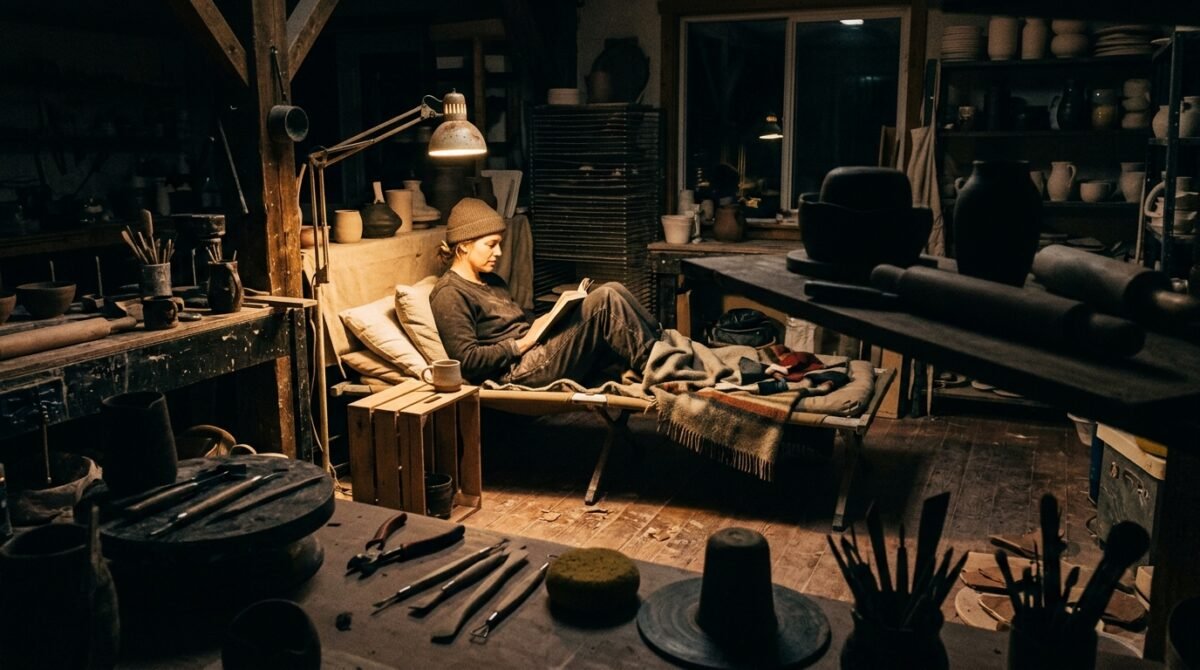
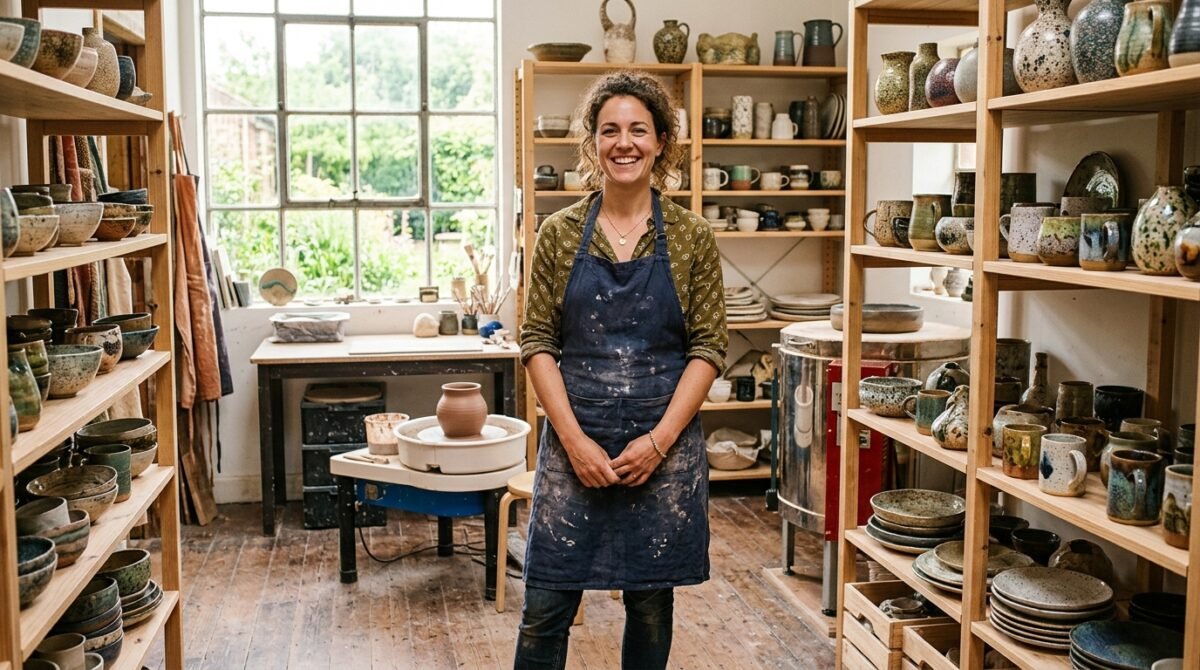
After the group chat incident, I couldn’t bear to be in the house. The energy felt stifling, and every time Mark looked at me, I felt a mix of pity and frustration. I told him I was going to sleep in the studio for a few days to ‘get some work done,’ but we both knew it was an excuse to avoid him. I set up a small cot in the corner, surrounded by my shelves of drying clay and finished pieces.
The first night was surprisingly peaceful. I worked late, listening to the hum of the kiln, and for the first time in weeks, I felt like myself again. I was working on a set of plates that were turning out perfectly, and the focus required for the work pushed the stress of the relationship into the background. I was creating something beautiful, while Mark was at home, likely stewing in his own manufactured anger.
Around 2:00 AM, I heard a knock on the garage door. It was Mark. He didn’t come in, just stood on the other side of the frosted glass, his silhouette visible against the porch light. He started talking, his voice muffled but clear enough that I could hear the desperation—or perhaps the manipulation—in his tone. He wanted me to come inside, not because he missed me, but because he was uncomfortable sleeping alone.
“This is ridiculous, Sarah. You’re living in a shed because you’re too stubborn to admit you’re being unreasonable. Just come inside, pay the bill, and let’s act like adults. We have a life here.”
— Mark, through the garage door
I didn’t open the door. I just sat there, staring at the pottery wheel, listening to him vent for ten minutes until he finally walked away. It was a bizarre, cinematic moment that felt like it belonged in a movie, not my real life. I was seeing him clearly for the first time—a man who valued control over partnership, and who was terrified of losing his grip on the situation.
I stayed in the studio for three nights. It gave me the space to think, to breathe, and to realize that I was perfectly happy being on my own. The ‘household’ he wanted me to return to was a place of judgment and financial bullying. The studio, by contrast, was a place of creation and peace. The contrast couldn’t have been more stark.
When I finally did return to the main house, I did so with a set of boundaries. I wasn’t there to apologize or to pay his inflated bills. I was there to pack a bag and have a final, honest conversation. I realized that the kiln wasn’t the problem; the problem was that I had outgrown a relationship that required me to shrink to fit his version of reality.
The Reddit Verdict: Echoes of Validation
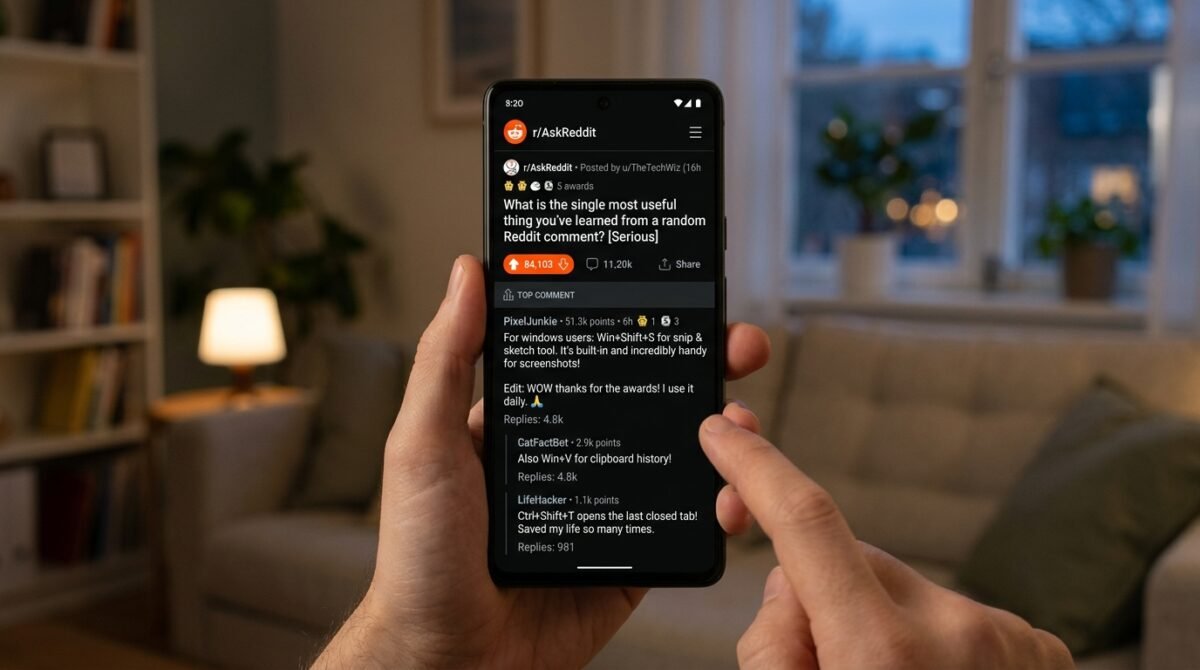
I finally posted my story to a popular subreddit, keeping the details anonymous but honest. I expected a mix of responses, but the sheer volume of support caught me off guard. Within hours, the post had thousands of upvotes and comments from people who had experienced similar ‘financial entitlement’ in their own relationships. It felt like a massive validation of everything I had been feeling.
The comments were brutal in their honesty. Many users pointed out that the kiln was just a ‘convenient scapegoat’ for much deeper issues regarding power and control. One user went as far as to break down the cost of electricity and gas, showing that even if I ran the kiln 24/7, it wouldn’t account for the numbers Mark was claiming. The math was on my side, and the community was ready to back me up.
“This isn’t about the gas bill. Your partner is using financial abuse to isolate you from your hobbies and gain control over your money. The spreadsheet is a classic tactic to make you feel like you owe them. Run. Do not pay that bill. If he can’t handle a hobby, he can’t handle a life partner.”
— u/ReasonableObserver (Top Comment, 32.4k upvotes)
There were other comments, too—some from people who had been the ‘Mark’ in the relationship and were now realizing the error of their ways, and others who shared horror stories of partners who demanded ‘rent’ for space in the house. It was a sobering look at how common this kind of behavior really is. I felt less alone, less like a ‘difficult’ partner, and more like someone who had dodged a bullet.
I spent the afternoon reading through the responses, feeling a weight lift off my shoulders. The community had given me the perspective I lacked. I wasn’t being ‘stubborn’; I was being assertive. I wasn’t being ‘selfish’; I was being independent. The labels Mark had tried to pin on me just didn’t stick anymore.
The final piece of advice that stuck with me was to keep my finances entirely separate from his, no matter what. It was a lesson I had been hesitant to learn, but it was clear that in a relationship where one person views the other’s success or hobby as a drain, total financial transparency and separation is the only way to maintain one’s sanity. I was ready to have the final talk.
The Final Confrontation at the Dining Table
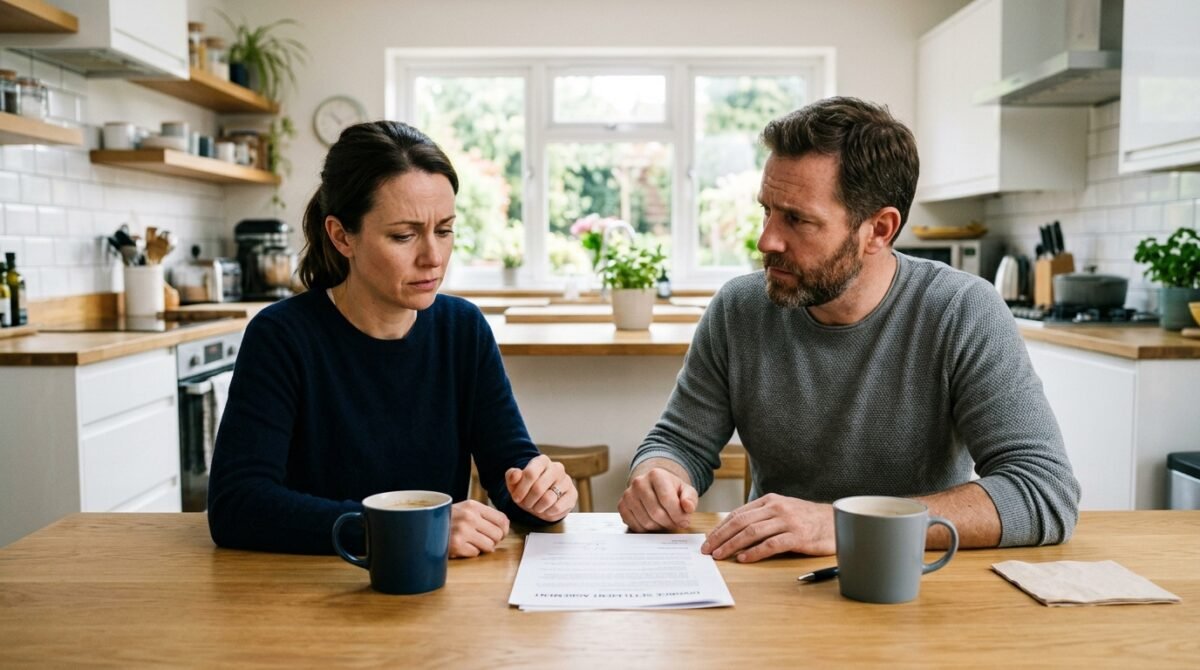
The final conversation didn’t happen in the heat of an argument. It happened on a Sunday morning, over coffee. I had printed out a simple summary of our actual, real-world expenses, along with a statement that I would no longer be contributing to any shared utility bills that he felt ‘unfairly burdened’ by. I told him I would pay for my own share of the electricity used by the kiln, but nothing more.
He looked at the paper with a mix of confusion and anger. He didn’t want a logical solution; he wanted to win. He tried to start the argument up again, repeating the same points about the spreadsheet and the ‘disrespect’ I was showing him. But I held my ground. I didn’t get angry, I didn’t raise my voice, and I didn’t defend myself against his accusations. I just stated my boundaries and left it at that.
“I am not going to fight about this anymore, Mark. This is the reality. I pay my half, you pay yours. If the gas bill is too high for you, we can look at changing our usage, but I am not paying for your sense of entitlement. If you can’t accept that, then this relationship isn’t going to work for me.”
— Me, during the final talk
He didn’t know how to react to my calm demeanor. He was used to me getting emotional, getting defensive, or trying to explain myself until I was exhausted. By simply refusing to participate in the drama, I had effectively ended the game. He sat there in silence for a long time, his frustration clearly turning into a realization that he had lost his leverage.
The silence wasn’t comfortable, but it was necessary. It was the moment the relationship effectively ended. We were no longer partners working toward a common goal; we were two people standing on opposite sides of a divide that couldn’t be bridged. He didn’t apologize, and he didn’t try to make it better. He just got up, took his coffee, and walked away.
I knew then that it was over. There was no ‘moving past this,’ no compromising on the kiln, no finding a middle ground on the gas bill. The issue was much larger than that, and it had finally surfaced. I started planning my move that same afternoon, feeling a strange, hollow sense of relief. It was the hardest thing I’d ever done, but it was also the most necessary.
The Logistics of Uncoupling a Life
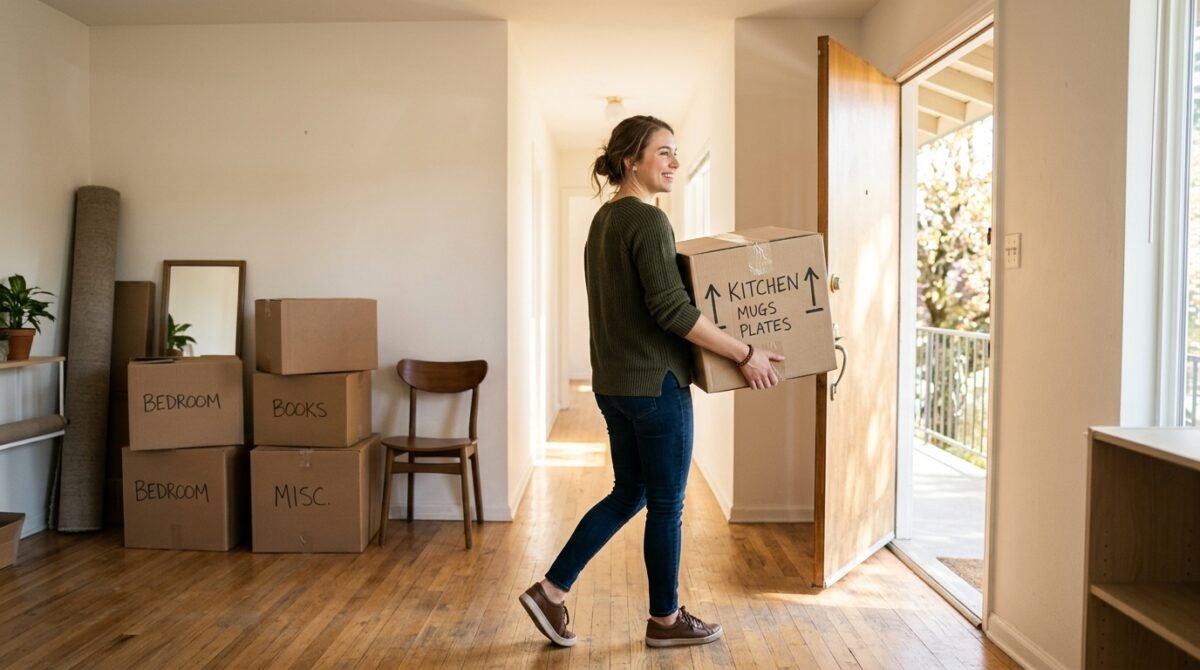
Moving out turned out to be less of a tragedy and more of a practical exercise in reclaiming my identity. I started by separating my bank accounts, which was surprisingly easy once I stopped fearing his reaction. I moved my kiln—the source of so much ‘financial ruin’—to a small, rented workshop space a few miles away. The cost of the rent was actually less than the stress of dealing with his accusations, and for the first time, I could fire my pieces without feeling like I was committing a crime.
The process of dividing our household items was tedious. We had bought so much together over the years, and it was hard to untangle who owned what. There were the arguments over the furniture, the kitchenware, and even the cat. Every item became a negotiation, a painful reminder of how much we had shared and how quickly it had all dissolved. But with each item that went into a box, I felt lighter.
Mark was, predictably, difficult during the whole ordeal. He tried to hold onto certain things, claiming they were ‘his’ because he paid for them, even when we had both used them for years. He tried to guilt-trip me, telling me that I was ‘ruining’ the home we had built. It was a last-ditch effort to make me feel responsible for the failure of the relationship, a tactic I was now well-prepared for.
“You’re taking everything, Sarah. You’re leaving me with nothing, and you’re doing it just because you wanted to play with your clay in a studio. I hope the kiln was worth it.”
— Mark, during the final packing day
I didn’t argue. I just kept packing. The irony wasn’t lost on me: he had spent months trying to push me out of the home with his complaints about the kiln, and now that I was actually leaving, he was using it as a reason to play the victim. It was the ultimate display of his inability to take accountability for his own behavior.
By the time I drove away from the house for the final time, I felt a profound sense of peace. I had a new apartment, a new studio space, and a life that was finally, entirely my own. The gas bill, the spreadsheet, the group chat—it all felt like a distant, slightly ridiculous memory. I had survived, and I had learned that my independence was worth far more than any relationship that required me to give it up.
I started my first firing in the new studio the following weekend. The air was cool, the space was quiet, and for the first time in a long time, I could focus entirely on the work. No one was watching the meter, no one was checking the weather report, and no one was demanding an account of my ‘luxury’ expenses. I was free.
The Aftermath: Rebuilding and Redefining

Life in the aftermath has been surprisingly transformative. I’ve found that when you remove a constant source of stress and judgment, your entire perspective on life changes. I’m more productive in my studio, I’m more confident in my financial decisions, and I’ve built a new circle of friends who support my passion rather than viewing it as a burden. It’s amazing how much energy you have when you aren’t wasting it on someone else’s insecurity.
I still think about the relationship sometimes, but the anger has faded, replaced by a quiet sense of curiosity. Why did it have to be that way? Why couldn’t he just be happy for me? I’ve realized that the answers don’t really matter. What matters is that I didn’t stay. I didn’t sacrifice my happiness to save a relationship that was built on a foundation of control. I chose myself, and that was the right choice.
I’ve also started doing more community outreach with my pottery. I host workshops for beginners, teaching them how to work with clay and how to find their own creative voice. It’s been incredibly rewarding to see others find the same joy in the medium that I have. And I’ve made sure to emphasize the importance of financial independence in every relationship, teaching my students that your hobbies and passions are not things to be hidden or apologized for.
“Don’t ever let someone else tell you that your passion is an expense you can’t afford. If they can’t support your growth, they don’t deserve to be a part of your life. Your art is your own.”
— My advice to a student during a recent workshop
The financial side of my life is also in a much better place. I’ve set up a system where I keep my business and personal finances strictly separate, and I’ve never been more stable. I treat my kiln usage as a business expense, just like I should have from the start. It’s not about avoiding the cost; it’s about having the freedom to own it.
Looking back, I’m grateful for the experience. It was painful, yes, but it was also the catalyst for a level of personal growth I never would have achieved otherwise. I’ve learned to set boundaries, to trust my instincts, and to prioritize my own happiness. And I’ve learned that sometimes, the best way to move forward is to let go of the things—and the people—that are holding you back.
I’m finally at a point where I can look at my work and not see the drama, not see the gas bills, and not see the resentment. I just see the clay, the fire, and the possibilities. And that, in itself, is worth every single penny.
Reflections on Financial Entitlement
Financial entitlement is a silent poison in relationships. It often starts small—a comment here, a critique there—but it can quickly grow into a destructive force that ruins trust and intimacy. It’s not just about money; it’s about the underlying belief that one person’s needs and desires are more important than the other’s. When that belief takes root, every expense becomes a battleground, and every hobby becomes a potential point of contention.
I’ve realized that the ‘gas bill’ was never the issue. It was just the manifestation of a much deeper, more fundamental difference in how we viewed our partnership. Mark viewed the relationship as a competition for resources, while I viewed it as a collaborative effort to build a life together. We were never on the same page, and the kiln was just the first thing that highlighted that disconnect.
The danger, I think, is in how easily we excuse this behavior in the name of ‘fairness’ or ‘practicality.’ We tell ourselves that we’re being ‘reasonable’ by listening to our partner’s complaints, even when those complaints are clearly rooted in insecurity or control. We try to compromise, but in doing so, we often compromise our own autonomy and self-worth. It’s a slippery slope, and it’s one that I’m glad I stepped off.
“True partnership requires mutual respect for each other’s individuality. If one partner views the other’s success or hobby as a drain, they aren’t looking for a partner; they are looking for a follower. Don’t mistake control for care.”
— A thought from my personal journal
I’ve also learned that talking about finances in a relationship shouldn’t be a source of stress. It should be a source of stability. When you can talk about money openly, honestly, and without judgment, it creates a sense of safety that is essential for a healthy relationship. If money is always an argument, then the problem isn’t the budget; it’s the lack of trust.
Moving forward, I’m going to be much more vigilant about these kinds of dynamics. I’ve realized that I need to be with someone who celebrates my passions, not someone who tries to measure them in kilowatt-hours. I’m looking for someone who understands that my work is an extension of who I am, and who is willing to share in the joy of that, rather than just the cost.
It’s been a hard lesson, but it’s one I’m grateful for. I’m stronger, more independent, and more clear-eyed than I’ve ever been. And I have my art, which is more beautiful than ever. That’s a trade I’d make again in a heartbeat.
Lessons Learned from the Kiln Crisis
If there’s one thing I’ve learned, it’s that your boundaries are your most valuable asset. In a relationship, it is easy to let them blur, especially when you are trying to be ‘accommodating’ or ‘fair.’ But when those boundaries are crossed, it can lead to a sense of resentment that is almost impossible to heal. I had to learn the hard way that saying ‘no’ is not an act of selfishness; it’s an act of self-preservation.
I’ve also learned the importance of having your own space—both physical and financial. Having a studio where I can be myself, away from the expectations and pressures of my personal life, has been a game-changer. It’s given me a sanctuary, a place where I can be free to create, to fail, and to succeed, all on my own terms. It’s a level of autonomy that I never want to give up again.
And I’ve learned that it’s okay to be ‘difficult’ if it means standing up for yourself. We are often socialized to be ‘easygoing’ and to avoid conflict at all costs, but sometimes, conflict is the only way to expose the truth. I don’t regret the arguments; I regret that I didn’t have them sooner. I regret that I let things slide for so long, hoping that things would just ‘get better’ on their own.
“Never apologize for your independence. If someone sees your pursuit of happiness as a burden, it is a reflection of their own limitations, not yours. Stand tall, trust your gut, and never, ever let someone dictate the terms of your life.”
— My message to anyone currently facing a similar dilemma
I’m also more aware of the signs of financial abuse, even in its subtler forms. The spreadsheet, the constant monitoring, the group chat manipulation—they were all red flags that I ignored because I wanted to believe the best in him. Now, I see them for what they were: attempts to limit my independence and gain control over my life. And I know that if I see them again, I won’t ignore them.
I’ve reached a point where I’m genuinely happy, not just ‘okay.’ I’m doing work I love, I’m living in a space that feels like mine, and I’m surrounded by people who support me. The kiln is firing, the pots are coming out beautiful, and I’m finally at peace. It’s a good place to be.
So, to everyone who is currently struggling with a partner who doesn’t respect their passion or their independence: you are not alone. You have the right to your own life, your own hobbies, and your own money. Don’t let anyone convince you otherwise. Your art is yours, and your life is yours. And that is a beautiful, precious thing.
Conclusion
This story of the kiln and the gas bill was never truly about utility usage; it was a snapshot of a deeper, more profound struggle for agency. When we enter into partnerships, we often merge our lives in a way that makes it difficult to distinguish where one person ends and the other begins. However, this is precisely when the need for clear boundaries, mutual respect, and financial transparency becomes most critical. My journey taught me that true partnership is not about conformity or sacrifice, but about supporting one another’s growth, even—and especially—when that growth involves an electric kiln, a messy studio, or a financial contribution that isn’t quite as ‘fair’ as someone else’s spreadsheet suggests.
I’ve found my footing, not by returning to the life I had, but by stepping into a version of myself that is unburdened by the need for someone else’s approval. The kiln still draws amperage, but I no longer feel the weight of that draw in my personal life. I hope this narrative encourages you to audit your own relationships—not with a spreadsheet, but with the honest questions that truly matter: Do you feel free? Are you supported? And, most importantly, is your independence something that is celebrated or something that is constantly under threat?
What is your take on the great ‘gas bill’ debate?
Have you ever had a partner attempt to pathologize your hobbies as a financial burden? Or perhaps you’ve been on the other side of a budget dispute and learned a hard lesson about communication? Share your stories below—let’s keep the conversation going about what it really means to maintain autonomy while sharing a life with someone else.
What's your verdict on this dilemma?
Vote below to contribute to the official community consensus.

Have a Dilemma Keeping You Up at Night?
Share your real-life feud, wedding chaos, or relationship crossroads anonymously with our editorial team.
What do you think ?
0 Comments🛡️ Comments are moderated to protect community integrity. Your comment will appear once approved by the editorial team.