

We all have that one friend who is ‘creative.’ When Sarah first moved in, she was a quiet graphic designer with a penchant for house plants and a respectful attitude toward our common areas. The lease was simple: two bedrooms, a shared living room, and a split utility bill. It was the quintessential urban living arrangement—predictable, boring, and stable. But that stability evaporated the moment she discovered ‘ceramic expression’ during a weekend workshop.
It started innocently enough. A small bag of clay on the dining table, a few handmade mugs that looked like they were molded by a toddler. I laughed it off. We all have hobbies, right? But within six weeks, the living room had become something else entirely. It was no longer a place to watch television or host friends; it was a factory. Kilns appeared, dust coated every surface, and the scent of wet, earthy clay permeated the drywall.
The moral dilemma started when the hobby crossed the threshold into a business. Sarah wasn’t just making cups; she was fulfilling Etsy orders. She was running a high-volume, unlicensed pottery business out of our communal living room. When I suggested that she needed to find a studio space or at least contribute more to the rent for occupying our shared square footage, she looked at me like I had insulted her artistic integrity.
This isn’t just a story about a messy roommate. It’s a story about the intersection of entitlement and property rights. It’s about the gaslighting that occurs when someone decides their passion project is more important than your right to a functioning home. By the time I walked into the clerk’s office to file the paperwork, the air in our living room was so thick with silica dust I was coughing in my sleep. This is the timeline of how a quiet apartment turned into a legal battlefield.
The Kiln In The Corner
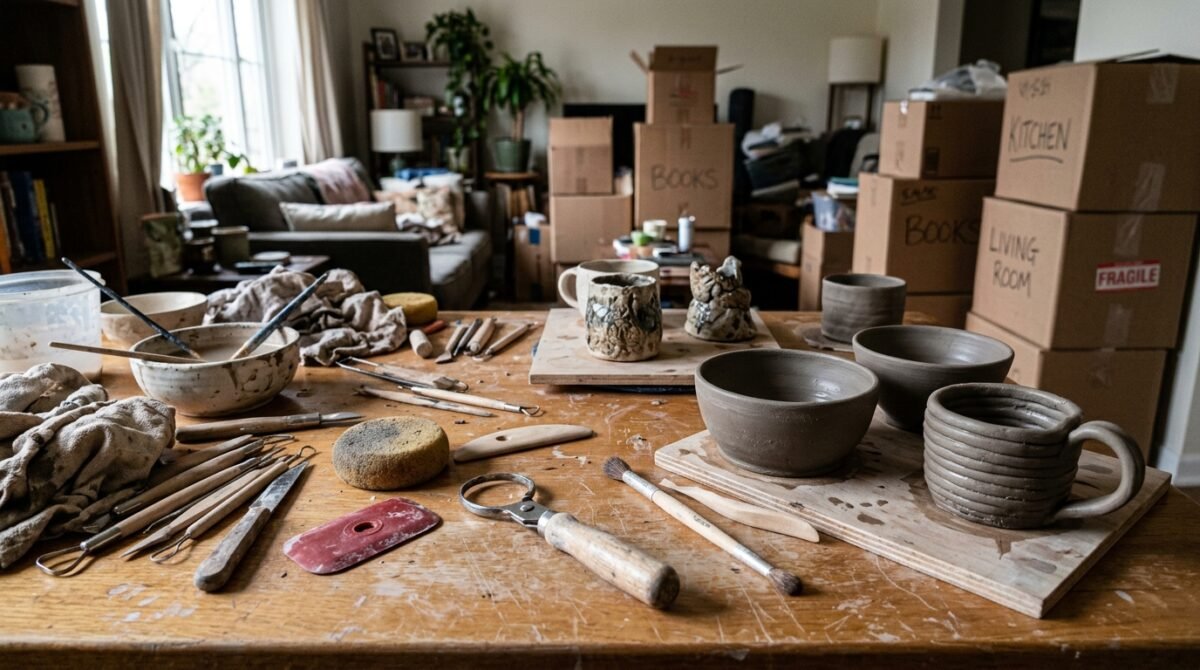
The first sign of trouble was the humming noise. It was a low, persistent vibration that seemed to emanate from the living room floorboards at two in the morning. I stepped out of my bedroom, half-asleep, only to find the dining table covered in newspaper and half-formed vases. Sarah was standing over a portable electric wheel, her face smeared with gray sludge, looking frantic.
I didn’t want to be the ‘fun killer.’ I walked to the kitchen to get a glass of water, trying to ignore the way the floor felt gritty under my bare feet. But the dust was everywhere. It was on the sofa, on the bookshelf, and most concerningly, it was settling on my laptop. I knew that clay dust, specifically silica, was a respiratory hazard, but I tried to give her the benefit of the doubt.
The next day, I brought it up over coffee. I kept my tone soft, trying to be the supportive roommate who understood the need for creative outlets. She looked at me, defensive, as if I were attacking her soul. She claimed the mess was temporary, a ‘sprint’ to get an order out for a local craft fair. I believed her, which turned out to be my first mistake.
“It’s just for the weekend, okay? I have this massive wholesale order for a boutique in the city. Can’t you just be happy for me instead of acting like the landlord?”
— Sarah, during our first confrontation
The ‘weekend’ turned into a month. The craft fair came and went, but the wheel never moved. In fact, more equipment appeared. A large shelving unit was dragged in from the hallway, blocking the window and cutting off half the natural light to the living room. The apartment had become a warehouse, and my lease agreement felt like a ghost of a document that no longer applied to the reality of our living situation.
I started documenting the changes. I took photos of the clay spatters on the walls and the way the ventilation was being compromised. I wasn’t doing it out of malice yet; I was doing it because I felt like I was losing my mind, and I needed proof that I wasn’t just hallucinating the transformation of our home into an industrial site.
The Unlicensed Business Expansion
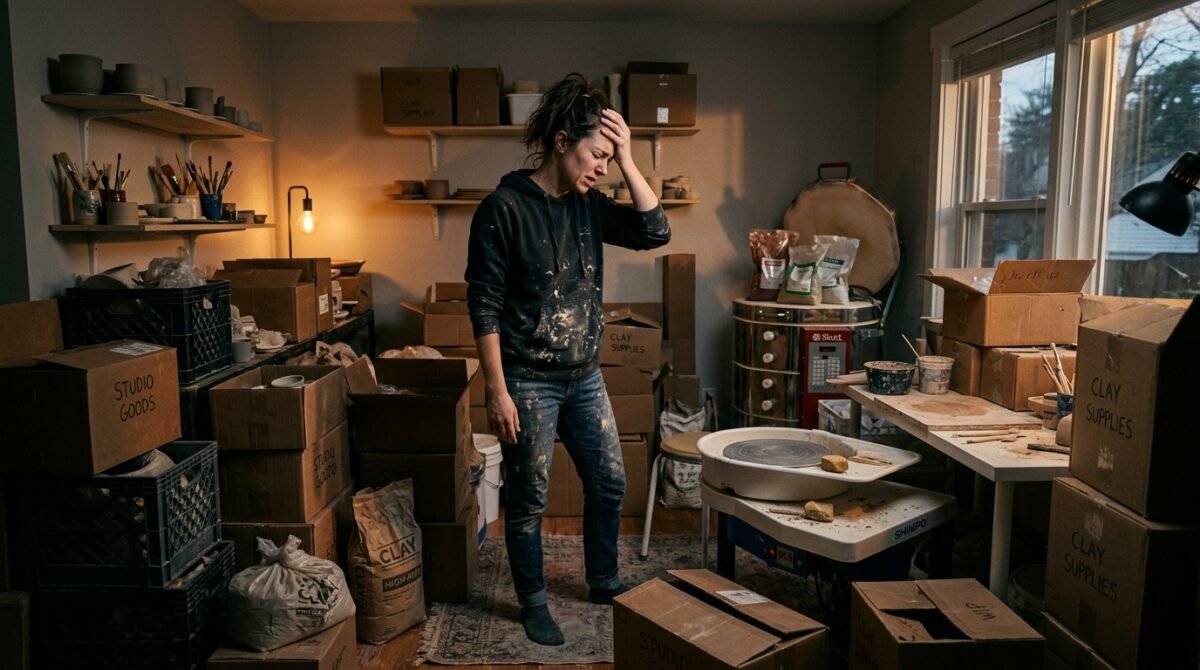
By the third month, the situation had escalated from ‘messy hobby’ to ‘full-scale commercial operation.’ Sarah had set up a ring light and a tripod, turning the corner of the living room into a content studio. She was filming TikTok videos of her throwing clay, which meant she was constantly talking to her phone, ignoring me, and treating the living room as if I were a guest in her factory.
The financial aspect was the most galling part. I discovered via a tag on one of her social media posts that she was selling these mugs for sixty dollars each. She was churning out dozens of them a week. She wasn’t paying for the massive increase in electricity usage, and she certainly wasn’t paying for the professional cleaning service I had to hire twice just to keep the common areas livable.
I tried to have a rational conversation about the finances. I proposed a simple split: she pay an extra three hundred dollars a month to cover the utilities and the ‘rent’ for the commercial use of our living space. She laughed at me. She told me that since she was the one ‘bringing energy’ into the apartment, she was actually doing me a favor by making it a more ‘vibrant’ space.
“You want me to pay rent for the living room? You’re so petty. This is art. You should be honored to live with a growing brand, not trying to tax my hustle.”
— Sarah, responding to my request for a rent increase
The gaslighting was masterful. She made me feel like I was the unsupportive, corporate-minded villain in her ‘journey.’ She pointed out that I worked a desk job and had no ‘passion’ for anything. It was a classic projection, meant to keep me quiet while she maximized her profits at the expense of my comfort and health.
I reached a breaking point when I woke up to find a heavy crate of wet clay sitting on my favorite armchair, ruining the fabric. When I confronted her, she didn’t even apologize. She just moved it to the floor and told me to be more careful where I sat. That was the moment I realized that talking was no longer an option. I needed a different kind of leverage.
The First Legal Threat
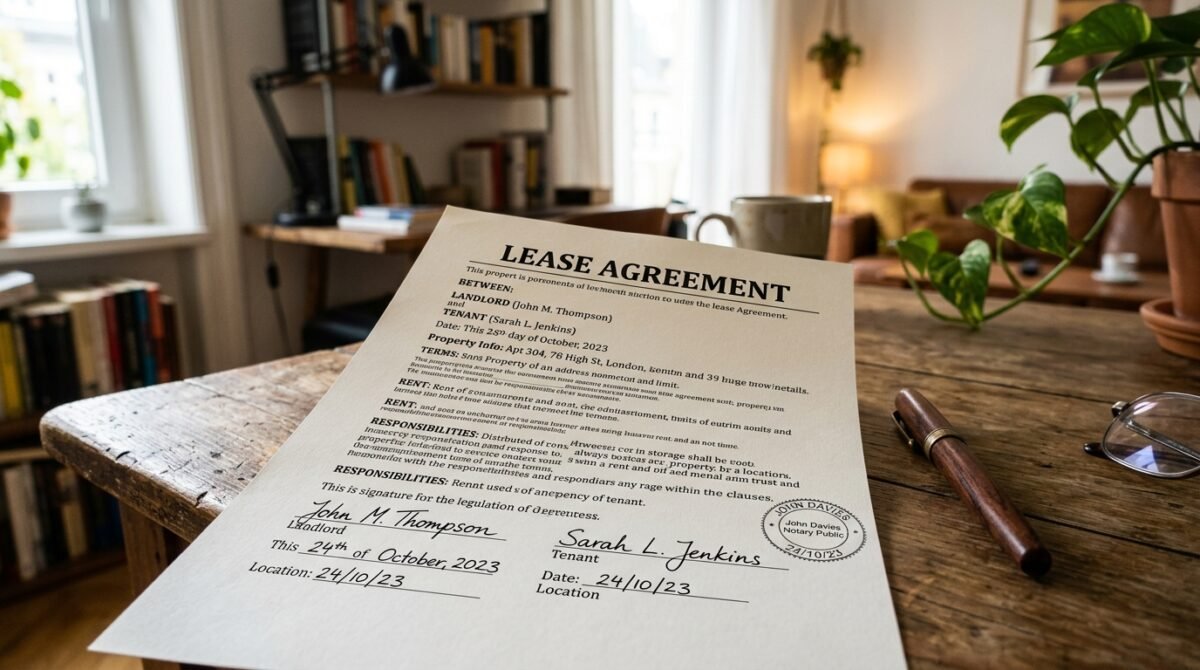
I didn’t go to a lawyer immediately. I went to the lease agreement. I scoured every line of that document. Our lease had a clause regarding ‘residential use only.’ Using the property for commercial manufacturing was a clear violation. I sent her an email, not a text, so there would be a formal record. I gave her 48 hours to vacate the living room of all business-related equipment.
The response was immediate and hostile. She didn’t reply by email; she stormed into my room, shouting. She told me that I was being ‘aggressive’ and that she would never move her stuff. She threatened to tell the landlord that I was the one who had caused damage to the floors, turning the table on me before I could even explain my position.
I realized then that she was not going to negotiate in good faith. I needed to document the commercial activity. I started keeping a log of when she was working, how many packages she was shipping out, and the constant traffic of delivery drivers picking up her ‘orders’ from our lobby. It was a full-blown small business operating in a two-bedroom apartment.
“If you continue to use the living room as a factory, I will be contacting the landlord and the city’s zoning board. You are operating an unlicensed business in a residential unit.”
— My email to Sarah
She thought I was bluffing. She truly believed that because we were friends—or at least, former friends—I wouldn’t actually burn the house down by involving legal authorities. She didn’t understand that I had reached a state of pure, cold detachment. The friendship had been dead for months; I was just waiting for the funeral.
I spent that night looking up small claims court procedures. I learned about ‘loss of use’ and how, if I was paying for half of the living room space but being denied access to it, I was essentially overpaying for my portion of the lease. It was a solid legal argument, and I was ready to make it.
The Escalation Of The Living Room War
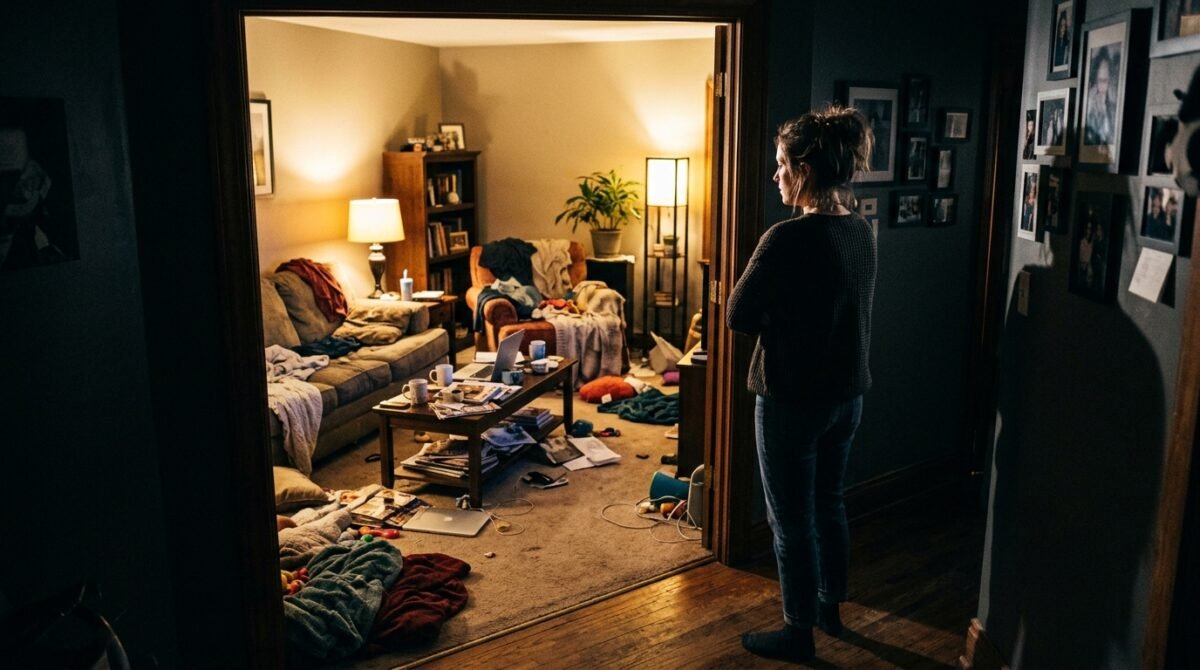
The next week was a psychological siege. Sarah began leaving the kiln on for hours at a time, making the apartment stiflingly hot. She would blast music while she worked, claiming it helped her ‘creative flow.’ I stopped using the kitchen entirely and started eating take-out in my room. The apartment felt like an occupied territory, and I was the resistance.
I noticed she started bringing in ‘assistants’—friends of hers who would come over to glaze pottery. They would take over the dining room table, leaving me nowhere to work or eat. When I would come out to get a coffee, they would look at me with annoyed glares, as if I were the intruder in my own home. It was surreal.
I decided to stop paying my share of the utilities and diverted that money into a savings account, documenting every cent. I informed her that I would be withholding my portion of the electric bill until she paid a ‘commercial usage fee’ to cover the massive spikes she was causing. She was furious, but she had no ground to stand on.
“You’re really going to be this petty over a utility bill? I’m building a future here. You’re just stagnating in your cubicle.”
— Sarah in the group kitchen
The tension was palpable. Every time we crossed paths, it felt like a bomb was about to go off. She started leaving notes on the fridge, complaining about the ‘negative energy’ I was bringing into the house. I ignored them, keeping my focus on the upcoming court filing. I had moved from being a roommate to being a litigant.
I reached out to the landlord, but I did it strategically. I didn’t want to get evicted myself, so I framed it as a ‘concern about potential fire hazards’ and ‘unauthorized commercial activity.’ The landlord sent a warning letter, which Sarah immediately tore up and threw in the trash. That was the evidence I needed: she was non-compliant, even after being warned by the property owner.
The Day Of The Summons
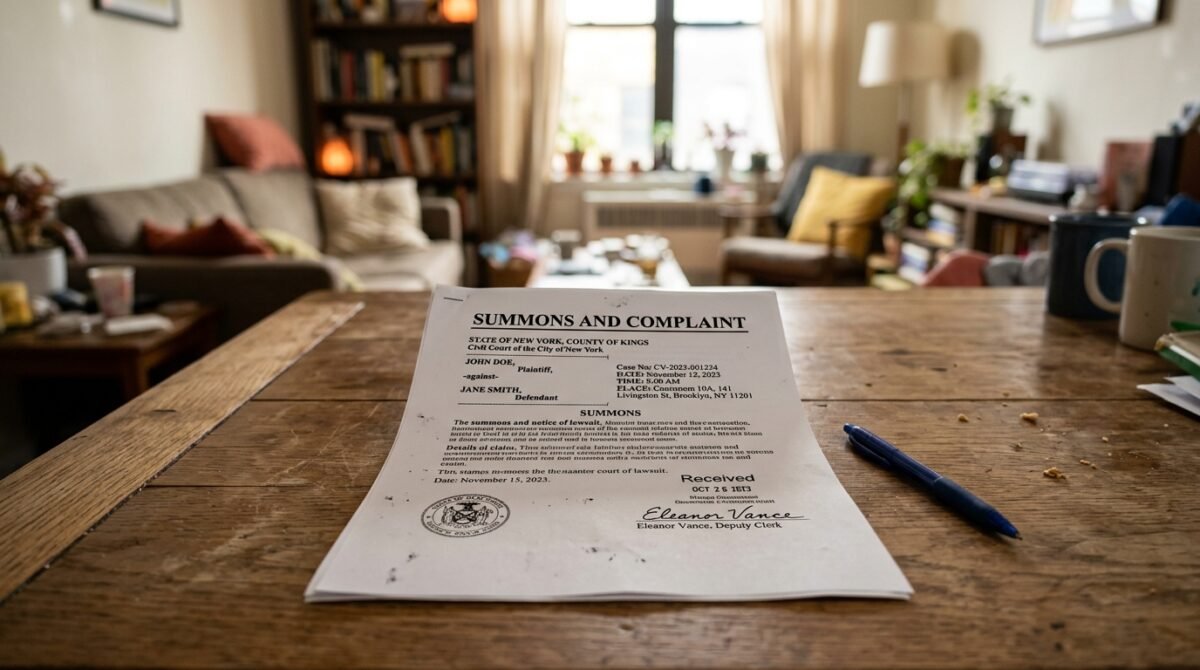
I finally served her the papers. I didn’t want to make a scene, so I had a professional process server do it while I was at work. When I came home, the apartment was silent. The wheel was turned off. The kiln was cold. Sarah was sitting on the sofa, clutching the court summons like it was a death warrant. The look on her face wasn’t one of anger—it was one of genuine shock.
She couldn’t believe I had actually gone through with it. She assumed that my threats were just empty posturing, a way to scare her into submission. But seeing the official seal of the court had a sobering effect. For the first time, she looked afraid. She asked me why I couldn’t just ‘talk it out,’ as if we hadn’t been talking for months.
I told her it was too late for talk. I told her that I had been paying for a home, and she had provided a factory. I was suing for the prorated rent I had paid for a living room I couldn’t use, plus the damages to my furniture and the increased utility costs. It was a strong, documentable claim. I had photos, I had the utility bills, and I had the log of her commercial activity.
“You have exactly thirty days to vacate the premises or I will pursue the full amount in court, along with legal fees. I’m done living in a dust factory.”
— Me, delivering my final ultimatum
The atmosphere shifted. She stopped the manufacturing immediately. The equipment started to disappear, one box at a time. It felt like watching a slow-motion eviction. She didn’t speak to me, and I didn’t speak to her. The silence in the apartment was deafening, but it was a much better alternative to the constant noise of the kiln and her TikTok streams.
She tried to reach out to our mutual friends, painting me as the ‘abusive roommate’ who was trying to crush her small business. Some of them bought it, but most of them knew me well enough to know I wasn’t the type to cause drama without a very good reason. Her narrative started to crack under the weight of the actual, documented facts.
The Reddit Community Weighs In
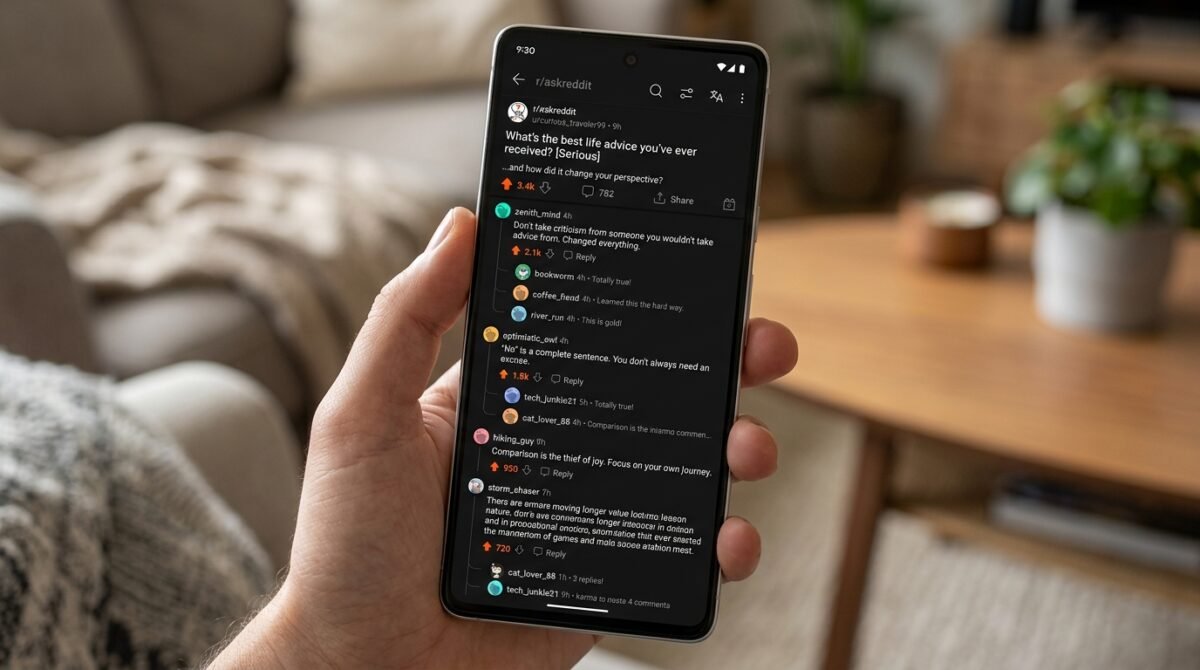
I posted my story on a popular forum to get a reality check. I needed to know if I was the asshole, or if I was justified. The response was overwhelming. Within hours, the post had thousands of upvotes and hundreds of comments. People were outraged by her behavior, specifically the entitlement of taking over a common area for commercial use.
The consensus was clear: I was in the right. Many commenters pointed out that she wasn’t just a bad roommate; she was a liability. The fire hazard alone was enough to get us both evicted, and the fact that she was selling goods without a business license meant she was essentially dragging me into her legal jeopardy. I felt a wave of validation wash over me.
“This isn’t about being a ‘creative.’ This is about a roommate who thinks your shared space is her personal warehouse. Taking her to small claims is the only way to get her to respect your boundaries, because clearly, she has no internal compass for them.”
— u/LegalEagleResident (Top Comment, 18.2k upvotes)
“I had a similar roommate who started a soap-making business. The lye fumes were so strong I had to move out. You are not the asshole for wanting to breathe in your own home. Sue her into the ground.”
— u/SoapScrubTrouble (4.5k upvotes)
The comments gave me the strength to follow through with the lawsuit. It’s easy to feel guilty when someone is constantly telling you that you’re the problem, but reading the perspectives of strangers who had been through similar situations reminded me that boundaries are essential. I wasn’t being ‘petty’; I was protecting my health and my financial stability.
Some commenters even warned me about the potential for her to retaliate by damaging my property. I started keeping all my valuables in my bedroom and locked the door whenever I left. It was a paranoid way to live, but at that point, I trusted nothing. The community support was the emotional anchor I needed to stay the course.
The Courtroom Confrontation

When the day of the hearing finally arrived, I was nervous. I had my binder of evidence—photos, utility bills, copies of the lease, and a timeline of events. Sarah showed up with no representation and no evidence, just a frantic demeanor. She looked like she had been crying, but I didn’t feel any pity. I had lived through the stress she caused for months.
The judge was a no-nonsense woman who had clearly seen it all before. She looked at our paperwork, listened to my brief, concise explanation, and then turned to Sarah. Sarah tried to argue that it was ‘artistic expression’ and that I was ‘jealous of her success.’ The judge didn’t even blink. She cut her off immediately and asked about the commercial nature of the activity.
I presented the photos of the kiln, the stacks of inventory, and the social media screenshots of her selling the pottery. The judge looked at the lease agreement, specifically the ‘residential use’ clause, and it was over. The law was on my side. The judge didn’t care about ‘passion’ or ‘hustle’; she cared about contracts and liabilities.
“This is not an art studio. This is a commercial enterprise. Your roommate has a right to the space she pays for, and you have no right to convert it into a factory without consent. Judgment for the plaintiff.”
— The Judge at the Small Claims Hearing
The relief I felt was immense. I was awarded the prorated rent for the three months of ‘lost use’ and a portion of the utility bills. It wasn’t a life-changing amount of money, but it was the principle of the matter. I had proven that my time and my home had value, and that she couldn’t just walk over me because she thought she was special.
Sarah was visibly shaken. She tried to approach me after the hearing to ‘make amends,’ but I didn’t want to hear it. I just wanted to go home and enjoy my living room. The legal victory was the final period on a sentence I had been writing for a year. I walked out of that courthouse feeling like a massive weight had been lifted off my shoulders.
The Move Out

The weeks following the court case were the most uncomfortable of my life. Sarah had to pay the judgment, and she did so with a lot of resentment. She started packing her things to move out, which was the best possible outcome. I stayed out of her way, keeping my focus on my own life. The dynamic was completely broken; there was no ‘getting back to normal.’
One day, I came home to find she had finally moved the last of her equipment. The living room was empty. It was dusty and stained, and the walls were covered in clay smudges, but it was empty. I sat on the sofa for the first time in months, just enjoying the silence. I didn’t have to listen to the hum of a kiln or the sound of her talking to a tripod.
She left a note on the table, blaming me for her ‘failed business’ and claiming that I was the reason she never made it big. I read it and then threw it straight into the trash. It was the final attempt at manipulation, and it didn’t even land. I knew the truth, and more importantly, the court knew the truth. I was moving on.
“You really think you won, don’t you? You didn’t just ruin a business; you ruined a friendship. I hope you’re happy with your empty, quiet living room.”
— Sarah’s final note left on the kitchen counter
I hired a professional cleaning service to come in and deep-clean the entire apartment. They had to use special filters to get the silica dust out of the vents. It was expensive, but it was worth every penny. When I walked back into the living room the next day, it smelled like clean air for the first time in a year. It was a brand-new start.
I eventually found a new roommate—a quiet, professional person who respected boundaries and didn’t have any ‘passions’ that involved heavy machinery. It was a boring, stable, and peaceful arrangement. Exactly what I wanted. I learned that you don’t owe your peace to anyone, especially not to someone who refuses to respect your living space.
Lessons From The Clay War
Looking back at the whole situation, I realized that I had stayed in that toxic situation for far too long because I was afraid of conflict. I let her walk all over me because I wanted to be ‘nice.’ But being nice at the expense of your own mental health isn’t a virtue; it’s a weakness. I learned that setting boundaries early is the most important thing you can do.
I also learned about the importance of documentation. If I hadn’t taken those photos or kept those emails, I never would have won in court. In any conflict, whether it’s with a roommate, a landlord, or an employer, proof is your best friend. Don’t rely on memory; rely on records. That binder of evidence was the only reason I wasn’t still being gaslit.
I’ve become much more assertive in my personal and professional life. I don’t let people infringe on my space anymore. If someone starts to push a boundary, I address it immediately. It’s saved me a lot of trouble and heartache. The experience was painful, but it was also a masterclass in self-respect.
“People will treat you exactly how you allow them to treat you. If you show them that your boundaries are flexible, they will walk right through them. Keep your boundaries firm, and you’ll find that you attract people who respect them.”
— A piece of advice I read during the ordeal
I still see Sarah’s posts on social media sometimes. She’s moved on to another ‘passion’—something involving candles now. I wish her the best, but I’m glad she’s doing it in someone else’s apartment. I’ve reached a point where I don’t feel anger toward her anymore; I just feel relief that it’s over.
The pottery business was a metaphor for our friendship: messy, demanding, and ultimately, a disaster. I’m glad I walked away with my sanity and a clean living room. If you’re currently in a living situation that feels like a factory, take this as your sign to do something about it. Don’t wait for it to get worse.
Community Reflection: Where Is The Line?

The internet debate over my situation has continued long after I moved on. People still comment on my old posts, debating the nuances of shared spaces and the rights of the ‘entrepreneurial roommate.’ It’s interesting to see how split people are on the issue of side hustles in shared homes.
Some people think I was too hard on her, that I should have just helped her get a studio space. Others think I didn’t go far enough, that I should have reported her to the city for tax evasion as well. The spectrum of opinion is wide, but it all comes down to the same fundamental question: what do we owe our roommates in terms of space?
“There is a difference between a hobby and a business. A hobby stays in your room. A business takes over the house. She wasn’t just a roommate; she was an uninvited landlord charging you for the privilege of living in her factory.”
— u/RoommateRefugee (8.2k upvotes)
“I think you were both in the wrong. You should have moved out as soon as the kiln arrived. Why stay in a situation that you know is going to make you miserable?”
— u/DevilAdvocateRoom (1.2k upvotes)
I agree with some of these perspectives. In hindsight, yes, I should have pushed back harder, sooner. But we all have our thresholds. I learned that mine is higher than I thought, but it’s not limitless. The debate continues, and I hope that by sharing my story, I’ve helped a few other people set their own boundaries.
So, where is the line for you? Would you allow a roommate to start a business in your living room? At what point does ‘supporting their dreams’ become ‘sacrificing your own home’? Let me know in the comments. I’m curious to see how many other ‘pottery factories’ are out there.
Conclusion
Reflecting on this ordeal, I realize that the most important thing I gained wasn’t the settlement money—it was the realization that I am the curator of my own environment. We often feel obligated to accept the ‘hustle culture’ that permeates our society, but when that hustle bleeds into the sanctity of our personal lives, we have the right to push back.
Boundaries aren’t about being mean; they are about preservation. By taking her to court, I wasn’t trying to destroy her business; I was trying to reclaim my home. It was a hard lesson to learn, but one that has fundamentally changed the way I interact with the world. I no longer feel the need to justify my desire for a peaceful living space, and neither should you.
For those of you dealing with similar issues, know that you are not alone. Whether it’s a roommate who treats the kitchen like a laboratory, or a partner who thinks your time is theirs to spend, remember that you have the agency to decide what is acceptable. Don’t let someone else’s ‘passion’ dictate your standard of living.
What about you? Have you ever had a roommate who crossed the line from ‘quirky’ to ‘completely unreasonable’? How did you handle it? Let’s keep the conversation going in the comments below, and maybe we can help each other avoid these types of living disasters in the future.
What's your verdict on this dilemma?
Vote below to contribute to the official community consensus.

Have a Dilemma Keeping You Up at Night?
Share your real-life feud, wedding chaos, or relationship crossroads anonymously with our editorial team.
What do you think ?
0 Comments🛡️ Comments are moderated to protect community integrity. Your comment will appear once approved by the editorial team.