
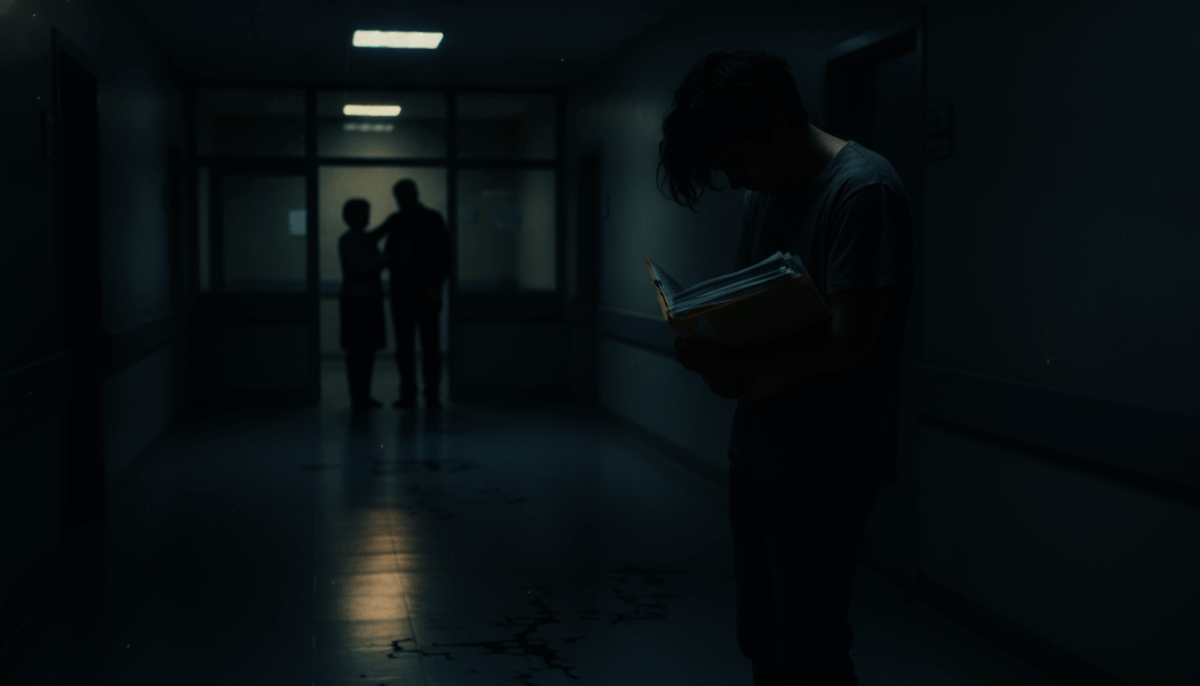
I have always lived my life as the ‘reliable one’—the daughter who graduated early, landed a stable career, and never asked for a dime. My parents, Sarah and Mark, cultivated this image of me, often boasting about my success to neighbors and friends. But behind the closed doors of our family life, that reliability was treated as an infinite resource to be tapped into whenever their own lives veered off course. I thought I knew the limits of their demands, but I was entirely unprepared for the day a stranger would arrive at the hospital, and my existence would be reduced to nothing more than a biological spare part.
It started with a frantic phone call on a Tuesday morning. My mother’s voice was uncharacteristically shaky, not with grief, but with a strange, performative desperation. She told me to meet them at St. Jude’s Medical Center immediately. There was no explanation, only the chilling command that it was a ‘family emergency of the highest order.’ I drove there in a panic, imagining car accidents or sudden cardiac events, my heart hammering against my ribs as I navigated the parking garage. I didn’t realize that the emergency wasn’t one of life or death for my parents, but a crisis of convenience that they had already decided I would solve.
When I arrived, the atmosphere was thick with tension. My father was pacing the linoleum floors, his face flushed, while my mother sat in a plastic chair, twisting her wedding ring. They didn’t embrace me; they didn’t ask how my drive was. Instead, they led me to a private consultation room where a doctor stood waiting with a grim expression. It was there, in that sterile, fluorescent-lit box, that the veil was pulled back on a life I never knew they had kept from me. They had a son—my half-brother, Leo—and he was dying.
The moral weight they placed on my shoulders wasn’t just heavy; it was suffocating. My parents didn’t offer to get tested themselves. They didn’t look at their own health, their own compatibility, or their own histories. From the moment the doctor finished explaining the need for a transplant, their eyes turned to me with a predatory certainty. It wasn’t a request; it was an expectation. It was the moment I realized that, to them, I was never their daughter—I was a backup plan for a legacy I didn’t even know I was a part of.
The Stranger in Room 402
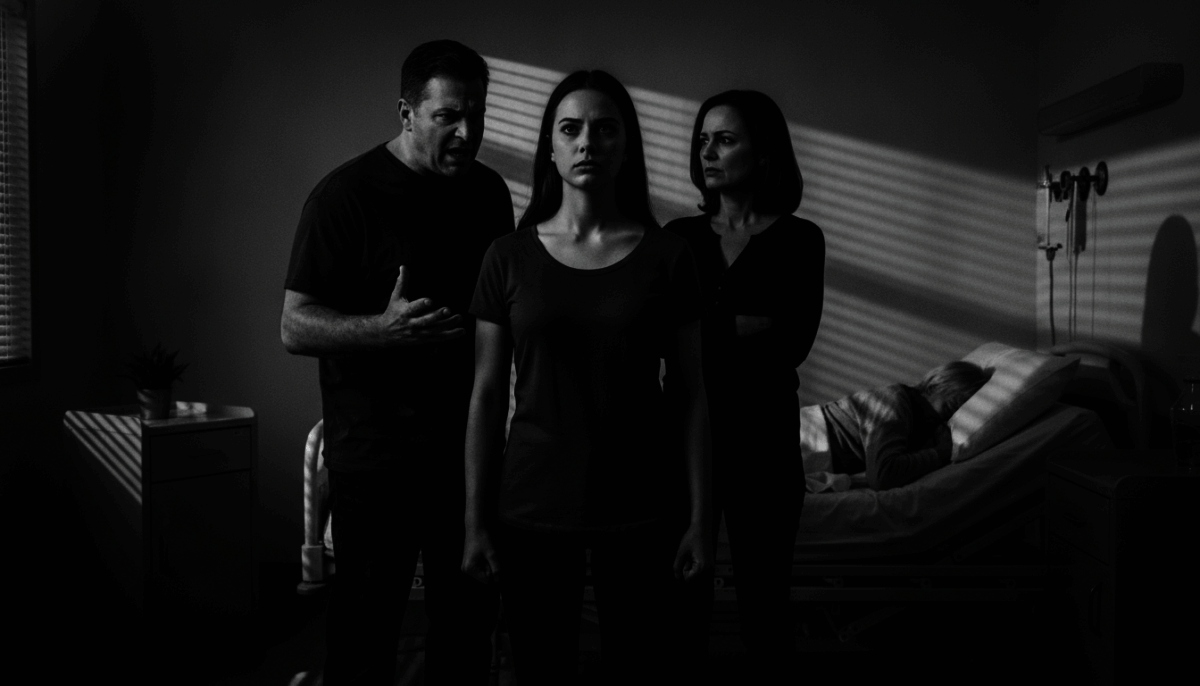
Walking into Room 402, I expected to see someone who looked like me. Instead, I saw a pale, gaunt man hooked up to a dialysis machine, his skin turned a shade of gray that signaled the body was shutting down. My father, Mark, didn’t introduce me as his daughter. He just gestured toward the bed and said, ‘This is Leo. He’s been on the waitlist for two years, and the doctors say his time is running out. You’re the only match we have left in the vicinity.’
I stood there, frozen, the smell of antiseptic burning my nostrils. I had never seen this man before in my life. I was an only child—or so I had been told for twenty-five years. The revelation hit me like a physical blow, not just because I had a brother, but because my parents had kept his existence a secret, only to reveal him when they needed my organs. The audacity of it was dizzying. I looked at my mother, hoping for some sign of maternal instinct, but she was busy checking her watch.
“We don’t have time for your shock, Clara. He’s your blood. He’s your brother. The testing is simple, and the recovery is manageable for someone your age. You’re being selfish by standing there silent when his life is on the line.”
— My Mother, Sarah
The doctor stepped in, attempting to maintain a professional demeanor, but the situation was already poisoned by my parents’ aggressive entitlement. He explained the procedure, the risks, and the fact that living donation is a major surgery. My father interrupted him repeatedly, focusing on the speed of the process rather than the medical reality. ‘How fast can she be cleared? Can we schedule the surgery for next week?’ he demanded, his voice echoing in the small room.
I felt a deep, hollow ache in my chest. I wasn’t being treated as a human being; I was being treated as a logistical solution. I looked over at Leo, who looked just as mortified as I felt. He didn’t want this. He looked at me, his eyes filled with shame, and whispered, ‘I never wanted them to drag you into this. I told them no.’ But my parents didn’t care what he wanted, and they certainly didn’t care what I wanted.
I turned to my father, my voice trembling but firm. ‘You haven’t been tested, have you? You’re his father. Why aren’t you the one on the table?’ The silence that followed was deafening. My father looked away, his jaw tightening. ‘I’m too old,’ he muttered, ‘and my blood pressure is too high. The doctors already told me I’m not a candidate.’ It was a convenient excuse, and I knew it was a lie, but in that moment, I realized that truth had no currency in this room.
The Refusal and the Fallout
I walked out of the hospital that day without committing to anything. I told them I needed to speak with my own doctor and digest the information. The drive home was a blur of tears and rage. How could they keep a secret of this magnitude for decades and then demand such a life-altering sacrifice from me? I felt violated. My body wasn’t my own in their eyes; it was communal property, managed by parents who hadn’t earned the right to make such demands.
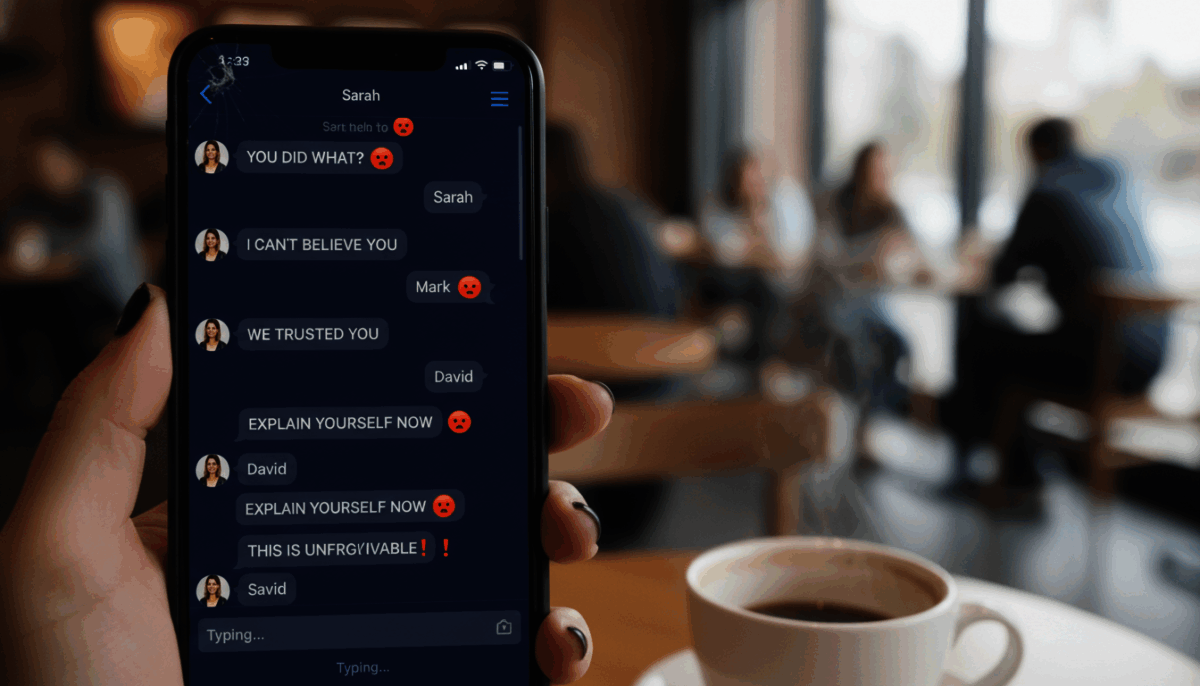
The next morning, my phone started buzzing at 6:00 AM. It wasn’t a call; it was a barrage of messages. They had already set up a group chat, inviting several aunts and uncles I hadn’t spoken to in years. The messages were a masterclass in emotional manipulation, painting me as a cold-hearted daughter who would let her own brother die for the sake of ‘inconvenience.’
“Clara is refusing to help her dying brother because she’s afraid of a scar. We are absolutely devastated by her selfishness. Please, everyone, reach out to her and help her see reason before it’s too late.”
— Family Group Chat / Sent by my Mother
I read through the messages, feeling my skin crawl. My aunt chimed in, saying, ‘Clara, honey, family comes first. Don’t be the reason Leo loses his life.’ It was a coordinated smear campaign designed to isolate me. They weren’t just asking for a kidney; they were demanding my total submission. If I said no, I would be the villain in the family narrative. If I said yes, I would be a donor, but I would lose my agency forever.
I called my mother, my voice steady for the first time. ‘I am not getting tested, and I am not donating,’ I told her. ‘You hid this man from me, and now you want to use me to fix your mistake. I am done being the solution to your problems.’ She started screaming, calling me names I hadn’t heard since childhood, but for the first time, it didn’t hurt. It sounded like the dying gasps of a control freak losing their grip.
I blocked the group chat, then the individual numbers. I spent the afternoon at a local cafe, writing out a timeline of my childhood, looking for other instances where I had been used or coerced. The patterns were everywhere. I had been the one to bail them out of debt in my early twenties, the one to host every holiday, the one to listen to their endless complaints. The kidney request wasn’t an anomaly; it was the inevitable conclusion of a lifetime of manipulation.
The Digital Jury
I knew I needed perspective, so I did what everyone in my generation does when the world feels like it’s ending: I posted to Reddit. I didn’t hold back. I detailed the medical demands, the secret half-sibling, and the way my parents were leveraging the family against me. I expected to be called heartless, but the response was immediate and overwhelming. Thousands of people, from all walks of life, stood in my corner, validating the rage I was too afraid to fully feel.
“NTA. Your body is not a spare parts bin for your parents’ failures. The fact that they didn’t even get tested themselves speaks volumes. They are using you as a pawn. Do not give in to the guilt trip. Block them and prioritize your own life.”
— u/SupportiveSoul (Top Comment, 32.4k upvotes)
The sheer volume of support was life-changing. People shared stories of medical coercion, of ‘golden children’ being used for resources, and of the freedom found in going no-contact. It felt like I was being initiated into a community of people who had survived the same kind of emotional predation. I read comment after comment, realizing that my parents’ behavior was not ‘normal’ or ‘expected’—it was abusive.
One comment, in particular, stood out. A former nurse explained the donor screening process, confirming my suspicions that there were many other routes for Leo to take, and that my parents were likely just looking for the ‘easiest’ path—which happened to be me. They didn’t want to deal with the complexities of the national transplant registry or the difficulty of finding a match; they wanted the daughter who would ‘do as she’s told.’
“They aren’t looking for a savior; they are looking for a shortcut. If you donate, you will become the ‘favorite’ only for as long as you are useful. Once the surgery is done, you will go right back to being the person they exploit. Keep your kidney, keep your freedom.”
— u/RealityCheck99 (15.2k upvotes)
I realized then that my parents had never really seen me. They saw my health, my stability, and my compliance. They didn’t see the woman who had spent years building a life they never contributed to. The validation from strangers gave me the armor I needed to face the next confrontation, which I knew was coming sooner or later. I wasn’t just fighting for my kidney; I was fighting for the right to exist apart from them.
The Unannounced Kitchen Intrusion
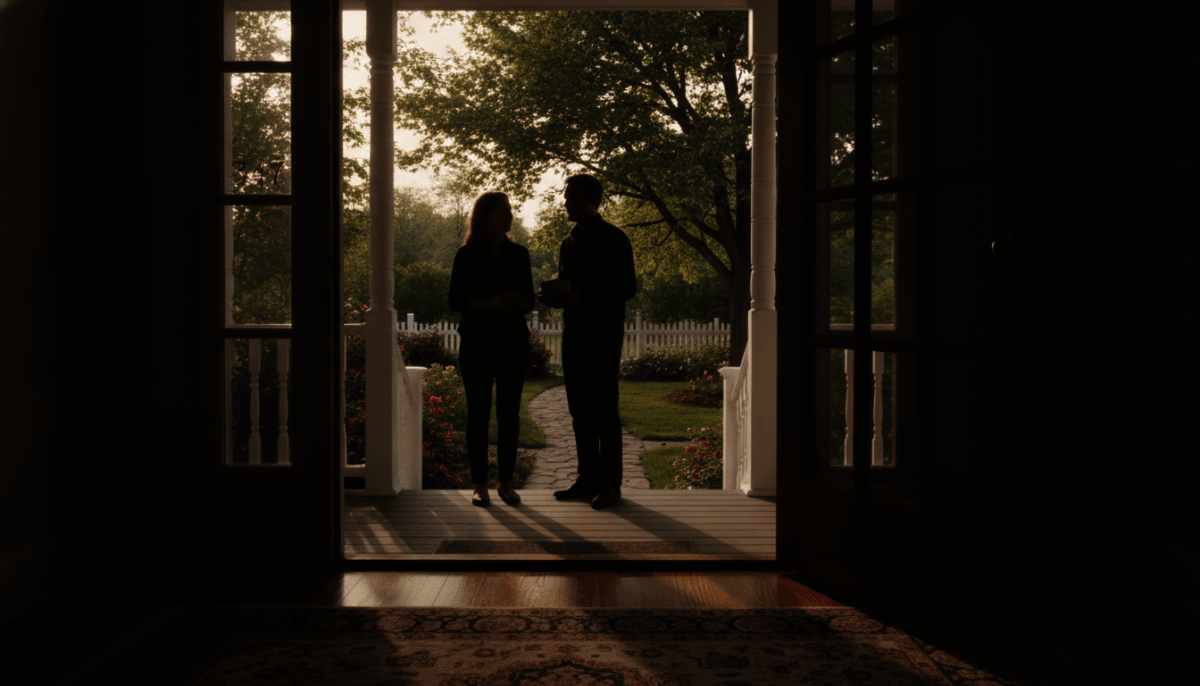
Two days later, my doorbell rang at 7:00 AM. I looked through the peephole and saw them—my parents, standing on my porch with looks of forced sweetness that didn’t reach their eyes. I didn’t open the door. I stood behind it, listening to them talk to each other as if I wasn’t there. ‘She’s probably sleeping,’ my mother whispered. ‘Let’s just wait. She’ll come around once she sees we’re serious.’
I didn’t open the door, but I did yell through the wood. ‘I know you’re there. Leave now, or I’m calling the police. I have nothing to say to you.’ My father’s voice, usually booming and authoritative, took on a pathetic, whining tone. ‘Clara, we just want to talk. We’re your parents! Can’t you show a little bit of grace in a time of crisis?’ The gaslighting was so thick I could practically feel it radiating off the doorframe.
“You haven’t been my parents for a long time. You’ve been my captors. If you don’t leave my property in the next sixty seconds, I am calling the police. This is not a negotiation, and your crisis is not my responsibility.”
— Me, shouted through the door
They didn’t leave immediately. They stood there for another ten minutes, knocking and calling out my name, playing the part of the ‘concerned, ignored parents.’ It was a performance for the neighbors, I’m sure. I stood in my hallway, trembling with adrenaline but refusing to budge. I held my phone in my hand, ready to hit dial on the emergency services, feeling the shift in power. For the first time in my life, I held the cards.
Eventually, the sound of their footsteps retreated. I watched through the window as they climbed into their car, my mother looking back at the house with a mix of fury and confusion. They were used to people folding under pressure. They weren’t used to the door being locked, or the boundary being absolute. I felt a sense of immense clarity—the kind that only comes when you finally stop trying to make toxic people understand your perspective.
After they left, I didn’t call the police, but I did document the incident. I took photos of their car, noted the time, and sent a detailed email to my parents, explicitly stating that they were unwelcome until they could respect my decision. It was the first time I had ever communicated with them in a way that wasn’t subservient. I was setting the terms of our engagement, and the weight of that responsibility felt lighter than the weight of their expectations.
The Legal Threat and the Reality Check
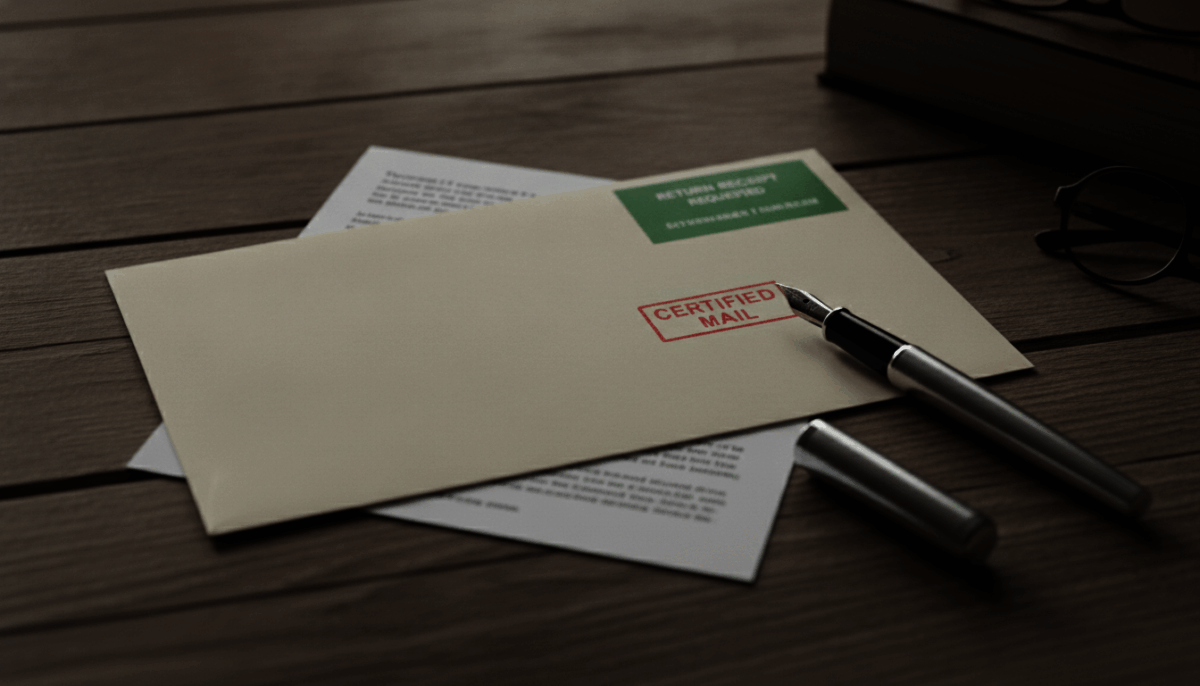
A week later, I received a certified letter. It was from a lawyer representing my parents. They were attempting to frame my refusal as a form of ‘negligence’ or some other legal nonsense, threatening me with ‘legal repercussions’ if I didn’t cooperate. I took the letter to a friend of mine who practiced law, and she laughed until she cried. ‘Clara, this is a joke. There is no legal mechanism in this country to force someone to donate an organ. They are just trying to bully you with official-looking stationery.’
The threat was a desperate move, a final attempt to leverage fear when their emotional manipulation had failed. I felt a strange sense of pity for them. They were so blinded by their own sense of entitlement that they were willing to spend money on lawyers just to try and force their daughter to undergo surgery. It was a level of dysfunction that was almost impressive in its scope. I decided not to respond to the letter at all. Silence, I was learning, was the most powerful response to their insanity.
“They are scared. They know they’ve lost their leverage, so they’re reaching for anything that looks like power. Ignore the letter. Don’t engage. Any response you give them will just be used as fuel for their narrative.”
— My lawyer friend
I focused on my work and my own life. I began to see the world differently. I started noticing other relationships in my life that had been subtly exploitative—friends who only called when they needed money, coworkers who dumped their workloads on me. I realized that my parents had trained me to accept this treatment, and it was time to unlearn it. The ‘reliable one’ was retiring.
I started attending therapy to unpack the years of conditioning. My therapist pointed out that my parents were likely narcissists who viewed their children as extensions of themselves. ‘You aren’t a daughter to them,’ she explained. ‘You are a tool. And when a tool stops working, they don’t fix it; they just replace it or try to break it so it can’t be used by anyone else.’ It was a painful realization, but it was the key to my healing.
I also started to worry about Leo, my half-brother. I didn’t hate him. I didn’t even know him. But I felt bad that he was being used as a pawn in my parents’ game. I decided to send him a anonymous message through a hospital social worker, just to let him know that he wasn’t the enemy, and that my boundary was about my parents’ behavior, not about him. I didn’t get a response, but I felt better knowing I had set the record straight.
The Sunday Dinner Silence
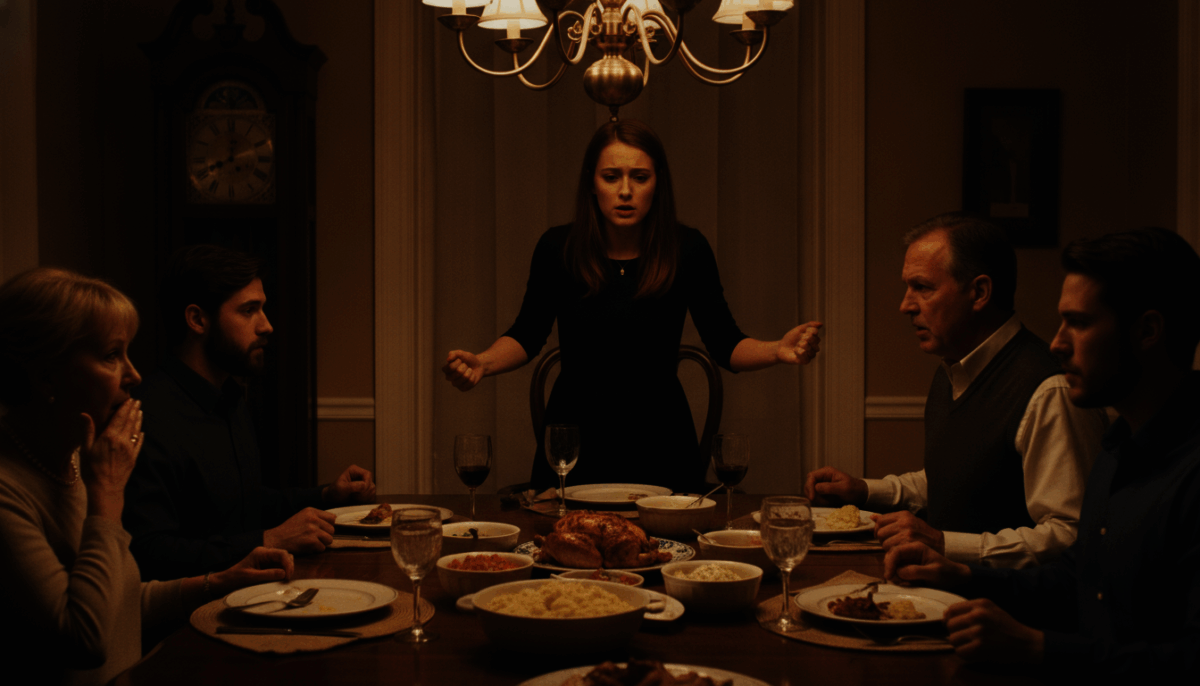
The final straw came a month later. My grandmother, who had been kept in the dark about the whole situation, invited the entire family to a Sunday dinner. I didn’t want to go, but I felt like I had to clear my name. When I walked into her house, the air was thick with tension. My parents were there, acting like martyrs, telling everyone about the ‘tragedy’ of my refusal. When I entered, the room went dead silent.
I sat down at the table, refusing to be intimidated. My father looked at me, his eyes cold. ‘I hope you’re happy,’ he said, loud enough for everyone to hear. ‘Leo is getting worse, and you’re just sitting there, living your life.’ I didn’t flinch. I looked at the entire table, at my aunts and uncles who had been messaging me, and I laid out the truth. I told them about the secret half-sibling, about the refusal to test, and about the legal threats.
“You’re talking about me being selfish? You hid a brother from me for twenty-five years and then demanded I give up my health because you didn’t want to deal with the medical system yourself. This isn’t about family; it’s about your inability to take responsibility for your own life.”
— Me, at the dinner table
The shock on their faces was palpable. They had only heard my parents’ side, and the reality was far more grotesque. My grandmother, who had always been the matriarch of the family, turned to my parents and asked, ‘Is this true? You didn’t even try to get tested?’ The look of betrayal on her face was worth every second of the last few months. My mother tried to interrupt, but my grandmother held up a hand. ‘Be quiet. I want to hear the rest of what she has to say.’
I walked them through everything. I didn’t yell; I just spoke the facts. I showed them the texts, I talked about the lawyer’s letter, and I explained how my parents had treated me like a disposable resource. As I spoke, I watched my family’s support for my parents evaporate. They were horrified—not by me, but by the extent of the manipulation. By the time I finished, my parents were sitting in a silence that was far more uncomfortable than the one I had faced earlier.
I didn’t stay for the meal. I stood up, looked at my parents, and said, ‘I think we’re done here.’ I walked out of the house, my grandmother following me to the door. She didn’t apologize for them, but she hugged me, and that was enough. I had reclaimed my narrative. I wasn’t the bad guy anymore; I was the person who had finally stood up to a lifetime of abuse. It was the most liberating feeling I had ever experienced.
The Aftermath of Radical Honesty
The fallout from that dinner was swift. My parents were ostracized by the rest of the family for their behavior, and they tried to reach out to me, but I remained steadfast. I had realized that there was no version of a relationship with them that didn’t involve me being a tool. They didn’t know how to relate to me as a person, and I had no interest in being a tool any longer. The distance I created was not just physical; it was emotional, a chasm I had no intention of bridging.
I went back to therapy, focusing on the future. I started to build a ‘chosen family’—friends who valued me for who I was, not for what I could do for them. I learned that boundaries are not just about what you say ‘no’ to; they are about what you say ‘yes’ to. I said yes to my own health, my own career, and my own happiness. I stopped being the person who was always available, always reliable, and always accommodating.
“Healing isn’t about forgiving them or forgetting what happened. It’s about building a life that is so full and so vibrant that their nonsense no longer has a place in it. You are the architect of your own peace.”
— My Therapist
I also heard through the grapevine that Leo had found a donor—a distant cousin on my father’s side who had decided to help. He recovered well, and I was genuinely happy for him. I didn’t hold any resentment toward him; he was just another victim of my parents’ dysfunction. I hoped he would find the space to heal, away from the influence of the people who had treated us both so poorly.
My parents are still trying to reach out, sending cards and gifts, hoping that if they act like everything is normal, it will eventually become normal. I don’t open the packages. I don’t read the cards. I have a life now, and it is a life that is entirely mine. I am no longer the daughter they expected; I am the person I had to become to survive them. And for the first time, that is enough.
I look back on the events of that year, and I see a pivot point. It was the year I lost my parents, but the year I found myself. I learned that blood is not always thicker than water, and that sometimes, the hardest thing you will ever do is the right thing. I am proud of the woman I am today—the one who said no, the one who stood her ground, and the one who chose herself over the expectations of people who never loved her.
Reflecting on the Cost of Survival

Looking back at the entire ordeal, the financial and emotional costs were staggering. I had spent thousands of dollars on therapy, lost touch with some relatives who chose to enable my parents, and had to completely overhaul my sense of self-worth. Yet, when I put a price on my freedom, it was the greatest bargain of my life. My parents viewed me through a transactional lens—my value was tied to my utility. By refusing to be useful, I was declaring that I had no price.
It is strange how society pressures us to prioritize ‘family’ at the expense of our own well-being. We are told to forgive, to sacrifice, to endure. But these tropes are often used to keep people trapped in abusive dynamics. My story became a cautionary tale for many in my circle, not because I was the villain, but because I was the one who broke the cycle. I had to become the ‘unreliable’ one to become a whole person.
“When you stop being their ‘reliable one,’ they will call you selfish. When you start being your own ‘reliable one,’ you will finally be free. Don’t let their definition of you become your reality.”
— A close friend’s advice
The hardest part of the process was the guilt. Even knowing I was in the right, there were nights where I questioned myself. Was I really that bad? Should I have just done it? But those thoughts were just the echo of my mother’s voice in my head. I had to learn to differentiate between my own moral compass and the one they had installed in me during childhood. I had to forgive myself for not being a saint.
I have learned that the capacity to say no is the most important skill in a world full of people who want to take. Whether it is a kidney, a loan, or your time, you are allowed to protect your resources. You are allowed to be selfish. You are allowed to prioritize your health over the desperate, selfish demands of those who never had your best interests at heart. That is the most important lesson I’ve ever learned.
I am now in a place where I can talk about this without the weight of the trauma dragging me down. I am no longer defined by the emergency in Room 402. I am defined by the choices I made afterward. I am defined by the woman who walked out of the dinner party and never looked back. I am finally, truly, my own person.
Conclusion
The story of my kidney and my parents’ betrayal is ultimately a story about the boundaries we draw to protect our humanity. When we are faced with unreasonable demands, we are not failing our family by saying no; we are succeeding at saving ourselves. The pressure to conform, to be the ‘good’ daughter, or to be the ‘selfless’ sibling is a weight that many of us carry, but it is a weight we are allowed to set down at any time.
I hope that in reading my story, you find the courage to evaluate the ‘obligations’ in your own life. Who is asking for your sacrifice? What is the cost of your compliance? And what would happen if you finally said no? It is a terrifying prospect, but it is also the only path to genuine autonomy. My journey wasn’t about a kidney; it was about the survival of my spirit in the face of those who wanted to consume it.
What about you? Have you ever had to walk away from a family expectation that felt like a trap? How did you deal with the guilt, and what were the consequences of your choice? Let’s talk about it in the comments below. Your stories matter, and your boundaries are valid.
What's your verdict on this dilemma?
Vote below to contribute to the official community consensus.

Have a Dilemma Keeping You Up at Night?
Share your real-life feud, wedding chaos, or relationship crossroads anonymously with our editorial team.
What do you think ?
0 Comments🛡️ Comments are moderated to protect community integrity. Your comment will appear once approved by the editorial team.