
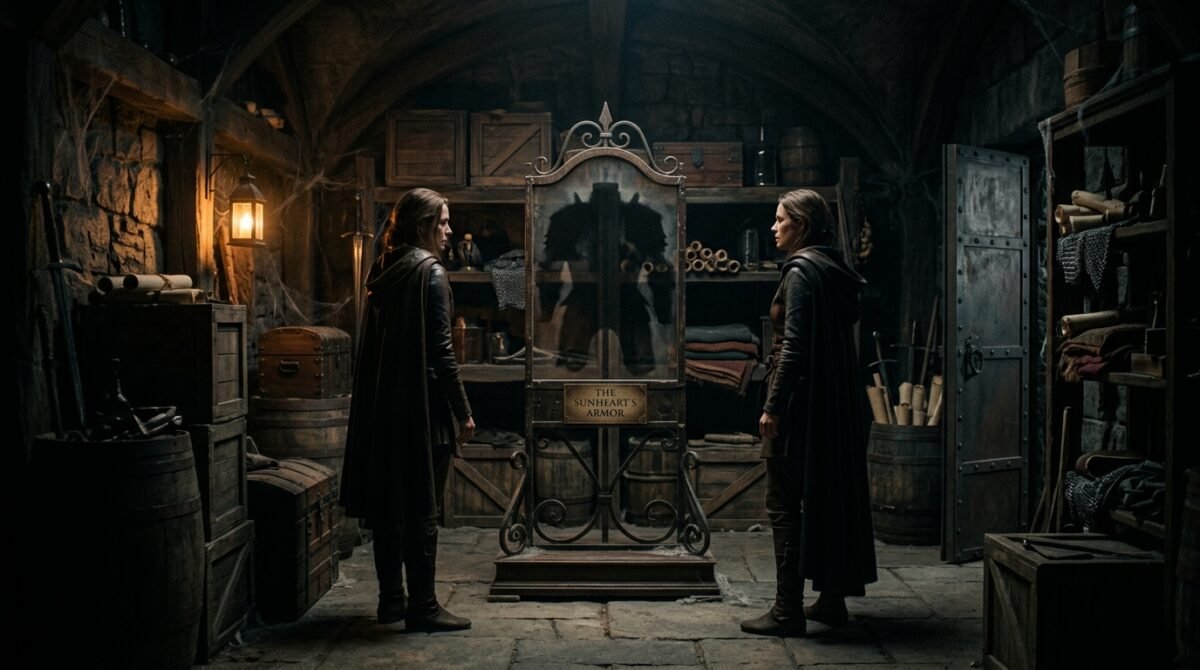
It wasn’t just metal and foam. It was three years of my life, two thousand hours of labor, and every spare cent I earned from my freelance design work poured into a project that was meant to be my masterpiece. My custom-made, hand-tooled suit of armor—modeled after a legendary fantasy knight—was the pinnacle of my cosplay career. I didn’t just wear it; I curated it, perfected it, and stored it in a secure, climate-controlled unit that only two people in the world had access to: myself and my best friend of ten years, Sarah.
We grew up together, navigated the treacherous waters of high school theater, and eventually found our niche in the competitive world of high-end cosplay. Sarah was my handler, my assistant, and the person who would stand by my side during the long, agonizing hours of contest judging. When I had to move across the country for a new job opportunity, it was Sarah who offered to keep my most valuable gear in her secure storage unit until I could find a permanent place. It was a gesture of love, or so I thought.
The betrayal didn’t come with a bang. It came with a notification. I was scrolling through a niche collector’s auction site, looking for rare materials, when a thumbnail caught my eye. It was my armor. Not a replica, not a look-alike, but my armor—complete with the distinct, hand-painted battle damage I’d spent weeks agonizing over. The seller was a user with a familiar, cryptic handle. My heart didn’t just stop; it fractured into a thousand pieces as the realization hit me with the force of a wrecking ball.
I reached out to Sarah, assuming there had been some horrific misunderstanding, a break-in at her unit, or a clerical error. But her responses, or lack thereof, told a story of desperation, entitlement, and a complete disregard for the boundaries that held our friendship together. I wasn’t just dealing with a theft; I was dealing with the systematic liquidation of my identity to pay off her mounting credit card debt. This is the story of how I took my former best friend to court for conversion, and why, in the end, some friendships aren’t worth the price of admission.
The Empty Locker and the $7,000 Silence

The realization didn’t sink in all at once. It was a slow, agonizing process of denial followed by an overwhelming surge of cold, calculating rage. I sat in my living room, my laptop screen illuminating the dark, staring at the high-resolution images of my armor being offered to the highest bidder. The listing description was nauseatingly cheerful, bragging about the ‘authentic craftsmanship’ and ‘custom fit’ of the piece. The starting bid was set at $3,500, a fraction of what I had invested, but a windfall for someone desperate to clear their balance.
I called Sarah immediately. Three times. Each time, the call went straight to voicemail. I sent a series of increasingly frantic texts, demanding to know how my armor ended up on an auction site. My hands were shaking so violently that I could barely type. I felt like I was losing my mind, caught in a fever dream where my past was being sold off by the person who knew exactly how much it meant to me.
Me: Sarah, why is my armor on the auction site? Tell me you didn’t touch my locker. Please, for the love of God, tell me this is a mistake.
— Sent at 11:42 PM
After an hour of silence, a single message pinged back. It was brief, cold, and dismissive. The audacity of her response hit me harder than the theft itself. She didn’t apologize. She didn’t offer an explanation. She tried to frame it as a favor, claiming the storage fees were unpaid and that I had ‘abandoned’ the property. It was a blatant lie, and she knew it.
Sarah: You haven’t paid the storage rent in months. I had to make a choice, and the stuff was just sitting there gathering dust. It’s not like you’re using it.
— Received at 12:50 AM
The irony was that I had sent her money every single month for the storage fees, money I had specifically earmarked for ‘Rent/Storage’ in our shared spreadsheet. I had the bank records, the confirmation emails, and the texts confirming she received the funds. The fact that she had been pocketing that money while letting me believe the unit was secure was the first domino to fall. I realized then that this wasn’t just a moment of weakness; it was a long-term, premeditated act of financial manipulation.
The Forensic Audit of a Friendship

That night, I didn’t sleep. I spent six hours pouring over three years of bank statements, text logs, and receipts. The pattern was devastatingly clear. Every time Sarah asked for a ‘loan’ or ‘help with utilities,’ it coincided perfectly with her credit card billing cycles. I had been subsidizing her lifestyle for years, thinking I was supporting a friend who was just having a rough patch. In reality, I was an ATM with a pulse, and I had been far too trusting to notice the patterns.
I contacted the auction site’s legal department, providing them with proof of ownership: photos of the build process, time-stamped videos, and even a notarized document from when I entered the armor in a major national competition. The site was surprisingly responsive. They immediately froze the auction and pulled the listing, but the damage was already done. The armor was still physically in her possession, and my legal rights to it were now a matter of debate.
I reached out to a local attorney who specialized in property disputes. His office was cold and minimalist, the perfect setting for the clinical dismantling of my life. He looked over my evidence, his expression unreadable. He told me that what Sarah had done was a textbook case of conversion—the act of taking another person’s property and exercising control over it as if it were one’s own. He explained that I had a very strong case, but that it would get ugly, public, and expensive.
“You need to decide if this is about the money or the principle. If it’s about the money, we settle. If it’s about the principle, we make her pay for every single hour you spent building that suit.”
— My Attorney
I didn’t hesitate. I didn’t want the money. I wanted to hold her accountable for the violation. The thought of her standing in my storage unit, carefully packing up my pride and joy to sell to the highest bidder to pay off her credit card bill, was a violation I couldn’t simply walk away from. I authorized the lawsuit.
The Legal Notice That Ruined Her Week
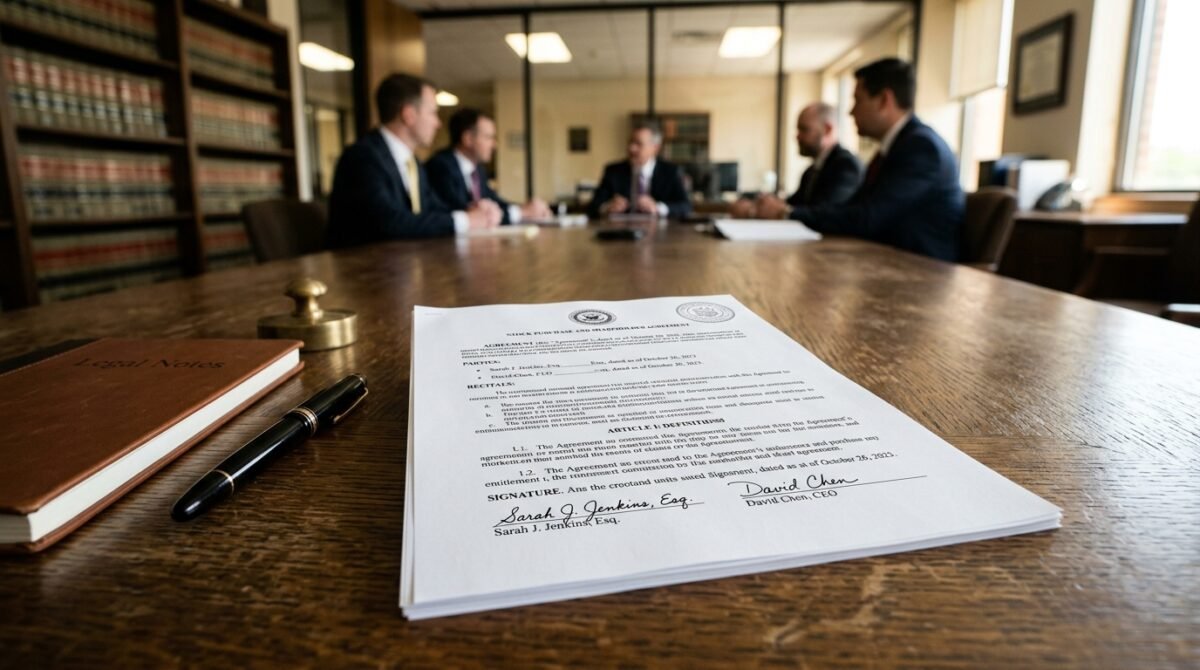
When the process server arrived at Sarah’s apartment, I wasn’t there. I had insisted on being updated via email. The notification arrived on a Tuesday morning. It was a formal document, cold and sterile, outlining the charges of conversion, breach of fiduciary duty, and conversion of funds. The look on her face, described to me by a mutual friend who happened to be there, was reportedly one of pure, unadulterated shock. She hadn’t expected me to fight back. She had counted on my passivity.
Sarah tried to play the victim immediately. She reached out to our mutual friend group, painting me as a vindictive, rich bully who was ‘suing her over some old toys.’ She played the ‘she has plenty of money, why is she doing this to me?’ card. It worked on some, but not on others. The ones who had seen the time and effort I put into my work knew better. The ones who saw the receipts knew better.
“I can’t believe she’s doing this. It’s just a suit of armor. I’m going through such a hard time right now, and she’s choosing to destroy me over something so petty.”
— Sarah in the group chat, leaked by a friend
The backlash in our social circle was swift and brutal. People I hadn’t spoken to in years were reaching out to me, offering evidence, screenshots of other things Sarah had ‘borrowed’ and never returned, and stories of similar manipulative behavior. It was validation that I wasn’t the crazy one. I wasn’t the one who had violated the most basic tenet of friendship. I was just the one who finally drew a line.
The legal process was a grind. Every deposition was a reminder of the years I had wasted on someone who viewed me as nothing more than a resource. Sarah’s lawyer tried to argue that I had abandoned the property, but the paper trail I had built—the constant payments for storage, the emails asking for updates—was airtight. The judge didn’t buy the ‘abandonment’ narrative for a second. The reality was that Sarah had gambled, she had lost, and she had tried to use my life’s work to cover her losses.
The Day in Court: A Reckoning
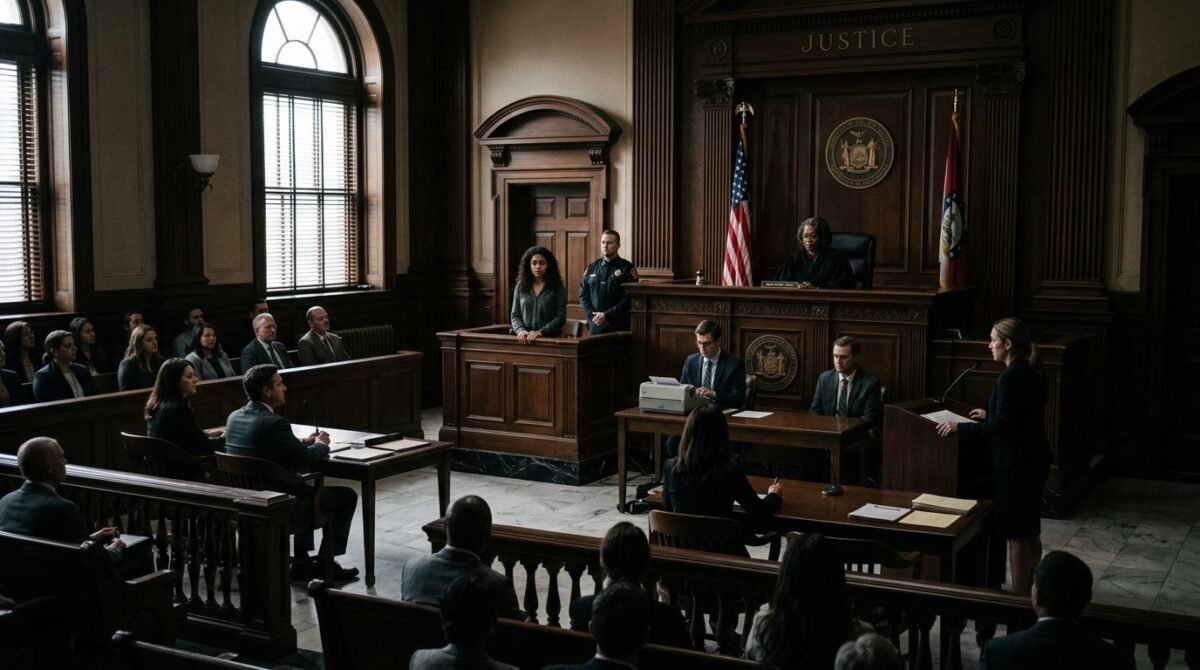
The courtroom was smaller than I expected. The smell of floor wax and stale coffee filled the room. When Sarah walked in, she didn’t look like the person I had shared years of memories with. She looked small, defensive, and desperate. She refused to make eye contact with me. My attorney handled the proceedings with a clinical precision that was almost hypnotic to watch. He systematically dismantled every excuse Sarah’s defense team threw at us.
When I took the stand, the weight of the last few months seemed to vanish. I recounted the years of work, the nights spent soldering metal, the days spent sewing intricate embroidery, the sacrifices I had made to make that armor a reality. I didn’t talk about the money. I talked about the labor. I talked about how my identity was inextricably linked to that work. For the first time, I think Sarah realized that this wasn’t about the cash value—it was about the piece of my soul she had tried to auction off.
“I didn’t just lose property that day. I lost the person I thought I knew for a decade. And the most painful part wasn’t the theft; it was the realization that my friendship was just a line item on her credit card statement.”
— My testimony on the stand
The judge was unimpressed by Sarah’s defense. She had no receipts to show that I had ‘abandoned’ the unit, no proof that she had ever attempted to contact me about moving the property, and the bank statements proved that she had been collecting money from me the entire time. It was an open-and-shut case of conversion. The judge ruled in my favor, ordering her not only to return the armor but to pay damages for the devaluation caused by her clumsy attempt to sell it.
Reddit Weighs In: The Verdict of the Internet
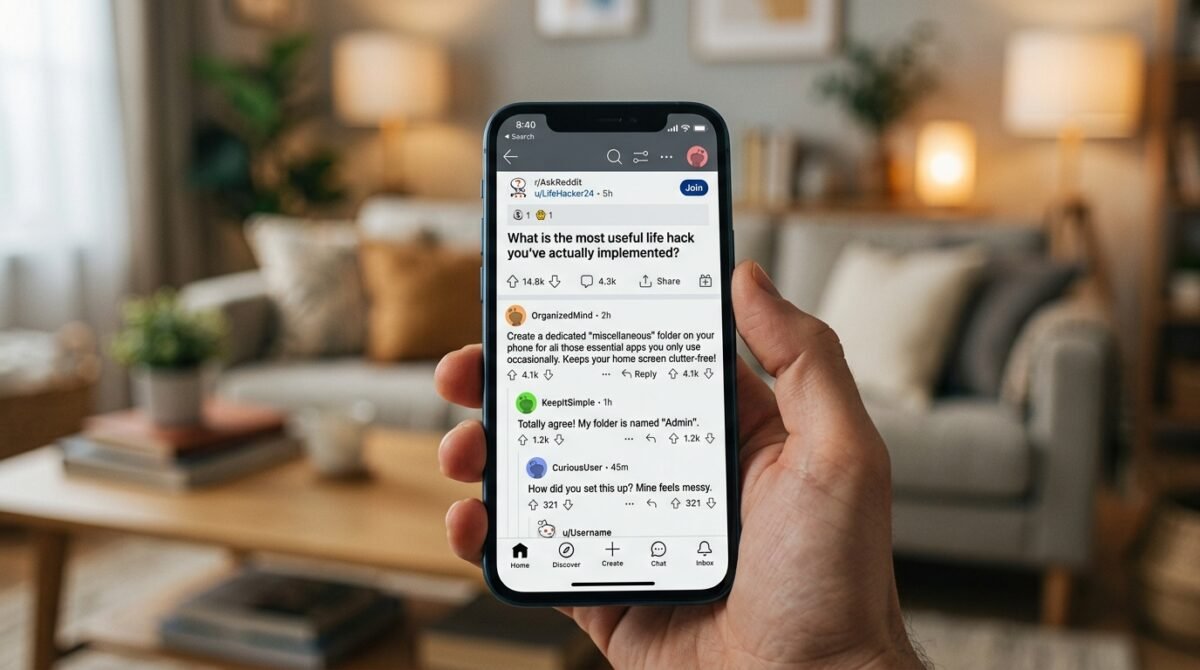
I posted about the situation on a popular subreddit shortly after the verdict. The response was overwhelming. Within hours, the thread had thousands of upvotes and comments. It was a mixture of support, outrage, and legal advice. People were fascinated by the audacity of the betrayal and the swiftness of the legal retribution. It was the kind of story that resonated with anyone who had ever been taken advantage of by a ‘friend.’
“NTA. You didn’t sue a friend; you sued a thief who happened to be your friend. The fact that she tried to play the victim after stealing your work is standard narcissist behavior. Good on you for having the backbone to see it through.”
— u/JusticeSeeker99 (Top Comment, 32.4k upvotes)
Some of the comments were from people who had been in similar situations, losing heirlooms or projects to people they trusted. It was cathartic to see that I wasn’t alone. Other comments were from people who had been on the other side of these dramas, offering insights into why people like Sarah do what they do—the entitlement, the lack of empathy, the feeling that they are owed a lifestyle they can’t afford. It was a digital masterclass in human psychology.
“This is the kind of story that reminds me why I have trust issues. You built something beautiful, and she saw it as a quick fix for her bad decisions. Don’t feel guilty. You taught her a lesson she clearly needed.”
— u/RealityCheck_2024 (12.2k upvotes)
The thread became a rallying point for people who had been wronged by friends and family. It felt less like a venting session and more like a community of people learning to set boundaries. I realized that my story wasn’t just about the armor; it was about the power of saying ‘no’ and the importance of protecting oneself from those who would exploit our kindness.
The Retrieval and the Scars
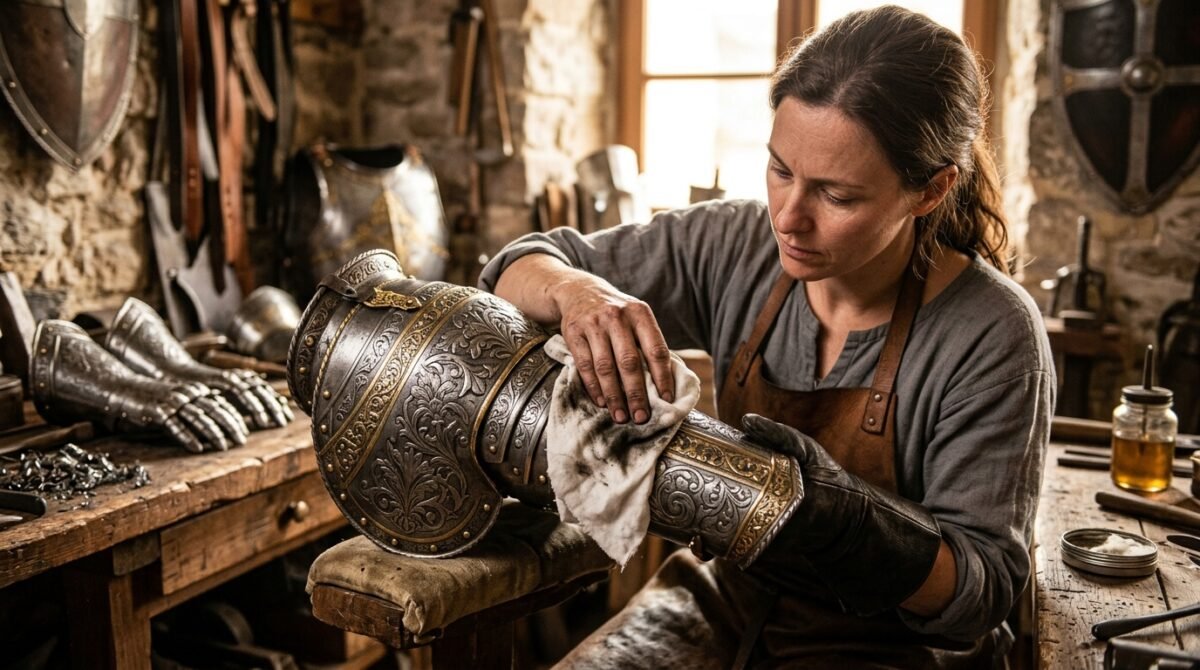
When I finally retrieved the armor from Sarah’s former apartment, I went with a police escort. I couldn’t risk being alone with her. The apartment was a shell of its former self, cluttered and chaotic. When I saw the armor in the corner, I felt a wave of relief, but it was tinged with sorrow. A few pieces were slightly scratched, likely from her clumsy attempt to photograph them for the auction. It wasn’t the pristine work of art I had left behind.
I took it home and spent weeks repairing the damage. Each scratch I sanded down was a memory of the betrayal I was finally putting behind me. I realized that while I could fix the armor, the friendship was beyond repair. There was no going back, no apology that could bridge the gap she had created. I had to come to terms with the fact that the person I had spent a decade with was a stranger, and that was perhaps the most difficult realization of all.
“It’s not just metal, it’s a physical manifestation of everything I worked for. And you treated it like junk you could discard.”
— What I wanted to say to her face
I eventually moved on. I found new friends, people who respected my boundaries and my work. I started new projects, ones that were even more ambitious than the last. The armor stayed in my display case, a reminder not of the betrayal, but of the strength it took to fight for what was mine. It became a symbol of my resilience, a piece of art that survived the storm.
The Fallout: Watching the Empire Crumble

Sarah didn’t handle the fallout well. She lost her job when her employer found out about the lawsuit and the subsequent internet fame. Her credit score tanked, and she had to move back in with her parents. It wasn’t an act of vengeance on my part; it was simply the natural consequence of her choices. She had spent years building a life on lies and manipulation, and the moment the foundation was pulled out, the whole thing collapsed.
I heard from mutual friends that she was still playing the victim, telling anyone who would listen that I was a monster who had ruined her life. But the truth had a way of surfacing. The documents from the court were public record. Anyone who questioned her story could see the evidence for themselves. It became increasingly difficult for her to find people to enable her behavior, which was perhaps the most positive outcome of the entire situation.
“I lost everything because of a misunderstanding. She took it way too far, and now everyone thinks I’m a thief. I’m the one who’s actually suffering.”
— Sarah’s social media post, now deleted
Watching her struggle wasn’t satisfying. It was sad. It was a testament to the fact that you can’t build a life on the exploitation of others. I had to learn to let go of the anger, to stop checking up on her, and to focus entirely on my own growth. The best revenge, as they say, is living well—and that’s exactly what I did.
Refining the Boundaries: Never Again

The experience changed me. I became much more guarded, much more careful about who I let into my inner circle. I implemented a strict policy: no shared finances, no storage of valuable property, and no ‘loans’ to friends. I learned that true friendship doesn’t require a financial safety net. If someone can’t manage their own life, they shouldn’t be allowed to interfere with mine.
I started attending therapy to process the trauma of the betrayal. It wasn’t just about the armor; it was about the loss of trust. I had to learn how to be vulnerable again without being reckless. I had to learn that it’s okay to say no, that setting boundaries isn’t an act of aggression, but an act of self-preservation. It was a long road, but it was worth it.
“Boundaries aren’t walls to keep people out; they’re gates to let the right people in, and to keep the wrong ones out.”
— My therapist
I also became an advocate for other artists and creators. I started a blog where I shared tips on how to protect intellectual property, how to document work-in-progress, and how to spot the signs of financial exploitation. It was my way of turning a negative experience into something that could help others avoid the same fate. My armor was no longer just a piece of cosplay; it was a beacon of protection.
The Final Goodbye: Moving Forward
A year after the court case, I received a letter in the mail. It was from Sarah. I didn’t open it immediately. I left it on my desk for days, wondering if it would be an apology or another attempt at manipulation. When I finally did open it, it wasn’t either. It was a demand for me to ‘move on’ and ‘stop talking about her’ online, as if she were the one who had been wronged. It was the final straw.
I didn’t reply. I didn’t acknowledge the letter. I simply filed it away with the rest of the legal documents, a final piece of evidence of her refusal to take accountability. It was the last time I ever heard from her. I had successfully closed the chapter. I had reclaimed my property, my dignity, and my peace of mind. And that was enough.
“I don’t need an apology to be whole. I just needed the truth to be told, and I needed to be the one to tell it.”
— My personal reflection
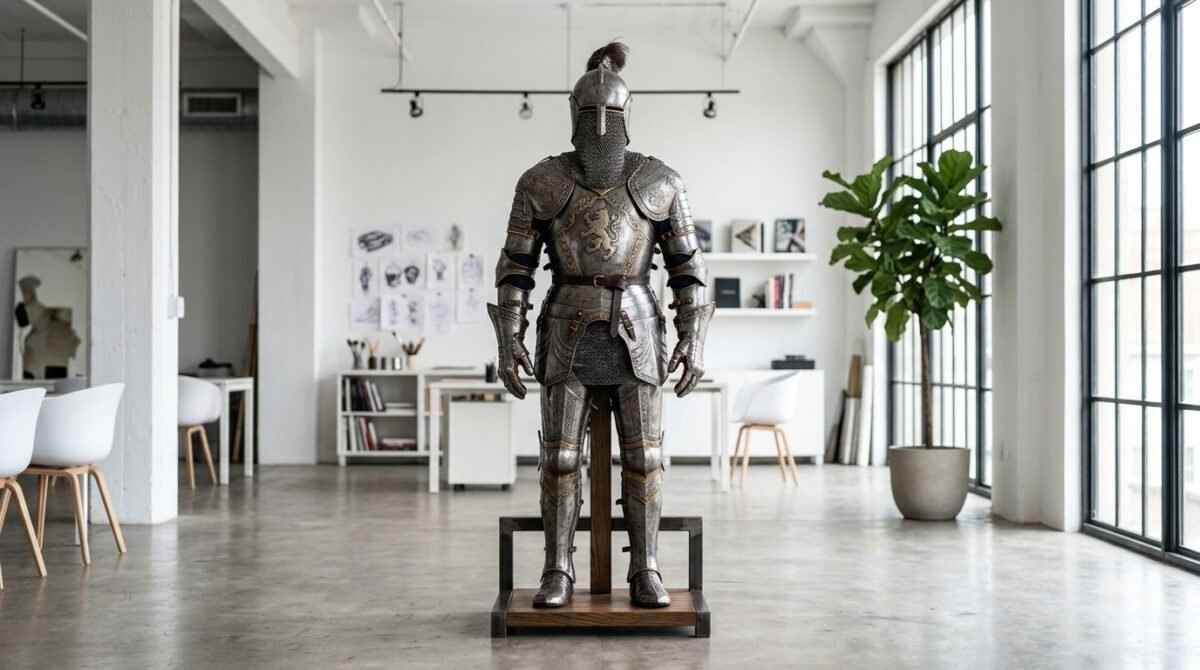
Today, I am in a better place than I ever was. My work is thriving, my friendships are genuine, and I have a sense of security that I never knew I was missing. The armor sits in my studio, a constant reminder of where I’ve been and what I’ve overcome. It’s not just a suit of metal anymore; it’s a suit of armor for my life.
Lessons from the Crucible
Looking back, the most important lesson I learned was the value of documentation. In any relationship, especially those involving money or property, keep everything. Receipts, emails, texts—they aren’t signs of distrust; they’re signs of professionalism and maturity. You never know when they’ll become the difference between losing everything and standing your ground.
I also learned that people show you who they are through their actions, not their words. Sarah was a master of the ‘I’m so sorry, I’ll pay you back’ line, but her actions were consistently self-serving. I had to stop listening to the apologies and start watching the patterns. It was the only way to see the truth clearly.
“The hardest truth to accept is that sometimes the person you love the most is the person who is capable of hurting you the worst.”
— Closing thoughts
Finally, I learned that you are your own best advocate. No one else is going to fight for your work, your reputation, or your boundaries like you will. It’s a heavy burden, but it’s a necessary one. If you’re ever in a situation where you feel exploited, don’t be afraid to take a stand. Your future self will thank you for it.
Conclusion
The story of my armor wasn’t just about a piece of fantasy gear; it was about the fundamental human need for agency and integrity. When we allow others to trample our boundaries, we aren’t just being ‘nice’—we are inviting them to define our limits for us. By taking Sarah to court, I didn’t just reclaim a physical object; I reclaimed my autonomy.
If you find yourself in a situation where someone is taking advantage of your kindness, remember that setting a boundary is not an act of hate. It is an act of self-respect. Whether it’s a ‘friend’ borrowing your money, your car, or your life’s work, you have the right to say no. You have the right to be protected. You have the right to expect better.
What do you think? Have you ever had to cut ties with someone who violated your trust in a way that felt like a total betrayal? Would you have taken the legal route, or would you have just walked away? Let me know in the comments below.
What's your verdict on this dilemma?
Vote below to contribute to the official community consensus.

Have a Dilemma Keeping You Up at Night?
Share your real-life feud, wedding chaos, or relationship crossroads anonymously with our editorial team.
What do you think ?
0 Comments🛡️ Comments are moderated to protect community integrity. Your comment will appear once approved by the editorial team.