

It was never supposed to be about revenge. It was supposed to be about family, stability, and the kind of security that only comes from helping the people you love when they are drowning in debt. My in-laws, Arthur and Martha, were the kind of people who projected an image of absolute financial success—the country club memberships, the European vacations, and the pride of the family, a sprawling, salt-weathered beach house that had been in their family for decades.
But the numbers never matched the lifestyle. When the bank notified them of an impending foreclosure, the frantic phone calls started coming in at 2:00 AM. They begged, they pleaded, and they guilt-tripped my spouse into believing that if we didn’t step in, their entire legacy would vanish. I had the liquid assets; they had the need. We struck a deal that felt like a lifeline, but in reality, it was the opening act of a long, cold betrayal.
The moral dilemma started small. It was the way they continued to treat the house like their personal property, throwing parties while the bills were in my name, and casually mentioning that I was ‘just the bank.’ I brushed it off, thinking that keeping the peace was worth the price of admission. I didn’t realize that their entitlement was a mask for a much darker deception—a calculated attempt to rewrite history and strip me of the very property I had worked so hard to preserve.
Finding the documents wasn’t an act of sleuthing; it was a consequence of a leaking pipe. When I went to the attic to find the main water shut-off, I stumbled upon a box of stationary that shouldn’t have existed. Inside were drafts of a falsified deed, a forged signature that mirrored my own with terrifying precision, and a list of instructions on how to file it at the county clerk’s office. The air left my lungs as I realized exactly what they had been planning behind my back.
This is the story of how I stopped being the ‘generous son-in-law’ and started being the ‘ruthless property owner.’ It is a story of legal warfare, broken trust, and the moment I realized that blood is not always thicker than a signed, notarized contract. When you push a person who has done nothing but give, you don’t get a martyr; you get an adversary who knows exactly where the bodies are buried.
The Late Night Call That Changed Everything
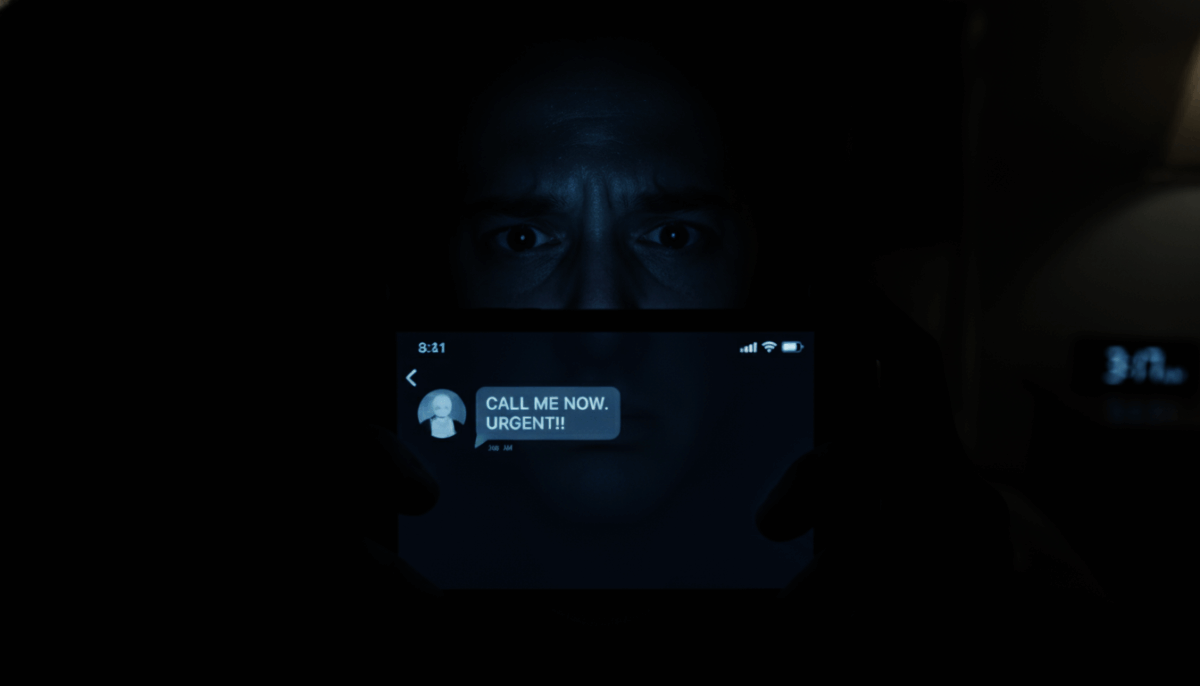
The phone rang at 2:14 AM. It was a rhythmic, jarring sound that cut through the silence of our bedroom like a siren. I rolled over to see the caller ID: Martha. My heart sank, not because of the hour, but because of the desperation that had become the soundtrack of our relationship with them over the last six months.
“They’re going to take it, aren’t they?” my spouse whispered, eyes wide in the dark. We both knew exactly what ‘it’ referred to: the beach house. It was the anchor of their social status, the place where they held the annual Fourth of July bash that cost more than my first car. The bank had sent a certified notice, and the panic was palpable even through the speakerphone.
“You have to help us. If that house goes to auction, our reputation is destroyed. We’ve worked for thirty years to build this life, and you’re just going to sit there and watch us lose it?”
— Martha, during the 2:00 AM emergency call
I sat on the edge of the bed, feeling the weight of the decision. I had the savings—money earmarked for our own future, our own home. But the pressure was immense. My spouse was crying, and the in-laws were spinning a narrative of victimhood that made me feel like I was the one committing a crime by even hesitating to write the check.
“If we do this,” I said, my voice steady despite the adrenaline, “the title comes into my name exclusively. No ‘family trust,’ no shared ownership. It’s a business transaction, or it’s nothing.” There was a long, uncomfortable silence on the other end of the line, followed by a shaky, reluctant agreement that I knew was just the beginning of the friction.
Looking back, that was the moment I should have walked away. But I wanted to be the hero of the family narrative. I wanted to be the guy who saved the day. Little did I know, I was walking into a trap set with the precision of a master con artist. I wasn’t just buying a house; I was buying into a war, and my opponents were already holding all the cards—or so they thought.
The Unannounced 6:00 AM Kitchen Intrusion

Three weeks after the transfer, the dynamic had shifted, but not in the way I expected. I arrived at the beach house on a Friday morning to do a quick inspection of the property, only to find Arthur and Martha sitting at the kitchen island, drinking coffee as if nothing had ever happened. They hadn’t even called to say they were coming.
“Oh, you’re here,” Arthur said, not even looking up from his newspaper. “We decided to come down for the weekend. The AC was acting up, so we figured we’d stay until it was fixed. You don’t mind, do you?” The audacity was breathtaking. They acted like guests in their own home, but they weren’t guests—they were tenants who hadn’t paid a dime in rent.
“I do mind, actually. This is my property now, and I didn’t authorize a stay. I need you to leave by noon today.”
— Me, standing my ground in the kitchen
Martha let out a sharp, incredulous laugh. “Your property? We built this house with our blood, sweat, and tears. Don’t you dare act like a landlord. We’re family. You’re just a placeholder until we get our finances back in order.” The entitlement was chilling. They genuinely believed that my money was just a loan that they would pay back on their own timeline, or perhaps never at all.
I felt a cold sensation in my chest. This wasn’t just about the house; it was about power. They felt that by accepting my help, they had somehow retained ownership of my life. I stood there, watching them eat, realizing that if I didn’t set a hard boundary right then and there, I would lose the house and my dignity in the process.
I grabbed my phone and started documenting the scene. It felt petty, but I knew I needed evidence of their refusal to vacate. Every time I tried to speak, they would talk over me, treating my ownership like a minor inconvenience rather than a legal reality. I left the house that day with a clear purpose: the locks were changing, and the eviction notice was coming.
The Discovery in the Dusty Attic
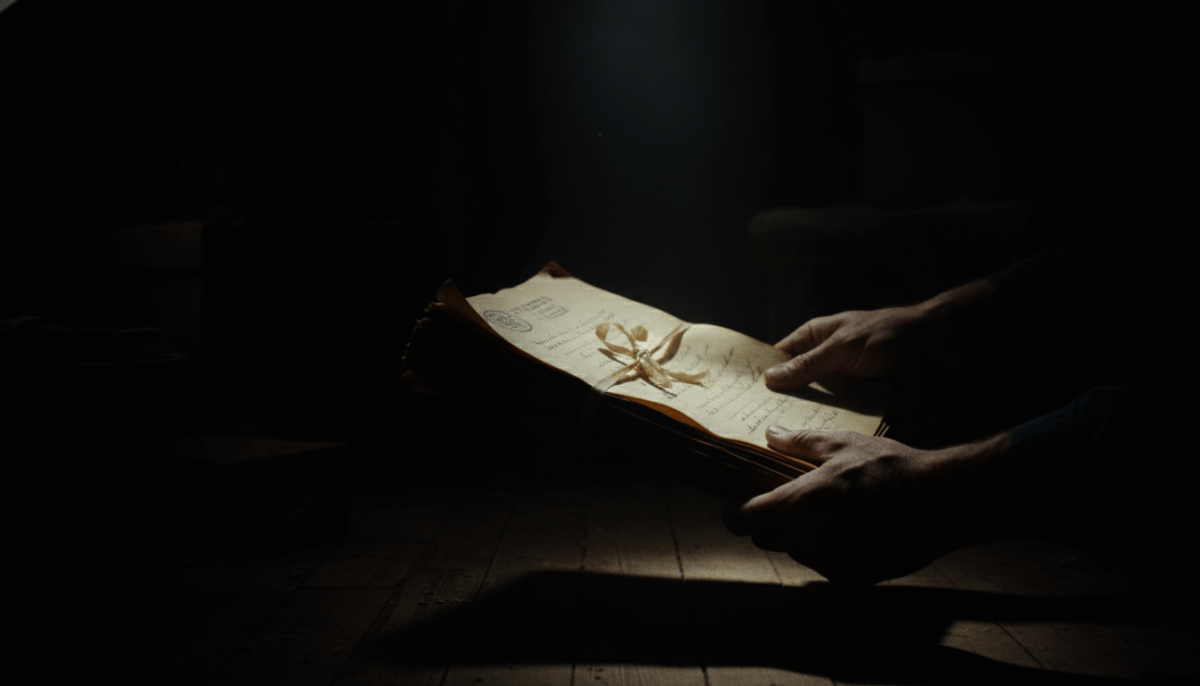
The pipes were the catalyst. A leak in the upstairs bathroom had sent water dripping through the ceiling of the kitchen, requiring an urgent trip into the crawlspace of the attic. I climbed the folding stairs, flashlight in hand, expecting to find nothing but insulation and old holiday decorations. Instead, I found a leather-bound box tucked behind a stack of moth-eaten blankets.
It wasn’t a box of memories. It was a box of fraud. I opened it to find a stack of legal documents printed on heavy cardstock. There were drafts of a Quitclaim Deed, already filled out with my forged signature. Beside it, a notary seal that looked suspiciously like the one used by their ‘friend’ who had handled the original closing documents.
“I thought we were family. But looking at these papers, I realize you were never my in-laws. You were just scammers looking for a mark.”
— My internal monologue while holding the forged deed
My hands were shaking as I pulled out the phone to photograph every single page. The sophistication of the forgery was terrifying. They hadn’t just tried to get the house back; they had tried to create a paper trail that would have made me liable for tax fraud if I had ever tried to sell it. It was a trap, a long-con designed to ruin me financially while they walked away with the title.
I sat in the dark attic for an hour, the sound of the dripping pipe fading into the background of my racing thoughts. The betrayal wasn’t just the money—it was the calculated nature of it. They hadn’t just been struggling; they had been plotting. The ’emergency’ to save their legacy was actually a plan to steal the property right out from under me.
I knew then that there would be no civil discussion. There would be no ‘let’s talk this out over dinner’ session. I was going to destroy their reputation, their leverage, and their access to my life, all within the confines of the law. I packed the box into my bag, closed the attic hatch, and walked out of that house with a cold, calculated clarity I had never possessed before.
The Secret Group Chat OP Wasn’t Supposed to See
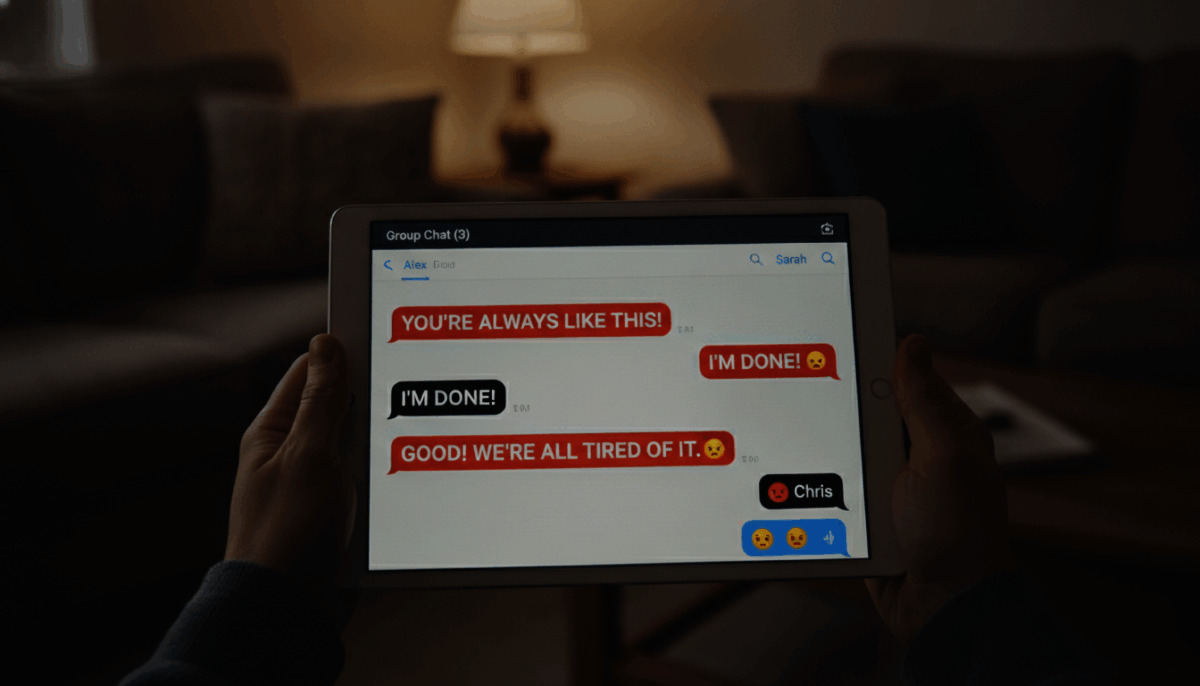
The evidence kept mounting. A week later, I accidentally left my iPad logged into the family iCloud account on the kitchen island. When the notifications started popping up, I saw a thread I had never been part of: ‘Project Reclamation.’ It was a group chat between Arthur, Martha, and a ‘family friend’ who happened to be a disgraced lawyer.
“The kid is too soft to fight. Once we get the deed recorded, we move back in full time and let the lawyers tie him up in court for years. He’ll give up eventually.”
— Arthur, in the leaked group chat
I read through months of messages. They had been laughing at my ‘generosity,’ mocking my taste in furniture, and discussing how they could frame me for ‘elder abuse’ if I ever tried to sell the house or kick them out. It was a masterclass in gaslighting, played out in real-time on a digital screen. I saved every screenshot, every name, and every admission of intent.
It was fascinating to see how they talked about me when they thought I was the gullible benefactor. They called me the ‘ATM with legs.’ They discussed how to manipulate my spouse into turning against me, feeding her lies about how I was ‘stealing’ the family heritage. It was disgusting, and it was the absolute proof I needed for my lawyer.
I didn’t confront them. I didn’t send a angry text or call them out in public. I simply watched, recorded, and prepared. I watched as they made plans to host a Labor Day party in a house they didn’t own, inviting guests and making promises they had no right to make. It was a slow-motion car crash, and I was the one holding the remote control to the emergency brakes.
The irony was that they thought they were being clever. They thought they were in control. They were so busy counting the money they hadn’t even stolen yet that they didn’t notice the legal net tightening around them. I wasn’t the ‘soft kid’ anymore; I was the guy holding the match, waiting for the right moment to burn the bridge they had built for me.
The Certified Letter That Changed Everything

On a Tuesday morning, I had my lawyer draft the formal notice. It wasn’t just an eviction; it was a comprehensive legal document outlining the evidence of forgery, the intent to commit fraud, and a demand for immediate surrender of all property. I hand-delivered the envelope, choosing not to use a process server yet. I wanted to see their faces when they realized the game was over.
I walked into the beach house, laid the envelope on the coffee table, and stood back. Arthur opened it, his face turning from annoyance to confusion, and then to a shade of pale I hadn’t realized a human could turn. He didn’t say a word as he scanned the pages, his eyes darting back and forth between the legal jargon and the copies of the forged documents I had included.
“What is this? This is insane. You can’t just make accusations like this. We’re family!”
— Arthur, after reading the legal notice
I looked at him with a smile that didn’t reach my eyes. “We aren’t family, Arthur. We’re a plaintiff and defendants. And right now, you’re looking at your last chance to walk away without the police being involved in a felony fraud investigation.” The silence in the room was absolute. Even Martha, usually the louder of the two, was completely still.
I told them they had 48 hours to remove their personal belongings. If one item of value remained—or if I found a single scratch on the walls—I would be filing the criminal complaint for forgery. The power dynamic had shifted so violently that I could practically hear the air crackling in the room. They had spent months trying to break me, and in two minutes, I had dismantled their entire life.
They didn’t try to argue. They didn’t try to play the victim. They just stared at the floor, the weight of their own greed finally collapsing on top of them. I left the house, locked the door, and for the first time in a year, I felt like I could finally breathe. The beach house was mine, and the ghosts of their manipulation were finally being exorcised.
The $1,400 Restaurant Bill Left on the Table
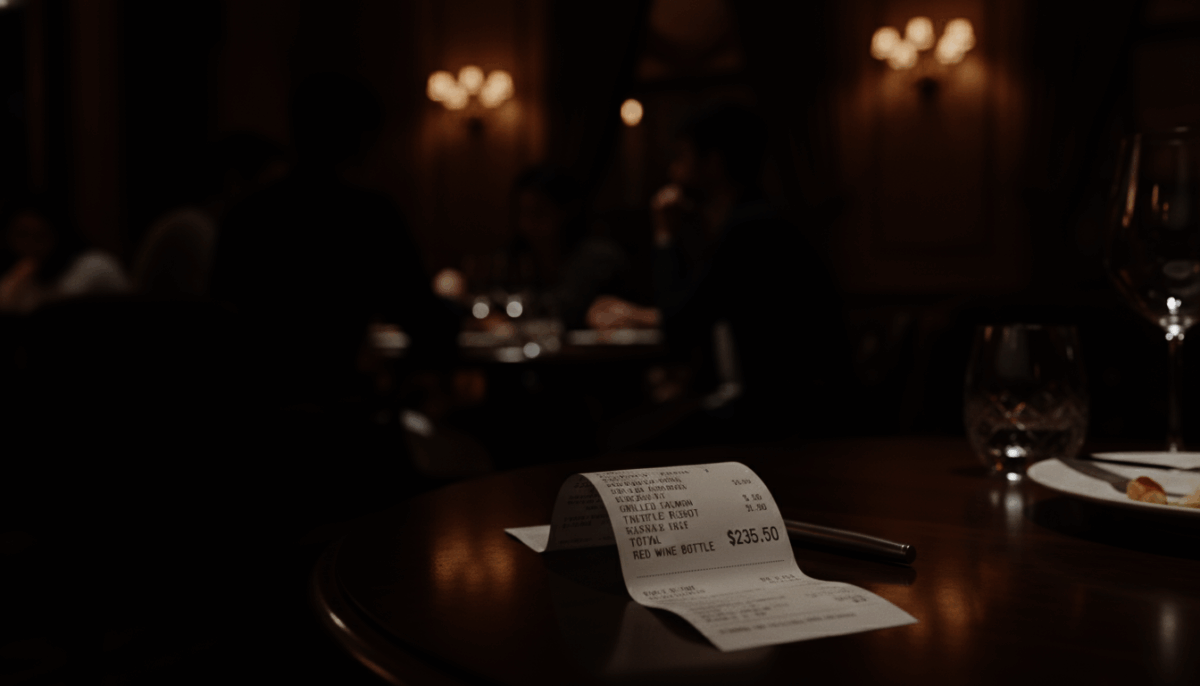
While they were packing, they tried one last power play. They hosted a ‘final’ dinner at a high-end restaurant near the beach, inviting my spouse and me, expecting us to pay the bill as a gesture of ‘forgiveness.’ It was a final, pathetic attempt to maintain the charade of their status. They ordered the most expensive wine on the menu and the prime rib, laughing as if they hadn’t just been served a formal eviction notice.
When the check came, Arthur pushed it toward me with a smirk. “You know, it’s only right. After everything, you’re still the son-in-law, right?” I looked at the bill, then at the waiter, and then back at them. The total was over fourteen hundred dollars. It was a staggering amount for a meal, but it was nothing compared to the price they were about to pay.
“I’m not paying for this. You ordered it, you own the bill. If you want to continue living this lifestyle, you might want to start looking for a job instead of looking for marks.”
— Me, leaving the restaurant without touching the check
The waiter’s face was a study in confusion as I stood up and walked out. I didn’t look back to see the horror on their faces. I knew they didn’t have the money to cover it—they had been borrowing from me for months just to keep their credit cards from being declined. I left them in the middle of the restaurant, the center of an scene they had created for themselves.
My spouse, initially shocked, followed me out. She had seen the evidence. She had seen the forged documents. She was finally starting to realize that her parents weren’t the victims of a heartless son-in-law; they were the perpetrators of a long-term scheme that had almost cost us our marriage. We didn’t talk on the drive home; we just listened to the radio and enjoyed the silence of a life free from their drama.
The next morning, I checked my bank account alerts. No charges from the restaurant. It seemed they had finally been humbled, or at least forced to deal with the immediate consequences of their lifestyle. The beach house was being emptied, and the keys were being returned. The era of the ‘in-law ATM’ was officially over.
Reddit Weighs In: The Trial of Public Opinion
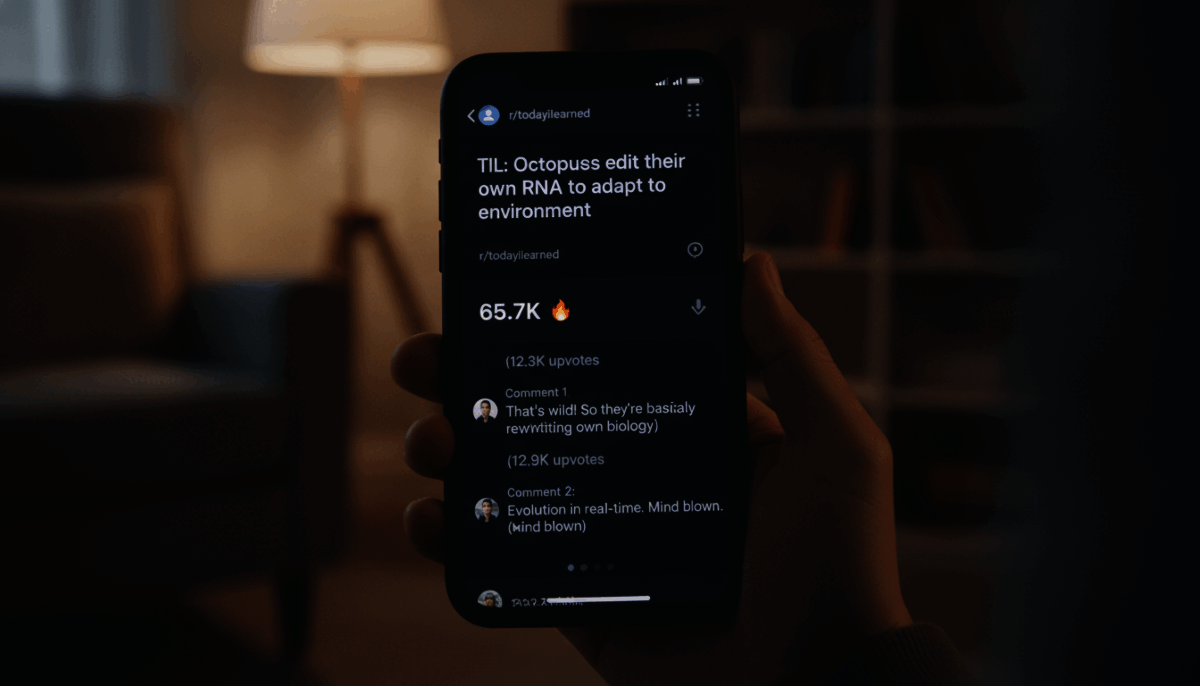
I posted a summary of the situation on a popular sub-reddit, wanting to know if I had gone too far. Within hours, the post had gone viral, with thousands of comments debating the morality of my decision. The community was split between those who cheered my ‘ruthless’ approach and those who thought I should have been more ‘merciful’ for the sake of the family.
“NTA. Forgery is a felony. They tried to steal your house and potentially frame you for fraud. You didn’t just stand up for yourself; you stopped yourself from going to prison. Let them deal with the consequences.”
— u/LegalEagle88 (Top Comment, 32.4k upvotes)
Another user was more cynical:
“People like this don’t change. If you hadn’t caught them, they would have eventually pushed you until you lost everything. You saved your own future. Don’t look back.”
— u/RealistObserver (15.2k upvotes)
Reading the comments was a cathartic experience. It validated the feeling I had been trying to suppress—the guilt that they were ‘family’ and that I should be ‘the bigger person.’ The internet reminded me that ‘family’ is not a license to exploit, and that boundaries are the only thing that keep us from being destroyed by those we love.
There were a few outliers, of course. One user tried to argue that I should have tried ‘family therapy’ first, which was met with a chorus of downvotes. It was clear that for most people, the moment a crime—especially forgery—was involved, the ‘family’ card was officially revoked. The support gave me the final push to cut all ties, knowing that I wasn’t the bad guy in this story.
The Reddit thread became a source of strength. Whenever I felt a twinge of doubt, I’d scroll through the thousands of people telling me I had done the right thing. It wasn’t just about the house; it was about the realization that my intuition had been correct all along. I wasn’t crazy, I wasn’t being mean, and I wasn’t being unfair. I was protecting my life.
The Final Walkthrough and the Empty House

When I arrived for the final walkthrough, the house was silent. They had moved out the night before, leaving behind nothing but the echoes of their presence. I walked through every room, checking for damage, for stolen fixtures, for any lingering sign of the people who had tried to take it all. To my surprise, it was spotless.
Perhaps they realized that if they trashed the place, they would be handing me even more evidence for the criminal case. Or maybe they just wanted to leave as quickly as possible to avoid any further confrontation. Either way, the house was mine, and it was empty. I felt a strange sense of loss—not for the house, but for the family I thought I had.
“The house looks great. But the feeling of being home is gone. It’s just property now.”
— Me, speaking to my spouse after the final walk-through
We spent the afternoon just sitting in the empty living room, looking out at the ocean. It was a beautiful view, one that I had paid for with my savings and defended with my reputation. The air smelled of salt and stale dust. It was the end of a chapter, and the start of something new, though the emotional toll of the last year was still very much present.
We decided to rent it out. We didn’t want to live there—not after everything that had happened. The house needed to be a business, not a home. We found a property manager, changed the codes on the garage, and walked away. The keys stayed in the lockbox, and we drove back to our real home, leaving the ghost of the beach house behind.
The process of healing began that night. No more late-night calls, no more demands for money, no more faked concern. Just the quiet of our own life, built on our own terms. I had learned the hardest lesson of my life: that sometimes, the greatest act of love you can perform is to stop enabling the people who are trying to destroy you.
Reflections on Boundaries and Betrayal

Looking back, the most shocking part wasn’t the forgery; it was how easily I had allowed them to enter my personal space. I had prioritized their comfort over my security, their legacy over my own financial future. It’s a common mistake in relationships, the idea that helping family comes with a moral duty that supersedes common sense.
I learned that boundaries are not acts of aggression; they are acts of preservation. If I hadn’t set those boundaries, I would still be paying their bills, listening to their demands, and eventually, standing in court defending myself against charges I didn’t commit. The betrayal was the catalyst for my growth, and while the pain of it is still there, the strength it gave me is permanent.
“You don’t realize how much weight you’re carrying until you stop trying to save people who are actively digging their own holes.”
— My therapist, during our last session on the topic
My spouse and I are closer than ever. We went through the fire together, and we came out the other side with a clear understanding of what we value. We don’t owe anyone our peace, our money, or our future. The ‘family’ label is a privilege, not a right, and it’s one that must be earned through trust and mutual respect.
I still see Arthur and Martha occasionally around town. They don’t look the same. They look smaller, less confident, and definitely not the ‘socialites’ they pretended to be. I don’t feel anger anymore—I feel indifference. And that, I think, is the true mark of being over it. They are just people, and their actions no longer hold any power over my life.
The beach house is a rental now, generating income and staying in good repair. It’s a successful investment, but it’s also a monument to the moment I decided to stop being the victim. I have no regrets about the legal path I took, because I know that if I hadn’t, the story would have ended very differently. I saved myself, and in the end, that was the only thing that mattered.
The Aftermath: Moving Forward

Today, my life is quiet. The drama has subsided, replaced by the mundane realities of work, savings, and planning for the future. We still have the house, and we are looking at options to potentially sell it in the next year or two. The goal is to move on completely, to strip away every last connection to that time and that property.
The legal situation was settled quietly. My lawyer was able to use the threat of a public criminal case to force them into a settlement where they signed away any future claims to the property or our estate. It was a clean break, and while it cost a small fortune in legal fees, it was the best investment I ever made. The peace of mind alone was worth every penny.
“It’s not about the money. It’s about the fact that I’ll never have to look over my shoulder again. That is true freedom.”
— Me, reflecting on the settlement
We’ve cut contact entirely. No holidays, no birthdays, no ‘checking in.’ It was hard at first, especially for my spouse, but we found that once the guilt faded, the silence was actually a relief. We are finally building our own traditions, our own life, and our own version of ‘family’ that doesn’t involve manipulation and hidden agendas.
If you find yourself in a similar position, please, don’t wait for the ‘right time’ to set boundaries. The moment you feel the tug of entitlement, or the moment you see the first sign of dishonesty, that is the moment to act. You are not being mean; you are being smart. You are not being selfish; you are being responsible. Don’t let someone else’s chaos become your permanent reality.
I am grateful for the experience, as strange as that sounds. It taught me everything I needed to know about who I am and who I want to be. I am not the guy who gets walked over. I am the guy who stands his ground, protects his assets, and refuses to apologize for wanting a life free from the toxicity of others. The story ends here, not with a bang, but with the quiet, steady hum of a life reclaimed.
Conclusion
The story of the beach house is one that will stay with me forever, not as a tragedy, but as a turning point. It is a reminder that the people we love are not always who we think they are, and that protecting one’s integrity requires the courage to say ‘no’ even when the world tells you to say ‘yes.’ It wasn’t just about a building; it was about the foundation of my own existence.
I hope that by sharing this, someone out there finds the strength to walk away from a toxic situation before it spirals out of control. You don’t have to be the martyr. You don’t have to pay for the mistakes of others, and you certainly don’t have to sacrifice your future for the sake of an image. The true legacy is the one you build for yourself, not the one you inherit from people who never deserved it.
Now, I turn it over to you. Have you ever been in a situation where family tried to take advantage of your generosity, or have you ever had to draw a hard line that changed your relationships forever? Let me know in the comments below. Do you think I was too harsh, or did I do exactly what was necessary to survive? Let’s discuss.
What's your verdict on this dilemma?
Vote below to contribute to the official community consensus.

Have a Dilemma Keeping You Up at Night?
Share your real-life feud, wedding chaos, or relationship crossroads anonymously with our editorial team.
What do you think ?
0 Comments🛡️ Comments are moderated to protect community integrity. Your comment will appear once approved by the editorial team.