
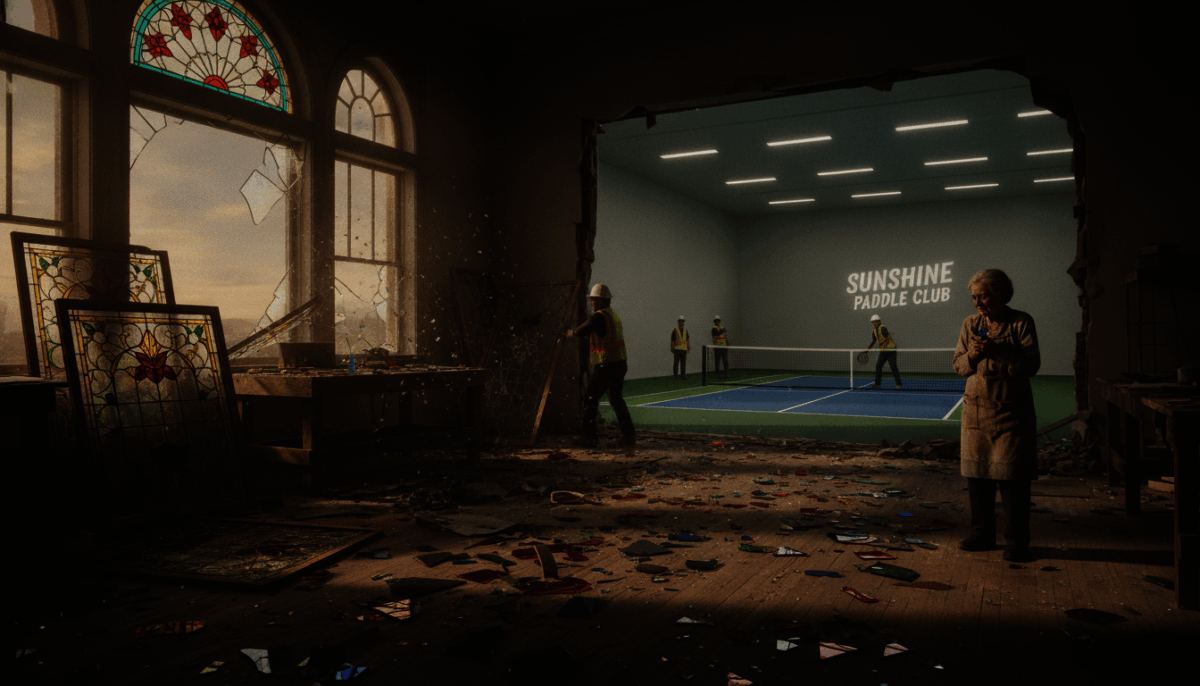
Grief is a strange, non-linear beast. For three years, I have navigated the loss of my mother by keeping her spirit alive in the one place that felt truly sacred: her private stained glass studio. It was a sun-drenched sanctuary at the back of my childhood home, smelling of flux, lead, and the lingering scent of her jasmine perfume. Every sheet of glass she curated, every solder line she polished, and every unfinished sketch left on her workbench was a testament to the artist she was. It was supposed to be my inheritance, a space where I could eventually learn the trade she loved so much.
When my father remarried Sharon eighteen months after the funeral, I was cautious but optimistic. Sharon was loud, energetic, and obsessed with the latest social trends, but I believed she respected the boundaries of our home. I was wrong. The transformation didn’t happen overnight; it was a slow, agonizing erasure of my mother’s presence that I was too blinded by my own grief to see until it was far too late.
Last weekend, I drove home for a surprise visit, hoping to sit in the studio and work on a piece I had been struggling with. Instead of the familiar click of the door lock, I was met with the screech of industrial saws and the sight of workers hauling away the heavy workbench that had been in my family for twenty years. The stained glass was gone. The windows were replaced with reinforced plexiglass. In its place stood a vibrant, garish, indoor pickleball court, complete with high-intensity LED track lighting.
The air in the house felt thin, sterile, and cold. When I confronted my father, his response wasn’t one of apology, but of defensive enthusiasm. He claimed the room was ‘wasted space’ and that he and Sharon needed an outlet for their newfound hobby. I stood there, paralyzed by the sheer audacity of it, realizing that my mother’s legacy had been sacrificed for a recreational trend. This isn’t just about a room; it’s about the systematic deletion of a woman who shaped my entire existence.
The Sound of Smashed Memories
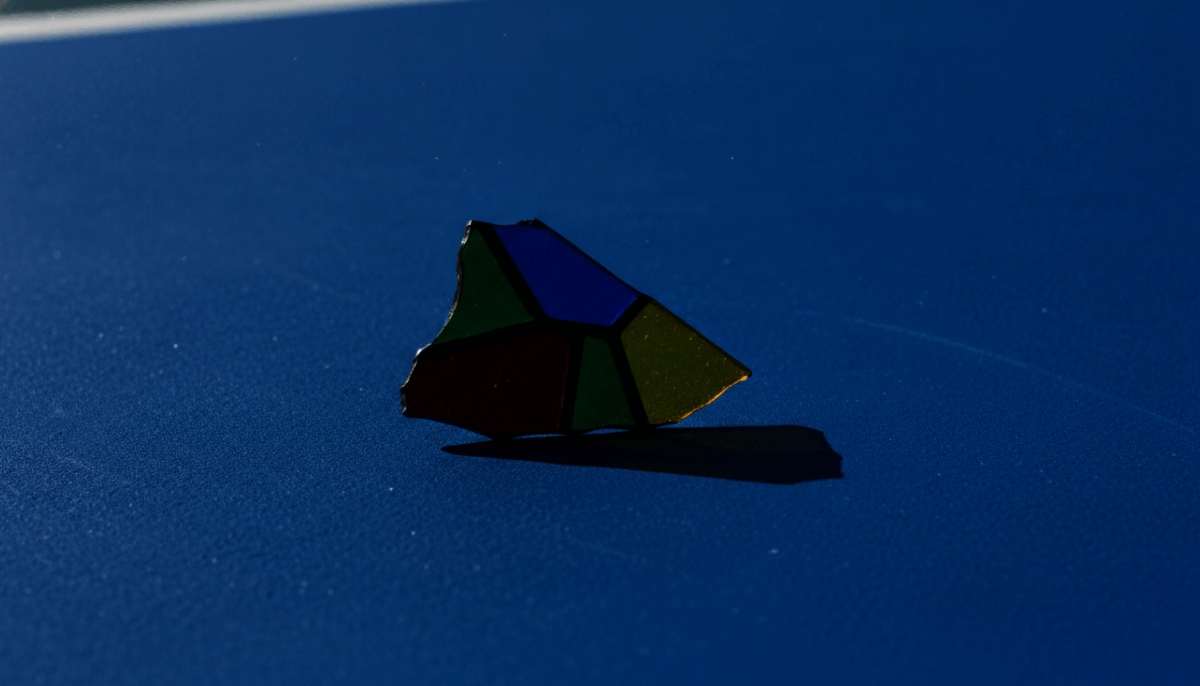
I stood in the doorway of the former studio, my hands trembling as I stared at the floor. The beautiful, intricate glass scraps that had carpeted the floor like a mosaic of jewels were gone, swept away by a commercial vacuum. The workbench, which held the scars of my mother’s soldering iron, was sitting in a dumpster in the driveway, splintered and ruined. I felt a phantom ache in my chest, a physical manifestation of the realization that a piece of my history had been discarded as if it were mere trash.
Sharon walked in, wearing neon-colored athletic gear, holding a paddle as if it were a scepter. She didn’t look guilty; she looked inconvenienced by my presence. She glanced at the court, then at me, and sighed as if I were a child failing to understand the ‘necessity’ of the change. The audacity to turn a place of creation into a place of mindless physical exertion was staggering.
“You’re standing in the middle of a serve, honey. Can you please step back? We had a contractor come in for a quote, and this was actually the most cost-effective way to utilize the square footage. Plus, your mother hasn’t touched these tools in years. It was becoming a fire hazard.”
— Sharon, during our first confrontation
I couldn’t breathe. My father appeared behind her, looking sheepish but clearly coached. He didn’t meet my eyes. He looked at the floor, at the new, perfectly painted lines of the pickleball court. He mumbled something about ‘moving forward’ and ‘not living in the past,’ phrases he had clearly practiced with Sharon over dinner. It was the total erasure of my mother’s identity in the home they shared.
I looked at the walls. Where there had been shelves for glass storage, there were now racks for expensive graphite paddles and bags of high-performance balls. The smell of jasmine was replaced by the rubbery stench of brand-new athletic flooring. My mother’s work, the beautiful art she had spent decades perfecting, had been treated as clutter. The finality of it was suffocating.
I realized then that this wasn’t an impulsive decision. This had been planned, organized, and executed while I was away at university. They had made sure to keep me out of the house for months, claiming renovations were ‘too loud’ or that they were ‘doing some deep cleaning.’ It was a calculated eviction of my mother from our lives.
The Secret Group Chat Revelation
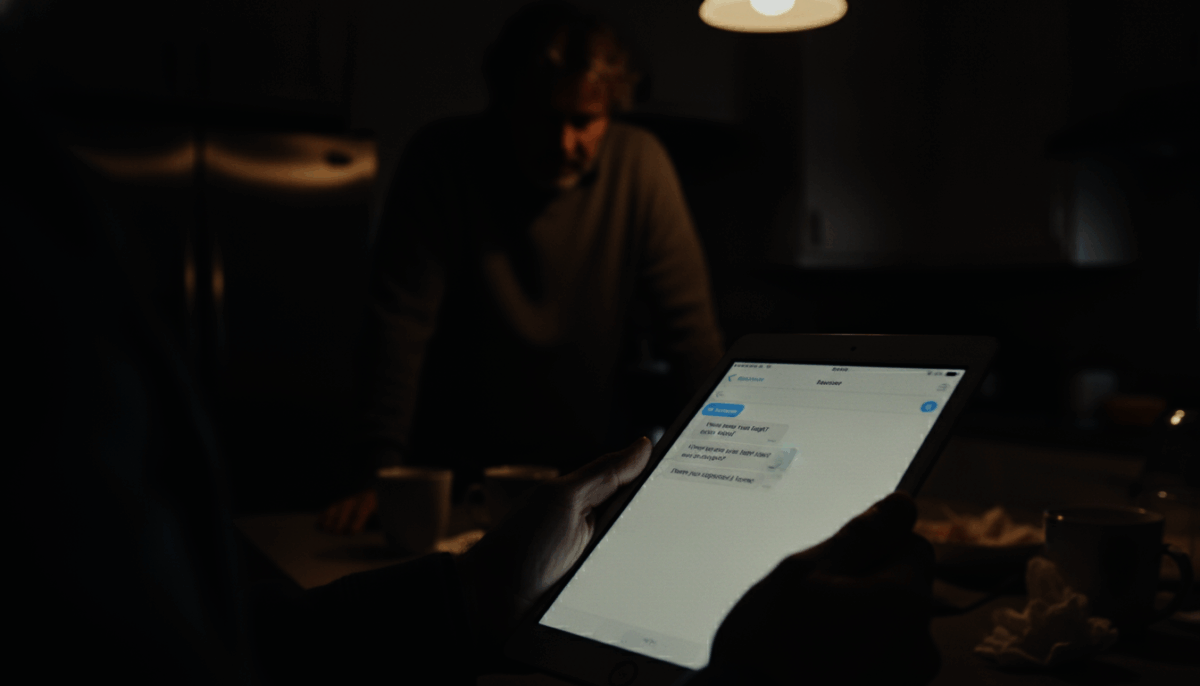
The betrayal deepened when I checked my father’s iPad, which he had left unlocked on the kitchen counter while he went to grab water. I didn’t intend to snoop, but the notification banner popped up: ‘The Pickleball Dream Team.’ It was a group chat between my father, Sharon, and her two adult children from her previous marriage. My heart sank as I tapped the screen. The messages were dated three months ago, detailing exactly how they planned to get rid of my mother’s ‘junk.’
The chat was filled with photos of my mother’s tools being sold on Marketplace for pennies. One of Sharon’s children, a man named Kyle, had even joked about using the ‘glass scraps’ to decorate his garden, while another mocked the ‘depressing vibe’ of the room. It was a digital archive of their contempt. They had been laughing about the process of clearing my mother’s life away while I was sending them Christmas cards.
“Dad: Are we sure about the workbench? OP might get sentimental. Sharon: Who cares? It’s heavy, it’s outdated, and it doesn’t fit the aesthetic of a modern gym. Kyle: Just toss it. It’s not like she’s coming back to use it. The garage sale money for the glass tools will cover the net rental.”
— Leaked text messages from the family group chat
I felt a cold numbness wash over me as I read through the threads. There was no hesitation, no guilt, and certainly no consultation with me, her only child. They had treated the destruction of my inheritance like a fun DIY weekend project. The way they spoke about my mother—as if she were a nuisance to their new ‘lifestyle’—made my blood boil in a way I hadn’t experienced before.
I took screenshots of everything. I needed proof. When my father walked back in, he saw me holding his device. The look of panic on his face was the first real emotion he had shown all day. He reached for the iPad, his voice rising in an uncharacteristic display of anger, trying to snatch it from my hands. I stepped back, holding the device like a shield, the screen illuminating our faces in the dimly lit kitchen.
“You didn’t just ‘renovate,’ Dad,” I said, my voice shaking with a mix of fury and sorrow. “You conspired. You and her children sat there and made jokes about throwing away the last things Mom ever touched. How could you do this? How could you let her talk about her like that?” He had no answer. He just stood there, looking like a man who knew he had been caught in a lie that he couldn’t possibly spin his way out of.
The Dinner Table Standoff
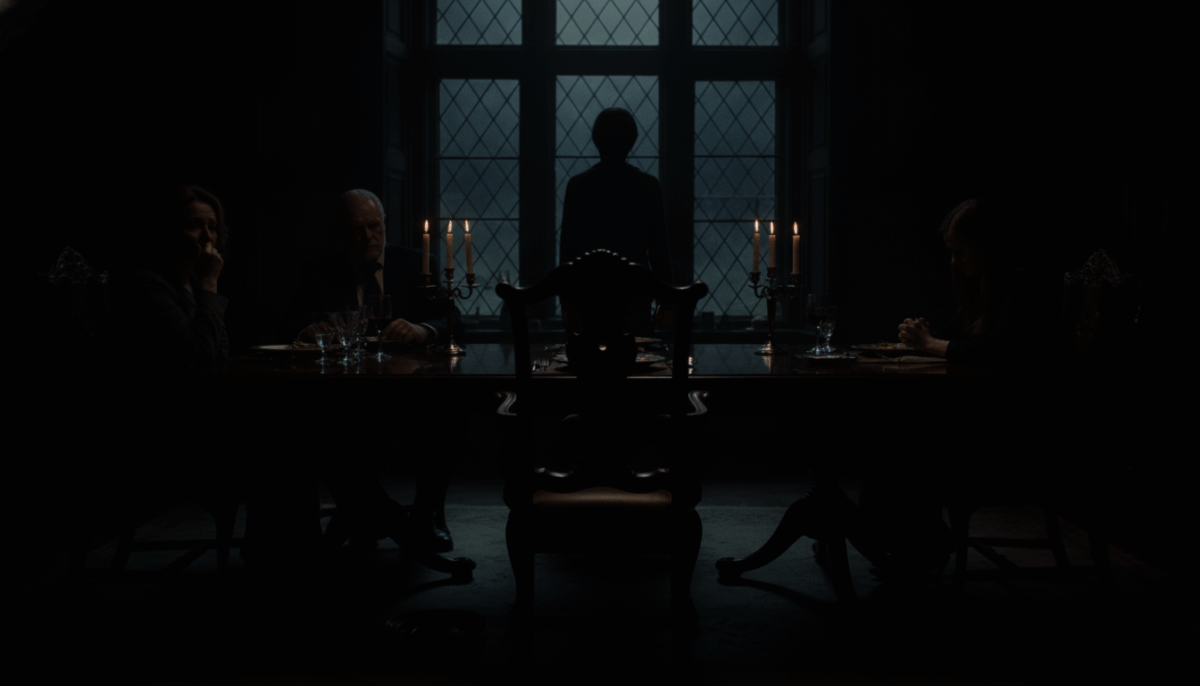
That evening, Sharon insisted we proceed with dinner as if nothing had happened. She had prepared a lasagna, the smell of which made me physically ill. We sat at the table in silence, the air thick with the kind of tension that makes your teeth ache. My father kept glancing at me, waiting for me to break, waiting for me to accept the status quo. I spent the entire meal staring at the empty chair where my mother used to sit, the chair that Sharon now occupied with a sense of entitlement that was truly chilling.
“So,” Sharon started, breaking the silence with an upbeat tone that felt like a slap in the face. “I think we should look into membership at the local country club. Now that we have the court, we’ve really caught the bug. It’s such a social game. We’ve already made so many friends through the local league. It’s so much better than sitting around at home, right?” She was talking over the wreckage of my past, oblivious or indifferent to the pain she had caused.
I put my fork down. The metal clatter against the ceramic plate sounded like a gunshot in the quiet room. “You call it a social game,” I began, my voice steady but cold. “I call it the tombstone of my mother’s legacy. Do you have any idea what you destroyed? Those tools were professional grade. That bench was handcrafted by my grandfather. You didn’t just clear a room, Sharon. You systematically erased her from this house.”
“Don’t be dramatic, OP. It’s just stuff. Your mother would have wanted us to be happy. She was always so focused on her little projects, she never really spent time with your father. We’re actually living now. We’re actually being a couple. You should be happy for him.”
— Sharon, during the uncomfortable dinner
My father looked down at his plate, his fork trembling slightly. He didn’t defend me. He didn’t acknowledge the truth of my words. He just let Sharon steamroll the conversation, his silence serving as a tacit endorsement of her cruelty. It was the moment I realized that he wasn’t just a victim of her influence; he was a willing participant in the erasure.
I stood up, pushing my chair back with a loud screech. “She spent her life building this family, and you spent eighteen months tearing it apart,” I said, looking directly at my father. “You think you’re being happy? You’re just living in a house full of things that don’t belong to you, with a woman who hates the very memory of the person you claim to have loved for thirty years.”
I left the table, leaving the meal unfinished. I didn’t say goodbye to either of them. I packed my bag in the guest room—the room that was now filled with Sharon’s yoga mats and protein powder—and walked out the front door. As I drove away, I looked back at the house one last time, realizing that it wasn’t my home anymore. It was just a building where people I no longer recognized played games.
The Reddit Verdict
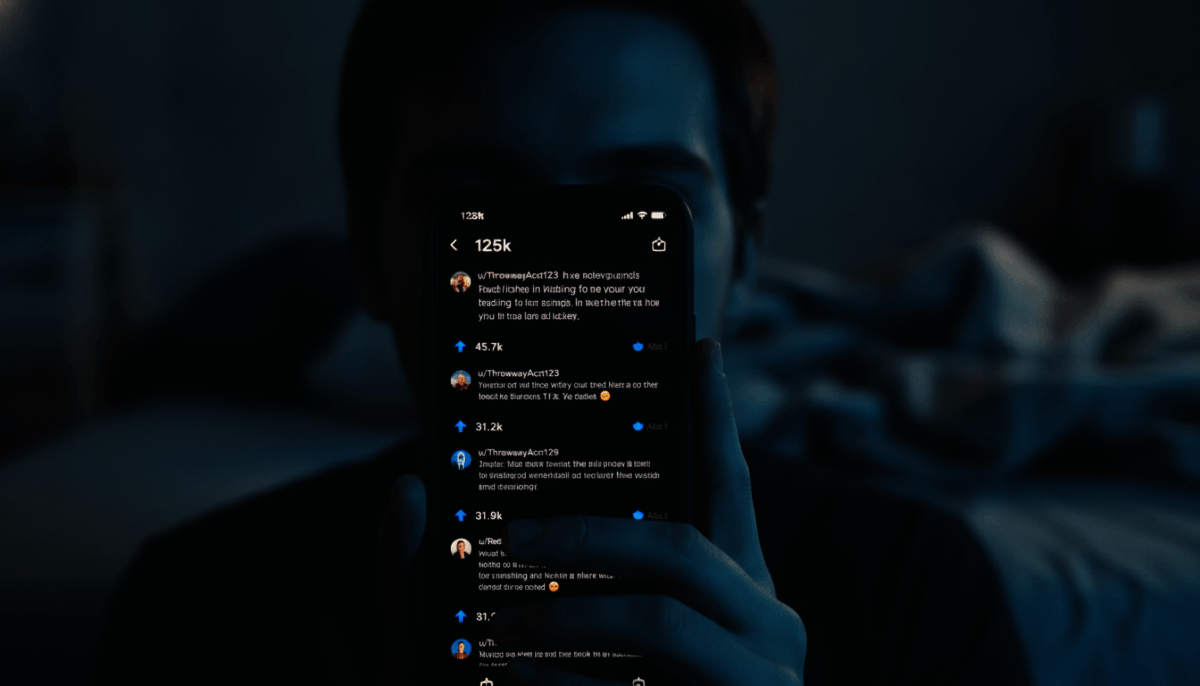
I posted about the entire experience on r/RelationshipAdvice that night, feeling desperate for some sort of validation that I wasn’t losing my mind. I didn’t expect the response I got. Within an hour, the post had thousands of comments. The consensus was overwhelming, but the perspective was much more clinical than I had expected. People weren’t just sad for me; they were furious on my behalf, pointing out the legal and emotional implications I hadn’t even considered.
The commenters dove deep into the betrayal, focusing on the financial loss of the tools and the emotional trauma of the destruction. Some suggested I look into the probate laws regarding my mother’s estate, while others just shared their own experiences with toxic stepparents. It was a strange comfort to know that I wasn’t alone, even if the situation was uniquely devastating.
“This is not just about a hobby room. This is about psychological warfare. Your stepmother isn’t just selfish; she’s actively trying to remove your mother’s ghost from your father’s life. And your father? He’s complicit. He didn’t just ‘let’ this happen; he facilitated it because he’s too weak to stand up to her. Go no contact. You owe these people nothing.”
— u/GriefBound (Top Comment, 32.4k upvotes)
Reading the comments was like reading a map of my own feelings. One user, a lawyer, pointed out that if the tools were indeed part of my mother’s estate and were explicitly bequeathed to me in her will, their sale might have been a legal violation. Another commenter, a professional organizer, talked about the ‘grief-cleaning’ phenomenon, where survivors try to erase reminders of their lost loved ones to cope with the pain—though in this case, it felt more like malice than coping.
The discussion also moved toward the dynamics of remarriage after loss. Many people shared stories of how new partners often feel threatened by the ‘shadow’ of the deceased, leading to these aggressive, territorial displays. It helped me see the situation more clearly: Sharon wasn’t just a villain; she was a deeply insecure person who needed to mark her territory, and my father was the one who handed her the keys to the kingdom.
I felt a strange sense of vindication as I read through the threads. The ‘internet court’ had ruled, and it didn’t matter what Sharon or my father thought anymore. Their actions were objectively cruel, and the community support gave me the backbone I needed to make the next steps. I wasn’t just a grieving child anymore; I was a person who had been wronged and was now ready to hold them accountable.
Legal Hurdles and The Will
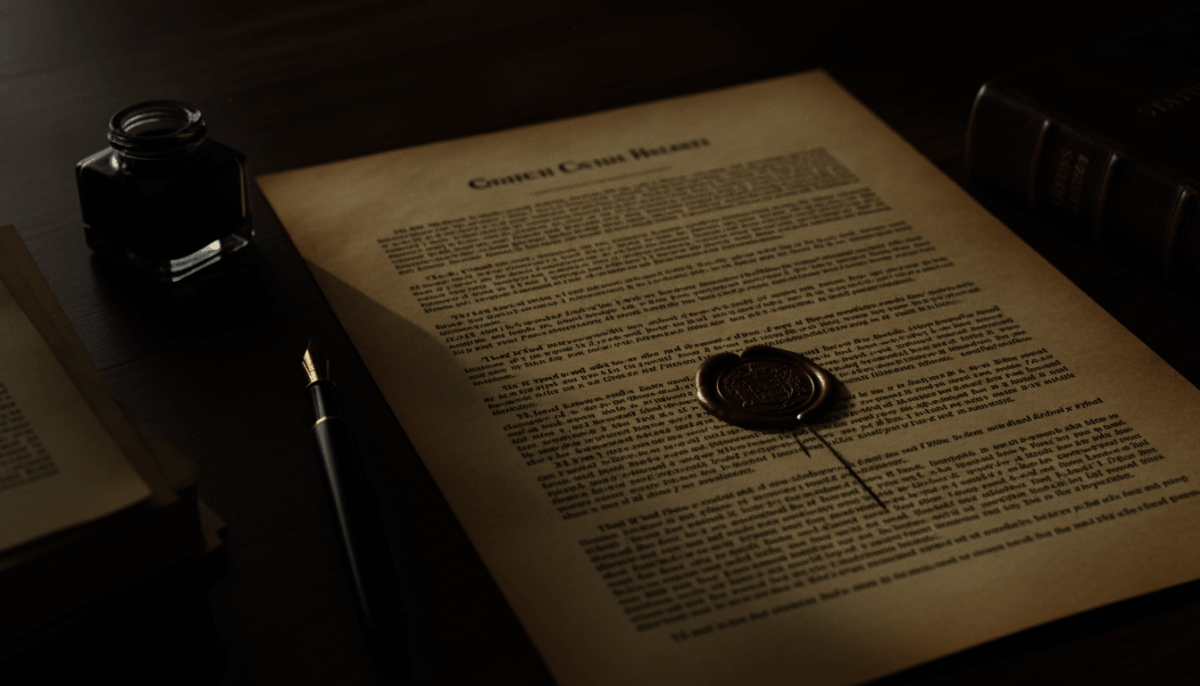
Following the advice of the commenters, I dug through my old boxes of documents to find the copy of my mother’s original will. I hadn’t looked at it since the funeral, trusting my father to handle everything. As I read the fine print, my heart hammered against my ribs. There, in Section 4, was a specific clause: ‘All equipment, tools, and artistic materials in the workshop are to be preserved for my child, [My Name], as they represent their creative heritage and livelihood.’ It was there in black and white.
My father had ignored a direct testamentary request. He hadn’t just sold them; he had effectively stolen them from me. I contacted a lawyer the next morning, feeling a mixture of fear and adrenaline. The lawyer, a sharp woman named Elena, listened to my story without interrupting, her eyes scanning the document. She confirmed my suspicions: I had a strong case for conversion, the legal term for when someone takes property that doesn’t belong to them and treats it as their own.
“Your father had a fiduciary duty to preserve these items for you. By selling them without your knowledge or consent, he has breached that trust. We can pursue a claim for the value of the items, but more importantly, we can force an audit of the estate. This is a very clear-cut case of intentional deprivation of property.”
— Elena, my legal counsel
The realization that I could actually take legal action changed the dynamic completely. It wasn’t about the money—the tools were valuable, but they were irreplaceable memories—it was about the principle. I had to show my father that there were consequences to his actions, that he couldn’t just sweep away my life because it was inconvenient for his new wife.
I spent the next few weeks gathering records, receipts, and even the screenshots from the family group chat. It was a grueling process. Every time I looked at a photo of my mother’s old workshop, I felt a fresh wave of grief, but it was now mixed with a cold, hard determination. I was building a case not just against them, but for my mother. I was finally standing up for her in a way I hadn’t been able to when I was too busy mourning.
When I finally sent the certified letter to my father’s house, I felt a sense of relief that was almost overwhelming. It was the first time I had communicated with him since the night I walked out. I didn’t include a note, just the legal notice. The silence that followed was heavy, but it was a silence of my own making, a boundary I had constructed to protect what was left of my dignity.
The Call I Didn’t Expect

A week after the letter was delivered, my phone rang. It was my father. I didn’t want to answer, but I knew I had to. I needed to see if there was any shred of the man I used to know left, or if he had been fully consumed by his new life. His voice sounded thin, tired, and uncharacteristically fragile when I finally picked up.
“OP, we need to talk,” he started, his voice cracking. “This legal thing… it’s too much. Sharon is terrified. We didn’t think it was a big deal. The tools were old, some of them were rusted. We thought we were doing you a favor by clearing out the space for something we could all use together.” He was still making excuses, still trying to minimize the damage.
“It wasn’t your space to clear, Dad. It was mine. You didn’t do me a favor; you robbed me. You robbed me of my mother’s presence, and you did it because you were afraid of a little bit of dust and a new wife’s whim. I’m not dropping the case. I’m holding you accountable for what you’ve done.”
— My response to my father’s desperate plea
He started to cry, telling me about how hard it had been since Mom died, how lonely he was, and how Sharon had made him feel ‘alive’ again. It was a pathetic attempt to manipulate my guilt, to make me feel responsible for his happiness. I didn’t fall for it. I told him that his loneliness didn’t justify his betrayal, and that he had made his choice when he helped Sharon clear that room.
“I want the items back, or I want their full market value, plus damages for the emotional distress caused by your deception,” I said, my voice ice-cold. “And I want you to tell Sharon that if she ever tries to contact me again, I’m filing a restraining order. This isn’t a family dispute anymore, Dad. This is a legal matter.”
He went quiet for a long time. I could hear Sharon in the background, muffled and angry, demanding to know what I was saying. He eventually hung up without saying goodbye. It was the most honest conversation we had ever had, and it was the last time we would speak for a very long time.
The Aftermath of the House
I learned from a mutual family friend that the house had become a site of constant conflict. My father’s attempt to ‘move on’ with the pickleball court had backfired spectacularly. The constant noise of the games, the comings and goings of Sharon’s ‘friends,’ and the growing shadow of the legal case had turned the house into a pressure cooker. My father was reportedly struggling with the reality of his new life, a life that felt increasingly hollow without the history he had so carelessly discarded.
Sharon, meanwhile, had become increasingly obsessed with the court, hosting weekly matches and acting as if she were the queen of the local pickleball scene. It was a superficial existence that seemed to drain my father of his energy. He wasn’t the man I remembered; he was a shell, living in a space that no longer felt like a home, but like an exhibit of someone else’s vanity.
I heard that the local league had eventually stopped coming over because of the ‘bad energy’ in the house. My father had stopped attending his usual social clubs and had become increasingly isolated. It was a tragic irony: in his pursuit of a new, vibrant life, he had lost everything that made his life meaningful. He had sacrificed the substance of his past for the fleeting distraction of a game.
“I see them at the grocery store sometimes. Your father looks like a ghost. He doesn’t even make eye contact. Sharon is always on her phone, looking annoyed. That house… it used to be so full of warmth when your mother was there. Now, it just looks like a showroom. A very empty, very expensive showroom.”
— A former family friend who reached out to me
I didn’t feel happy about their misery. I felt a profound sense of sadness. It was a waste of a life, a waste of a marriage, and a waste of the love that had once defined my family. I had moved on, found my own apartment, and started my own studio—a small, modest space where I could finally begin to heal—but the loss of that original home was something that I still carried with me.
The legal case was settled out of court. My father paid the settlement, and I used the money to start a scholarship in my mother’s name at the local arts college. It was a way to ensure that her passion, the very passion that had been so cruelly disregarded, would continue to inspire others. It was the only way I could find to turn the pain into something positive.
Finding My Own Path
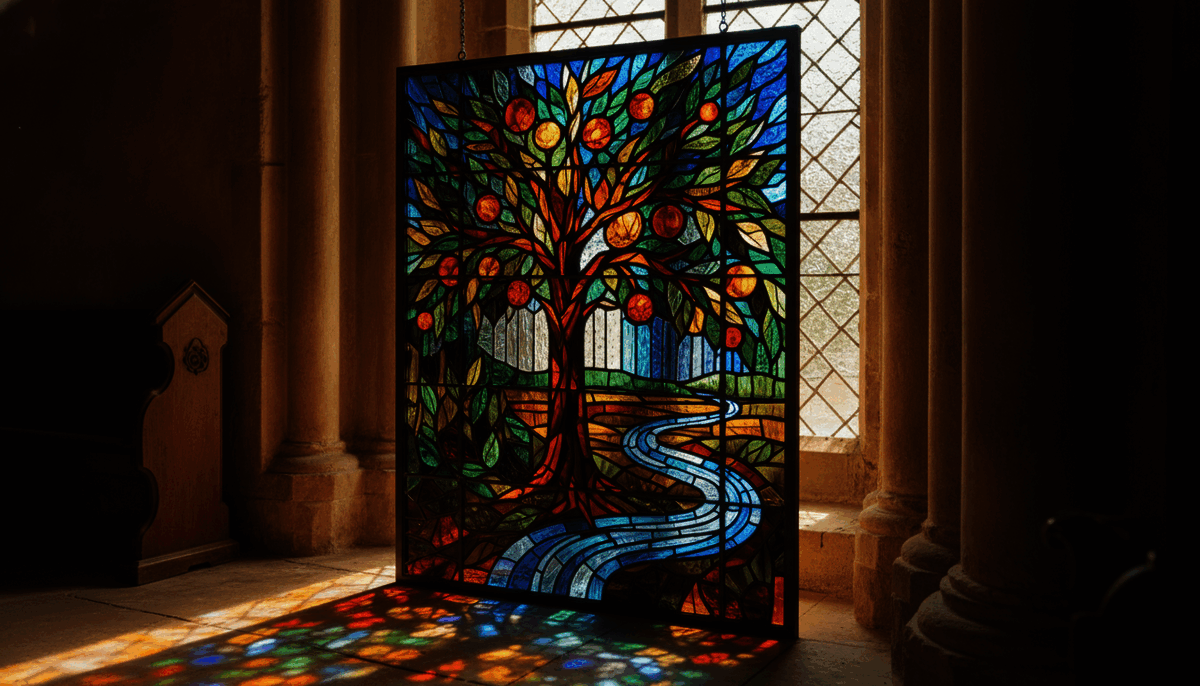
My new studio isn’t the grand space my mother had, but it’s mine. It has one window that catches the afternoon sun, and it’s filled with the tools I was able to buy with the settlement money and a few pieces I managed to rescue. It’s quiet here. I don’t have to worry about anyone coming in to clear my space or tell me that my work is a fire hazard. It’s a sanctuary, a place where I can finally process the grief I had been suppressing for so long.
Learning to work with glass has been the most therapeutic experience of my life. Every cut, every grind, every solder line is a conversation with my mother. I feel her presence in the way the glass feels under my hands, in the way the light dances through a finished piece. It’s a connection that no amount of ‘renovation’ or ‘lifestyle changes’ can ever break. I am carrying on her legacy, not in the walls of a house, but in the work I produce.
“You’re doing exactly what she would have wanted. She wouldn’t have cared about the house; she would have cared about the passion. You’re keeping her alive in the only way that matters: by continuing the art she loved.”
— My aunt, during a visit to my new studio
I still struggle sometimes. There are days when I wake up and wish I could just go back to the way things were, but I know that’s impossible. The house I grew up in is gone, at least in the spirit. I’ve accepted that. I’ve had to build a new sense of ‘home,’ one that isn’t dependent on a physical location or the approval of people who didn’t respect my history.
I’ve also learned that setting boundaries isn’t just about protecting yourself; it’s about honoring your own worth. If I had let Sharon and my father get away with what they did, I would have been telling myself that my history didn’t matter, that my grief was unimportant. By standing up for myself, I was affirming my own identity. I was taking control of my narrative.
The journey hasn’t been easy, but it has been worth it. I am stronger now than I ever was. I’ve learned that life is fragile, that people can change, and that sometimes, you have to let go of the things you love to make room for the things you need. I’m still mourning, but I’m also growing, and for the first time in years, I feel like I’m finally moving forward.
The Final Lesson
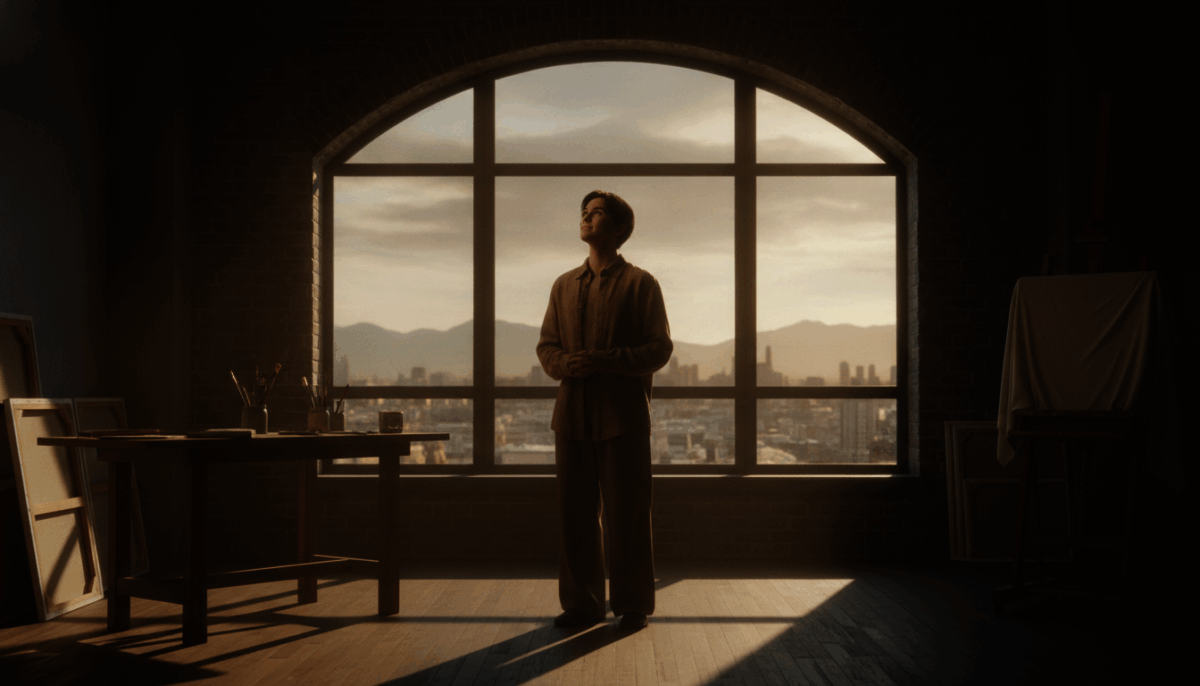
I often reflect on the phrase ‘moving forward’ that my father used so carelessly. He thought it meant deleting the past. I’ve learned that true moving forward means carrying the past with you, not as a burden, but as a foundation. My mother’s influence is the bedrock of my current life, and her absence is a space I continue to fill with my own creations.
The pickleball court serves as a grim reminder of what happens when we prioritize the present over the past. It’s a symbol of the emptiness of consumerism and the danger of ignoring the value of our history. But it’s also a reminder that I have the power to decide what is important. I’ve chosen art, I’ve chosen memory, and I’ve chosen to honor the people who shaped me.
I have no contact with my father or Sharon now. It’s a choice that has brought me a lot of peace. I don’t need to know how they are doing, and I don’t need their validation. I have my own life, my own work, and my own community of people who respect my boundaries and value my history. That is enough.
“The hardest part of grief isn’t losing the person; it’s losing the world that the person created. Once you accept that the world has changed, you can start building a new one—one that is entirely, authentically your own.”
— A wise mentor’s advice during my grieving process
I’ve realized that the studio wasn’t just a place for glass; it was a metaphor for my family. When it was destroyed, the family structure collapsed. But out of that collapse, I’ve been able to build something stronger, something that can’t be easily broken. I’m creating a legacy of my own, one that isn’t tied to a building or a person, but to my own sense of self.
I’m grateful for the lessons I’ve learned, even the painful ones. They’ve made me who I am today. And while I’ll always miss that studio, I know that the real studio—the one in my heart—is something that no one can ever take away from me. I’m moving forward, one piece of glass at a time.
Reflecting on the Reddit Community
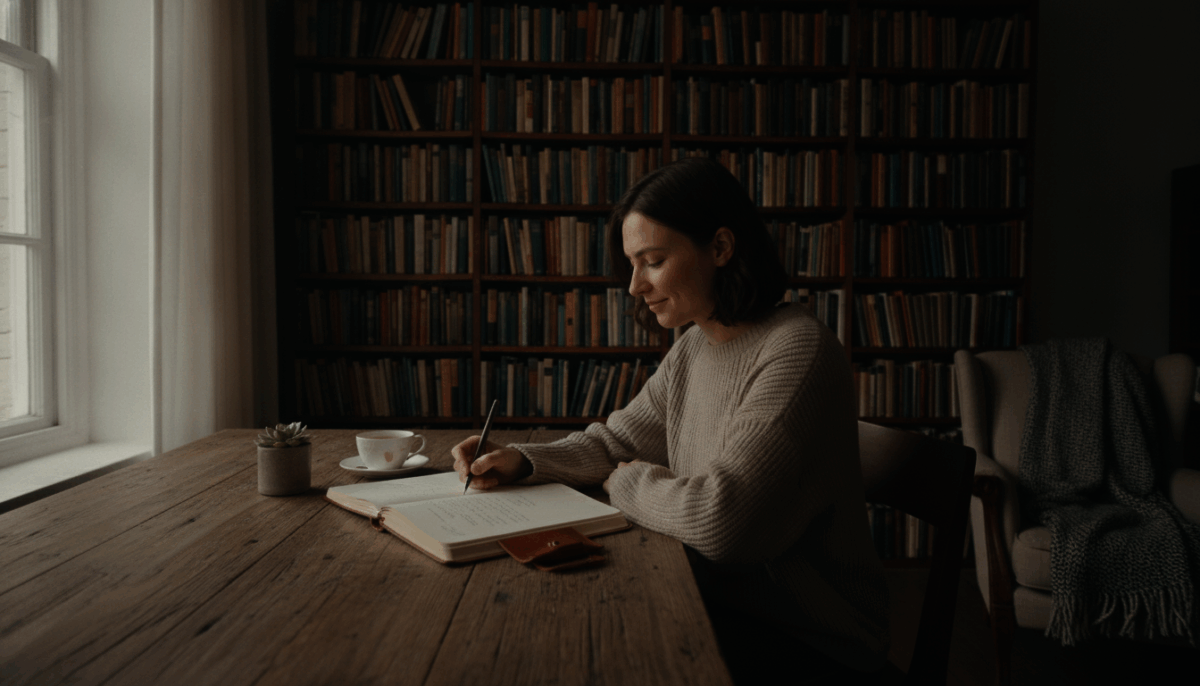
Looking back at the Reddit thread, it’s incredible to see how many people resonated with my story. The thread has since been archived, but I still go back and read the comments sometimes. It’s a reminder that my pain was valid, that I wasn’t just ‘being dramatic,’ and that there is a vast community of people who understand the complexities of grief and boundary-crossing.
Many people have reached out to me with their own stories of inheritance disputes and family betrayal. It’s humbling to know that my experience has helped others find the strength to stand up for themselves. It’s a testament to the power of sharing our stories, even when they’re painful, even when they’re personal.
“Thank you for sharing this, OP. You gave me the courage to finally tell my own stepmother that she couldn’t sell my mother’s jewelry. It was the hardest thing I’ve ever done, but it was the right thing. You saved more than just your studio; you saved yourself.”
— A message from a reader who felt inspired by my post
I’ve learned that the internet, for all its toxicity, can also be a place of profound empathy and support. It provided the validation I needed to trust my own instincts and the strength to take the actions that were necessary. It wasn’t the solution, but it was the catalyst for the change I needed.
I’m planning to write a book one day about my journey—a collection of essays on grief, art, and the importance of boundaries. I think there’s a lot more to say, a lot more to explore. For now, I’m content with my work, my peace, and the life I’ve built for myself. I’m finally, truly, moving forward.
Conclusion
My journey through grief, betrayal, and eventually, healing has been the defining chapter of my adult life. When I lost my mother, I thought I had lost everything. When I lost her studio, I thought I had lost the last piece of her. But I discovered that while physical objects and spaces are finite, the legacy of a person—their passion, their values, their impact—is infinite, provided we are willing to carry it forward ourselves.
The choice to prioritize a trend over a family legacy was a reflection of my father and stepmother’s character, not mine. By drawing a line and enforcing boundaries, I didn’t just protect my inheritance; I protected my sense of self-worth. I learned that we cannot control the actions of others, but we can always control how we respond to them. We can choose to be victims, or we can choose to be architects of our own healing.
Today, my life is filled with the beauty I create. I no longer live in the shadows of the past, but I don’t ignore it either. I integrate it into everything I do. I hope my story serves as a reminder to anyone facing similar challenges that your boundaries are non-negotiable. You are the guardian of your own history.
Discussion Poll: If you found yourself in a situation where a parent was systematically erasing your late loved one’s presence to cater to a new partner’s whims, would you pursue legal action or opt for a clean break to preserve your mental health? Let us know in the comments below!
What's your verdict on this dilemma?
Vote below to contribute to the official community consensus.

Have a Dilemma Keeping You Up at Night?
Share your real-life feud, wedding chaos, or relationship crossroads anonymously with our editorial team.
What do you think ?
0 Comments🛡️ Comments are moderated to protect community integrity. Your comment will appear once approved by the editorial team.