
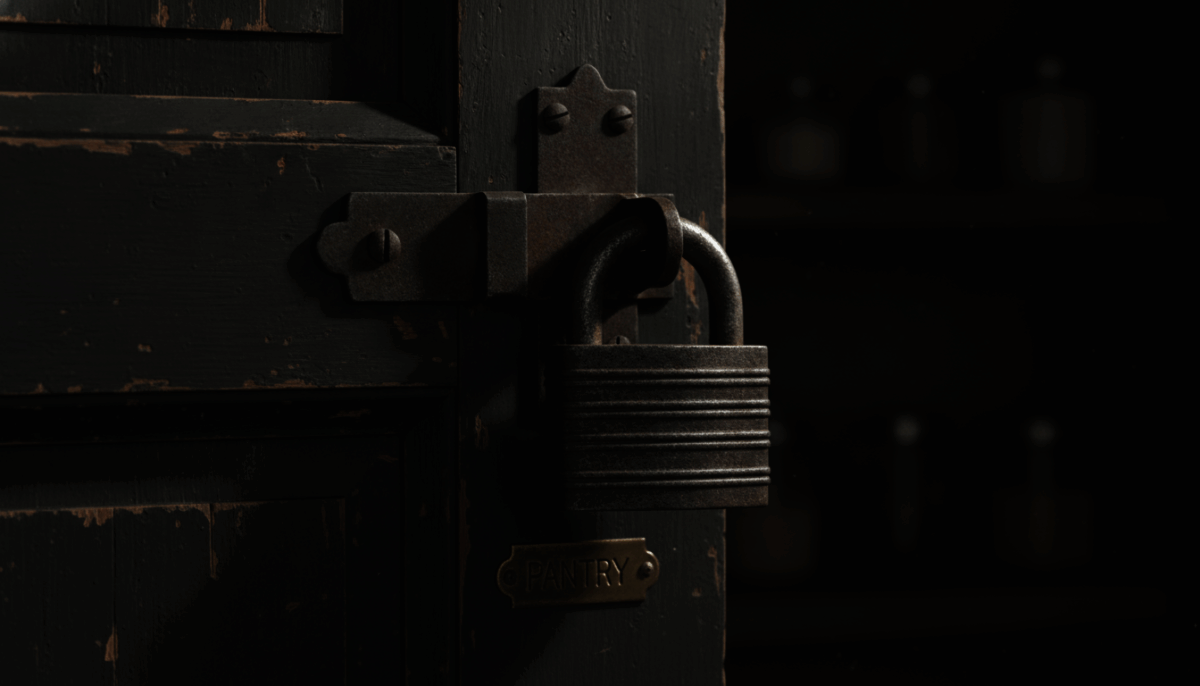
Living with roommates is often described as a delicate dance of shared space, unspoken social contracts, and the occasional battle over the dishwasher. For most, the conflicts are trivial: a misplaced coffee mug, a noise complaint, or a forgotten chore. But for me, the threshold of sanity was crossed not with a loud party or a missing rent payment, but with the subtle, oily deceit of a substitute ingredient. I am a self-professed culinary hobbyist. I spend my weekends sourcing the finest ingredients, from heirloom tomatoes to $18 bricks of cultured, high-fat artisan butter from a local dairy.
My roommate, let’s call him Jason, was always the “low-maintenance” type. He didn’t cook, he didn’t clean, and he certainly didn’t value the nuances of a good beurre blanc. For months, I tolerated the occasional swipe of my milk or the disappearing loaf of sourdough. But when I reached into my refrigerated butter crock to prepare a delicate pastry crust, only to find the texture suspiciously waxy and the flavor profile distinctly porcine, I knew the line had been crossed. The realization that my $20 artisanal butter had been replaced with industrial-grade, yellow-tinted lard wasn’t just a culinary insult; it was a profound violation of trust.
The events that followed—the passive-aggressive text messages, the installation of a stainless steel security hasp on my pantry, and the eventual public fallout—have left our living situation in ruins. Was I the villain for demanding respect for my property, or was I merely reacting to a series of escalating boundary violations? This is the story of how a small smear of lard turned my home into a battlefield.
The Morning of the Waxy Discovery
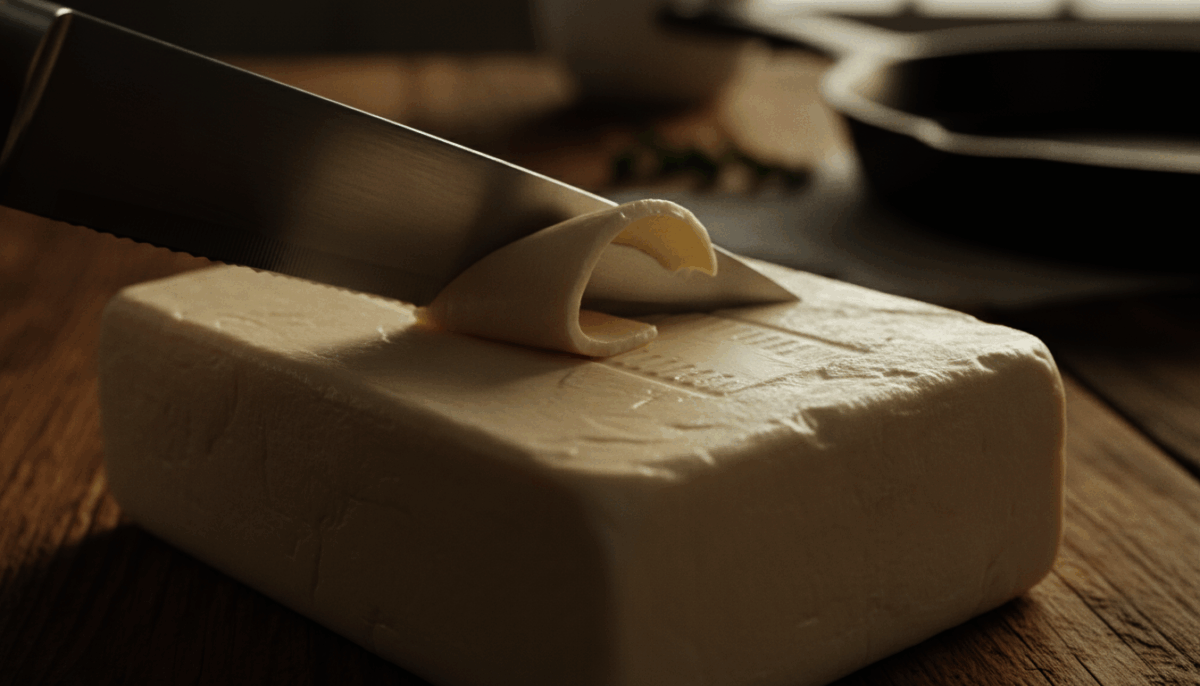
It was a Saturday morning, the kind where the sunlight streams into the kitchen and invites a slow, deliberate breakfast. I had planned a croissant bake that required precise temperature control and the highest quality fat content. I pulled my ceramic crock from the fridge, the one reserved exclusively for my Vermont-made cultured butter. As I drew my knife through the block, the resistance was wrong. It didn’t yield with that creamy, velvet-like consistency I had paid for. It felt dense, sluggish, and oddly heavy.
I took a sliver and tasted it. My stomach turned instantly. The unmistakable, gamey, heavy aftertaste of cheap lard coated my palate. I looked at the block again. Someone had carefully tried to color it with a drop of yellow food dye to mimic the rich, golden hue of the pasture-raised butter I usually bought. It was a calculated, deliberate swap. The rage that surged through me wasn’t just about the money; it was about the sheer audacity required to gaslight me in my own kitchen.
“Jason, did you touch the butter in the fridge? And more importantly, did you swap it with something else? I need the truth right now.”
— Sent via iMessage at 9:15 AM
I waited for the response, pacing the small galley kitchen. The silence was deafening. Jason didn’t work Saturdays, so I knew he was likely awake, likely playing video games in his room, ignoring my notification. When the three dots finally appeared and vanished, then reappeared, I knew he was cooking up an excuse. This wasn’t the first time he had taken liberties with my shelf, but it was the first time he had attempted an elaborate cover-up.
The irony was that Jason rarely even ate breakfast at home, preferring to grab a bagel from the corner store. Why would he need to swap the butter? Maybe he was cooking for someone else, or maybe, just maybe, he was testing me to see how much of my life he could colonize before I finally blew a fuse. The kitchen felt like a crime scene, and the culprit was currently hiding behind a closed door down the hall.
The Confrontation in the Hallway
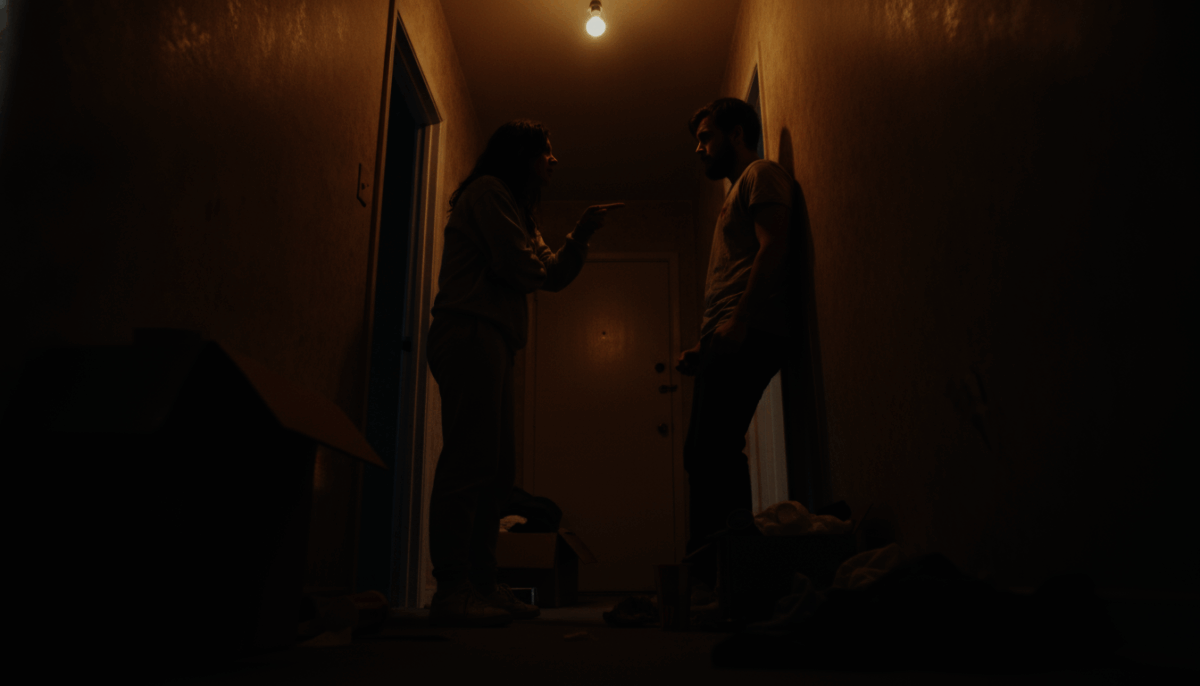
I didn’t wait for his text. I marched down the hall and knocked firmly on his door. He opened it, controller still in hand, wearing that trademark look of feigned innocence. I held up the tub of lard, which I had found tucked away in the back of the pantry behind his stack of protein powders. The confrontation was immediate and heated. I didn’t care about politeness anymore; I cared about the principle of the thing.
“Are you kidding me, Jason? You took my $20 butter and replaced it with a three-dollar tub of pig fat? What is wrong with you? Do you think I’m that stupid that I wouldn’t notice the difference?”
Jason’s face didn’t drop. Instead, he chuckled, a sound that made my blood boil. He leaned against the doorframe, his posture entirely too relaxed for someone who had just committed a culinary felony. He claimed that he’d had a girl over the night before, they wanted to make grilled cheese, and he didn’t want to run to the store. He thought I wouldn’t notice because, in his words, “fat is fat.”
I told him that it wasn’t about the fat; it was about the boundary. I explained that I pay for my own groceries, I label them, and I keep my shelf organized. He countered by saying that living with me felt like living in a “museum display” rather than a home. The audacity of calling my organizational habits a museum while he was actively sabotaging my kitchen supplies was lost on him. It was a fundamental disconnect in our values.
The argument escalated as he began to list all the times I had “hoarded” the kitchen space, as if my desire to have a functioning workspace was a personal attack on his lifestyle. He didn’t see the theft as a problem; he saw it as a response to my “elitist” cooking habits. By the time I walked away, I knew that talking it out was not going to solve a thing. He felt entitled to my things, and I was going to have to make it physically impossible for him to take them.
The Installation of the Fort Knox Pantry
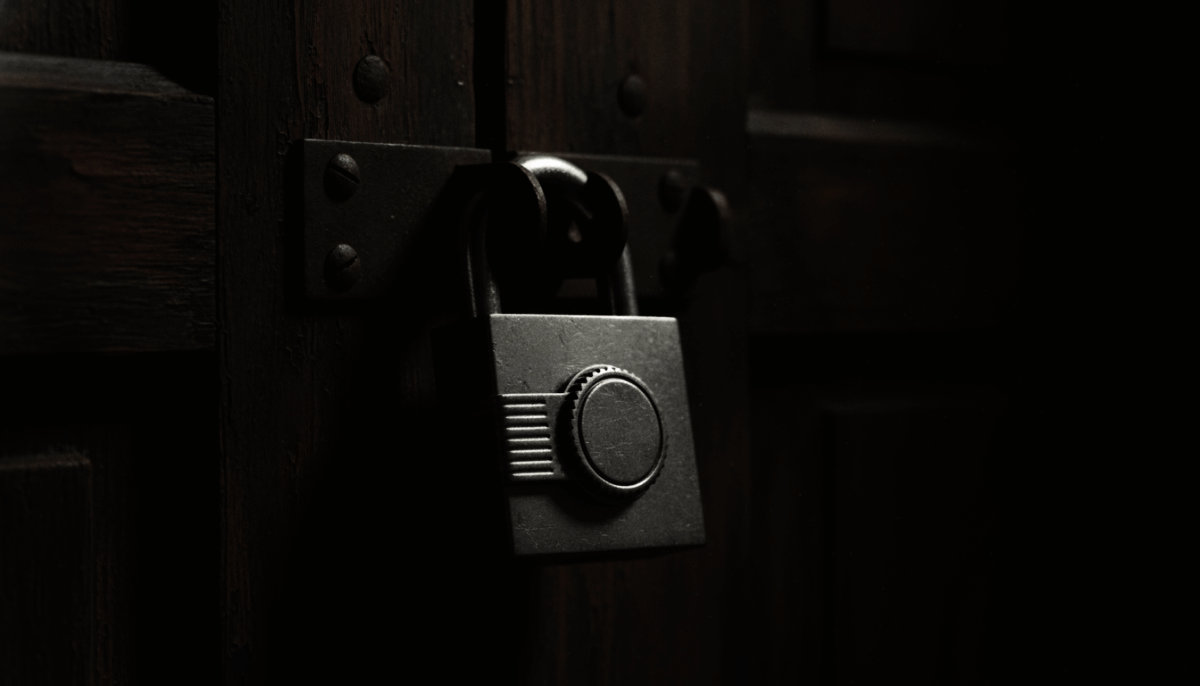
I spent that afternoon at the local hardware store. I wasn’t there for ingredients; I was there for security. I bought a heavy-duty, industrial-grade stainless steel hasp and a high-security padlock with a hardened steel shackle. My plan was simple: if he couldn’t respect the invisible boundaries of ownership, I would provide him with a very visible, impenetrable one. It was petty, yes, but in the moment, it felt like the only way to regain control over my own home environment.
I spent two hours drilling into the pantry frame, ensuring the screws were long and anchored securely into the studs. As I turned the final screw, I felt a strange sense of catharsis. No more missing milk. No more half-eaten blocks of cheddar. No more lard-swapped butter. The pantry was now a fortress. When I finished, I sat on the kitchen floor, admiring the glint of the padlock. It was a beacon of reclaimed autonomy.
Jason walked in about an hour later, looking for his evening snack. He stopped dead in his tracks when he saw the padlock gleaming in the light. He stared at it for a long moment, then turned to me with an expression of pure, unadulterated shock. He didn’t say a word. He just turned around, grabbed his keys, and slammed the front door on his way out to get takeout. I knew then that the real war had just begun.
The following morning, I found a note on the island. It wasn’t an apology. It was a list of grievances, itemizing how much he felt he contributed to the apartment—a dubious list that included “occasional trash removal” and “fixing the Wi-Fi once.” He felt the padlock was an insult, a statement that I didn’t trust him. I looked at the note, crumpled it, and threw it in the trash. The trust wasn’t broken by the lock; the lock was the result of the trust being shattered.
The Leaked Group Chat Revelation
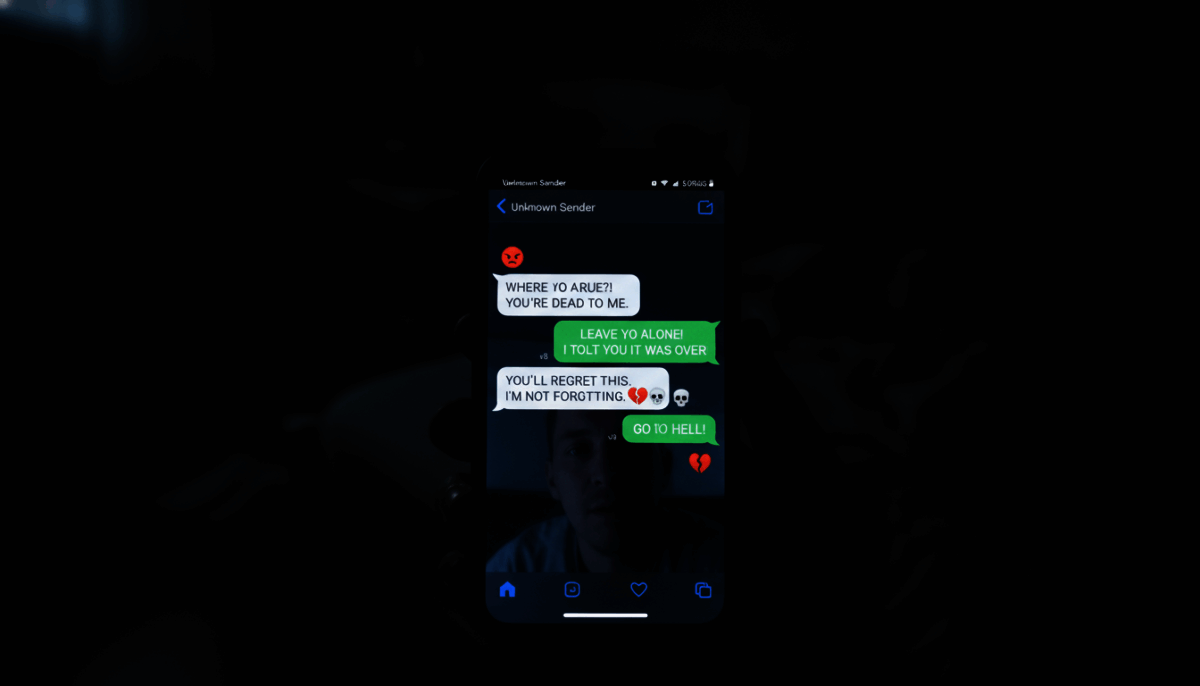
The next phase of the conflict happened where all modern tragedies reside: on the group chat. I was added to a thread titled “Roommate Drama,” which I assumed was for us to sort out the lease issues. Instead, I discovered that Jason had been running a campaign of misinformation about me to our mutual friends and even our landlord. The messages were eye-opening, painting me as a controlling, obsessive maniac who “locked away food like a prison warden.”
“Honestly, he’s lost it. He put a literal padlock on the pantry today. Who does that? I’m worried about his mental state. Might need to talk to the landlord about a lease break because this place is becoming toxic.”
— Jason, in the group chat
I read through the messages, feeling a cold numbness take over. It wasn’t just the butter; it was the systematic attempt to undermine my character. I saw people I thought were friends agreeing with him, laughing at the “absurdity” of my actions without knowing the context of the lard-swap. The betrayal stung more than the theft. I had been a supportive roommate, helping him with his resume, even covering his portion of the utility bill when he was short on cash.
I didn’t respond in the chat. I simply screenshotted the entire conversation, including the parts where he admitted to “borrowing” things without asking. I needed evidence. If this was going to go to the landlord, I wanted to be ready. The “prison warden” comment was particularly rich considering he had been the one invading my space for months. I felt a strange sense of clarity; I was no longer fighting for butter; I was fighting for my reputation.
I realized then that this was never about the butter. It was about a difference in lifestyle and a failure to communicate boundaries. He wanted a dorm-style living situation where everything was communal and up for grabs, and I wanted a respectful, adult shared space. Those two worlds couldn’t coexist, especially when one party felt entitled to the other’s property. The group chat was just the final nail in the coffin of our friendship.
The Landlord’s Unexpected Visit
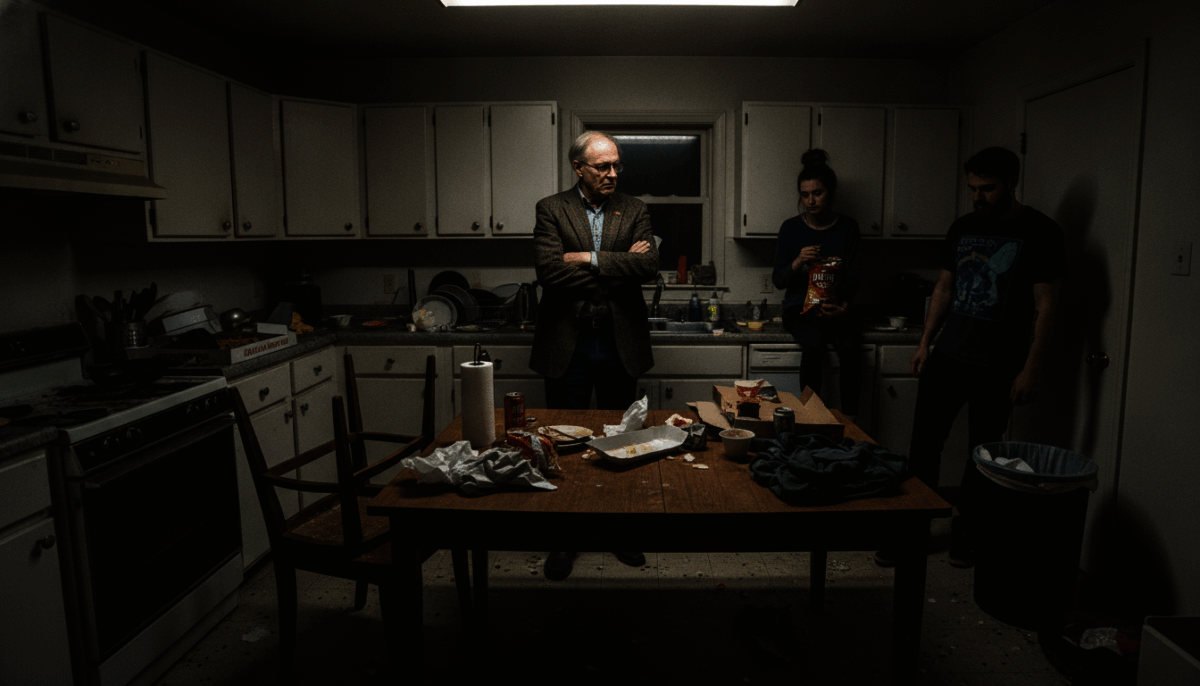
The knock on the door came early on a Tuesday. It was our landlord, Mr. Henderson, a man who usually only appeared when the rent was late or the pipes were leaking. He looked uncomfortable, shifting from one foot to the other. He mentioned that he had received some “disturbing reports” about the state of the apartment and specifically about the “modifications” I had made to the pantry. I invited him in, feeling calm.
I led him straight to the pantry. I opened it with my key, revealing a clean, organized, and perfectly normal pantry. I then pointed to the photos I had taken of the lard tub disguised as butter and the various other items Jason had damaged or stolen over the months. I explained the context, showing him the screenshots of the group chat. Mr. Henderson looked from the pantry to the photos, his expression shifting from concerned to annoyed.
“I don’t care about the lock, son. I care about the lease. You two are adults. If you can’t live together, that’s on you. But if there’s damage to the property, I’m holding both of you responsible. Sort it out or the lease is done for both of you.”
He left without much more fanfare. He clearly didn’t want to play referee in our personal squabbles. Jason, who had been listening from his room, emerged as soon as the door closed, looking smug. He thought the landlord was on his side. He didn’t realize that the landlord just wanted us to stop being a nuisance. He told me I was still an “unhinged weirdo” for dragging the landlord into it.
I told him that I was done. I was going to look for a subletter for my room. I couldn’t live in a space where I was being gaslit and slandered. The irony was that he didn’t want to move, but he also didn’t want to follow basic human decency. He wanted the convenience of a roommate he could exploit without the consequences of having to treat that person with respect. The situation was untenable.
The Internet Weighs In

That night, in a moment of frustration, I posted the whole story on an AITA forum. I needed to know if I was actually the villain. I laid out the facts: the butter, the lard, the padlock, the group chat, and the landlord visit. I expected a polarized response, but the sheer volume of support was overwhelming. The community didn’t see me as a “prison warden”; they saw me as a person who had finally reached their breaking point.
“NTA. You didn’t start the war; you just brought the artillery. A padlock is a perfectly reasonable response to someone who has repeatedly stolen from you and then gaslit you about it. Move out ASAP. Life is too short to live with a thief.”
— u/KitchenWarrior, 15.2k upvotes
It was validating to see so many people who had dealt with similar “roommate parasites.” They shared stories of missing ingredients, eaten leftovers, and the frustration of trying to maintain boundaries in a shared space. It helped me realize that my reaction wasn’t disproportionate; it was a necessary boundary in a failed relationship. The validation helped me sleep for the first time in weeks.
However, there were dissenting voices. Some argued that I was being “aggressive” and that a conversation would have been better. I wanted to reply to them, to explain that I had tried ten conversations over six months, but I decided against it. The internet had given me the perspective I needed, and it wasn’t about winning a debate with strangers; it was about accepting that I had done the right thing for my own sanity.
The thread became a repository of advice on how to handle living situations. People shared checklists for cleaning, agreements for communal supplies, and tips on how to vet future roommates. It was a community-sourced guide on how not to end up in a situation like this again. I felt less isolated, less like the crazy person in a broken apartment, and more like someone who had successfully extracted themselves from a toxic environment.
The Final Move-Out Day

Packing my bags felt like an exorcism. I took the padlock off the pantry, leaving it for the next occupant as a memento of the “Great Butter War.” Jason stayed in his room the entire time I was packing, occasionally playing loud music or slamming his door, a final, pathetic attempt to assert dominance. I didn’t care. I was leaving, and that was the only victory that mattered.
As I moved the last box into my truck, I looked at the apartment one last time. It wasn’t perfect, but it had been my sanctuary for a while. It was sad to see how a simple misunderstanding—or rather, a simple act of disrespect—could unravel a year of history. But people change, and sometimes, the best part of a relationship is knowing when to end it before it ruins your mental health.
I left the key on the kitchen island, right next to the empty tub of lard that I had cleaned and placed there as a final jab. It was petty, perhaps, but it felt good. As I drove away, I felt the weight of the last few months lifting. I wasn’t just moving to a new apartment; I was moving to a new chapter, one where my artisan butter would be safe and my boundaries would be respected.
Jason sent one last text as I was pulling onto the highway. It was just an emoji of a middle finger. I didn’t respond. I blocked his number, deleted his contact, and focused on the road ahead. The drama was over, the battle was won, and I was finally free to cook whatever I wanted, with whatever ingredients I chose, in a kitchen that belonged to me.
Reflecting on the Butter Boundary
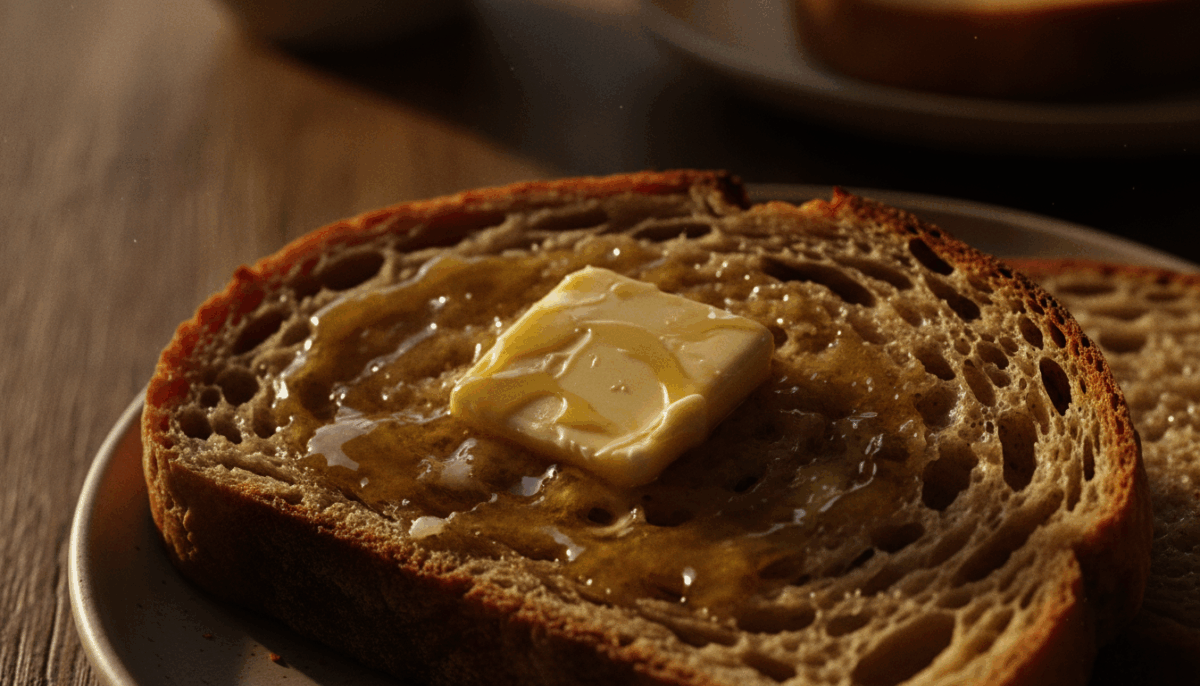
Looking back, the whole thing sounds absurd. A war over butter? It’s the kind of thing that makes you question your priorities. But when you live in a space, that space is an extension of your own identity. When someone invades that space, it’s not just about the items they take; it’s about the erasure of your personal standards and your sense of security. The padlock wasn’t about the butter; it was about reclaiming the right to exist in my own home.
I learned a lot about myself in the process. I learned that I can hold my ground when I’m pushed, that I don’t need validation from people who don’t respect me, and that sometimes, the most “unhinged” thing you can do is stand up for yourself in a way that others find inconvenient. The “AITA” status was never the point; the point was the restoration of my own peace of mind.
My new living situation is a dream. My roommate is a professional chef who understands the importance of high-quality ingredients and mutual respect. We have a shared spreadsheet for communal items, and everything else is clearly demarcated. It’s a boring, stable, and incredibly peaceful living situation. Sometimes, boring is the greatest luxury you can have.
And yes, I still buy the $18 butter. Every time I spread it on a piece of toasted sourdough, I think of the lard-swap, and I smile. Not because of the anger, but because of the lesson. Boundaries are essential, and they are worth defending, even if it means installing a padlock.
Conclusion
The saga of the artisan butter and the yellow lard reminds us that the smallest domestic conflicts often serve as the crucible for our most significant personal growth. Whether it is a stolen grocery item or a major breach of trust, the way we handle these moments defines our integrity and our self-respect. While I may have been labeled the “padlock roommate” in certain circles, I stand by my choice to protect my property and my peace.
In the end, this was never really about the dairy. It was about the fundamental requirement that we be treated with courtesy in the places we call home. If you find yourself in a similar situation—feeling like a prisoner in your own apartment—remember that you are not powerless. You have the right to set boundaries, even if they aren’t popular. You have the right to curate your environment. And most importantly, you have the right to buy the expensive butter without fear of it being replaced by pig fat.
What about you? Have you ever had to take drastic measures to protect your space or your belongings from a roommate gone rogue? Did you resort to a padlock, a hidden camera, or a stern conversation? Let us know in the comments below—the community is waiting to hear your stories of boundary battles and petty victories.
What's your verdict on this dilemma?
Vote below to contribute to the official community consensus.

Have a Dilemma Keeping You Up at Night?
Share your real-life feud, wedding chaos, or relationship crossroads anonymously with our editorial team.
What do you think ?
0 Comments🛡️ Comments are moderated to protect community integrity. Your comment will appear once approved by the editorial team.