
Grief is a strange, distorted lens through which we view our relationships. When my grandfather, a man who spent his entire life working in the automotive industry, finally passed away at eighty-four, the air in the family living room was thick with more than just mourning. It was thick with unspoken expectations, hidden debts, and the kind of simmering resentment that only family members can truly cultivate.
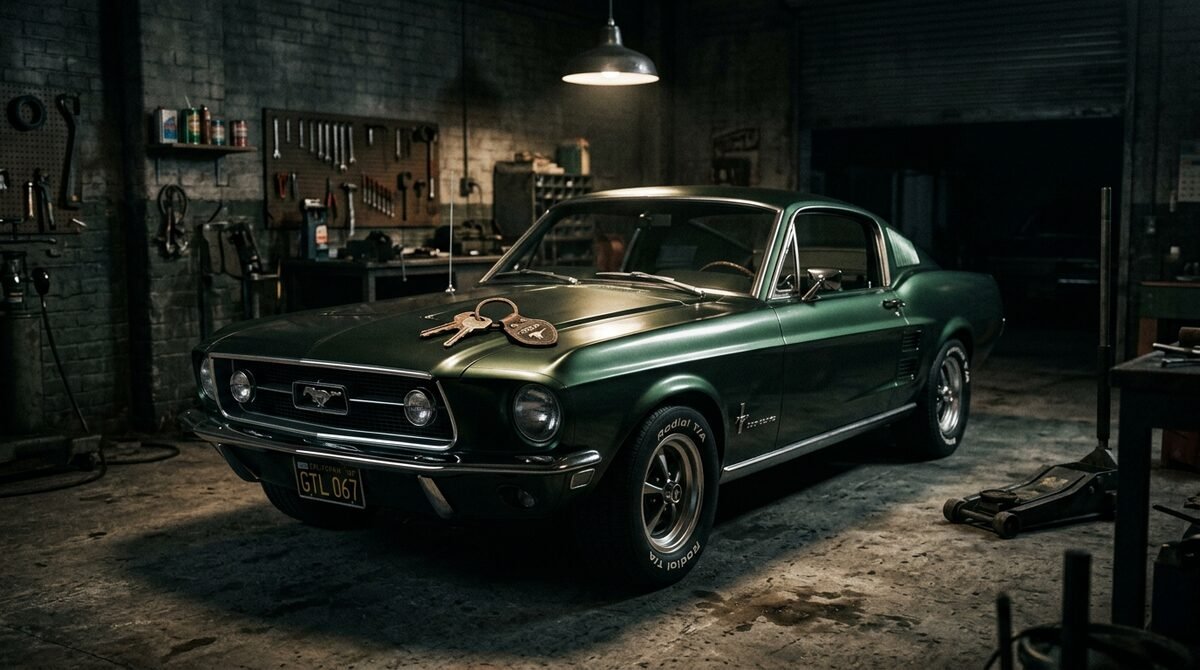
My grandfather had been a collector, but his heart belonged to one specific machine: a cherry-red 1967 Mustang fastback he had restored from a rust bucket in the late nineties. He taught me how to change the oil, how to listen for a misfire, and how to appreciate the smell of high-octane fuel on a Sunday morning. We spent years in that garage, grease under our fingernails, building a bond that excluded the rest of the world.
When the will was read, it wasn’t a surprise to me that he left the car, and the specific maintenance fund associated with it, entirely to me. I had been the one there, wrench in hand, while everyone else was busy with their own lives. But to my Uncle Marcus, this wasn’t a reward for my labor; it was a personal slight, an insult to his perceived seniority, and a challenge to his authority.
The moral dilemma started long before the funeral. It started with a phone call, then an email, and eventually escalated into a public confrontation that would leave the entire extended family choosing sides. I wasn’t just losing a grandfather; I was being forced to defend his last will and testament against a man who believed that inheritance was a birthright, not a gift.
The Wake-Side Ultimatum
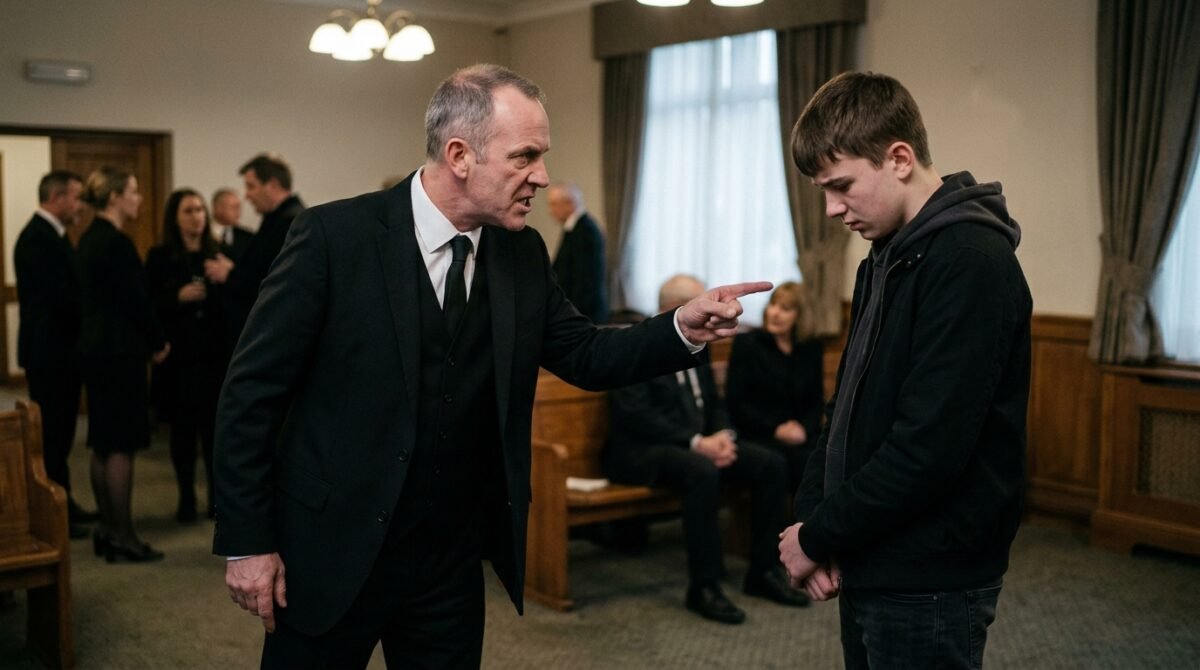
The wake was meant to be a quiet affair, a chance to share memories and find closure. Instead, it became the stage for a confrontation that felt entirely out of place amidst the lilies and the soft jazz. I was standing by the refreshment table, trying to distract myself from the heavy silence of the funeral home, when I felt a firm, almost painful grip on my shoulder.
It was Uncle Marcus. He didn’t offer condolences. He didn’t ask how I was holding up. He leaned in, his breath heavy with black coffee, and cut straight to the chase. The environment was suffocatingly formal, yet his voice was jagged with raw, unprofessional aggression.
“I know what’s in the will, and I know you think you’ve earned that car just because you spent a few Saturdays playing grease-monkey with him. But that car is a piece of family history, and it belongs in the hands of someone who actually knows how to respect a legacy. Hand over the keys before we leave today, or we are going to have a very different conversation.”
I stared at him, my heart hammering against my ribs. I had expected some pushback, perhaps a snide comment about the car being ‘too much’ for me to handle, but this was a direct, coercive demand. It was brazen, and it was deeply insulting to the man we were currently mourning.
I took a step back, my voice barely a whisper but firm. I told him that the car was a gift from my grandfather, specifically mentioned in his will, and that I had no intention of handing over the keys. I told him it wasn’t up for negotiation, and that he needed to stop acting like he was entitled to anything beyond what the executor had allotted him.
The look on his face changed from demand to pure, unadulterated rage. He didn’t yell, which made it worse. He just sneered, a tight, thin-lipped expression that I had seen before in family arguments. He told me that I was being ‘selfish and short-sighted,’ and that the family would remember how I treated him during his time of grief. He was projecting his own greed onto me with a surgical level of precision.
I walked away then, leaving him standing there in his funeral suit, his hands balled into tight, trembling fists. I knew then that this wasn’t going to be a simple dispute. This was going to be a campaign of attrition, and my uncle had already decided that he was the one who was going to win. I wasn’t going to make it easy for him, though.
The Late-Night Digital Siege
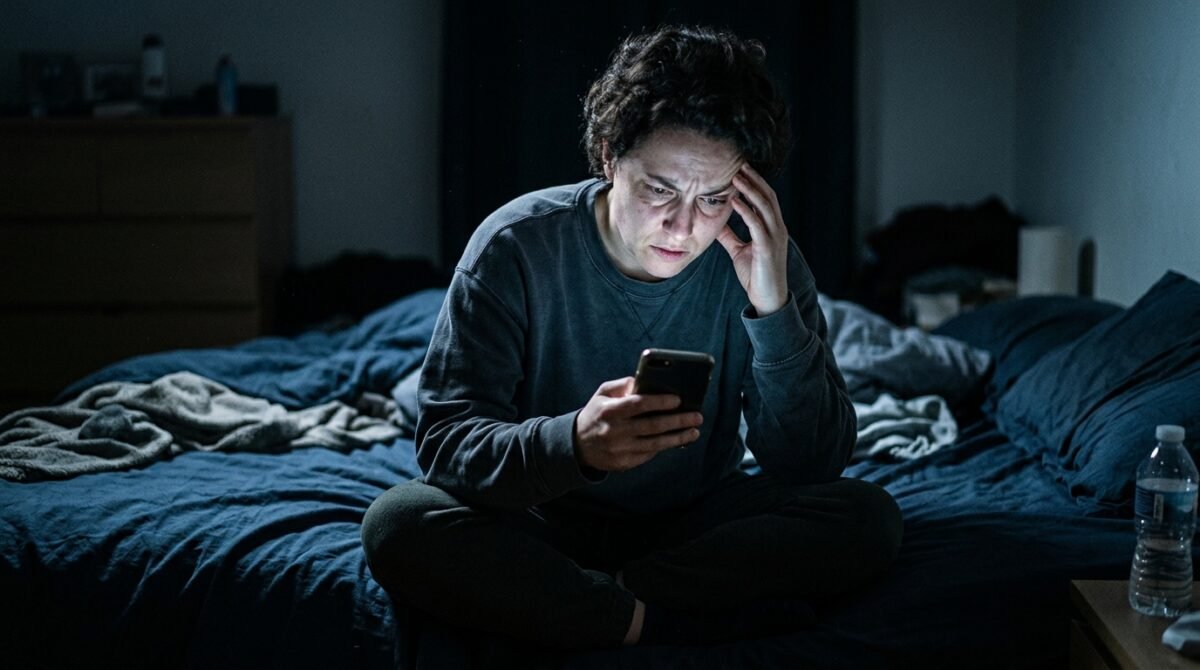
I had hoped the funeral would be the end of the public spectacle, but Marcus wasn’t a man who let things go quietly. By 2:00 AM that night, my phone began vibrating incessantly against the nightstand. It wasn’t just one message; it was a deluge of texts, screenshots of family group chats, and long, rambling emails about ‘respecting elders’ and ‘keeping the family unit together.’
The group chat had become a war room. My cousins were being tagged in, forced to take sides in a dispute they knew nothing about. Marcus was spinning a narrative where I had ‘stolen’ the car from the estate and was flaunting it in the face of my grieving relatives. He was playing the victim with a level of dedication that was almost impressive if it wasn’t so infuriatingly dishonest.
“Look, everyone needs to know that OP is refusing to honor the family agreement regarding the car. It’s a disgrace to Grandpa’s memory. If you have any respect for him, you’ll tell OP that the keys need to be handed over to me immediately. This is about family honor, not ownership.”
— Uncle Marcus in the Family Group Chat
I read the messages as they came in, the blue light of my phone casting a harsh glow across my room. I realized that responding in the group chat would only feed the beast. Instead, I took screenshots of everything—the threats, the gaslighting, the demands. I knew I needed a record. I wasn’t going to be the villain in his fabricated story.
I replied to the group chat once, a short and clinical message. I stated that the car was gifted in the will, that probate was already being handled by the estate lawyer, and that any further harassment would be documented and reported. The silence that followed was heavy and immediate. It was the digital equivalent of a shockwave.
By morning, my phone was quiet, but I knew it was the calm before the storm. Marcus wasn’t the type to be silenced by a lawyer’s name-drop. He was the type to double down. I spent the next three hours drafting a formal document for the estate lawyer, detailing every interaction and every demand. I was playing a game of chess, and he was still trying to wrestle me into a street fight.
My mother called me at noon. She was crying, caught in the middle. She told me she loved me, but that Marcus was ‘very upset’ and maybe I could just ‘let him take it for a drive’ to calm him down. I realized then that the enabling was going to be just as dangerous as the aggression. I had to set a firm line: no, no, and absolutely no.
The Unannounced Garage Intrusion
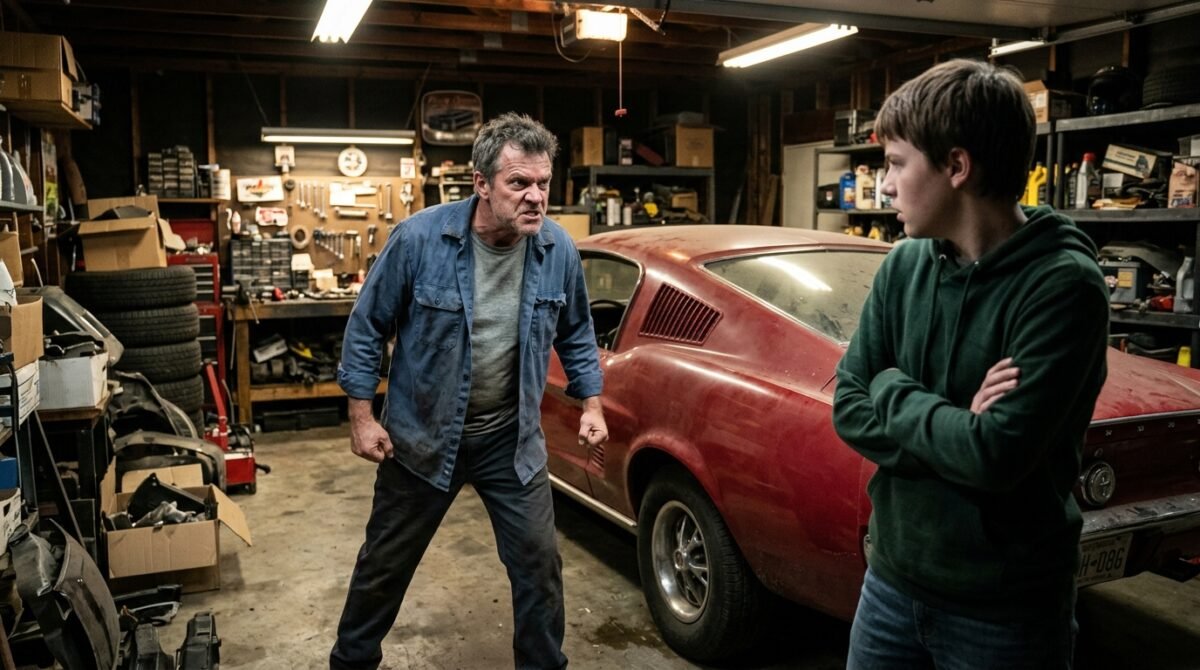
Two days later, I was in the garage, finally working on the engine of the Mustang to clear my head. It was the only place I felt close to my grandfather. The smell of oil and old leather was a balm to my frazzled nerves. I had the hood up and was checking the spark plugs when the garage door sensor beeped. I assumed it was my sister coming over, but the silhouette that walked through the door was unmistakably Marcus.
He didn’t knock, he didn’t call out. He just marched in, looking around the space as if he were appraising a property he intended to purchase. He walked right up to the car, his eyes lingering on the hood emblem. He didn’t look at me. He just started running his hand over the paint, a gesture that felt like a violation of the space I was in.
“You know, it’s a crime to keep a car like this in a private garage. It should be at shows. It should be driven. You’re just letting it collect dust while you play at being a mechanic. I’ve already contacted a transport service. They’ll be here tomorrow to take it to my climate-controlled facility.”
I dropped the wrench I was holding. The clang echoed off the concrete walls like a gunshot. I stood up, my pulse racing. I told him he had about ten seconds to leave before I called the police for trespassing. The audacity was staggering. He wasn’t just asking anymore; he was planning a theft.
He laughed, a dry, dismissive sound. He told me that as a member of the family, he couldn’t ‘trespass’ on property that rightfully belonged to the estate, and since the car was ‘family property,’ he had every right to oversee its storage. He was living in a fantasy world where his status as ‘Uncle’ overrode both the law and his late brother’s clear instructions.
I didn’t argue. I pulled out my phone and dialed the local non-emergency line, holding the screen up so he could see. He scoffed, claiming I was being ‘hysterical,’ but he didn’t wait for the call to connect. He turned on his heel and walked out, pausing only to tell me that I would ‘regret this’ before the week was out. I locked the garage door and leaned against it, shaking.
I spent the next six hours installing a new security camera system and changing the locks on the garage door. I realized that my grandfather had known exactly what kind of man Marcus was, which is why he had left the keys and the legal documents in my hands alone. The protection wasn’t just for the car; it was for the integrity of his final wishes.
The Decision to Sell
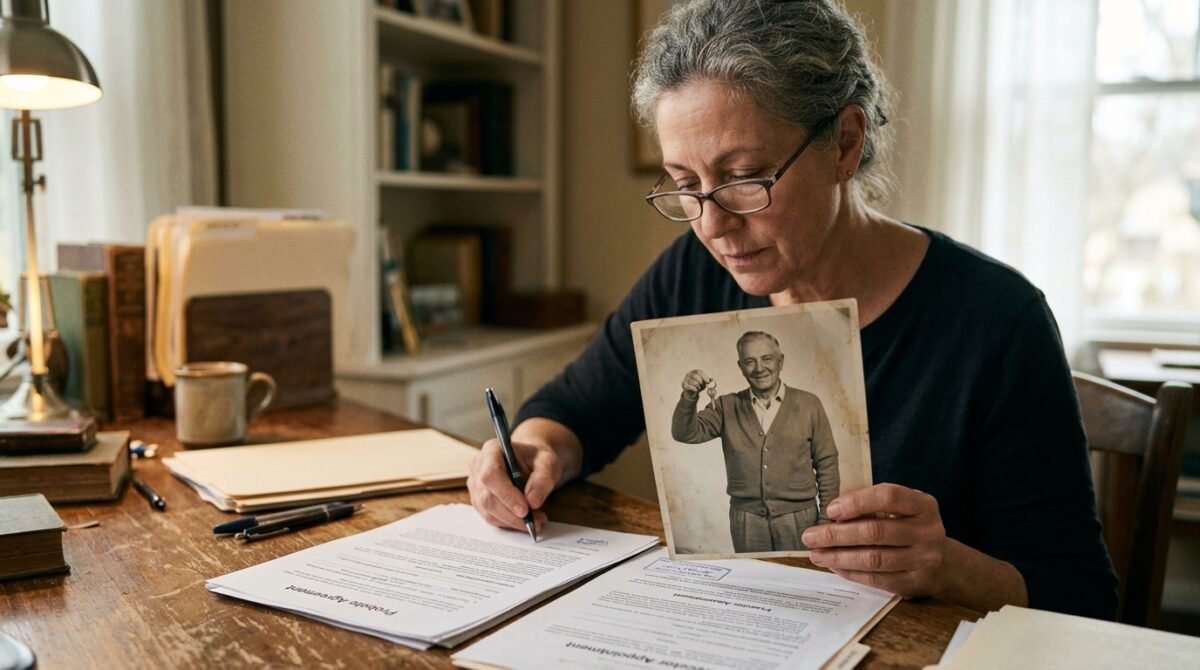
The realization hit me that night. As long as I kept the car, it would be a lightning rod for this conflict. Marcus wouldn’t stop; he would find new ways to harass me, new ways to threaten me, and new ways to drag our family name through the mud. The car, which represented my grandfather’s love and our shared memories, had become a symbol of greed and entitlement.
I sat on the floor of the garage, looking at the Mustang. I loved that car, but I loved my peace of mind more. I realized that if I kept it, I would be tethered to Marcus’s drama for years. If I sold it, the object of his obsession would disappear, and perhaps, the conflict would lose its fuel. It was a painful, gut-wrenching decision, but it felt like the only way to reclaim my life.
I called an appraiser the next morning. I didn’t tell anyone. I wanted the deal done before anyone could intervene. The appraiser looked at the car, his eyes widening at the condition of the engine. He told me it was a pristine example of a ’67, and that the market for them was currently at an all-time high. The number he gave me was far higher than I had anticipated.
“You have a rare vehicle here. The documentation you have from your grandfather—the service logs, the receipts, the original bill of sale—it adds immense value. You could sell this to a private collector or put it through an auction house. Either way, you’re looking at a significant sum.”
I told him to list it. I didn’t care about the money as much as I cared about getting it out of my uncle’s reach. I wanted it to go to someone who would appreciate it for what it was, not someone who wanted to use it as a trophy to assert their superiority over their nephew. I was selling the conflict, not just the car.
By the end of the day, I had a buyer lined up—a genuine collector who promised to keep the car in the condition it deserved. The paperwork was drawn up, and the meeting was set for the following Saturday. I felt a strange sense of relief mixed with profound sadness. I was losing the physical connection to my grandfather, but I was gaining my freedom from a toxic cycle.
I sent a brief, cold email to Marcus that evening. I didn’t explain myself. I didn’t offer an apology. I simply stated that the car was no longer in the family’s possession, and that any further attempts to contact me or visit my property would be handled through legal channels. I hit send and turned off my phone for the first time in a week.
The Fallout at the Sunday Dinner
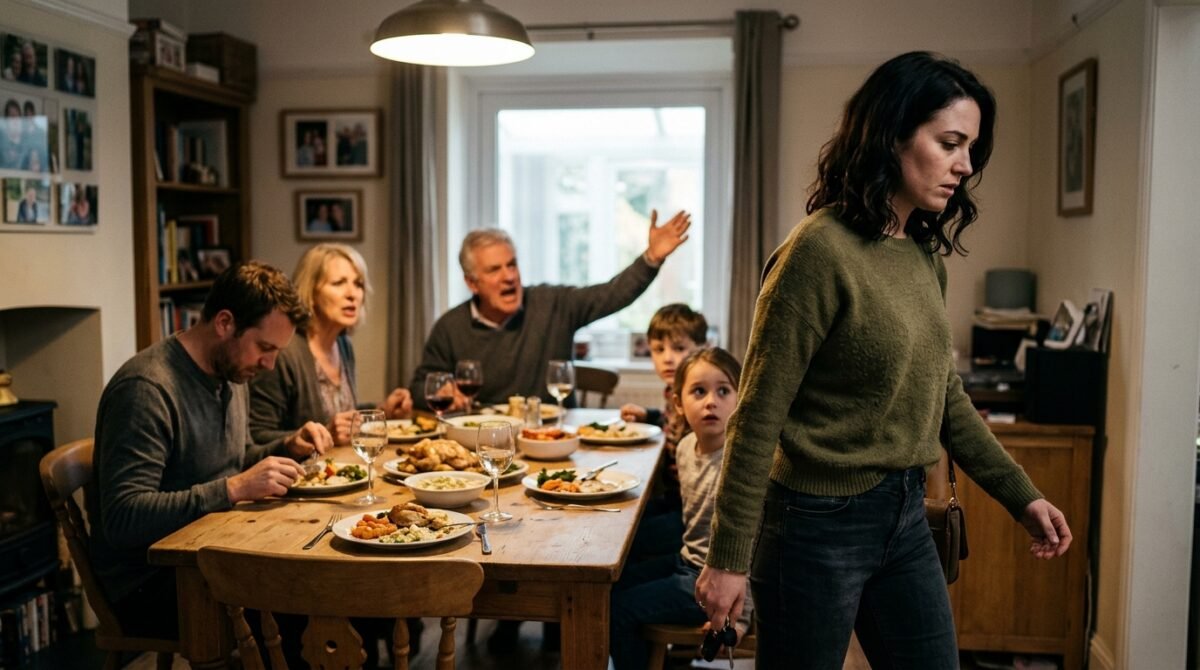
Sunday dinner was a tradition I had dreaded for years, but this time, it was more like walking into a gladiator pit. I arrived to find the entire family gathered, the air thick with tension. My mother wouldn’t meet my eyes. My aunt was whispering to my cousins, and Marcus was sitting at the head of the table, his face a mask of controlled rage.
As soon as I sat down, the silence became absolute. Everyone knew. Someone had obviously leaked my email to the family. Marcus didn’t waste time with pleasantries. He slammed his hand on the table, the plates rattling. The look he gave me was one of pure, unadulterated hatred. He didn’t even care that he was making a scene in front of my younger cousins.
“You sold it. You actually sold a family heirloom to some stranger just to spite me? Do you have any idea what you’ve done? You’ve stripped this family of a piece of its history, all because you’re too immature to handle a responsibility that was meant to stay within these walls!”
I looked around the table. My cousins were looking down at their plates. My mom was visibly shaking. I stood up, my own voice steady and cold. I told them that the car was mine to do with as I pleased, and that it was not a ‘family heirloom’—it was a gift from my grandfather to me, and he had explicitly told me to do whatever I wanted with it.
I told Marcus that his entitlement was the reason the car was gone. I told him that I had been harassed, threatened, and stalked in my own home because he couldn’t respect a boundary. I told him that he had chosen his greed over his relationship with me, and that he was the one who destroyed the history he claimed to care about so much.
The table erupted. My aunt started crying, accusing me of ‘tearing the family apart.’ My mother finally looked up, her eyes filled with pain, but she didn’t speak. I realized then that I didn’t care. The guilt they were trying to project onto me didn’t belong to me. It belonged to them. I walked out of the house, the sound of their arguing fading into the background as I closed the door behind me.
I didn’t look back. I drove away, feeling a weight lift off my shoulders that I hadn’t realized I was carrying. I had set my boundary, and I had enforced it. The car was gone, the money was in a trust, and the toxic cycle was broken. I felt lighter than I had in months.
Reddit Weighs In: The Verdict of the Internet
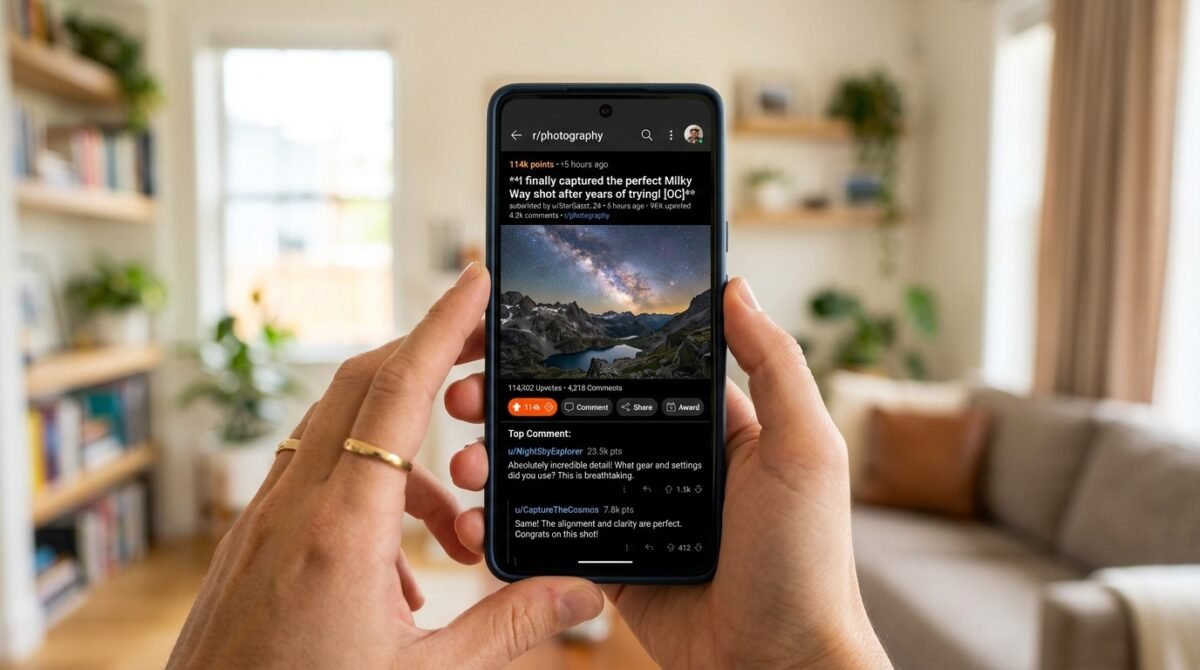
I posted about the situation on a popular sub-reddit later that night. I didn’t use names, and I kept it brief. The response was immediate and overwhelming. I was worried I would be judged as the ‘jerk’ for selling something that had sentimental value, but the community, surprisingly, was almost entirely on my side. The consensus was clear: you aren’t the asshole for disposing of your own property.
“Your uncle isn’t mad about the ‘family history.’ He’s mad that he lost the power struggle. You made the right call. The moment he tried to bully you into giving him the car, it stopped being about the car and started being about control. You took that control away. Well done.”
— u/LogicAndReason (Top Comment, 32.1k upvotes)
There were hundreds of comments like that. People shared stories about their own toxic family members, the ‘entitled uncles,’ and the ‘inheritance vultures.’ It was strangely comforting to know that I wasn’t alone. The internet, for all its chaos, had a way of cutting through the noise and identifying the core of the issue: boundaries, and what happens when you decide to hold them.
Some comments were more analytical, focusing on the legal side. They pointed out that if the car was legally mine in the will, the uncle had absolutely no claim, and his attempts to take it were legally actionable. They advised me to keep all the documentation, the police reports, and the messages, in case he decided to sue. It was sound advice, and it gave me a sense of security I hadn’t had before.
A few ‘Devil’s Advocate’ posters suggested I should have kept the car and just gone low-contact, but the consensus was that with someone like Marcus, that would have been impossible. He was a person who thrived on conflict and would have used any excuse to get near me. Selling the car was the ‘nuclear option,’ and it was the only option that guaranteed my peace of mind.
Reading the comments helped me realize that the ‘family guilt’ I was feeling was a learned behavior. It was something that had been conditioned into me since I was a child. The internet validated my decision and helped me see that I didn’t owe anyone an explanation for how I handled my own property. I was a free agent, and for the first time, I felt like one.
Legal Hurdles and the Final Settlement

The fallout wasn’t just emotional; it became legal. About a week after the Sunday dinner incident, I received a certified letter from my uncle’s lawyer. He was claiming that the car was part of an ‘oral agreement’ between my grandfather and him, and that I had essentially stolen it from the estate. It was a bluff, a desperate attempt to use the legal system to intimidate me.
I took the letter to my own attorney, a woman who had worked with my grandfather for years. She read through it, laughed, and tossed it into her ‘junk’ pile. She explained that oral agreements, especially regarding high-value assets, were virtually impossible to prove, especially when the will was explicit. She told me to ignore it and to let her handle the communication from here on out.
She contacted the executor of the estate, who confirmed that there was no record of any such agreement and that the will was clear on the distribution of assets. She drafted a response to my uncle’s lawyer, stating that any further legal threats would be met with a countersuit for harassment. The lawyer never contacted us again. It was the end of the line for his legal posturing.
The estate settled shortly after. I received the full amount from the car sale, which I invested in a high-yield account, earmarked for my future. I decided I didn’t want to spend a cent of that money on anything frivolous. It felt like blood money, in a way, and I wanted it to grow into something that would give me a sense of security and independence, a way to ensure I never had to rely on my family for anything.
I felt a profound sense of closure. The legal threat was the last gasp of a dying conflict. I had stood my ground, I had followed the law, and I had come out on the other side. My grandfather’s memory was no longer tied to a piece of metal, but to the strength of character he had helped me build. I realized that, in a way, he had given me the final lesson I needed: how to protect myself.
The Silence That Followed

The months that followed were characterized by a strange, heavy silence. I didn’t talk to Marcus. I didn’t talk to my aunt. My mother reached out occasionally, but our conversations were strained, filled with things we couldn’t say. I realized that by choosing my own peace, I had effectively isolated myself from a significant portion of my family. It was a lonely feeling, but it was also a liberating one.
I started focusing on my own life. I took up new hobbies, I traveled, I invested in my career. I stopped waiting for the other shoe to drop. I realized that my family was so used to me being the ‘accommodating one’ that they didn’t know how to handle the new version of me. It was their problem, not mine. I was finally living for myself, not for the expectations of others.
I heard through the grapevine that Marcus was still bitter, telling anyone who would listen that I was the ‘ungrateful nephew.’ But fewer people were listening. The novelty of his drama had worn off, and he was being seen for what he was: a bitter, entitled man who couldn’t accept that his time of being the ‘patriarch’ was over. His influence was waning, and the family was starting to move on, with or without me.
I had a few moments of doubt. I sometimes wondered if I should have tried harder to keep the peace. But then I would remember the way he looked at me at the wake, the way he tried to bully me in my own garage, and the cold, calculated way he tried to destroy my reputation. The doubt would vanish. I had done what I had to do to survive. I had chosen myself, and I would make that choice again in a heartbeat.
I started to reconnect with the family members who had supported me—the ones who had stayed silent during the fighting but reached out privately to tell me I was right. We started small, meeting for coffee or lunch, rebuilding relationships on a foundation of mutual respect, not obligation. It was a slower, more intentional way of building a family, and it felt more real than anything I had experienced before.
Reflecting on the Legacy of Greed

Looking back, the entire ordeal seems like a fever dream. The intensity of the conflict, the way it consumed my thoughts, the way it threatened to tear everything apart—it was a testament to how destructive greed can be when it’s disguised as ‘tradition’ or ‘family values.’ My grandfather, who loved that car for what it represented, would have been appalled at how it was used to fuel such hatred.
I realized that the car was just a vehicle, in more ways than one. It was a vehicle for his memories, but it also became a vehicle for my uncle’s insecurities. By removing the object, I removed the target. It was a lesson in de-escalation that I hadn’t expected to learn, but one that I will carry with me for the rest of my life. Sometimes, the best way to win a fight is to take away the prize.
I also learned about the importance of setting boundaries early. If I had stood up to Marcus years ago, maybe he wouldn’t have felt so entitled to my life. But I hadn’t, and so I had to learn the hard way. It’s a lesson I’m still learning, every day. Boundaries aren’t just about what you say ‘no’ to; they’re about what you value and what you’re willing to protect at all costs.
I hope that, in time, the rest of my family will understand why I did what I did. I don’t need their approval, but it would be nice to have their understanding. But even if they never come around, I know that I made the right decision. I protected my sanity, I protected my grandfather’s legacy from being tainted, and I walked away with my integrity intact.
I often think about the person who bought the Mustang. I hope they’re out there, driving it on a sunny day, feeling the power of the engine and the history of the car. I hope they don’t know the drama that was attached to it. I hope for them, the car is just a car—a beautiful, well-engineered, and cherished piece of machinery, unburdened by the weight of family greed.
Lessons in Boundaries and Self-Respect

If there’s one thing I want anyone reading this to take away, it’s that you don’t owe your peace to anyone, not even your own family. Inheritance and family traditions are often used as tools of manipulation, and it’s important to recognize them for what they are. You are the sole arbiter of your own life, and the decisions you make regarding your property and your boundaries are yours alone to make.
It’s easy to feel guilty when you stand up for yourself. We’re taught that ‘family comes first,’ but that shouldn’t come at the expense of your mental health, your security, or your dignity. When someone repeatedly violates your boundaries, they are telling you that they don’t respect you. And if they don’t respect you, they don’t deserve the privilege of your time or your cooperation.
I had to learn how to be ‘the bad guy.’ It was uncomfortable, and it was painful, but it was necessary. I realized that being ‘the bad guy’ in someone else’s story is often the only way to be the hero in your own. You have to be willing to accept that not everyone will like your choices, and that’s okay. You aren’t living for them; you’re living for yourself.
I’m in a better place now. I have a life that I’ve built on my own terms, free from the influence of those who would see me fall. I’m stronger, wiser, and more resilient than I ever was before. And I have my grandfather to thank for that, not just for the car, but for the lessons that came with it—the lessons on how to stand tall, how to speak your truth, and how to never, ever let anyone take the keys to your life.
I’m moving forward, one day at a time. The drama is behind me, the car is with someone who loves it, and I’m free. And honestly, that’s all I ever wanted. I’m done playing by the rules of people who don’t have my best interests at heart. I’m ready for whatever comes next, and I know that I have the tools to handle it.
Conclusion
The story of the Mustang is, in the end, a story about the transition from being a child who follows rules to an adult who sets them. It was never really about the car; it was about the power to choose. I lost a piece of my grandfather’s history, but I gained a piece of myself. I hope this serves as a reminder that your boundaries are your own, and you have every right to protect them, regardless of what family or society says.
Have you ever been in a position where an inheritance or a ‘family item’ turned into a battleground? How did you handle it? Did you stand your ground, or did you choose peace over property? Share your experiences in the comments below. Let’s discuss the fine line between family loyalty and personal autonomy.
What's your verdict on this dilemma?
Vote below to contribute to the official community consensus.

Have a Dilemma Keeping You Up at Night?
Share your real-life feud, wedding chaos, or relationship crossroads anonymously with our editorial team.
What do you think ?
0 Comments🛡️ Comments are moderated to protect community integrity. Your comment will appear once approved by the editorial team.