
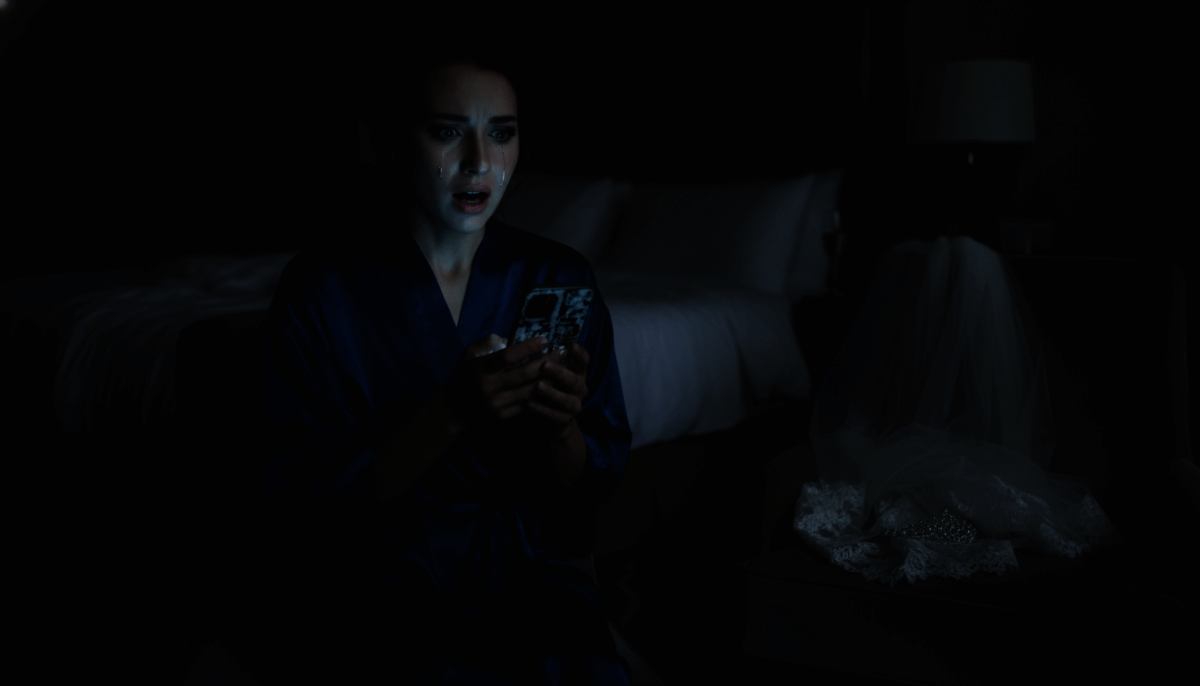
They say the night before a wedding is supposed to be filled with nervous excitement, champagne toasts, and the quiet joy of anticipation. For me, it was the night the foundation of my entire life crumbled into dust. I wasn’t looking for trouble; I was looking for a contact number for the florist to confirm tomorrow’s centerpiece arrival. When I picked up Mark’s iPad—which he had left unlocked on the vanity—I didn’t expect to see a notification banner that would change everything.
The notification was from a group chat titled ‘The Roast of the Decade.’ My stomach dropped. I knew Mark and his groomsmen had a twisted sense of humor, but curiosity got the better of me. I tapped on the notification, expecting lighthearted banter. Instead, I found a digital repository of vitriol that left me breathless. It wasn’t just about me; it was a systematic, cruel deconstruction of my character, my body, and my family, all while they mocked the very wedding we were about to celebrate.
The betrayal wasn’t just in the words—it was in the sheer frequency and the depth of the deception. They were betting on how long I would last, laughing about my ‘insecurity,’ and planning how they would ‘liberate’ Mark once the honeymoon was over. Every ‘I love you’ I had heard over the last three years suddenly felt like a transaction, a lie told to keep the status quo until the legal papers were signed. The silence in the room was deafening as the reality set in.
I stood there, frozen, as the clock ticked past midnight. I realized that the man I was supposed to marry in twelve hours didn’t exist; he was a performance, a facade built by someone who held me in absolute contempt. The realization wasn’t a slow burn; it was a sharp, ice-cold clarity. I didn’t cry. I didn’t scream. I simply began to make arrangements for a different kind of ceremony: the dismantling of my own life.
This is the story of how I walked away from a forty-thousand-dollar wedding, leaving the groom to face the ruin he helped create, and how I reclaimed my dignity in the wreckage. Some call it revenge; I call it the most expensive, necessary lesson I’ve ever learned.
The Digital Dagger in the Dark
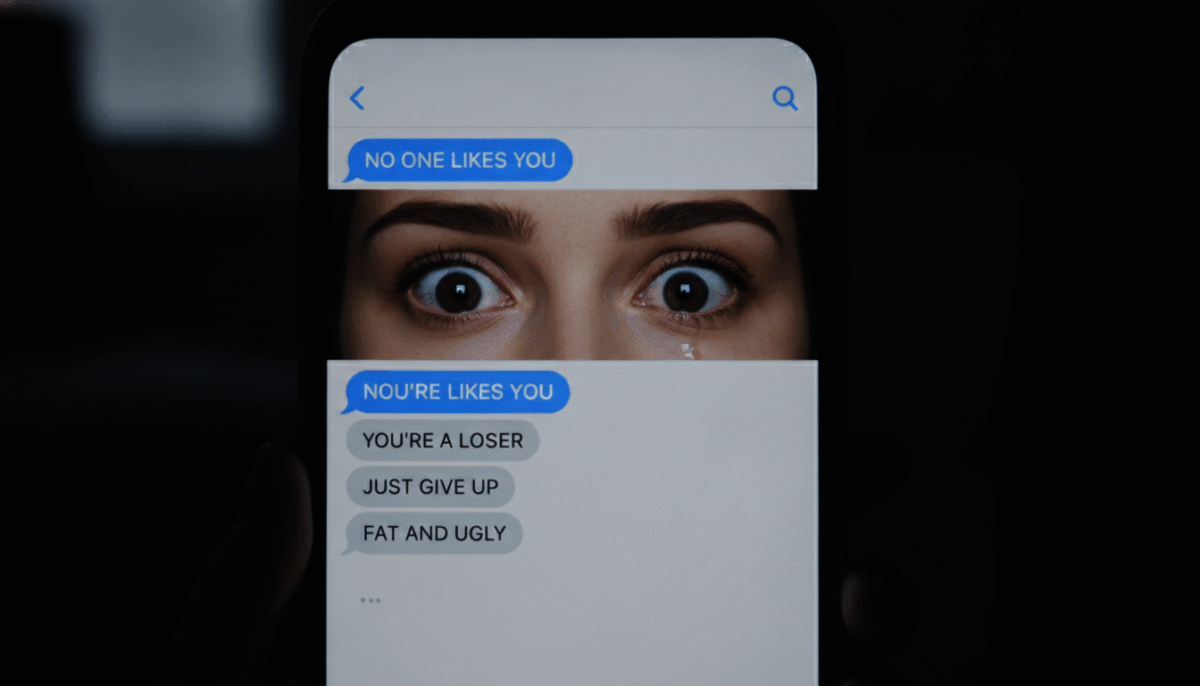
The screen was bright against the dim hotel lighting. As I scrolled upward, the messages turned from casual mocking to something far more sinister. There were photos of me that I hadn’t realized were being taken—candid shots of me laughing, crying, or eating, accompanied by cruel commentary about my appearance and my ‘neediness.’ It was a masterclass in dehumanization, orchestrated by the man who was supposed to be my protector.
Mark’s messages were the most jarring. He wasn’t just a participant; he was the moderator of the hate. He shared details of our private arguments, mocked my career ambitions, and referred to our wedding budget as ‘the ransom’ he was paying to settle down with a ‘fixer-upper.’ Every dollar spent, every reservation made, was apparently a joke to him and his groomsmen.
“She’s practically begging for the ring, guys. Once the deposit is non-refundable, I can finally stop pretending to like her family’s Sunday dinners. It’s a small price to pay for the tax break and the status.”
— Mark, in the ‘Roast’ group chat
I read through months of history. The group chat was a dumping ground for his true self. He called my kindness ‘naivety’ and my support during his job loss ‘pathetic codependency.’ I saw him laughing about how he would cheat on me once we were ‘settled,’ citing that it would be ‘easy’ because I was ‘too desperate to leave.’
My hands were shaking, but my resolve was hardening like concrete. I took screenshots of every single message. I didn’t know yet what I would do with them, but I knew that proof was the only currency that mattered in this situation. I looked at the wedding dress hanging in the closet—a five-thousand-dollar piece of silk and lace—and felt a wave of nausea. It wasn’t mine anymore. It was part of the theater of his lies.
I sat on the edge of the bed, feeling the weight of the last three years dissolving. The intimacy we had shared, the future we had planned, the house we had put a down payment on—it was all a toxic illusion. I wasn’t just a bride; I was a mark in a long-con game of social posturing. And the worst part? I was the one who had invited everyone to watch me be humiliated.
The Logistics of a Vanishing Act

The clock read 2:00 AM. I had ten hours before the ceremony started. My first call wasn’t to Mark; it was to the venue coordinator and the catering manager. I knew that if I didn’t act immediately, I would be legally and financially liable for the entire debt of the wedding. We had signed the contracts together, and the cancellation penalties were astronomical.
I spent the next three hours in a whirlwind of cold efficiency. I called my lawyer, a contact I’d kept from a previous employment dispute, and asked for the fastest route to insulate myself from the upcoming financial liability. He told me that if I could prove ‘irreconcilable discovery of character’ and provide evidence of the toxic environment, I might be able to shift the burden, or at least exit with my assets intact. I had the screenshots. I had the smoking gun.
I packed a single suitcase. I didn’t take the gifts. I didn’t take the jewelry he had given me. I only took my documents, my laptop, and the clothes I came in. I left the wedding dress on the bed, splayed out like a fallen angel. It was a message he would find soon enough. I called a cab to take me to my sister’s house, three towns over. I left my phone on the nightstand, but not before I sent one final message to the group chat.
“I hope the roast was worth it. Enjoy the $40,000 bill for a party with no bride. Check your iPad when you wake up. I’m gone.”
— My final message to the group chat
The feeling of stepping out of that hotel and into the cool night air was the most intoxicating breath of freedom I’ve ever taken. I felt light, untethered, and entirely in control for the first time in years. I wasn’t running away; I was choosing to stop running toward a cliff.
As the car pulled away, I looked back at the hotel lights. In a few hours, the chaos would erupt. The vendors would call. The guests would arrive. And Mark would be left to explain to his parents, his friends, and my family why the bride had vanished. I didn’t care about the optics anymore. I only cared about the truth.
The Morning of the Absentee Bride
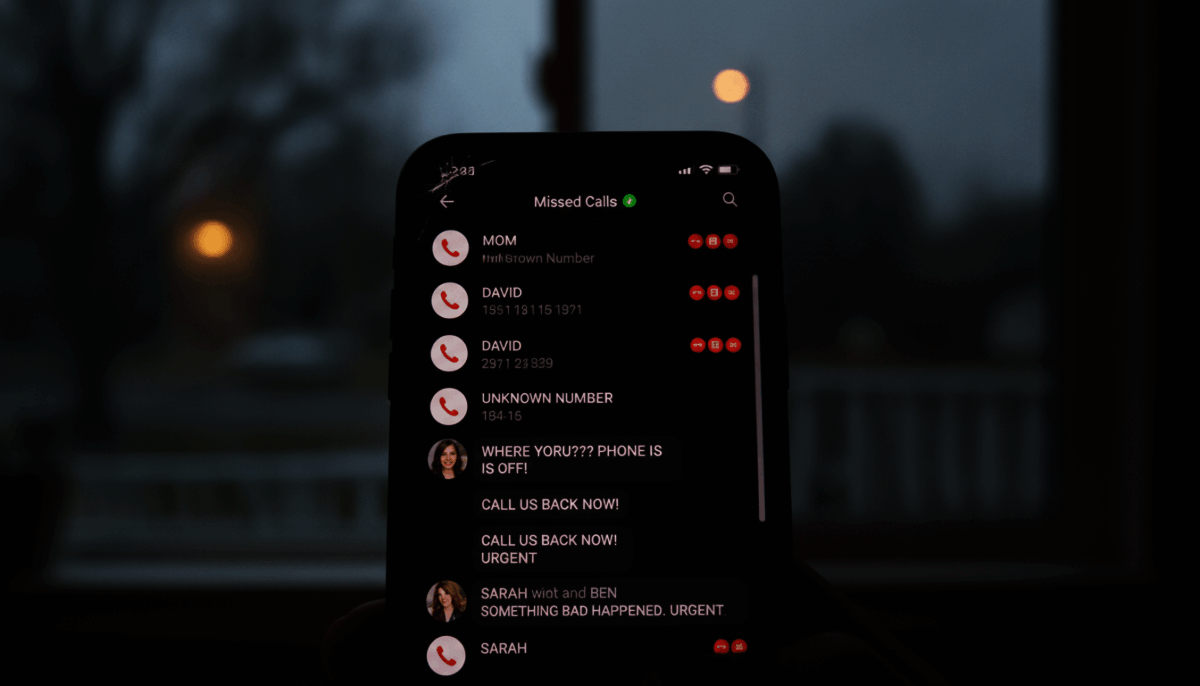
By 9:00 AM, my phone—which I had retrieved from my sister’s safe—was an absolute firestorm. There were hundreds of missed calls, voicemails, and frantic texts from Mark, his mother, and my own parents. The group chat had been deleted, but the damage was done. My sister sat with me, holding a cup of coffee, as we watched the madness unfold in real-time.
Mark’s texts started as confused, then moved to angry, and finally, to desperate. He knew exactly why I left. He couldn’t hide it, because I had forwarded the screenshots to his parents and mine. There was no room for him to gaslight me, no room for him to spin the narrative. He was exposed, raw, and utterly alone in the middle of a ballroom he couldn’t afford to pay for.
“Please, you’re being irrational. It was just locker room talk! Boys joke around. You can’t cancel a wedding over a group chat. Everyone is here! Get back here right now or I will sue you for everything you have!”
— Mark, in a frantic text message
My parents were in shock. My mother was weeping, not because the wedding was off, but because she had read what he wrote about me. When they realized the depth of his cruelty, their confusion turned into a protective rage that I had never seen before. They were no longer mourning a wedding; they were celebrating my survival.
The venue coordinator called to say that Mark was refusing to pay the balance, claiming it was ‘my fault’ that the wedding was canceled. My lawyer had already sent a cease-and-desist regarding the financial contract, noting that the breach of trust and the documented abuse meant I was no longer a party to the debt. It was a complicated legal mess, but for the first time in my life, I felt like I had the upper hand.
I didn’t answer any of the calls. I didn’t give him the satisfaction of a confrontation. I left him to deal with the caterers, the florist, and the livid parents who had traveled hundreds of miles to watch a man apologize for his own ego. It was the most satisfying silence I have ever known.
The Financial Fallout and Legal Maneuvers

The weeks following the non-wedding were a blur of legal paperwork and financial restructuring. Because I had documented the ‘roast’ chat and provided evidence of his predatory behavior, I was able to shield myself from the majority of the wedding debt. The venue, sensing a PR disaster, eventually worked out a settlement with Mark that forced him to take the brunt of the costs. He had to liquidate his car and take out a personal loan just to cover the deposit he insisted on paying for ‘his’ big day.
My friends rallied around me. We had a ‘not-wedding’ party that was, ironically, much better than the actual event would have been. We drank the expensive wine I had bought for the reception, ate pizza on the floor, and laughed until we cried. It was a reclamation of the joy he had tried to weaponize against me.
The hardest part wasn’t the money or the logistics; it was the psychological adjustment. I had to learn to trust my own instincts again. I had spent years ignoring the red flags, dismissing my own doubts, and convincing myself that his behavior was ‘normal.’ I had to unlearn the habit of sacrificing my worth for the sake of his comfort.
“You didn’t just save yourself from a bad marriage, you saved yourself from a lifetime of being erased. Don’t ever look back at that trash.”
— My best friend, during our post-breakup wine night
I realized that the ‘roast’ chat wasn’t an anomaly; it was the logical conclusion of a relationship based on contempt. He didn’t just wake up one day and decide to hate me; he had been building that hatred in private, piece by piece, while feeding me sugar-coated lies in public. I had been living in a house of cards, and one notification had blown it all down.
I still get angry sometimes. I get angry that I wasted three years. I get angry that I thought I wasn’t enough. But mostly, I feel gratitude. I feel grateful that I saw the truth before I took the vows. I feel grateful that I didn’t wake up ten years down the road, with children and shared debt, wondering why I felt so hollow inside.
Reddit Weighs In: The Verdict of the Internet

When I finally shared my story on a popular forum, I didn’t expect the outpouring of support. I expected judgment. I expected people to tell me I was ‘overreacting’ or that I should have ‘talked it out.’ Instead, the community rose up to defend the decision that I felt so guilty about making.
The comments section became a place of shared stories. Thousands of women—and men—shared their own experiences of discovering their partners’ secret lives. They validated my anger. They confirmed that a ‘roast’ chat is not just a joke; it is a manifestation of deep-seated disrespect that has no place in a healthy partnership.
“NTA. You didn’t ‘leave him with the bill.’ He left himself with the bill when he chose to treat his future wife like a punchline. You just stopped paying for the privilege of being insulted. This is the ultimate power move.”
— u/RelationshipGuru (Top Comment, 45.2k upvotes)
Another user brought up the legal perspective, pointing out that in many jurisdictions, a wedding contract is a joint obligation that becomes voidable when one party engages in behavior that destroys the ‘marital purpose.’ The community wasn’t just offering comfort; they were offering analytical support that helped me feel confident in my choices.
“The way he spoke about you in that chat is psychological abuse. Do not feel guilty for a single cent. Every dollar he paid is a ‘stupid tax’ for thinking he could get away with treating a human being as a secondary character in his life.”
— u/LegalEagle_99 (12.4k upvotes)
It was fascinating to see how the story resonated. It wasn’t just about the money; it was about the audacity of entitlement. People were outraged on my behalf, and reading their comments helped me stop gaslighting myself. I wasn’t ‘crazy’ for leaving; I was sane for refusing to stay.
The Reddit thread became a support group. People shared tips on healing from betrayal and reclaiming their identity. It reminded me that while I felt alone in that hotel room, I was never actually alone. There is a whole community of people who have walked through the same fire and come out on the other side, stronger and wiser.
Lessons in the Rubble

If I could go back in time, I wouldn’t change a single thing about that night. I wouldn’t try to confront him. I wouldn’t try to work it out. I wouldn’t have given him the opportunity to lie to my face one last time. I would leave the exact same way—fast, quiet, and final.
I learned that boundaries are not just suggestions; they are the walls that keep your self-respect intact. I learned that when someone shows you who they are behind your back, you should believe them. The person you are in private is the real person; the person you are in public is just an actor.
My advice to anyone facing a similar crossroads? Don’t let the fear of ‘what people think’ keep you trapped in a life that kills your spirit. The judgment of others is temporary; the damage of living a lie is permanent. Walking away is hard, but staying for the wrong reasons is impossible.
“Self-respect is the most expensive thing you will ever lose, and the most valuable thing you will ever fight to regain. You bought yours back for the price of a wedding deposit. That is a bargain.”
— A piece of advice I carry with me daily
I am now in a place where I can look at the past without flinching. I have started a new chapter of my life, focused on my own growth and happiness. I am learning to trust my intuition again, and I am much more selective about the people I allow into my inner circle.
I still see the occasional notification pop up on my phone, and for a split second, my heart skips a beat. But then I remember that I am the one in charge of my notifications now. I control the narrative. I control the boundaries. And most importantly, I control my own joy.
Reflecting on the ‘Roast’ Culture
The experience forced me to analyze the ‘roast’ culture that seems to permeate modern relationships. Why do we think it’s okay to mock our partners in private groups? Why is it considered ‘masculine’ or ‘funny’ to demean the person you claim to love? I suspect it’s a way to maintain a sense of superiority in a world where we are increasingly expected to be equal partners.
My ex-fiancé and his friends used ‘roasting’ as a shield. It allowed them to say the most heinous things imaginable while hiding behind the defense of ‘it’s just a joke.’ If you called them out, you were the ‘uptight’ one, the one who ‘couldn’t take a joke.’ It’s a insidious form of gaslighting that chips away at your reality.
I’ve realized that humor should be a bridge, not a weapon. If the ‘joke’ is at someone’s expense, especially someone you are intimate with, it’s not a joke—it’s an attack. I no longer tolerate this kind of ‘humor’ in my life, and I have distanced myself from people who think it’s acceptable to tear others down for a laugh.
“If they are laughing at you in the group chat, they are not your partner. They are your audience, and they’ve already decided you’re the clown.”
— My therapist, during our session after the incident
It’s important to surround yourself with people who celebrate you, not those who treat your existence as a comedy sketch. I’ve found a new circle of friends who respect boundaries and treat each other with genuine kindness. It’s a different world, and I’m so glad I found my way into it.
Looking back, I see the warning signs I chose to ignore: the way he would ‘joke’ about my insecurities in front of his friends, the subtle put-downs disguised as banter, the way he would change his demeanor the moment we were alone versus when we were in a group. I was so desperate to be loved that I accepted a version of love that was actually a mockery.
The Aftermath: Moving Forward

Today, my life looks very different. I’ve changed my career path, moved to a new city, and started focusing on my creative passions—things I had put on hold because he said they were ‘unrealistic.’ I’ve reclaimed my identity, one small step at a time. I don’t look back at the wedding dress, the flowers, or the deposit. I look forward to the person I am becoming.
I’ve heard rumors that Mark is still struggling. He’s had a string of failed relationships and is still paying off the debt from that day. I don’t feel pity, but I don’t feel hate either. I feel a sense of detachment. He is a ghost from a life I didn’t actually live, a character in a story I stopped writing.
I want to thank the people who told me I was brave. I don’t feel brave; I just feel honest. Being honest with myself was the only way out. If you are reading this and you feel that something is wrong, trust your gut. You don’t need a group chat to tell you that you deserve better. You already know.
“Don’t let the fear of the unknown keep you in a known prison. The wreckage might look scary, but it’s the space where you finally get to build your own home.”
— A closing thought for anyone in a similar position
I am happy. Not the ‘I-have-everything-I-want’ kind of happy, but the ‘I-finally-like-who-I-am’ kind of happy. And that is the most valuable thing I could have ever gained from this experience. I hope my story serves as a reminder that no amount of money, no societal pressure, and no expectation is worth your self-worth.
I’m finally free, and for the first time in my life, I’m excited for tomorrow. Not because I’m walking down an aisle, but because I’m walking toward a future that is entirely, beautifully my own.
Community Discussion: The Unfiltered Reality

The discussion on Reddit didn’t stop with support. It sparked a broader debate about the nature of modern weddings and the pressure to perform. Many users shared that the ‘perfect’ wedding is often the beginning of the most unhappy marriages. The obsession with the aesthetic of the wedding often eclipses the actual reality of the partnership.
We discussed the idea of ‘wedding culture’ and how it sets people up for failure. We prioritize the venue, the dress, and the Instagram photos over the foundation of trust, communication, and mutual respect. I’m glad we had this conversation, because it helped me realize I wasn’t just losing a partner—I was losing a performance that I never really wanted in the first place.
“We spend more time planning the party than we do vetting the partner. Your story is a wake-up call for everyone who thinks the wedding is the goal, rather than the marriage.”
— u/Realist_Observer (8.2k upvotes)
The community also debated the ‘roast’ chat aspect. Some argued that guys have different ways of communicating, but the overwhelming consensus was that if your partner is being mocked, it’s not communication—it’s abuse. It was validating to see such a clear distinction being made by so many different people.
We also touched on the legal and financial aspects of canceling a wedding. Many readers had questions about how I managed the fallout, and I was able to provide some guidance based on my experience. It felt good to turn my trauma into something that could help others navigate their own difficult decisions.
Ultimately, the discussion was about reclaiming agency. Whether it’s about a wedding, a job, or a friendship, we all have the right to walk away when we realize we are being treated with contempt. We don’t owe anyone our time, our money, or our dignity.
Final Reflections and Closing Thoughts
I realize now that my life was a series of compromises. I compromised my opinions to avoid conflict, my goals to avoid insecurity, and my boundaries to keep the peace. I thought this was the price of love. I was wrong. The price of love should be mutual respect and growth, not the erosion of your soul.
If you are in a situation where you feel small, where you feel like a punchline, or where you feel like you are walking on eggshells—leave. You are worth more than the comfort of a known misery. You are worth the struggle of building something new.
“The most radical act of love you can perform is the love you show yourself when you walk away from someone who doesn’t deserve you.”
— My closing message to the reader
I have learned that I am resilient. I have learned that I can survive the loss of a future I thought I wanted. I have learned that I am capable of starting over, and that the only validation I need is my own. I am no longer a ‘bride,’ and I am no longer a ‘fiancée.’ I am just me, and that is enough.
Thank you for listening to my story. I hope it helps you find the strength to leave whatever is keeping you small, whatever is making you hide, and whatever is making you doubt your own worth. You are stronger than you think, and your future is brighter than you can imagine.
What about you? Have you ever had a moment where you realized that walking away was the only way to save yourself? Share your thoughts below. I’d love to hear your experiences.
Conclusion
The story of my canceled wedding isn’t about the $40,000 bill or the drama of the ‘roast’ chat. It’s about the moment of clarity that saved me from a lifetime of living for someone else. It’s a story of choosing myself, even when the world expected me to choose the ‘happy ending’ that wasn’t actually happy at all.
I hope this journey encourages you to look at your own life and ask yourself: am I being treated with the respect I deserve? Am I with someone who lifts me up, or someone who uses me as a punchline? Your life is too precious to spend it in the company of those who don’t see your value.
What do you think? Was walking away the right move, or should I have confronted him and tried to salvage the situation? Let me know your thoughts in the comments below—I’m looking forward to hearing your perspective on this, even if it differs from mine. Let’s start the conversation.
What's your verdict on this dilemma?
Vote below to contribute to the official community consensus.

Have a Dilemma Keeping You Up at Night?
Share your real-life feud, wedding chaos, or relationship crossroads anonymously with our editorial team.
What do you think ?
0 Comments🛡️ Comments are moderated to protect community integrity. Your comment will appear once approved by the editorial team.