
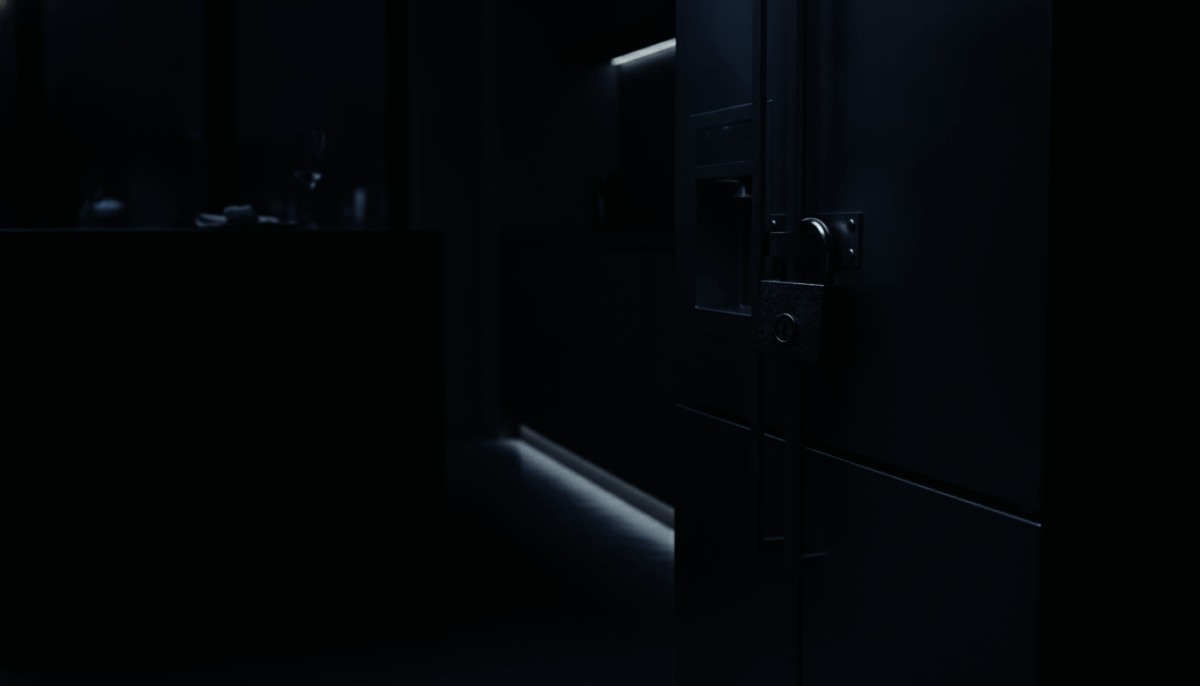
Living with a roommate is often a test of patience, a delicate dance of shared spaces, unspoken agreements, and the occasional clash of lifestyles. For three years, Sarah and I maintained a relatively peaceful existence in our two-bedroom apartment. We split the rent, managed the utility bills through a shared spreadsheet, and generally respected each other’s boundaries. That was until Sarah decided that her organic meal-prep journey entitled her to claim the entire refrigerator as her private sanctuary.
It started subtly. A sticky note here, a shifted container there. Then, it escalated into passive-aggressive text messages about how my ‘non-organic’ presence was cluttering her aesthetic. But the tipping point arrived on a Tuesday evening when I walked into the kitchen to find a heavy-duty master lock securing the fridge door. A note was taped to the handle, declaring that since I couldn’t respect her ‘dietary boundaries,’ I was no longer permitted access to the appliance we both pay to operate.
I stood there in the dim light of the kitchen, staring at the cold, unyielding metal. It wasn’t just about the food; it was a total breakdown of our household contract. I pay half the electricity, I contribute to the lease, and I certainly didn’t sign up to be locked out of my own kitchen. The irony of the situation wasn’t lost on me: the fridge was humming, powered by the very account currently registered in my name.
The dilemma was clear: do I engage in a shouting match, or do I use the one piece of leverage I have to restore order? My hands trembled as I pulled out my phone, logged into the utility company’s portal, and navigated to the cancellation menu. It was a nuclear option, but in that moment, it felt like the only way to remind Sarah that we are not living in her private fiefdom.
This is the story of how a single padlock destroyed a friendship and led to the most satisfyingly petty confrontation of my adult life. What follows is a deep dive into the descent into household madness, the digital paper trail of our falling out, and the surprising reaction from the internet when I finally decided to tell my side of the story.
The Escalation of the Organic Obsession
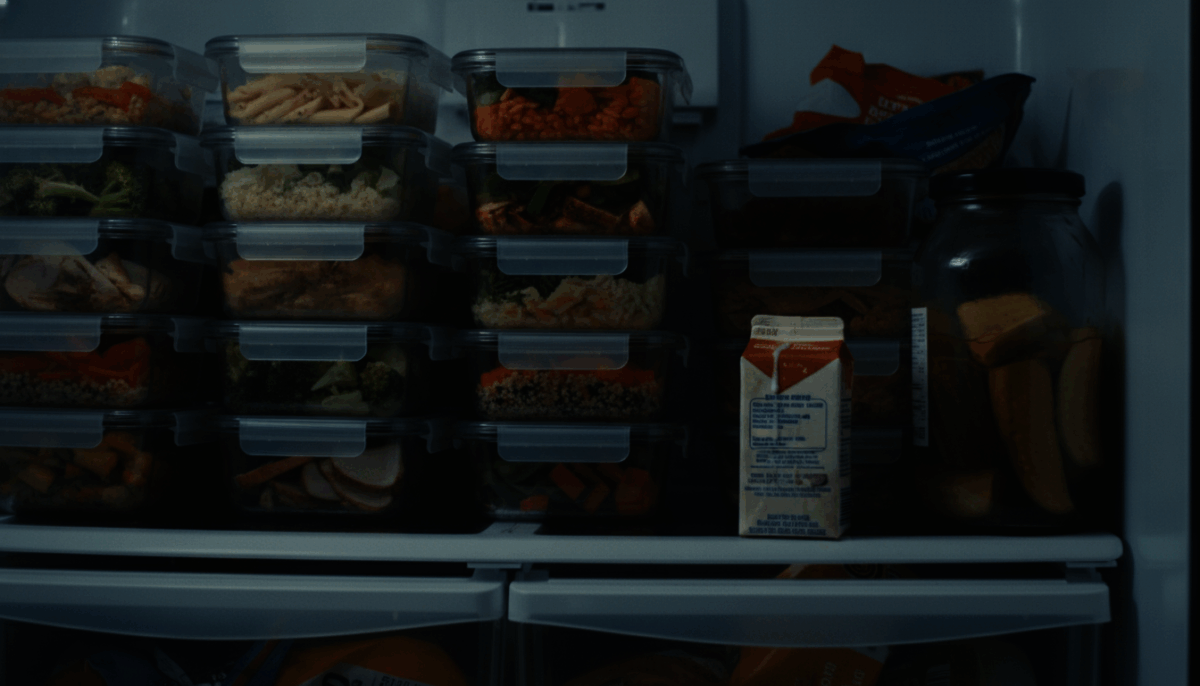
It began as a minor nuisance. Sarah had started a new fitness program, one that required an absurd amount of precise calorie counting and very specific, high-end organic produce. She began treating the refrigerator like a laboratory. If a head of lettuce was moved an inch to the left, or if my almond milk sat too close to her expensive cold-pressed juices, I would receive a frantic, paragraph-long text message detailing how I was ruining her ‘nutritional harmony.’
I tried to be accommodating. I bought a separate small bin for my items to keep them contained. I stopped buying bulk items that took up too much shelf space. But for Sarah, it was never enough. She began to view my presence in the kitchen as a direct assault on her lifestyle. The requests turned into demands, and the demands turned into accusations that I was ‘stealing’ shelf space that she claimed was rightfully hers because she spent more money on groceries.
“Hey, noticed you put your yogurt on the top shelf again. That shelf is strictly for my meal prep. Please move it immediately before the temperature fluctuation ruins my macros. Thanks!”
— Sarah (Text Message)
I ignored the first few messages, hoping she would eventually calm down. But the entitlement only grew. She started rearranging my things when I wasn’t home, sometimes even leaving my food on the counter to make room for her Tupperware towers. I felt like a guest in my own home, constantly apologizing for existing in a space I legally occupied.
The tension in the apartment became thick enough to cut with a knife. We stopped speaking in person, communicating only through notes left on the fridge or passive-aggressive social media posts. The kitchen, once a place where we would occasionally share a glass of wine and talk about our days, became a DMZ. Every time I heard her footsteps, I would retreat to my room, not wanting to deal with the inevitable confrontation about a misplaced carton of eggs.
By the second month of this madness, I realized I was living in a pressure cooker. I was paying for half of everything, yet I was barely using the kitchen out of fear of sparking another argument. The situation was unsustainable, and I knew that something had to give. I just didn’t expect her to turn to physical hardware to solve her perceived problem.
The Day the Refrigerator Was Held Hostage
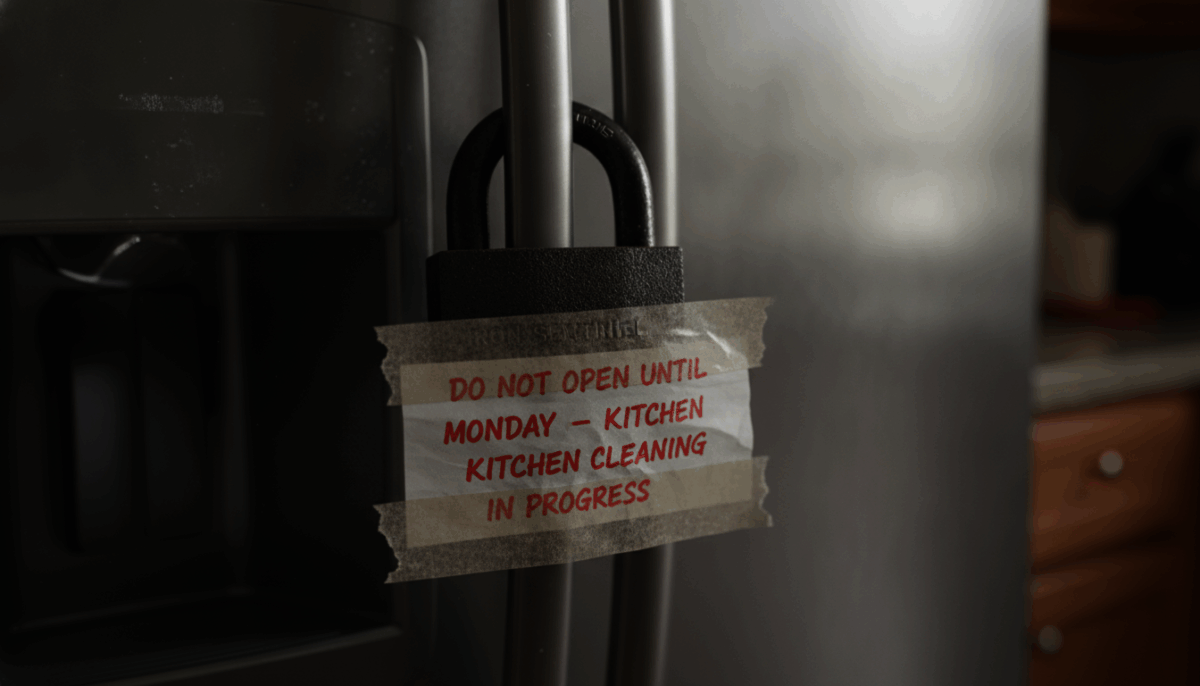
The day the padlock appeared was the quietest day in our apartment for weeks. I had come home from a long, exhausting shift at the office, looking forward to nothing more than a simple sandwich and a quiet evening. When I walked into the kitchen, the sight was so absurd I actually laughed out loud. There, hanging off the stainless steel handle, was a thick, industrial-grade padlock. It looked like something you would see on a storage unit, not a home appliance.
I pulled out my phone to record a video, not knowing whether to be angry or confused. Taped to the door was a handwritten note in sharpie, written in all caps, that laid out her new rules. It was the peak of arrogance. She had essentially decided that since I was ‘disrespectful’ to her food, I had lost the right to the fridge entirely. The audacity was breathtaking.
“Effective immediately: The fridge is now locked. I am tired of my food being moved. You have shown you cannot respect my boundaries. If you want fridge space, we can negotiate a rental fee for one shelf. Do not attempt to break this lock.”
— The Note on the Fridge
I stood there, the reality of the situation sinking in. She thought she was being clever. She thought that by using a physical barrier, she could bypass any discussion about shared living arrangements. She was betting that I would just roll over, pay her some absurd ‘rental fee,’ or just give up on using the kitchen altogether. She had underestimated my breaking point.
I didn’t try to break the lock. That would have been messy, and I didn’t want to damage the fridge door itself, which was part of our security deposit. Instead, I stood there and thought about the bills. I thought about the months of being bullied, the constant anxiety, and the complete lack of respect. I realized that if she wanted to play games with our living situation, she had absolutely no idea who she was playing with.
The power bill was in my name. It had been since we moved in because I had the better credit score at the time. I was the one who logged into the portal every month to split the costs. It was the one piece of infrastructure that kept our home functioning, and it was entirely under my control. A cold, calm realization washed over me. She wanted to control the food; I would control the environment in which that food was stored.
The Digital Switch and the Sudden Darkness
I went to my room, sat down at my laptop, and opened the browser. My heart was racing, not because I was afraid, but because of the sheer finality of what I was about to do. I logged into the electricity provider’s website. The dashboard was simple: account summary, current balance, and the ‘Manage Account’ tab. I clicked ‘Cancel Service’ with a steady hand. It asked for a disconnect date, and I selected the earliest possible option—the next morning.
I felt a strange sense of vindication. By cutting the power, I wasn’t just inconveniencing her; I was removing the very thing that allowed her to lock me out. Without electricity, the fridge would stop running. Her precious organic meal prep, her expensive cold-pressed juices, her carefully curated ‘macros’—it would all be ruined within twenty-four hours. It was a scorched-earth policy, but I was done playing nice.
I also sent a quick email to the landlord, informing him that I would be moving out at the end of the month due to ‘irreconcilable differences’ with my roommate. I didn’t mention the padlock yet, but I knew that would come up during the exit walkthrough. I wanted to be proactive, to get my ducks in a row before the chaos ensued. I was ready to leave, but not before Sarah got a very expensive lesson in community living.
The next morning, the power went out exactly as scheduled. I had already packed my most essential items and moved them into my car, including my laptop and personal documents. I sat in the living room, waiting for the inevitable. The silence in the apartment was deafening, amplified by the sudden absence of the hum of the refrigerator. It was the sound of a plan in motion.
Sarah came out of her room, confusion etched on her face. She looked at the lights, then back at her phone, then at me. I was just sitting there, sipping a coffee I had made on my portable camping stove. The look on her face when she realized the kitchen was dead was worth every bit of the stress I had been under for the last three months.
The Confrontation in the Living Room
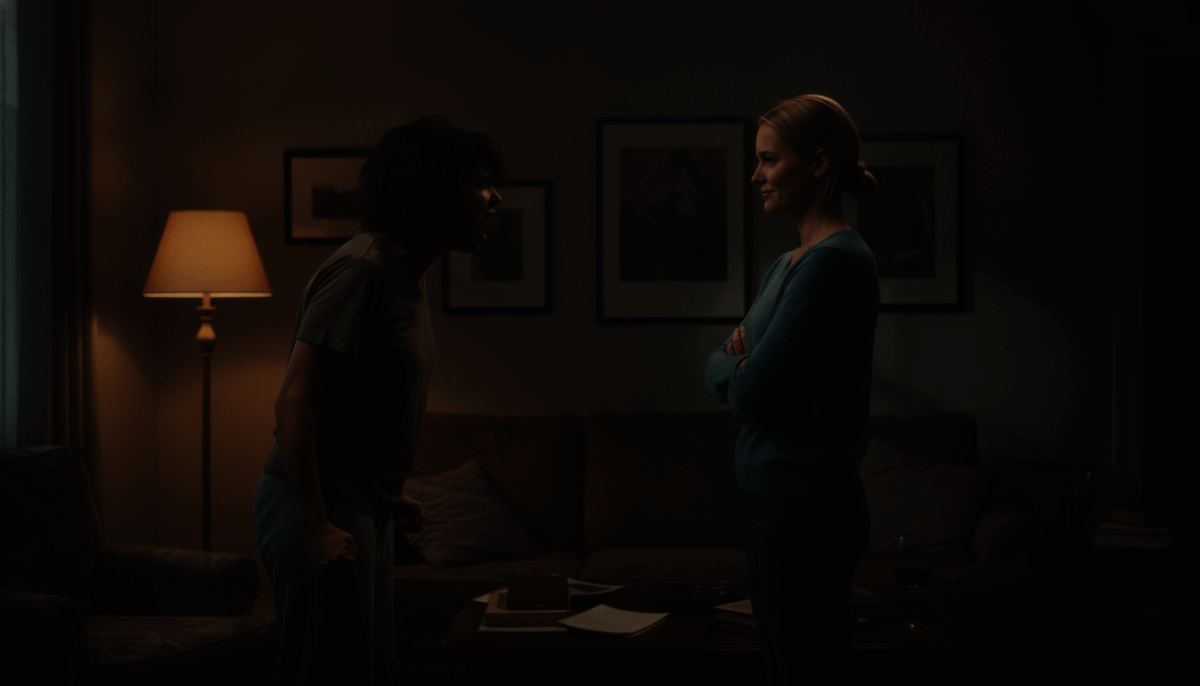
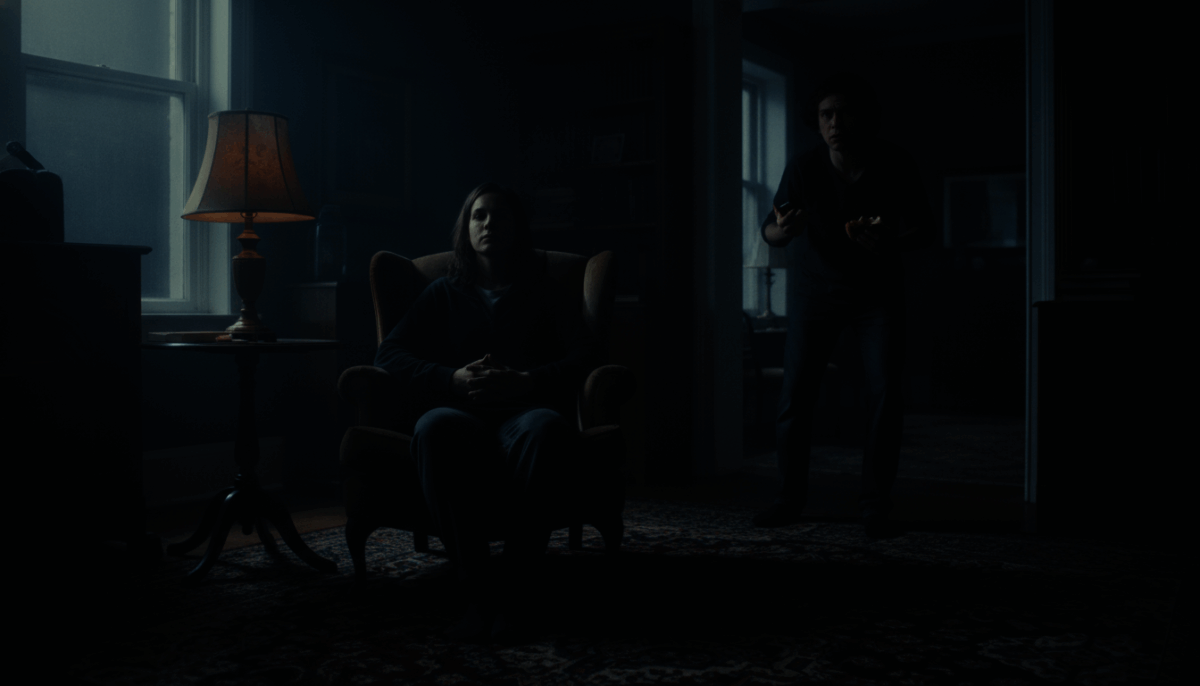
Sarah didn’t take it well. The initial confusion turned into a frantic rage as she realized the implications. She ran to the kitchen, tried to open the fridge, and then realized that the lack of power meant the internal temperature was already rising. She came storming into the living room, her face red, screaming about her groceries. She didn’t even care about the light; she only cared about her precious, expensive food.
“What did you do? Why is the power out? My food is going to spoil! Do you have any idea how much money is in that fridge right now? You are insane!”
— Sarah (Screaming)
I looked at her, completely unmoved. I took another sip of my coffee and shrugged. I told her exactly what I had done and why. I explained that if she wanted to play the role of the landlord and restrict my access to shared property, then I would act as the utility provider and restrict the service. It was perfectly logical, in my twisted, fed-up mind. She looked like she was going to explode.
She threatened to call the police, to which I calmly replied that they wouldn’t care about a private dispute over a utility bill in a shared apartment. She threatened to sue me for the cost of her food, and I laughed. I told her to go ahead, but that she would have to explain to a judge why she thought it was acceptable to install a padlock on a communal appliance that we both paid rent to use.
The argument lasted for nearly an hour. She went through every stage of grief: denial, anger, bargaining, and finally, a sort of shocked silence. She realized that she had backed herself into a corner. By locking the fridge, she had made herself the villain in our home. Now, she was left with a fridge full of melting organic kale and no way to keep it cold.
It was the most empowering moment of my life. For three years, I had been the ‘easy-going’ roommate, the one who accommodated and compromised. That person was gone. In her place was someone who had finally realized that boundaries only exist if you enforce them. And I had enforced mine with absolute, brutal efficiency.
The Aftermath and the Final Move-Out
The following week was a blur of packing boxes and cold, uncomfortable silence. Sarah tried to get the power turned back on, but the utility company informed her that because the account was in my name and I had canceled it, she would have to apply for a brand new service, pay a deposit, and wait for a technician to come out. It wasn’t an instant fix, which meant her food—all of it—had to be thrown out.
She spent the next few days in a state of utter hysteria, throwing away hundreds of dollars worth of groceries. I watched from my room, feeling nothing but a profound sense of relief. I was out of there in three days. I had found a sublet in a different part of the city, and I couldn’t wait to be rid of the toxicity that had defined my life for so long.
The landlord was surprisingly understanding. When I showed him the photo of the padlock and explained how it had escalated, he didn’t even charge me a penalty for breaking the lease early. He said he had heard complaints about Sarah before from other tenants in the building. It turns out, I wasn’t the first person she had tried to control; I was just the first one who had fought back.
As I moved the last box into my car, I saw Sarah sitting on the balcony, staring at her phone. She looked small, defeated, and completely alone. For a second, I felt a twinge of guilt, but it vanished as quickly as it appeared. She had brought this on herself. She had chosen control over connection, and she had lost everything because of it.
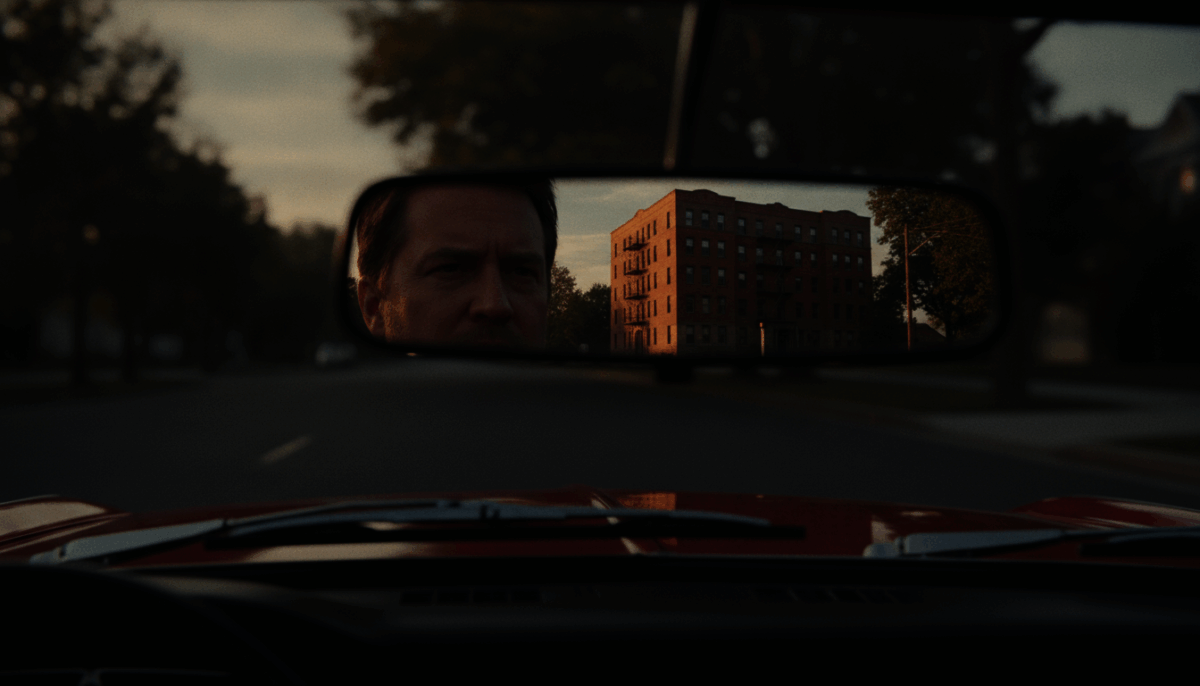
Driving away from that apartment for the last time felt like taking a deep breath after being underwater for years. I didn’t look back. I didn’t say goodbye. I just put the car in drive and left the padlock, the empty fridge, and the memory of Sarah in the rearview mirror where they belonged.
Reddit Weighs In: The Verdict of the Internet
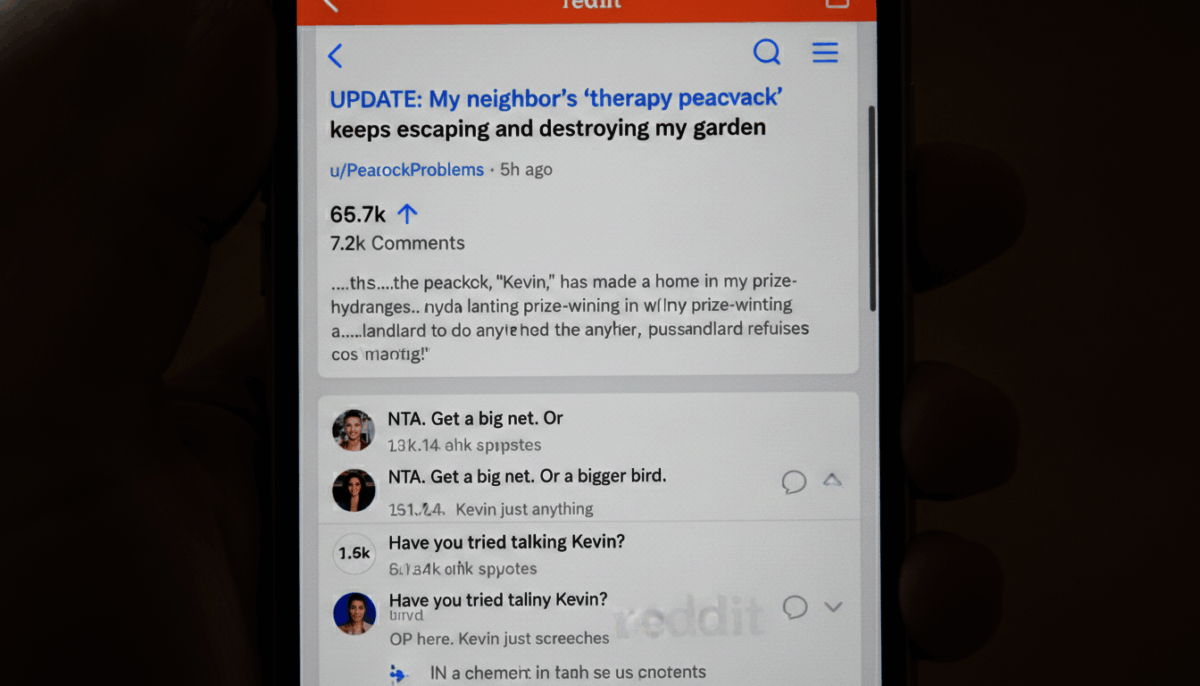
I posted about the entire experience on a popular relationship advice subreddit a few days after moving out. I wanted to know if I had gone too far. The response was overwhelming. Within hours, the post had thousands of upvotes and an endless stream of comments, ranging from complete support to warnings about the legality of my actions.
The consensus was surprisingly in my favor. Most people were horrified by the padlock. They saw it not as a minor boundary issue, but as a form of financial abuse and harassment. They agreed that once she decided to exclude me from the shared property, the ‘social contract’ was broken, and my retaliation was a justified, albeit nuclear, response.
“NTA (Not The Asshole). Putting a padlock on a shared fridge is a massive escalation and a clear attempt to assert dominance. You didn’t break the fridge; you just stopped paying for the power that kept her ‘territory’ alive. It’s poetic justice.”
— u/RoommateTruthTeller (Top Comment, 32.4k upvotes)
There were, of course, the dissenters. A few users pointed out that I could have faced legal trouble if she had threatened me with a suit, or if the landlord had sided with her. They argued that ‘two wrongs don’t make a right’ and that I should have handled it through mediation. I read those comments with interest, but I knew they didn’t understand the dynamic. You can’t mediate with someone who is convinced they own the air you breathe.
The most fascinating part was the sheer volume of people who shared their own ‘nightmare roommate’ stories. It made me realize that I wasn’t alone. Thousands of people have been in a situation where they felt trapped, disrespected, and unheard. Reading those stories made me feel less like a ‘petty avenger’ and more like a survivor of a bad living situation.
The post became a viral sensation, even getting picked up by a few blogs. It served as a reminder that the small, everyday injustices we endure—the stolen food, the passive-aggressive notes, the boundary violations—can eventually lead to explosive outcomes if they are never addressed. I was glad I had shared it, if only to show others that they have more power than they think.
Reflecting on the Limits of Patience
Looking back, I realize that my mistake wasn’t the cancellation of the bill; it was the failure to leave months earlier. I had let myself believe that I could ‘fix’ the situation, that if I just kept my head down and played by her rules, the storm would pass. But bullies like Sarah don’t stop; they just move the goalposts. Every concession I made was interpreted as a sign of weakness, an invitation for her to demand more.
I learned that boundaries are not something you negotiate; they are something you enforce. By letting her think she had power over the fridge, I had essentially invited her to define the limits of my existence in the apartment. It was a harsh lesson to learn, but it was one that has fundamentally changed how I view relationships, both professional and personal.
I’ve since moved into a studio apartment. It’s small, it’s expensive, and it’s entirely mine. There are no shared fridges, no communal chores, and no passive-aggressive notes. I have complete control over every inch of my living space, and for the first time in my adult life, I feel truly at peace. It was worth every penny of the extra rent.
Sometimes I wonder if Sarah ever realized what she did wrong. Maybe she’s in a different apartment now, still trying to impose her will on someone else. Or maybe, just maybe, she’s realized that people are not props in her life story. Either way, it doesn’t matter to me. I’ve moved on, and that is the most important victory of all.
If there’s one piece of advice I would give to anyone in a similar position, it’s this: don’t wait for the padlock to appear. If your living situation feels toxic, if your boundaries are being ignored, and if you feel like a guest in your own home, start planning your exit. You don’t owe anyone your peace of mind.
The Financial Breakdown: Costs vs. Lessons
When I sat down to calculate the ‘cost’ of the war, I was surprised by how low it actually was. I lost the security deposit on the old apartment, but I gained the freedom that came with moving out. The cost of the electricity bill was negligible compared to the mental health benefits of not having to walk on eggshells every single day. It was a small price to pay for sanity.
| Item | Financial Cost | Emotional Cost |
|---|---|---|
| Utility Cancellation Fee | $50 | Low |
| Moving Expenses | $400 | Medium |
| Lost Security Deposit | $800 | Medium |
| Peace of Mind | Priceless | None |
The biggest financial hit was the loss of the security deposit, but honestly, it felt like a ‘freedom tax.’ Paying that amount to never have to see Sarah again felt like a bargain. I didn’t care about the money; I cared about the fact that I was no longer beholden to her rules, her diet, or her drama. It was the best investment I ever made.
I also learned the value of having everything in writing. In my new lease, everything is explicitly stated: who is responsible for what, what constitutes a violation, and what happens if the rules are broken. I don’t leave things to chance anymore. I don’t rely on the goodwill of others when it comes to my basic needs.
The lesson here is simple: protect your assets, protect your space, and above all, protect your peace. Don’t be afraid to pull the plug on a situation that is draining your energy. You might be surprised by how much you can achieve when you stop trying to please someone who doesn’t respect you.
The Lasting Impact of the ‘Nuclear’ Option

It has been six months since I moved out, and I still think about the look on Sarah’s face when the power went out. It’s a vivid memory, a snapshot of a turning point. Sometimes, people ask me if I regret doing it, if I think I could have handled it more ‘maturely.’ I always answer the same way: maturity requires two parties. You cannot be mature with someone who is actively trying to provoke you.
My friends and family have been supportive, though some were shocked at how far I went. My parents, who are usually the first to tell me to take the high road, actually laughed when I told them about the padlock. They knew how much I had suffered and were happy to see me stand up for myself. It was validating to have their support, to know that I hadn’t lost my mind.
I’ve since reconnected with people I had drifted away from while living with Sarah. I’m hosting dinners again, I’m going out, and I’m genuinely happy. The ‘roommate from hell’ era of my life is officially closed. I have no desire to reach out to Sarah, and I hope she has no desire to reach out to me. We are two different people who were never meant to share a roof.
The experience taught me that I am capable of being assertive, even when it’s uncomfortable. I used to be afraid of conflict, afraid of being the one to start an argument. Now, I see conflict as a necessary tool for maintaining boundaries. If you don’t fight for your space, someone else will definitely take it.
I hope that if anyone reading this is in a similar situation, they find the courage to do what I did—not necessarily the power-cutting part, but the leaving part. The most important thing is to prioritize your well-being. Don’t let someone else’s dysfunction become yours. You deserve to be comfortable in your own home.
Final Reflections and Moving Forward

As I write this, I’m sitting in my own quiet kitchen. There’s no padlock on my fridge. There are no sticky notes on my food. There’s only the sound of the wind outside and the gentle hum of my own refrigerator, which I alone control. It’s a small thing, but it means everything to me. It is a symbol of a life reclaimed.
I’ve learned that the most important relationship you have is the one you have with yourself. If you allow others to treat you with disrespect, you are telling the world that you don’t value yourself. I’m no longer willing to make that statement. I value my space, my sanity, and my peace of mind.
The Reddit thread is still active, with new people sharing their stories every day. I still check it occasionally, not for the drama, but for the community. It’s heartening to see people supporting each other, offering advice, and reminding one another that they aren’t alone. We’re all just trying to navigate this complicated thing called life, and sometimes, that means locking a fridge—or cutting a power bill.
I’m looking forward to the future, to new roommates who are actually friends, or perhaps just to living alone for a long time. Whatever happens, I know that I have the power to protect myself. I have the power to say no, to set boundaries, and to walk away when the situation no longer serves me.
Thank you to everyone who read my story, who commented, and who offered support. You helped me realize that I made the right decision. And for those of you who are still dealing with your own ‘Sarahs,’ hang in there. You’ll find your way out, and it will be the most liberating feeling in the world.
Conclusion
This saga of the padlock and the power bill serves as a modern-day fable for the dangers of unchecked entitlement in shared living spaces. It reminds us that our homes should be sanctuaries, not battlegrounds. When mutual respect evaporates, the social contract is voided, and sometimes, the only way to restore order is through a decisive, albeit controversial, act of self-assertion.
Ultimately, this was never about a padlock or a utility bill; it was about the fundamental right to exist in one’s own space without fear, judgment, or unnecessary restriction. While the path I took was unconventional, it provided the clarity I needed to reclaim my independence and move toward a healthier, more peaceful life.
What about you? Have you ever had to resort to ‘nuclear’ options in a roommate dispute, or have you been on the other side of a living nightmare? Share your stories in the comments below—I’d love to hear how you handled your own household crises and what lessons you learned along the way.
What's your verdict on this dilemma?
Vote below to contribute to the official community consensus.

Have a Dilemma Keeping You Up at Night?
Share your real-life feud, wedding chaos, or relationship crossroads anonymously with our editorial team.
What do you think ?
0 Comments🛡️ Comments are moderated to protect community integrity. Your comment will appear once approved by the editorial team.