
I have always been the ‘stable one.’ While my older brother, Jason, was busy chasing get-rich-quick schemes and burning through venture capital, I was working sixty-hour weeks, saving every penny, and eating instant noodles so I could afford the down payment on a modest starter home. For years, my parents praised my work ethic while simultaneously ‘borrowing’ money from me to bail out Jason’s endless string of failures. I thought this was just how family worked. I thought love meant support, and support meant writing checks.
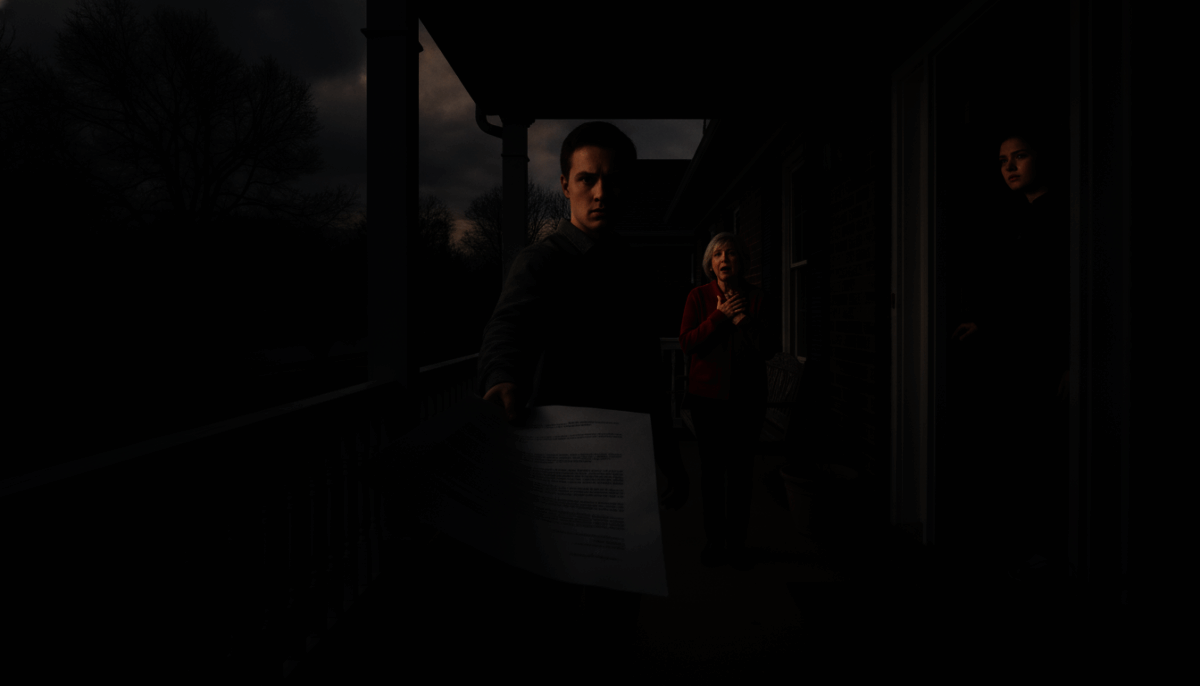
But the dynamic shifted the moment I signed the papers for my own home. It wasn’t just a house; it was a sanctuary, a tangible representation of years of sacrifice and late-night shifts. My parents didn’t see it as a milestone for me. They saw it as an asset—a safety net that didn’t belong to me, but to the ‘family.’ When Jason’s latest venture—a bizarre crypto-adjacent startup—collapsed into a pile of debt and legal threats, the vultures didn’t just circle; they landed on my porch with a list of demands.
The audacity of their plan was breathtaking. They didn’t just want a loan. They wanted a second mortgage on my property to cover Jason’s mounting bankruptcy liabilities. They arrived on a rainy Tuesday, unannounced, with a smirk on my mother’s face and a grimace on my father’s, expecting me to roll over as I had always done. They truly believed that my home was simply a resource for them to deploy at their discretion.
What they failed to account for was the quiet, simmering resentment I had been harboring for years—the thousands of dollars never repaid, the snide comments about my ‘boring’ life, and the complete lack of respect for my boundaries. I didn’t yell. I didn’t cry. I simply looked at the papers, looked at my father, and realized that the person standing in front of me was a stranger who valued my brother’s failures more than my own security.
This is not just a story about a house. It is a story about the breaking point of familial obligation, the realization that blood does not excuse toxicity, and the moment I decided that if they wanted to treat my life like a business transaction, I would treat them like any other failed vendor. I didn’t just refuse them; I changed the entire trajectory of my life in a single afternoon.
The Tuesday Afternoon Ambush
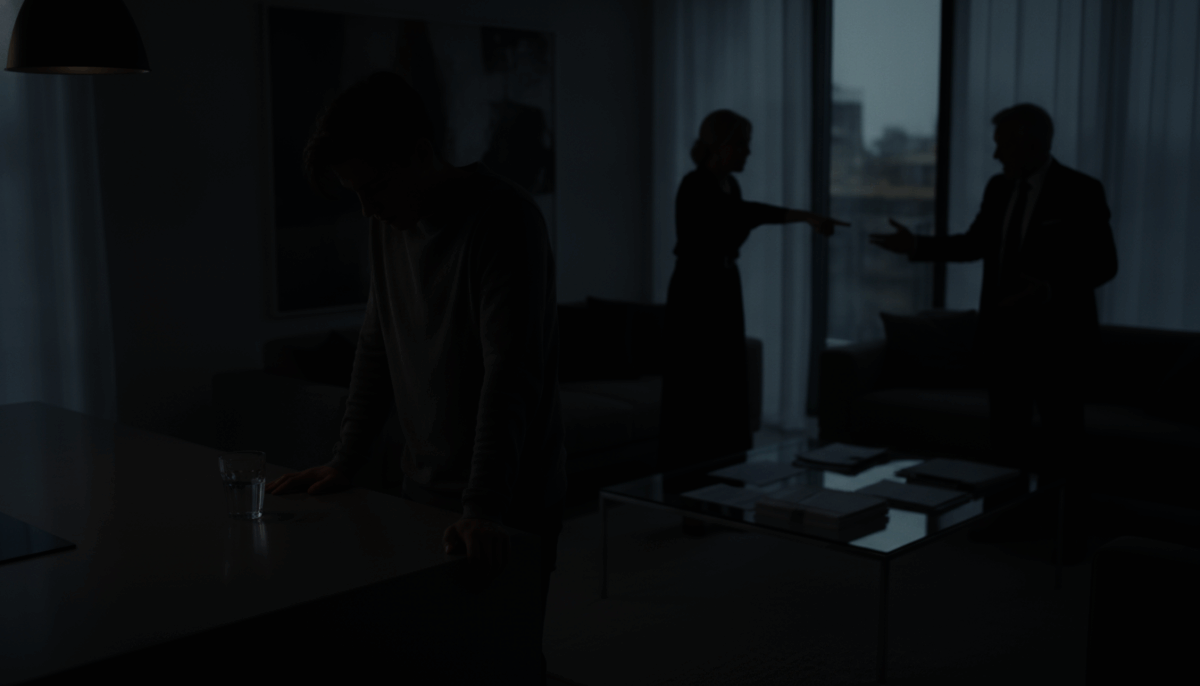
It was 3:00 PM on a Tuesday when the doorbell rang. I was in the middle of a Zoom call, but the frantic, rhythmic pounding on the door forced me to mute my microphone and hurry to the foyer. When I opened the door, I wasn’t greeted with a ‘hello’ or a ‘how are you?’ but by my mother pushing past me into my living room, followed by my father, who was clutching a thick, leather-bound portfolio.
“We don’t have much time, and we need your signature,” my father stated, bypassing any social pleasantries. He laid the documents on my coffee table with the practiced gravity of a man who assumed the world would bend to his will. I looked at the papers—a power of attorney request and a document authorizing a massive lien against my home equity. My heart began to hammer against my ribs, not out of fear, but out of a sudden, freezing clarity.
“You need to sign these now. Jason is in trouble, and the bank is threatening to take his car and freeze his accounts. This is the only way to keep the family name out of the headlines.”
— My Father, minutes before the fallout
I stared at the documents, feeling the weight of every sacrifice I had made over the last decade. My mother began pacing, talking about how ‘family helps family’ and how I would never understand the pressure Jason was under. She didn’t ask how I was. She didn’t ask if I could afford it. She simply assumed that my life was a piggy bank waiting for them to break it open.
“Are you asking me to risk my home, the only thing I have, to cover Jason’s gambling debts and failed business experiments?” I asked, my voice terrifyingly calm. My mother scoffed, dismissing the ‘debts’ as ‘learning experiences.’ I realized then that they didn’t see me as a daughter. I was a tool, a resource, a logistical convenience for their favorite child.
I didn’t answer them immediately. I walked into my kitchen, poured a glass of water, and took a slow, deliberate sip. I could hear them whispering in the living room, confident that I was just being difficult and would eventually succumb to the guilt they had been cultivating since I was a teenager. They were wrong. The guilt had evaporated the moment I saw the document for the lien.
The Unspoken Financial History
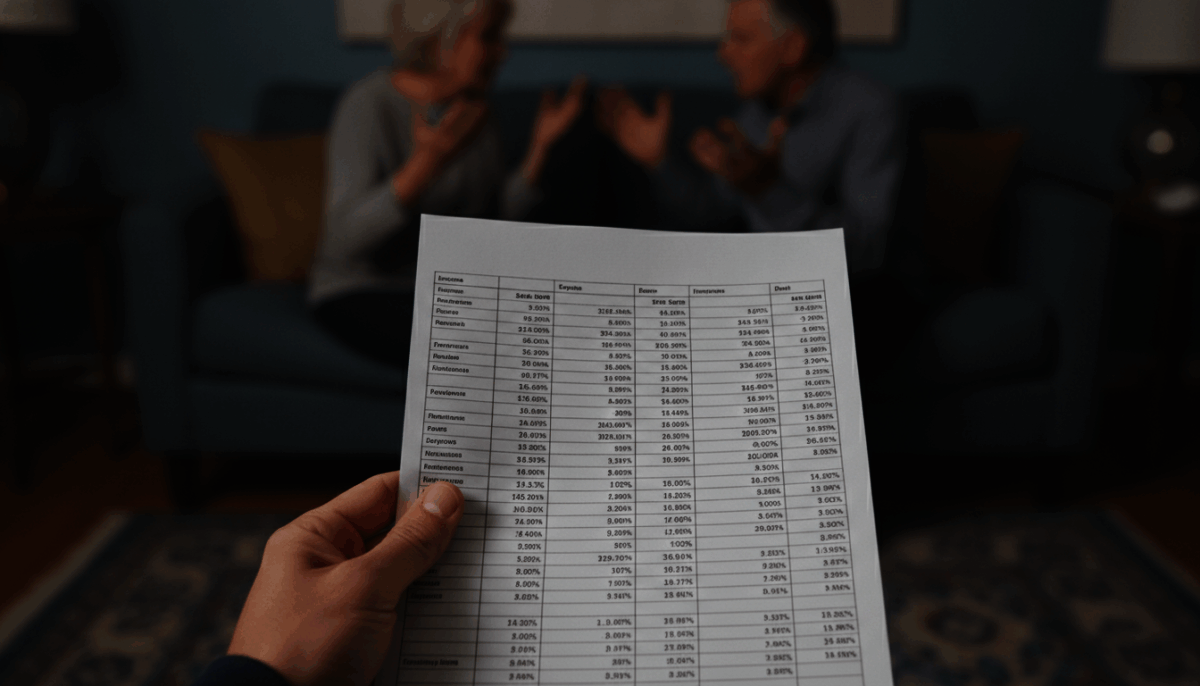
To understand why I didn’t even hesitate, you have to look at the ledger. For years, I had been the silent financier of my brother’s lifestyle. It started with ‘short-term loans’ that were never meant to be paid back. I had paid for his ‘entrepreneurial retreat’ in Bali, his ‘startup marketing costs,’ and even his rent during the times he claimed he was between major deals. The total amount, if adjusted for inflation and interest, was staggering.
I walked back into the room, holding a printed spreadsheet. I didn’t throw it at them; I simply placed it on top of their lien papers. It was a complete, itemized list of every cent they and Jason had ‘borrowed’ from me over the last six years. The look on my father’s face as he scanned the numbers—the total was well into the six figures—was a mix of confusion and indignation.
“What is this? You’re keeping tabs on us now? Since when did we become a bank to our own daughter?”
— My Mother, visibly outraged by the spreadsheet
“You’ve been treating me like a bank for six years, Mom,” I replied. “The difference is that a bank eventually says ‘no.’ I’m saying it now. I’m not signing your lien, and I am not contributing another cent to Jason’s lifestyle. You aren’t here to ask for help; you’re here to liquidate my future to pay for his past.”
My father tried to pivot, claiming that the family house would eventually come to me and Jason anyway, so this was just an ‘advance.’ I told him that I didn’t want their house, and I certainly didn’t want to be tied to their financial ruin. I was done with the expectation that my success was communal property while my brother’s failures remained his own private business.
The room felt suffocating. They started gaslighting me, telling me I was selfish, ungrateful, and that I was the reason the family was falling apart. It was a script I had heard a hundred times before, designed to make me feel small. But this time, it felt like static. It was just noise, and I was finally capable of turning it off.
The Moment of Defiance
When they realized that the emotional manipulation wasn’t working, they switched tactics to threats. My father threatened to cut me off, to tell the extended family I was the reason the ‘family business’ (which was actually just Jason’s failing company) went under. He said I would be a pariah, that no one would want to be associated with someone who abandoned their own flesh and blood in a time of crisis.
I listened to him, really listened, and felt a strange sense of relief. If their love was conditional on my total financial submission, then it wasn’t love—it was a hostage situation. I realized that if they wanted to play the game of ‘consequences,’ I was more than ready to join in. I stepped toward the door and opened it wide, the cool air of the afternoon rushing into the room.
“You talk about being a family. But a family protects its own. You are protecting Jason’s ego, and you are trying to destroy my life to do it. You have five minutes to leave my house, or I am calling the police to report you for trespassing and harassment.”
— My words, finally setting the boundary
My mother looked at me as if I had sprouted horns. She couldn’t believe that I was actually willing to kick them out. She started crying, a practiced, performative display that used to work like a charm on me. I didn’t even blink. I just looked at my watch. Four minutes left. They weren’t used to hearing the word ‘no’ from me, and they were certainly not used to being held accountable for their behavior.
My father stood up, his face turning a dangerous shade of purple. He tried to grab the documents, but I stepped in front of him. I took the papers—their lien documents—and slowly, deliberately, tore them in half. I didn’t rip them into confetti; I just snapped them in two and dropped them on the floor. It was the most satisfying sound I had ever heard.
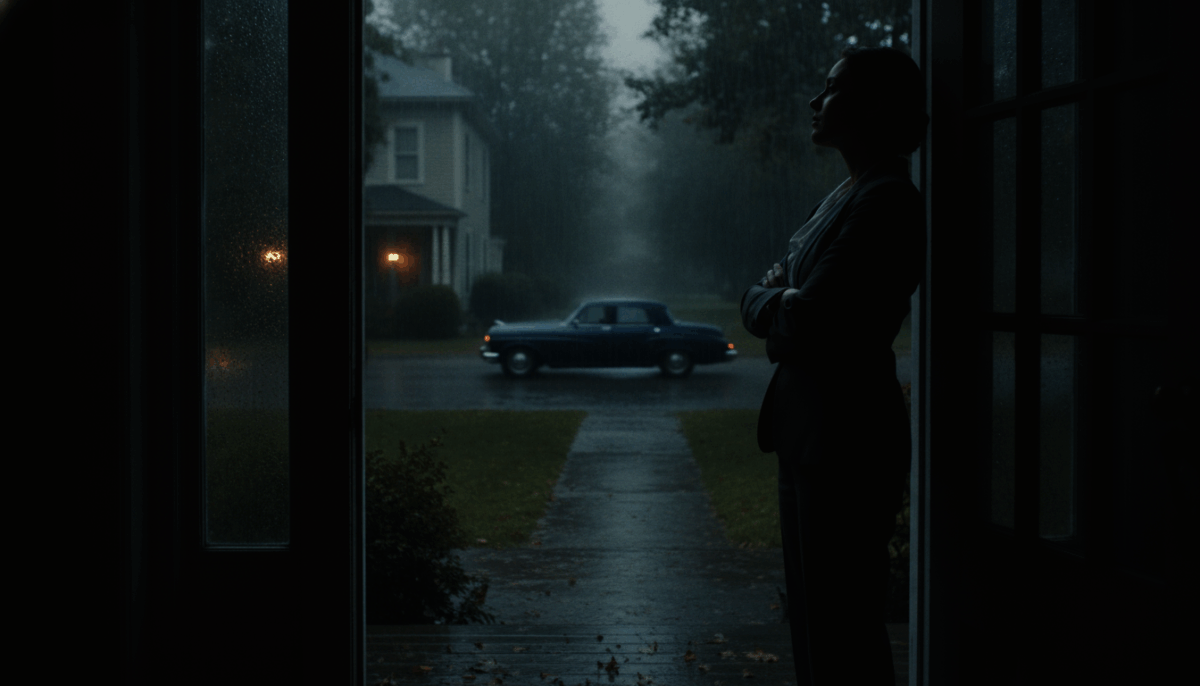
They left in a flurry of insults and slammed doors, but not before my father shouted that I would regret this. I stood on my porch, watching their car peel away from the driveway, and felt a profound sense of peace. I had survived the confrontation. But the real work was just beginning.
The Paperwork of Liberation

That evening, I didn’t just sit and wait for the fallout. I knew that my parents wouldn’t just accept the rejection. They would come back, or they would try to go through legal channels or leverage their connections in the family to pressure me. I spent the next four hours calling my attorney and drafting a formal letter that would serve as a permanent boundary.
I realized that in the eyes of the law, I needed to protect my home at all costs. I changed the locks on my doors that night. It felt like a small, mundane task, but every click of the new bolt felt like a barricade against a lifetime of being taken for granted. I felt like a child of the system, trying to build a fortress out of paperwork and deadbolts.
“You need to make sure that they cannot access your property or your financial accounts. Given their behavior, they might try to manipulate bank representatives or claim you are mentally unstable to get control of your assets. Keep everything documented.”
— My lawyer, over a late-night phone call
I also set up a security system with cameras. It seemed extreme to some, but after the way my mother had forced her way into my home, I didn’t want to be caught off guard again. I wanted to be able to see who was at my door before I opened it. I was no longer interested in being the ‘nice, accommodating daughter’ who could be steamrolled at a moment’s notice.
The next morning, I sent a formal email to my parents, CC’ing my attorney. I didn’t apologize. I didn’t explain. I simply stated that their presence at my home was no longer welcome, and that any further attempts to contact me regarding their finances or Jason’s situation would be viewed as harassment and handled legally. It was cold, and it was final.
I spent the rest of the day blocking their numbers and the numbers of my brother’s business associates who had been blowing up my phone for weeks. It felt like cleaning a wound. It was painful, and it took time, but it was necessary for the healing to begin. I was finally, for the first time in my life, putting myself first without apology.
The Group Chat Explosion
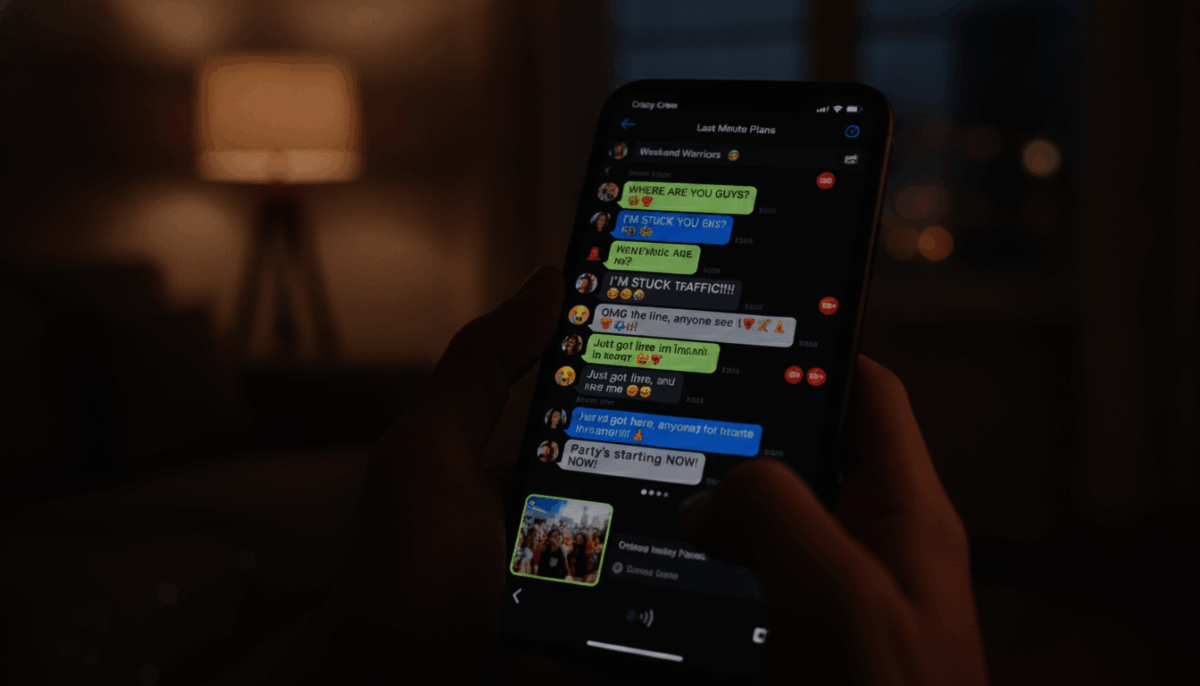
The inevitable fallout reached the family group chat within 48 hours. I had left the group earlier, but my cousin, who was always looking for a bit of drama, sent me screenshots of the chaos. My parents were painting me as a villain who had ‘abandoned her family in a time of need.’ They claimed I had somehow stolen money from them, flipping the narrative entirely.
The chat was a cesspool of judgment. Extended family members I hadn’t spoken to in years were chiming in, demanding that I ‘do the right thing.’ They used words like ‘selfish’ and ‘heartless.’ It was fascinating to see how easily they were manipulated by my parents’ version of events, without ever checking the facts or asking for my side of the story.
“How could you do this to your own brother? He’s drowning, and you have all this extra space in your home. You’re being a cruel, materialistic person.”
— A message from my aunt in the family group chat
I didn’t respond to the group chat directly. Instead, I took a screenshot of the email I had sent to my parents, the one that outlined my boundaries, and posted it to my private social media. I didn’t add any commentary. I just let the facts speak for themselves. The silence that followed was deafening.
The people who truly knew me—my friends, my partner, and the few family members who weren’t involved in the toxicity—started reaching out. They were shocked by what my parents had done. They started to see the dynamic that I had been hiding for so long. It turned out that I wasn’t the monster; I was the only one who had finally had enough.
The family group chat eventually quieted down. It turned out that while people loved to gossip, they weren’t quite as interested in getting involved in a legal battle. My parents’ attempts to paint me as the villain failed because they couldn’t provide any proof of my supposed ‘theft,’ and the truth about Jason’s bankruptcy was becoming public knowledge.
The Reddit Verdict
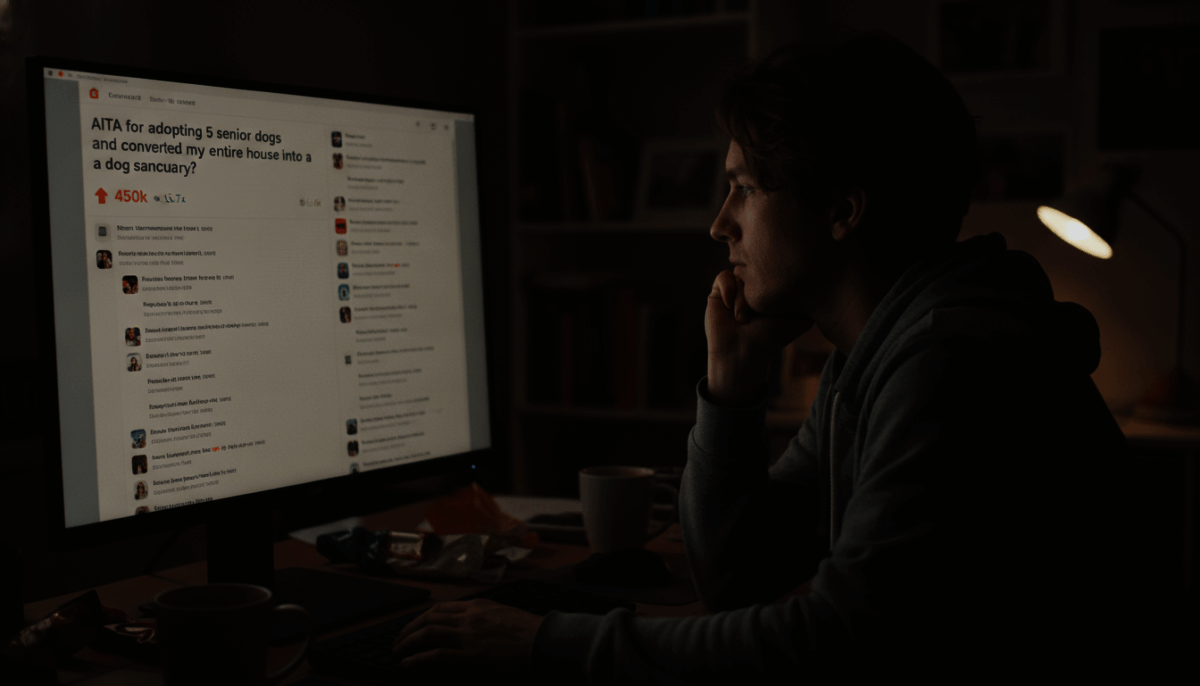
I decided to share my story on a popular subreddit to see if I was actually the one who had crossed the line. I laid out the facts as neutrally as I could, focusing on the request to sign over the deed and my subsequent reaction. The response was overwhelming. Within a few hours, the post had reached the top of the subreddit, and the comments were pouring in.
“NTA. Your parents are predators. They tried to commit financial suicide with your assets. You didn’t evict them; you defended your life. Never look back.”
— u/ReasonableObserver, 42.1k upvotes
The community was largely on my side. Many people shared stories of their own experiences with ‘golden child’ siblings and parents who viewed their children as ATMs. It was validating to hear that I wasn’t crazy for setting a boundary, and that my reaction wasn’t just a fit of temper, but a necessary survival mechanism. The support from strangers was more comforting than the silence from my family.
There were a few dissenters, of course, who argued that ‘family is everything,’ but they were quickly drowned out by voices who understood the reality of financial abuse. The thread became a hub for people to share tips on how to handle toxic family members and legal advice on protecting one’s assets. It turned my trauma into a resource for others.
I read through the comments for hours. It was like a therapy session. Seeing my story through the eyes of thousands of strangers helped me realize that the guilt I was feeling was a phantom—an echo of a childhood where I was taught that my needs didn’t matter. I wasn’t just defending a house; I was defending my own humanity.
The consensus was clear: I had done the right thing. The validation I received gave me the strength to continue on my path of no-contact. I didn’t need my parents’ approval, and I certainly didn’t need to be the person they wanted me to be. I was becoming the person I actually was.
The Legal Counter-Strike
My parents didn’t give up immediately. A week after the group chat incident, I received a certified letter from a law firm. They were threatening to sue me for ’emotional distress’ and for ‘withholding family assets.’ It was a laughable attempt to intimidate me. My lawyer laughed when I showed it to him. He explained that their case had absolutely no merit.
We decided to file a counter-complaint for harassment and to establish a formal order of protection. The idea that they would drag this through the courts was actually working in my favor. It forced them to admit in a legal setting exactly what they were trying to do: force me to sign over my property. Their own legal filings would become public records of their entitlement.
“They are digging their own grave. Every filing they make is just more evidence of their harassment. Let them file. It makes our job easier.”
— My lawyer, reviewing the documents
The stress was immense, but I felt empowered. For the first time, I was playing the game by the rules instead of just being a pawn. I wasn’t running away; I was standing my ground. I had the documents, the timeline, the evidence, and a legal team that understood exactly what was at stake. I was ready to face them in court if it came to that.
My parents soon realized that they had overestimated their leverage. The cost of a legal battle they were guaranteed to lose was becoming a reality for them. They had no more money to pour into Jason’s business, let alone a frivolous lawsuit against me. The threats stopped appearing in my mailbox, and the phone calls ceased.
It was a quiet victory. There was no dramatic courtroom showdown, just a series of events where their power slowly eroded as they realized they couldn’t force my hand. I had won by simply refusing to play. It was the most expensive lesson they ever learned, and the most valuable one I ever received.
The Silence of the Aftermath

Months passed, and the silence from my parents became the new normal. At first, it was lonely. I had spent so much of my life trying to earn their love that I hadn’t realized how much of my identity was tied to that struggle. But as the months turned into a year, the loneliness was replaced by a sense of freedom. I could do what I wanted, spend my money how I wanted, and live my life without the specter of their expectations.
I started traveling, pursuing hobbies I had long abandoned, and investing in my own growth. I realized that the time I had spent worrying about them was time I could have been spending on myself. I was building a life that was mine, not a life that was a mirror of their desires. The house, once a symbol of their entitlement, became a symbol of my independence.
“I don’t think I’ve ever seen you look this happy. You seem lighter, like you’ve finally put down a weight you didn’t know you were carrying.”
— A close friend, commenting on my transformation
My brother, Jason, eventually filed for bankruptcy and moved to a different state. I heard through the grapevine that he was still looking for his next ‘big break.’ I felt a twinge of pity, but it was distant, like looking at a stranger. He was no longer my responsibility. My parents, I heard, were struggling with their own financial issues, having exhausted their resources to support him.
I didn’t reach out. I didn’t offer help. I knew that if I did, the cycle would just begin again. The boundary I had built was not just a wall; it was a protection for my own sanity. I had learned that you cannot fix people who don’t want to be fixed, and you certainly shouldn’t set yourself on fire to keep them warm.
I had finally learned the lesson that so many people struggle with: you are allowed to say no to your parents. You are allowed to prioritize your own well-being. And you are allowed to walk away from people who do not respect your worth. It was a hard lesson to learn, but it was worth every ounce of the struggle.
Reflections on Family and Worth

Looking back, I realize that the incident at my home wasn’t the start of my troubles; it was the end of them. It was the moment I finally stopped believing the narrative that my value was tied to what I could provide for my family. I had been raised to believe that family loyalty was an absolute, regardless of the cost to my own life. I see now that loyalty without boundaries is just exploitation.
I’ve learned to identify the difference between supportive family and toxic enablers. Supportive family celebrates your success and respects your boundaries. Toxic enablers view your success as a resource and your boundaries as an insult. It took me a long time to see the difference, but now that I have, I don’t think I could ever go back to the way things were.
“You owe your parents nothing but your honesty. If they cannot handle the truth of your boundaries, that is their failing, not yours. You are the architect of your own life.”
— My therapist, reflecting on my journey
I still struggle sometimes with the guilt. The societal pressure to ‘love your family no matter what’ is incredibly powerful. But then I remember the look on my mother’s face when I said no, and the way my father threatened me. That memory is my anchor. It reminds me why I made the choice I did, and it keeps me from slipping back into old patterns.
I’ve started to build a ‘chosen family’—a group of friends and mentors who actually care about me as a person, not for what I can do for them. It’s been one of the most rewarding experiences of my life. I’ve realized that family isn’t just about blood; it’s about respect, shared values, and mutual support. And that’s something I finally have.
My advice to anyone facing a similar situation is simple: trust your instincts. If something feels like it’s crossing a line, it is. If someone is asking you to sacrifice your life for their mistakes, say no. And if they don’t respect your no, then you don’t owe them another chance. Your life is yours alone, and you are the only one who can decide how to spend it.
The Future I Built

Today, my home is just a home. It’s no longer the center of a drama, and it’s no longer a pawn in a financial game. It’s a place where I feel safe, comfortable, and truly at peace. Every time I walk through the front door, I’m reminded of the strength I found that day—the day I decided to stop being the ‘stable one’ for everyone else and started being the stable one for myself.
I’ve continued to grow my career and my own financial security, this time entirely for my own benefit. I’ve learned to invest wisely, set clear goals, and surround myself with people who are genuinely happy for my achievements. The fear of being ‘the bad guy’ has faded, replaced by the confidence of knowing I did what was necessary for my own survival.
“I am not the person I was a year ago. I am stronger, more independent, and finally free to be the person I was always meant to be.”
— My closing thought on the journey
The lessons I learned weren’t easy, but they were essential. I’ve learned that saying no is not an act of hate; it’s an act of self-preservation. I’ve learned that setting boundaries is not an act of cruelty; it’s an act of respect for both yourself and others. And I’ve learned that sometimes, the hardest thing you ever do is the best thing you ever do.
I don’t regret what happened. I don’t regret the fallout, the arguments, or the silence. They were the price of my liberation. And if I had to do it all over again, I would do exactly the same thing. Because at the end of the day, I have my life, my home, and my dignity. And that is more than enough.
I am looking forward to the future, for the first time without fear. I have no idea what’s next, but I know one thing for sure: I am in charge of my own destiny. And that is the greatest gift I could have ever given myself. The cycle is broken, and for that, I am truly grateful.
Conclusion
This journey has been a testament to the fact that blood does not grant someone the right to destroy your future. The audacity of my parents’ demands was a wake-up call I hadn’t realized I desperately needed. By choosing to protect my home and my financial stability, I didn’t just save an asset; I reclaimed my autonomy. The path to no-contact was paved with guilt and social pressure, but it led me to a place of genuine peace and self-respect.
The lessons learned here are universal: true love and family support are reciprocal, never one-sided. If you find yourself in a position where your boundaries are being ignored or your security is being treated as a resource, remember that you have the right to say no. You are the sole architect of your future, and that future is not open for negotiation by those who would see it burned for their own gain.
What about you? Have you ever had to draw a hard line with family over financial exploitation? Have you had to walk away from a toxic dynamic to find your own worth? Share your experiences and thoughts in the comments below—let’s discuss how we can support each other in setting and maintaining healthy boundaries.
What's your verdict on this dilemma?
Vote below to contribute to the official community consensus.

Have a Dilemma Keeping You Up at Night?
Share your real-life feud, wedding chaos, or relationship crossroads anonymously with our editorial team.
What do you think ?
0 Comments🛡️ Comments are moderated to protect community integrity. Your comment will appear once approved by the editorial team.