

Growing up, my life was defined by the invisible and visible struggles of living with a chronic, progressive mobility disorder. My brother, Liam, was always the ‘golden child’—the star athlete, the charismatic extrovert, and, in many ways, my protective shadow. I always felt a twinge of guilt that our parents poured so much of their resources into my medical care, which is why when I started my career in tech and found financial success, I made a silent vow: I would ensure Liam had the best start in life. I set up a dedicated college fund, covering every cent of his tuition, room, and board at his dream university.
For years, I believed we shared a bond built on genuine love and mutual respect. I saw him as my biggest ally, the person who would help me navigate a world that wasn’t always built for someone with my limitations. I never imagined that behind the closed doors of his digital persona, he was cultivating an audience by turning my daily reality into a punchline. The betrayal didn’t just sting; it shattered the foundation of my trust, forcing me to re-evaluate every sacrifice I had made for the sake of ‘family.’
It happened on a rainy Tuesday evening while I was scrolling through social media, trying to unwind. A friend sent me a clip of Liam’s latest livestream. I expected to see him playing games or talking about his classes. Instead, I saw my own life—my movements, my assistive devices, and my struggles—being caricatured with a cruel, exaggerated flailing motion. He was laughing, his chat feed scrolling by with hundreds of comments mocking ‘the gimpy sibling.’ The laughter in the room sounded like a serrated blade.
The moral dilemma that followed wasn’t about revenge; it was about agency. Did I owe him financial support when his primary source of entertainment was the dehumanization of my existence? Was I merely an ATM for someone who viewed my suffering as a brand-building exercise? The decision to cut off the fund was swift, cold, and final. But as the news rippled through our family, I realized that the hardest part wasn’t pulling the plug on the money—it was facing the people who demanded I keep writing the check regardless of my dignity.
The Livestream Heard ‘Round the Living Room
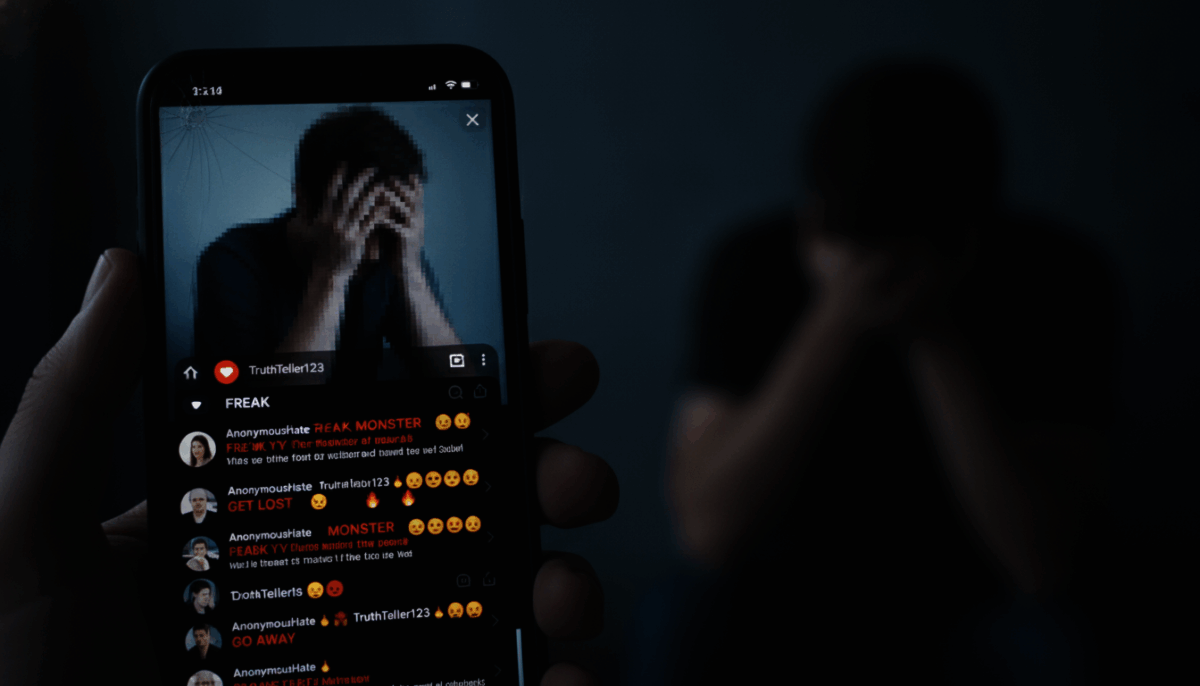
I remember the exact sensation of the room losing its oxygen. The video on my screen was crystal clear, showing Liam in his dorm room, surrounded by gaming peripherals. He was leaning into the microphone, his face twisted in a mocking imitation of my gait. ‘You guys haven’t seen the act yet,’ he told his followers, his voice dripping with performative sarcasm. ‘It’s like trying to watch a broken robot attempt to walk a tightrope. It’s hilarious, honestly. I just tell people I’m the stronger twin, even if we were born the same day.’
The chat was moving too fast to read individual usernames, but the sentiment was clear. Emojis of crutches and wheelchairs flooded the screen, interspersed with ‘LMAO’ and ‘absolute content gold.’ I felt a physical sickness, a cold knot forming in my stomach that had nothing to do with my condition and everything to do with the realization that my own flesh and blood saw me as a prop.
“Look, I don’t mean to be mean, but if you had to deal with this every day, you’d understand why I need a little comedic relief. It’s just a joke, guys. Don’t be so sensitive.”
— Liam, during the live stream
I sat there in the silence, the light from my monitor casting long, distorted shadows on my bedroom walls. I reached out to touch the heavy, metal frame of my walker, which stood near the doorway. It felt alien now, like a piece of equipment I had been tricked into wearing for Liam’s amusement. My heart rate monitor buzzed on my wrist, alerting me to the spike in my pulse. I wasn’t just angry; I was profoundly, irrevocably disappointed.
I took a screenshot of the timestamp, then another of the viewer count—nearly 3,000 people tuned in to laugh at my expense. I didn’t reach out to him immediately. I needed to let the poison settle. I needed to know if this was a one-time lapse in judgment or a recurring theme in his secret digital life. A quick search of his archived streams revealed it wasn’t a one-off. There were weeks of ‘funny clips,’ all centered on my disability.
The realization hit me that my financial contributions were literally funding the equipment he used to broadcast his mockery. The irony was so bitter I could taste it. I had been working overtime for months to ensure his tuition for the next semester was covered in full, paying a premium to guarantee he had a ‘stress-free’ environment to succeed. I was the architect of my own public humiliation, paying for the very microphone he was using to belittle me.
The Morning of the Canceled Ledger

By the next morning, my decision had crystallized into a singular, immovable resolve. I contacted the university’s bursar office and the private bank managing the education trust. I didn’t give them the full story—I didn’t need to. I simply stated that the funds were being redirected due to a breach in the terms of the financial agreement. The representative on the phone sounded professional and detached, confirming the transaction reversal without a hint of judgment.
I then sat down at my desk and pulled up our family group chat. My parents were there, along with Liam and his girlfriend. I knew that by pulling the money, I was effectively detonating a bomb that would destroy the peace my parents had spent years cultivating. But as I typed, my hands didn’t shake. I realized that my silence in the past had only enabled this behavior. I was done being the silent, suffering benefactor.
“I am removing Liam from the tuition fund effective immediately. His behavior on social media, specifically the mocking of my disability for his followers, is an inexcusable betrayal. Do not contact me about this.”
— My message to the Family Group Chat
The response was immediate. Within seconds, my phone started buzzing. First came my mother, her voice high and frantic, asking me what I meant and if I had ‘lost my mind.’ Then came my father, his tone stern, demanding I explain myself. Liam stayed quiet for several minutes, probably realizing that the money he had been treating like an infinite faucet had suddenly run dry.
I turned my phone to silent and placed it face down. I didn’t want to engage in a debate. I didn’t want to hear the excuses about ‘dark humor’ or ‘it’s just a prank.’ I had seen the look in his eyes during the stream—that wasn’t humor. That was power. He enjoyed being the one in control, the one who could define my worth in front of thousands of strangers. That power dynamic died the moment the transaction was reversed.
I spent the rest of the day working, focusing on my tasks, and ignoring the barrage of notifications. The feeling of relief was intoxicating. I had spent so much of my life feeling like I had to compensate for my existence by being the ‘successful’ one, the ‘provider,’ the one who was never allowed to be anything other than accommodating and kind. By cutting the cord, I was finally reclaiming my own boundaries.
The Inevitable Confrontation

The confrontation didn’t happen over text. Liam showed up at my apartment two days later, pounding on the door with a desperate, frantic energy. When I opened it, he looked less like a charismatic streamer and more like a panicked college student who realized his lifestyle was about to take a massive hit. He didn’t even say hello; he barged in, pacing the small living room, his face flushed with a mix of fury and confusion.
‘Do you have any idea what you’ve done?’ he started, his voice cracking. ‘They’ve already put a hold on my account. I have finals next week. You can’t just pull the rug out like that because you’re sensitive about a few jokes!’ I watched him, unimpressed, leaning against the kitchen counter. I felt a weird sense of detachment, as if I were watching a bad play unfold.
“It was never about being sensitive, Liam. It was about you building your brand on the back of my physical reality. You want to mock me? Fine. But don’t expect me to pay for the privilege of watching you do it.”
— Me to Liam
‘It’s not like that!’ he shouted, throwing his hands up. ‘It’s just content! People love the sarcasm, the irony. They don’t actually hate you; they’re laughing with me at the ridiculousness of the situation. You’re taking this so personally, and it’s actually going to ruin my life. My tuition is thousands of dollars, and you’re acting like I committed a crime!’ He looked at me, waiting for me to break, waiting for the familiar guilt to wash over me.
But the guilt was gone. It had been replaced by a cold, hard clarity. ‘You committed a crime against our relationship, Liam,’ I said calmly. ‘You saw my struggle—the pain, the doctors, the daily exhaustion—and you decided it was good for your engagement numbers. That isn’t a joke. That’s a character flaw. And you can find a way to pay for your own education now, just like I had to find a way to pay for my own existence.’
He stopped pacing and stared at me, his mouth agape. He hadn’t expected me to be this firm. He had relied on my history of being the ‘understanding sibling,’ the one who would always bail him out. He tried to soften his tone, pleading with me, talking about his future and how this would set him back years. I told him he should have thought about that before he turned on his camera and started his routine.
The Family Intervention Strategy

My parents didn’t take my decision well. They viewed it through the lens of family cohesion, as if the money were a binding contract that superseded any personal violation. My mother called me every evening for a week, her voice a mix of pleading and scolding. She told me that I was being ‘petty’ and that Liam was ‘young and dumb.’ She argued that my wealth was a blessing I was meant to share, not a weapon I should use to punish those who cared about me.
The irony was suffocating. They weren’t asking Liam to apologize; they were asking me to move past his abuse for the sake of his degree. They were framing my refusal to fund his lifestyle as a moral failing on my part. I started keeping a log of our conversations, just in case they tried to escalate this to legal threats. I had already spoken to an attorney, who confirmed that since the money was a gift, I had every right to rescind it at any time.
“We didn’t raise you to be this vindictive. You know how hard Liam is working. If you don’t help him, who will? Do you really want to be the reason your brother drops out of school?”
— My mother, during a heated phone call
I realized then that I wasn’t just fighting Liam; I was fighting a lifetime of conditioning. My family had always prioritized the ‘golden child’s’ comfort over my own integrity. If I gave in, I would be setting a precedent that I could be walked over as long as the perpetrator was ‘family.’ I stood my ground, telling my parents that if they were so concerned about his education, they were more than welcome to use their own retirement savings to cover it.
That statement silenced them. They had spent years relying on my ‘success’ to offset the burden of Liam’s lifestyle, and now that the safety net was gone, they were staring at the reality of their own finances. It was a cold awakening for all of us. I wasn’t just cutting off Liam; I was cutting off the entire ecosystem that had allowed him to treat me with such contempt for so long.
I started noticing how my friends and colleagues reacted when I told them the story. Some were shocked by the coldness of my decision, but most were incredibly supportive. They understood that you can’t buy respect, and certainly not at the price of your own dignity. My inner circle became my new family, providing the validation that I wasn’t getting from the people who were supposed to love me unconditionally.
The Viral Backlash and Reddit’s Verdict
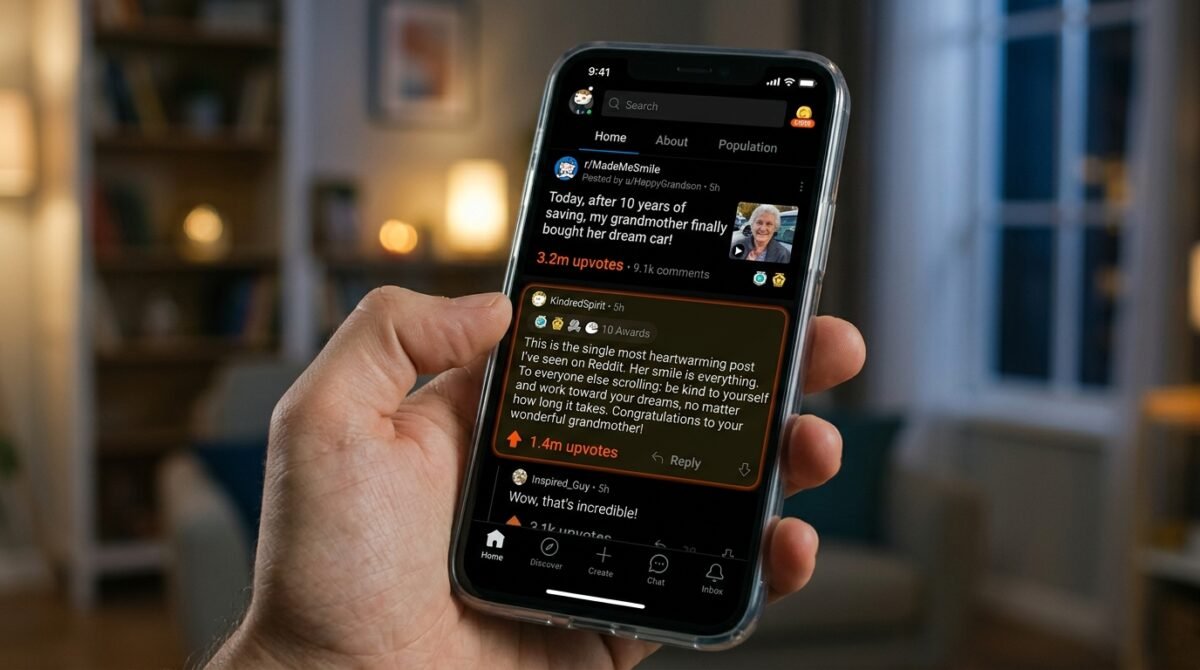
I decided to post my story on an anonymous forum to see if I was truly in the wrong. I laid out the facts as clearly as I could: the history of the tuition fund, the discovery of the livestreams, the mockery, and the subsequent decision. I expected a mix of responses, but the sheer volume of support was overwhelming. The internet, for all its toxicity, seemed to recognize the boundary I had drawn for what it was—a necessary act of self-preservation.
“NTA. Your brother wasn’t just ‘joking’—he was monetizing your disability. That is a level of malicious betrayal that goes beyond ‘sibling rivalry.’ You aren’t his bank, and you certainly aren’t a prop for his career. Good on you for standing up for yourself.”
— u/JusticeForAll (Top Comment, 28.5k upvotes)
Other users shared similar stories of financial abuse within their families. It was validating to see that I wasn’t alone in this experience. The thread quickly became one of the top posts of the week, with thousands of comments debating the ethics of familial obligation versus personal dignity. There were some dissenting voices, of course, but the consensus was clear: the money was a gift, not an entitlement, and once the recipient violated the terms of that gift, the donor had every right to withdraw it.
Reading the comments helped me process the internal guilt I had been harboring. For years, I had been taught that my wealth made me an ‘enabler’ by default, that I had to pay to be part of the family. The internet helped me realize that I was actually an adult who had been manipulated by people who should have had my back. The distance helped me see the relationship for what it really was: a transactional arrangement where I provided the cash and they provided the illusion of support.
I started to see the situation not as a tragedy, but as a turning point. By cutting off the financial support, I had finally broken the cycle of abuse that had persisted since childhood. I didn’t need to be the ‘successful one’ who saved everyone else; I could just be myself, with my own boundaries and my own life. The viral nature of the post also made Liam aware that his ‘content’ had consequences far beyond our family, which I hoped would force him to think twice before doing it again.
The Aftermath: A New Normal

Weeks turned into months, and the dust finally began to settle. Liam had to take out significant student loans to cover his tuition, a process that forced him to work part-time for the first time in his life. Our parents, while still cold towards me, eventually stopped calling me daily to beg for money. The dynamic had shifted permanently, and for the first time in my life, I felt like a stranger in my own family. And honestly? It was the most peaceful I had ever felt.
I started focusing on my own health and my career, free from the constant stress of managing someone else’s expectations. I invested the money I would have spent on his tuition into my own future—a new, more accessible home, better health services, and personal development. I realized that for too long, I had been living for a future that included everyone but myself. I was finally building a life that was comfortable and sustainable.
“I learned that love shouldn’t come with a price tag, and it definitely shouldn’t come with the requirement that I sacrifice my dignity to pay for it. I am no longer a source of funds for those who don’t respect me.”
— My personal reflection
I still see his livestreams pop up sometimes in my recommendations, but I don’t click on them. He’s changed his content—it’s more generic now, less focused on mocking others. Maybe he learned his lesson, or maybe he’s just afraid of losing his remaining supporters. Either way, it doesn’t matter to me. His choices are his own, and my choices are mine. The cord has been severed, and the freedom I feel is worth more than any sum of money.
Sometimes I wonder if we will ever reconcile. It’s a distant, faint thought, quickly replaced by the reality of my daily life. I have moved on, and that is the biggest victory of all. I am no longer the ‘gimpy sibling’ who pays for everything; I am just me, and that is enough. I’ve realized that family is not just about blood—it’s about who respects you, who supports you, and who stands by you when things get tough. And those people, I’ve learned, are the ones I want in my corner.
Reflecting on Financial Entitlement

The story has sparked a lot of conversation about how we treat family members who have more money. Many people struggle with the guilt of being the ‘successful’ one, and the expectation that they should always be the one to pay for everything. It’s a common theme in toxic family dynamics, where the ‘rich’ sibling is expected to be a bottomless pit of cash, regardless of how they are treated. I wanted to share my perspective on why this is so damaging.
When we tie financial support to our relationships, we change the nature of those relationships. It becomes a power game, where the recipient feels entitled to the money and the donor feels like they have to keep paying to maintain their ‘status’ or their place in the family. It creates a cycle of dependency that is incredibly difficult to break. By cutting off the tuition fund, I wasn’t just stopping the money; I was stopping the transaction.
“Money can buy comfort, but it cannot buy loyalty. If you have to pay for someone to treat you with basic decency, you aren’t in a relationship—you are in a hostage situation.”
— A thought that keeps me grounded
I hope that anyone reading this realizes that they are allowed to have boundaries. You don’t have to fund your own abuse, and you don’t have to keep giving money to people who don’t respect your life or your struggles. Your money is a reflection of your work, your discipline, and your success, and you have every right to decide how it’s used. Don’t let guilt or social pressure dictate your financial decisions.
The lessons I’ve learned have been hard-won, but they’ve been essential. I’ve learned that I am capable of standing up for myself, even when it’s scary. I’ve learned that the people who truly love me will support me, even when I make decisions they don’t agree with. And I’ve learned that I am so much more than the ‘successful sibling.’ I am a person who deserves to be treated with kindness, respect, and dignity, and I will never let anyone take that away from me again.
The Impact on My Mental Health

It took time to heal from the psychological toll of the ordeal. Even though I was the one who made the decision, I still felt a lingering sense of guilt that I had to overcome. For years, I had been conditioned to believe that my worth was tied to my utility—my ability to pay for things, my ability to solve problems, my ability to be the ‘rock’ for everyone else. When I removed myself from that role, I had to redefine who I was without it.
Therapy played a huge role in this. My therapist helped me understand that my guilt was a symptom of the emotional abuse I had been dealing with. It wasn’t my responsibility to fix Liam, and it wasn’t my responsibility to keep the family together at the cost of my mental health. I learned to separate my identity from my family’s expectations, and that was the biggest breakthrough of my life.
“You aren’t responsible for someone else’s inability to see your worth. You are responsible for your own well-being, and that includes the boundaries you set to protect it.”
— Words from my therapist
I started focusing on things that made me happy, things that had nothing to do with being the ‘provider.’ I picked up hobbies I had neglected for years, I traveled to places that were accessible and fulfilling, and I surrounded myself with people who didn’t care about my bank account. I found a sense of peace that I hadn’t realized I was missing, and that peace was worth more than all the money I had saved.
The process of healing is still ongoing, and there are days when I still feel the sting of the betrayal. But those days are fewer and further between. I am building a future that is truly my own, a future that is built on respect, love, and genuine connection. And that, I’ve realized, is the ultimate success. I’m not just surviving; I’m thriving, and that is a victory that no amount of money could have bought.
Setting New Boundaries

The experience taught me the importance of setting clear, firm boundaries in all my relationships. I learned that I can’t just be ‘nice’—I have to be clear about what I will and will not tolerate. I’ve implemented this in my professional life, my friendships, and my family interactions. I am no longer afraid to say ‘no,’ and I am no longer afraid to walk away from people who don’t respect me.
It’s a powerful feeling, realizing that you have the agency to decide who gets to be in your life and how they are allowed to treat you. It’s not about being mean; it’s about having self-respect. And I’ve found that the people who truly belong in my life are the ones who respect my boundaries, even when they don’t understand them. Those are the relationships that are worth cultivating, and those are the ones I’m focusing on now.
“Boundaries aren’t walls to keep people out; they’re gates to let the right people in, and to keep the wrong people from causing harm.”
— A mantra I live by now
I am also more mindful of how I interact with others. I make sure that I am treating people with the same respect that I expect in return. I’ve realized that my own actions have an impact, and I want to make sure that I am contributing positively to the world. It’s a balancing act, but it’s one that I am more than happy to perform. I am no longer just ‘the sibling who pays’; I am a person with agency, goals, and a life that I love.
If you are in a similar situation, know that you are not alone. You are allowed to set boundaries, you are allowed to say ‘no,’ and you are allowed to prioritize your own well-being. Don’t let anyone make you feel like you are being ‘unreasonable’ or ‘petty’ for wanting to be treated with dignity. Your life is your own, and you have every right to protect it.
Looking Forward to the Future

Looking back, I see this as the moment my life finally became mine. It was a painful and difficult experience, but it was also a necessary one. It forced me to confront the reality of my family dynamics and to take back my power. I’ve realized that the most important relationship I will ever have is the one I have with myself, and I am committed to nurturing that relationship above all else.
I am excited about what the future holds. I have so many goals, so many dreams, and so many things I want to achieve. And for the first time in my life, I am working towards those things for myself, not for anyone else. I am building a life that is authentic, fulfilling, and truly mine, and I couldn’t be happier. I’ve learned that the path to success isn’t always straight, and sometimes it’s paved with difficult decisions, but it’s always worth it when it leads to your own truth.
“Success isn’t about what you can provide for others; it’s about what you can build for yourself. And the most important thing you can build is a life where you are respected and loved for who you are.”
— My concluding thought
I want to thank everyone who shared their perspectives on this. It helped me feel less alone and more confident in my decision. I’ve learned that there are so many people out there who are struggling with similar issues, and it’s important for us to support each other and share our stories. We are stronger together, and our stories have the power to change the narrative.
I am looking forward to the next chapter of my life, one that is filled with growth, happiness, and peace. I’ve learned so much, and I’m ready to embrace whatever comes next. I am so glad that I chose to put myself first, and I hope that my story encourages others to do the same. Because at the end of the day, you are the most important person in your life, and you deserve to be treated with all the love and respect in the world.
Conclusion
The journey from being the family’s secret funder to finding my own voice has been one of the most profound experiences of my life. This wasn’t just about a tuition fund; it was about reclaiming my humanity from those who sought to profit from my struggle. I’ve learned that self-respect is the most valuable currency we possess, and spending it to maintain the approval of those who mock us is a bankrupt strategy.
I hope my experience serves as a reminder to anyone feeling trapped by their family’s expectations: you are allowed to walk away. You are allowed to say that your dignity is not for sale, and that your love is not conditional on your bank account. As I move forward into a life of my own making, I am reminded that the best revenge isn’t settling a score—it’s living a life so full and authentic that you no longer care about the people who tried to hold you back.
I want to open this up to the community. Have you ever had to draw a hard line with a family member, even when the world told you that you were being too ‘harsh’? What helped you stay firm in your decision? Share your experiences in the comments below—let’s talk about the hard work of setting boundaries and the peace that comes with finally putting yourself first.
What's your verdict on this dilemma?
Vote below to contribute to the official community consensus.

Have a Dilemma Keeping You Up at Night?
Share your real-life feud, wedding chaos, or relationship crossroads anonymously with our editorial team.
What do you think ?
0 Comments🛡️ Comments are moderated to protect community integrity. Your comment will appear once approved by the editorial team.