

When my husband, Mark, and I finally closed on our dream home—a modest three-bedroom bungalow with a master suite that featured a walk-in closet and a private balcony—we felt like we had finally arrived. It was the culmination of five years of grueling overtime, aggressive saving, and living in a cramped apartment that smelled faintly of our neighbor’s cooking. This house wasn’t just a structure; it was our sanctuary, a place where we could finally exhale after the relentless pace of our corporate careers.
However, the sanctuary didn’t stay quiet for long. My mother-in-law, Susan, and father-in-law, Robert, were delighted by our purchase, though their enthusiasm quickly curdled into a sense of entitlement. Having retired to a smaller condo two hours away, they suddenly decided that our spare rooms were insufficient for their ‘comfort’ during their frequent, unannounced weekend visits. What started as a casual comment about the size of the guest bed soon spiraled into a full-scale territorial war over our master suite.
The dilemma began on a humid Tuesday evening when Susan arrived with a tape measure and a list of ‘suggestions.’ She wasn’t looking to help us decorate; she was looking to annex. The moral weight of the situation felt crushing—how do you tell the people who raised your partner that their presence is no longer a privilege, but an intrusion? The tension simmered behind closed doors for months, turning our home into a battlefield of passive-aggressive remarks and calculated boundary pushing.
This isn’t just a story about a room. It’s about the erosion of autonomy, the audacity of generational entitlement, and the moment I finally realized that my marriage was on the line. After one final, explosive Sunday dinner that left my kitchen in shambles and my nerves shattered, I did the unthinkable. I didn’t just tell them no; I locked the doors and changed the narrative entirely. For those of you wondering how a simple weekend visit can dismantle a family dynamic, this is exactly what happened.
The Tape Measure Incident
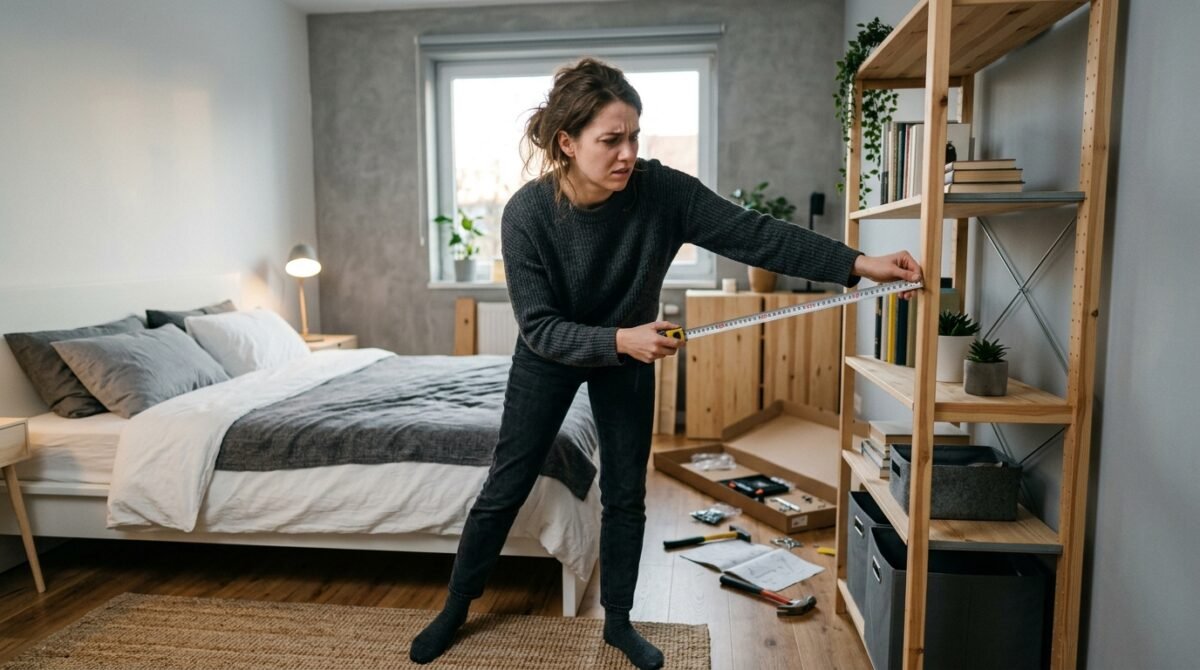
It began as a benign Saturday morning. Mark was in the garage fixing a leaky pipe, and I was in the kitchen brewing coffee when I heard the distinct click of the front door unlocking. My heart skipped a beat, but then I remembered Susan and Robert had a spare key, a decision I had already begun to regret. They walked in carrying two duffel bags, looking as if they were settling in for a month rather than a weekend.
Before I could even offer a greeting, Susan made a beeline for our hallway. I followed her, only to find her standing in our master bedroom, her eyes scanning the ceiling and floor with an intensity usually reserved for real estate agents. She wasn’t just observing; she was measuring.
“You know, this room is honestly too large for just two people. It seems such a waste to leave this balcony unused when we come to visit. We really struggle with the back pain from that thin guest mattress, and the master suite would be much more ergonomic for us.”
— Susan, Mother-in-Law
I felt the heat rise in my cheeks. I had worked three jobs during grad school to afford the down payment on this home, and the master suite was the one thing I had prioritized. To hear it described as a ‘waste’ felt like a direct assault on my hard work. I stood my ground, trying to keep my voice steady despite the adrenaline pumping through my veins.
“Susan, this is our private space. We aren’t moving into the guest room just because you find the mattress uncomfortable. We can buy a topper for the guest bed if your back is bothering you, but the master suite is staying as is,” I replied, trying to keep the tone light but firm. She scoffed, her lips thinning into a line of pure disappointment.
The rest of the morning was filled with icy silence. Mark, ever the mediator, tried to smooth things over by suggesting a hotel down the road for their next visit, which only seemed to offend them further. They spent the entire day acting as if we were being stingy, hoarding our space like it was a gold bar rather than just a bedroom.
The Escalating Group Chat Demands
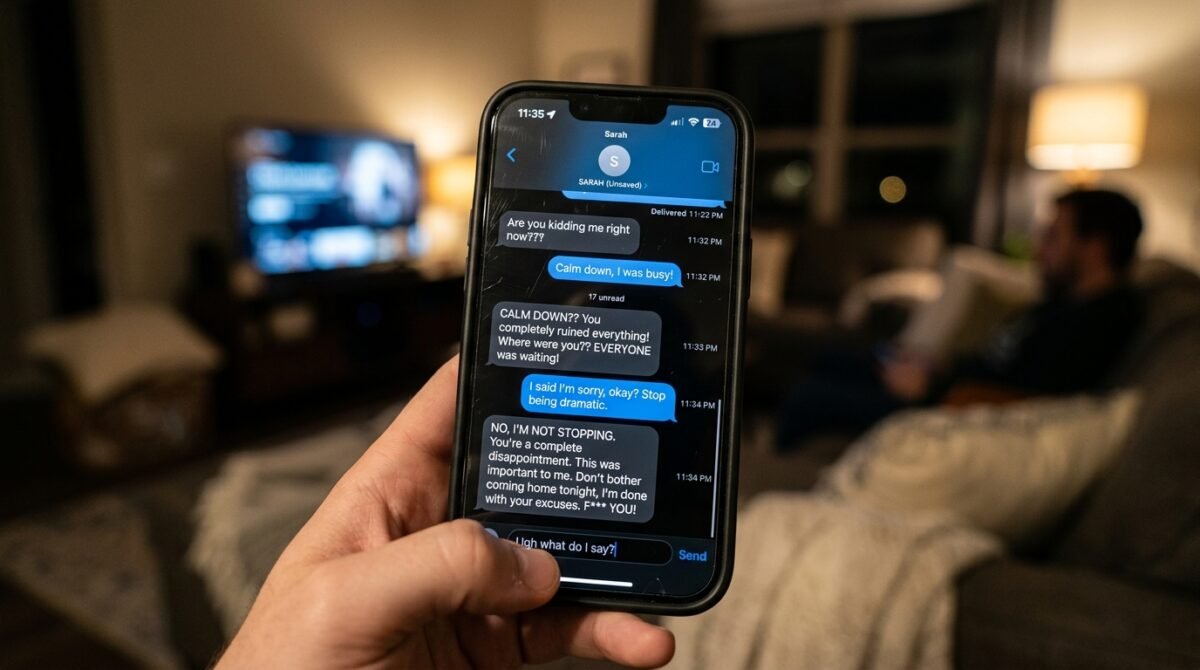
The weekend ended, but the entitlement only grew. By Monday, a group chat had been created—one that included not just Mark and me, but also his sister, Sarah, who seemed to think the entire situation was a grand misunderstanding. The messages started popping up while I was in back-to-back Zoom meetings, distracting me from my work and fueling my rising anxiety.
“We’ve been discussing it and we feel it’s only fair that we have the master suite when we stay. We provide childcare support and we are family, after all. It’s not like you use the balcony during the week anyway. It’s a matter of respect.”
— Family Group Chat
I stared at the screen, my fingers trembling as I typed out a response. I felt like I was being gaslit in real-time. The implication was clear: if we didn’t give up our room, we were being disrespectful and ungrateful for their ‘support.’ I checked my work calendar; they had watched our dog once for two hours while we were at the vet. The audacity was staggering.
Mark was quiet, which was the most frustrating part of all. He kept telling me, “Just ignore them, they’ll get over it,” but ‘getting over it’ meant they were planning to show up the following weekend with the assumption that we would have cleared our personal items out of the suite. It wasn’t just a request anymore; it was an ultimatum presented in a digital format.
I eventually stopped replying. Every time my phone buzzed, I felt a knot in my stomach. The boundary was being crossed in plain sight, and the family was rallying around the idea that my personal space was communal property. I knew then that if I didn’t shut this down, I would never feel at home in my own house again.
The Silent Sunday Dinner Explosion

The following weekend, the inevitable happened. They arrived on Friday night, and I had intentionally left our master door locked. Susan immediately noticed. She spent the entire dinner glancing at the hallway door, her silence louder than any argument. I kept the conversation focused on mundane topics—the weather, the local news—refusing to give her an opening to bring up the bedroom.
Finally, dessert arrived. Susan slammed her spoon down on the table, the sound echoing through the dining room. The atmosphere shifted from tense to suffocating. She looked directly at Mark, bypassing me entirely as if I weren’t even sitting at the head of the table.
“Mark, we’ve been very patient. You’ve locked us out of the master suite like we’re strangers. Your wife clearly doesn’t understand the concept of family, but I expect you to have some backbone and fix this before we come back next month.”
— Susan, Mother-in-Law
I didn’t let Mark speak. I stood up, my chair scraping against the hardwood floor. The time for being the polite daughter-in-law had passed. I looked at both of them, my voice surprisingly calm despite the storm in my chest. I told them exactly what I thought about their entitlement, their unannounced visits, and the utter lack of respect they had shown for the boundaries of our home.
“This is our house,” I said, my voice rising just enough to be heard clearly. “We pay the mortgage. We maintain the property. We set the rules. You are guests in this home, and if you cannot respect the private spaces of the people who live here, then you aren’t welcome here at all. This isn’t a hotel for you to dictate terms.”
The look on Robert’s face was one of absolute shock, while Susan looked like I had slapped her. They didn’t say another word. They stood up, grabbed their coats, and left within twenty minutes. The house felt strangely quiet, the air finally clearing of the toxic tension that had been festering for months.
The Reddit Trial: Community Verdict

I went to Reddit that night, needing a reality check. I posted the full story on the ‘Am I The Asshole’ subreddit, expecting perhaps a mix of opinions. Instead, the response was overwhelming. By the next morning, my post had hit the front page with over 30,000 upvotes and thousands of comments analyzing the dynamics of the situation.
“You are not the asshole. The audacity of parents who think they can move into your master suite is insane. They aren’t looking for comfort; they are looking for power. Hold the line, OP. If you give in now, they will never stop.”
— u/ParentingBoundaries (Top Comment, 24.3k upvotes)
There were hundreds of similar comments. Some shared stories of their own nightmare in-laws, warning me that this was a classic case of boundary testing. A few people suggested I might be overreacting, but they were quickly drowned out by the chorus of support. It was strangely therapeutic to see my feelings validated by thousands of strangers who saw the situation for what it was: an attempted takeover.
I realized then that this wasn’t just about my in-laws. It was about the social contract of adulthood. Many commenters pointed out that my husband’s passivity was just as much of an issue as his mother’s entitlement. If he didn’t learn to stand up to them now, we would be fighting these battles for the rest of our lives.
The community advice was consistent: formalize the ban, set clear consequences, and stop being the ‘nice’ one. I read every comment, taking notes on the advice about locks, keys, and communication styles. I felt stronger than I had in weeks. The internet had given me the armor I needed to finish what I had started.
The Morning After: Changing the Locks

The Monday after the dinner, I didn’t go to work. I drove straight to the locksmith. It was a symbolic act of reclaiming my territory. When the technician arrived, I asked him to install a smart lock that didn’t have a physical key entry point for anyone other than us. No more spare keys, no more unannounced access.
Mark was at work, and he didn’t know I had done it until he came home that evening. When he saw the new keypad on the front door, he didn’t look angry; he looked relieved. He finally confessed that he had been dreading every visit as much as I had, but he was afraid of being the ‘bad son.’ Seeing that I had taken the initiative removed the weight from his shoulders.
We had a long talk that night. I told him that I loved his parents, but that I loved our marriage and our peace of mind more. He agreed, finally admitting that his mother’s behavior had been unacceptable for years. We decided together that the next time they visited, it would be on our terms, and they would be staying at a hotel.
The process of changing the locks felt like shedding a layer of skin. For the first time in months, I walked through the house without checking the hallway or wondering if someone was lurking in our private rooms. The house was finally mine again, a physical manifestation of the boundaries I had spent so long building.
The Inevitable Confrontation

Of course, they didn’t just accept the change. When Susan tried to use her old key the following weekend, she found it didn’t work. She called Mark immediately, her voice shrill and demanding. I sat on the couch, listening to the one-sided conversation, waiting to see if Mark would stand his ground.
“No, Mom, I’m not coming to let you in. We changed the locks. If you want to visit, you need to book a hotel. We aren’t hosting you at the house anymore, and we aren’t discussing the master suite ever again. If you keep pushing this, we aren’t going to see you for a while.”
— Mark, Husband
The silence on the other end was deafening. She hung up, but the war wasn’t over. They sent a barrage of emails, text messages, and even reached out to Mark’s sister to try to guilt us into reversing the decision. It was a full-scale campaign of emotional manipulation, designed to make us feel like cruel, heartless children.
I stayed out of it. I let Mark handle the communications, as per our new agreement. It was important for them to see that this wasn’t just ‘the wife’ making the rules; this was a unified front from their son. Seeing Mark stand up to them was the most attractive I had ever found him.
The pressure lasted for about two weeks before it started to taper off. They realized that their usual tactics—guilt, shame, and demands—weren’t working. They were forced to either accept our new terms or face the reality of being cut off completely.
The New Era of Low Contact

We moved into a state of ‘low contact.’ We stopped answering every call, stopped the weekly group chats, and strictly limited the duration of our visits. It was a massive adjustment, but the level of peace in our home was incomparable. We were finally able to enjoy our weekends, our hobbies, and our space without the constant looming threat of an ‘inspection’ from the in-laws.
We started doing things we hadn’t done in months. We spent Saturdays gardening, we took the dog on long hikes, and we actually slept in on Sunday mornings without worrying about who might walk through the door. The master suite became the haven it was always meant to be, a place of rest rather than a source of stress.
I learned that boundaries are not just about protecting yourself; they are about teaching others how to treat you. By refusing to compromise on our home, I had set a standard for our entire future. We were no longer the ‘junior’ couple who needed to yield to the elders; we were equals in a relationship built on mutual respect.
It wasn’t easy, and there were days when I felt guilty. But every time I looked at our new front door, every time I sat on our balcony and watched the sunset, I knew I had made the right choice. Our home was safe, and for the first time, I truly felt like I was the mistress of my own domain.
Reflecting on the Financial and Emotional Stakes

When you break down the numbers and the emotional labor, it’s easy to see why this conflict escalated. We had invested our life savings into this house, and the in-laws were treating it like a free vacation rental. The financial stake wasn’t just the mortgage; it was the quality of life we were paying for with every paycheck.
I started keeping a small ledger of the costs associated with the visits—the extra groceries, the cleaning, the wear and tear on the house, and the cost of the hotel we eventually insisted they book. It turned out they were costing us nearly $400 per visit in extra expenses, not counting the mental toll. When I showed this to Mark, he was shocked. He had never looked at the cost of their ‘free’ visits.
The emotional stakes were even higher. We were fighting for the foundation of our marriage. If we had allowed them to dictate our home life, what would have happened when we had children? Would they have demanded the nursery? Would they have tried to parent them in our house? The master suite was just the first battle of a much larger war.
I realized that you have to be willing to lose the battle to win the war. I was prepared to go no-contact if it meant preserving my sanity. That willingness to walk away was what ultimately gave us the leverage to regain control. You cannot negotiate with people who view your boundaries as optional.
The Unexpected Ally: The Sister’s Perspective

Surprisingly, the turning point came from Mark’s sister, Sarah. She had been silent throughout most of the drama, but she eventually reached out to me. She told me that she had been watching the whole situation play out and that she completely agreed with our decision. She confessed that their parents had done the exact same thing to her years ago, but she had been too scared to stand up to them.
“I’m so proud of you for doing what I couldn’t. They always take as much as you’re willing to give. Don’t look back. You’re doing the right thing for your marriage, and honestly, it’s good for them too. Maybe now they’ll finally learn to respect someone else’s life.”
— Sarah, Sister-in-Law
Having her support was a huge relief. It made me realize that this wasn’t just me being difficult; it was a long-standing pattern of behavior that everyone in the family had just accepted as ‘the way things are.’ By breaking the cycle, I wasn’t just helping myself; I was setting a precedent for the entire family.
She even offered to have them stay at her place for a visit, which took the pressure off us entirely. It was a win-win situation. She had a larger guest room, and she felt more equipped to handle their boundary-pushing than we did. We were finally able to see them in small, controlled doses, which made our relationship much more manageable.
It showed me that you never know who is watching and who is being inspired by your courage. You don’t always have to be the villain in someone else’s story. Sometimes, standing up for yourself is the most helpful thing you can do for the people around you.
Lessons Learned in Boundary Setting

Looking back, the most important lesson I learned is that ‘no’ is a complete sentence. I used to feel the need to justify every decision I made, to explain why I didn’t want them in my room, or why I wanted to be alone. But the more you explain, the more ammunition you give them to argue with you.
I also learned that you can’t control how other people react to your boundaries. You can only control your own actions. If they choose to be angry, if they choose to play the victim, that is their responsibility, not yours. You are not responsible for their feelings when you are protecting your own peace.
We are now in a much better place. We see them a few times a year, always in neutral territory or with a clear end time for the visit. We have a solid, healthy marriage that has been tempered by fire. We know that we can handle the hard stuff together, and that is a foundation that no one can take away from us.
If you are in a similar situation, my advice is simple: protect your home, protect your marriage, and don’t be afraid to be the ‘bad guy.’ Sometimes being the bad guy is the only way to be the hero of your own life.
Conclusion
Setting boundaries with family is one of the most difficult challenges any couple can face, especially when those boundaries are met with entitlement and manipulation. By reclaiming our master suite, we weren’t just protecting a room; we were reclaiming our autonomy, our relationship, and our peace. The journey was fraught with tension, but it led us to a place where we are now stronger than ever, both individually and as a couple.
What about you? Have you ever had to draw a hard line in the sand with family members over your home, your time, or your personal space? Do you think the ‘blood is thicker than water’ mentality often leads to the erosion of healthy boundaries? We’d love to hear your experiences and how you navigated the inevitable fallout. Join the discussion in the comments below—let’s talk about the real cost of being ‘the nice one’ in a family dynamic.
What's your verdict on this dilemma?
Vote below to contribute to the official community consensus.

Have a Dilemma Keeping You Up at Night?
Share your real-life feud, wedding chaos, or relationship crossroads anonymously with our editorial team.
What do you think ?
0 Comments🛡️ Comments are moderated to protect community integrity. Your comment will appear once approved by the editorial team.