

When my husband, Mark, asked if we could host a welcome-home party for his sister, Elena, I didn’t hesitate. Elena had been living in Berlin for three years, and our relationship had always been civil, if a bit distant. I spent weeks preparing, curating a menu of hors d’oeuvres, investing in premium spirits, and rearranging our entire living space to accommodate the sixty guests she insisted on inviting. It was supposed to be a warm gesture of family bonding, a way to fold her back into our lives after her long hiatus.
The trouble began with the guest list. What started as a ‘close family and friends’ gathering quickly ballooned into an invite-only social media event. People I had never met—Elena’s former coworkers, acquaintances from her gym, and random friends-of-friends—started messaging me to ask about the theme and the dress code. I brushed it off as social media excess, assuming she was just excited to be home. Little did I know that my living room was being marketed as the premier social event of the season.
The moral dilemma didn’t fully manifest until the night of the party. I had spent the afternoon prepping the final batch of appetizers when I stepped outside to grab a package from the porch. That was when I saw it: a professionally printed, laminated sign taped to the front of my own home, complete with a bright, neon-colored QR code and the words ‘Entry: $20 – All proceeds go to the Returning Expat Fund.’ My blood ran cold.
I stood there, staring at the sign, feeling the surreal weight of the violation. This wasn’t just a lack of communication; it was an active, premeditated scheme to monetize my hospitality, my kitchen, and my private residence. I knew I had to make a choice, and fast. The guests were arriving in less than an hour, and the house was already smelling of expensive hors d’oeuvres that I had paid for with my own money. The betrayal felt sharp, personal, and utterly ridiculous.
This isn’t just about a party. It’s about the erosion of boundaries that happens when family members view you as a resource rather than a person. It’s about the entitlement that grows in the absence of consequences. I realized then that if I didn’t draw a hard line, I would be the ‘helpful sister-in-law’ who was exploited for years to come. I walked back inside, took a deep breath, and prepared to shut it all down.
The Neon QR Code on My Front Door

I pulled the sign off my front door with trembling hands. My pulse was racing. I walked back into the kitchen where Elena was busy arranging flowers in a vase I had purchased for the centerpiece. She looked up, beaming with a manic sort of energy that I hadn’t noticed before. She was wearing an expensive dress that I certainly hadn’t seen in her closet before she left for Germany.
“Elena,” I said, my voice dangerously calm. I held up the sign, the plastic crinkling in my grip. “What is this? Why is there a price tag on my front door?”
She didn’t even flinch. She just tilted her head, her smile never wavering. “Oh, that? It’s just to help cover costs! You know how expensive the transition back to the States is. Everyone expects an open bar, and I thought if I chipped in a little, it would take the pressure off you. It’s efficient, right?”
“You are charging my friends, at my house, for alcohol that I paid for out of my own bank account? Have you lost your mind?”
— Me, confronting Elena in the kitchen
I looked at her, truly looking at her for the first time in years. This wasn’t a misunderstanding. This was a calculated business move. She had taken my hospitality and turned it into a side hustle. The audacity was so staggering that I actually started to laugh. It was a nervous, jagged sound that seemed to confuse her.
“It’s not just about the money, Elena,” I said, setting the sign on the counter. “It’s about the fact that you invited sixty people into my home without asking, and then decided to turn my living room into a club. You don’t get to sell access to my space.”
The Group Chat That Wasn’t Supposed to Reach Me

While I was still in the kitchen, my phone buzzed incessantly. It was a group chat titled ‘Elena’s Return & VIP Party.’ I had been added to it earlier by a mutual friend, but I had muted it because of the sheer volume of notifications. I opened it, and the reality of the situation hit me with the force of a physical blow. The chat was full of people asking if they could bring ‘plus ones’ and Elena responding with, ‘Just pay the fee at the door, the host is happy to have everyone!’
I scrolled through the history. It wasn’t just a welcome party. She had been taking ‘donations’ for weeks to secure ‘prime seating’ near the bar. She had promised some people a ‘catered VIP experience’ which, as far as I could tell, meant they got to sit on my couch while everyone else stood. The sheer level of planning behind my back was calculated down to the last detail.
“Don’t worry about the host, she’s fine with it. She’s just the venue provider. The money goes directly to me!”
— A leaked text from Elena in the group chat
My husband, Mark, walked into the room, holding a bag of ice. He looked between the two of us, sensing the tension. “What’s going on? Why is the kitchen so quiet?”
I shoved my phone toward him. “Read the chat, Mark. Read what your sister has been doing. She’s been selling tickets to our house. She’s turned our home into a venue and she’s pocketing the cash. I’m done. The party is over.”
Mark’s face went pale as he scrolled. He looked at Elena, then back at me. “Elena, tell me this is a joke. Tell me you didn’t actually charge people to come to our home.”
The Moment I Pulled the Plug
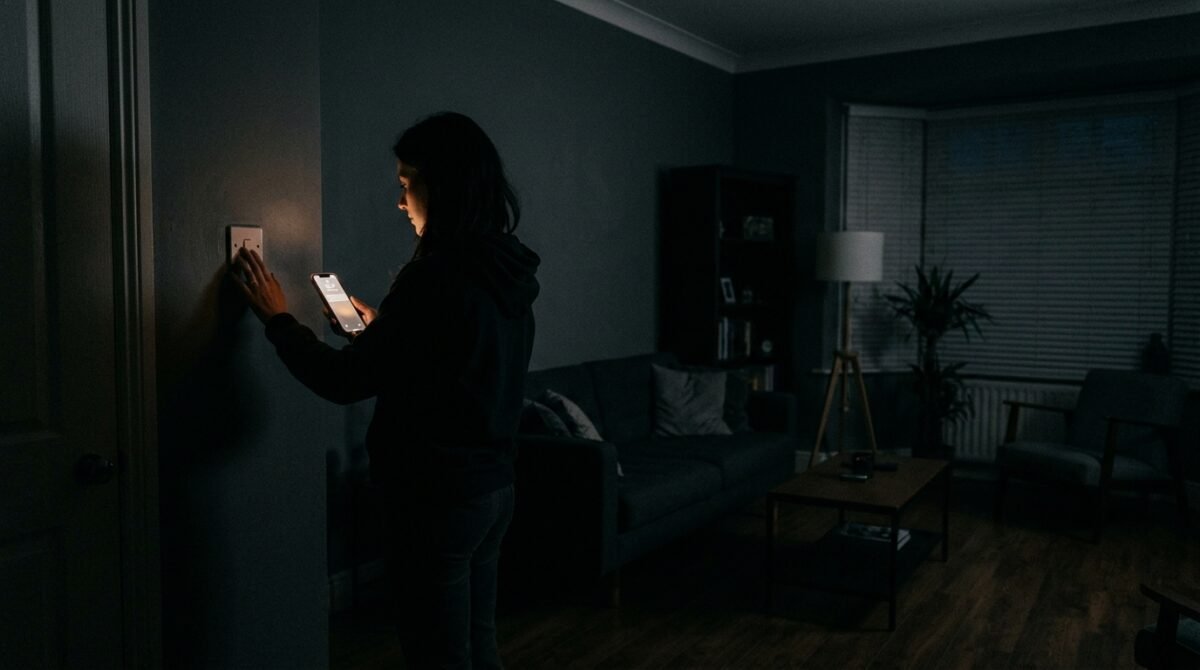
Elena tried to play the victim immediately. She started crying, claiming that she was ‘just trying to be resourceful’ and that everyone in Europe does it. She told us that I was being ‘incredibly dramatic’ and that I was going to ruin her ‘reintegration experience.’ She even accused me of being jealous of her social life. It was a masterclass in gaslighting.
I didn’t argue. I didn’t defend myself. I walked over to the main circuit breaker for the living room and flicked the switches. The music died instantly. The lights went out. The house was plunged into sudden, heavy silence. Elena gasped, reaching for her phone, but I had already taken it out of her hand and set it on the counter.
“The party is canceled, Elena,” I said, my voice steady. “You have ten minutes to get your things out of my house. If you haven’t left by then, I am calling a cab, and I am calling your friends to let them know the event is canceled because you were trying to scam them.”
“You are being a monster! This is my only chance to see everyone before I head to the city!”
— Elena, screaming in the dark living room
Mark stood in the corner, paralyzed. He was caught between his sister and his wife, a classic position for him, but this time, the scale of her betrayal made it impossible for him to defend her. He looked at his sister, and for the first time, he seemed to see her for who she was: someone who would sell out anyone for a quick buck and a bit of social clout.
She didn’t leave quietly. She threw a tantrum that would have been embarrassing for a teenager, let alone a grown woman. She accused me of being a control freak, of having a ‘small life’ that needed to be shaken up. I just pointed at the door. I had no patience left for her theatrics.
The Fallout in the Family Group Chat
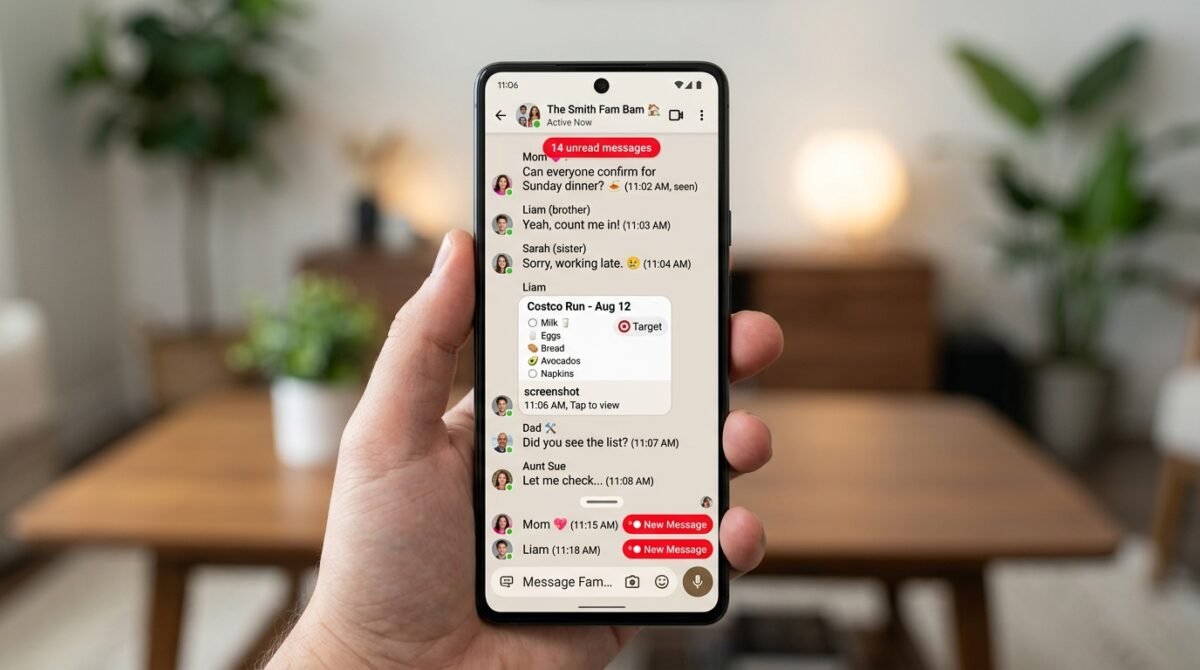
By the next morning, the story had leaked. Elena had gone to our parents’ house, crying that I had ‘abused’ her and thrown her out into the night. My phone started blowing up with messages from my mother-in-law, who was furious, and from various relatives who had only heard Elena’s side of the story. I decided to take control of the narrative.
I typed a long, detailed message in the family group chat. I attached screenshots of the QR code sign, the group chat where she was selling access to our home, and the list of people who had already paid ‘entry fees.’ I laid it out clearly: I was not the victim of a misunderstanding; I was the victim of a grift.
“I don’t mind hosting family. I do mind being turned into a ticket office for a side-hustle I never agreed to.”
— My response to the family group chat
The silence that followed was deafening. Even the most ardent defenders of Elena couldn’t argue with the receipts. My mother-in-law, who usually sided with her daughter no matter what, actually messaged me privately to apologize. She said she had no idea Elena was in such financial straits, but that it was ‘no excuse for such blatant disrespect.’
The fallout wasn’t just limited to the family. Several of the people who had paid the ‘entry fee’ messaged me directly. They were angry, not at me, but at Elena for lying to them. They thought the money was going to me to cover the food and drinks. They were horrified to find out they were essentially being fleeced by a ‘friend’ who used a private home to host an unauthorized pay-to-play party.
The ‘Returning Expat’ Defense

A few days later, Elena tried to initiate a ‘reconciliation meeting’ at a local coffee shop. She arrived looking haggard but still determined to paint herself as the misunderstood wanderer. She insisted that her time in Europe had changed her, that she had learned to be ‘resourceful’ in a way that I clearly couldn’t understand. She kept talking about ‘hustle culture’ and ‘monetizing social capital.’
I listened to her for five minutes before I interrupted. “Elena, this isn’t about hustle culture. It’s about honesty. You lied to me. You lied to your friends. You treated my home like a venue you rented, but you didn’t pay for the venue, the staff, or the inventory. You were just the scalper.”
“You’re just so rigid! You couldn’t just roll with the flow and let us have a good night?”
— Elena, during our confrontation at the coffee shop
I realized then that she truly believed she was in the right. She felt entitled to use my life to bolster her own, and she genuinely couldn’t see why I was angry. She thought I was the one who failed the ‘social test’ by not being a good enough sport. I paid for my own coffee, stood up, and told her that we would be taking a long break from contact.
As I walked out of the coffee shop, I felt a weight lift off my chest. For years, I had been the ‘accommodating one’ in the family. I was the one who hosted, the one who planned, the one who made sure everything went perfectly. Elena had just taught me that if you provide too much, people will eventually start seeing you as a utility rather than a person.
Reddit Weighs In: The Verdict
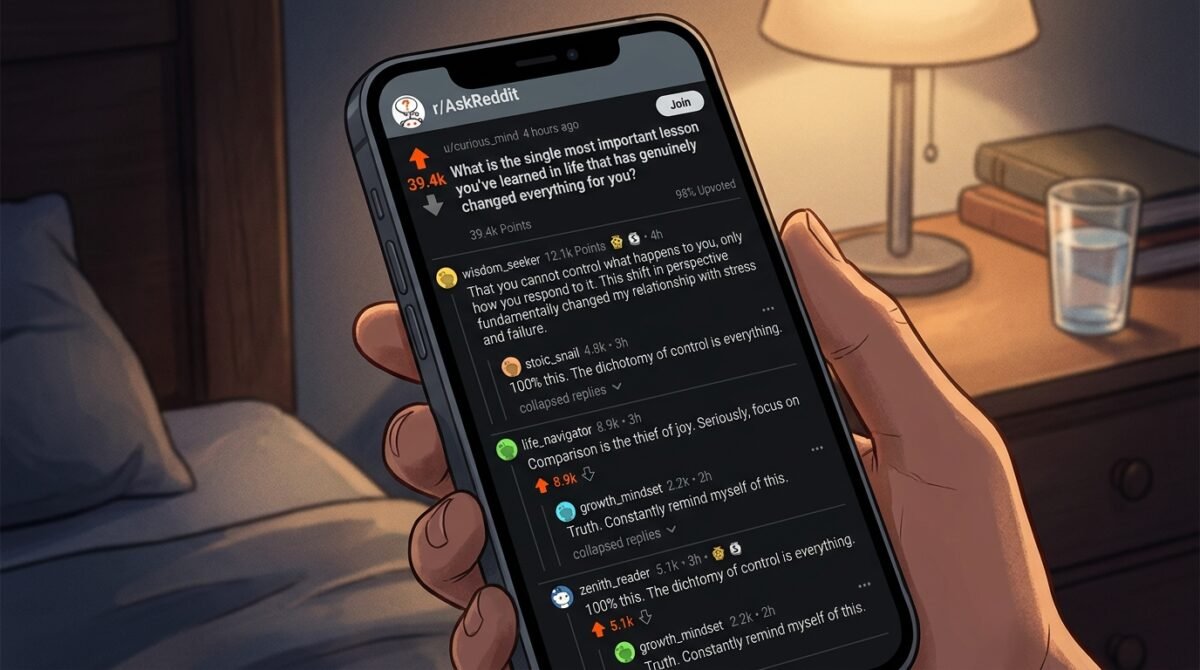
I posted the whole story on Reddit, keeping the names anonymous but detailing every interaction. I didn’t want validation; I wanted to see if I was crazy. Within hours, the post had thousands of comments. The consensus was overwhelming, but the debate in the comments was fascinating. It wasn’t just about the party; it was about the broader issue of boundaries with family.
“NTA. This is absolutely unhinged behavior. She didn’t just ‘misunderstand’ the situation; she turned your living room into a private club for her own profit. You were right to shut it down.”
— u/BoundariesQueen (Top Comment, 32.4k upvotes)
“The audacity of the QR code is what gets me. That’s not a ‘welcome home’ party, that’s a popup business event. She’s lucky you didn’t call the police for trespassing or fraud.”
— u/LegalEagle99 (15.2k upvotes)
There were a few people who argued that I was too harsh, suggesting that I could have just told her to stop instead of ‘ruining’ her party. But the vast majority of the community pointed out that she had already crossed the Rubicon. You don’t put a QR code on a door without knowing exactly what you’re doing. You don’t sell ‘VIP seats’ to your brother’s house without intending to exploit the host.
Reading the comments helped me realize that my reaction wasn’t ‘rigid’ or ‘small-minded.’ It was a necessary defense of my personal space and my integrity. The validation from thousands of strangers who saw the situation exactly as I did was incredibly healing. It reminded me that I am allowed to say ‘no’ to family, especially when they are actively working to take advantage of me.
The Financial Reality of the Scam

Once the dust settled, I did the math. I looked at the guest list Elena had managed to compile, the ‘VIP’ seats she had sold, and the donations she had collected. She had made nearly $1,800 in ‘entry fees’ and ‘seating premiums.’ Meanwhile, I had spent $600 on premium liquor, $400 on catering supplies, and another $200 on decor and miscellaneous items.
She hadn’t just profited off my home; she had profited off my investment. When I confronted her with these numbers, she had the gall to suggest that the money I spent was ‘part of the contribution’ and that the fees were just ‘administrative costs’ for her time in organizing the event. She truly had no concept of reality.
“I spent 20 hours planning this! Do you have any idea what my time is worth?”
— Elena, justifying her profit margin
I didn’t argue about the money anymore. I realized that the best way to handle her was to simply remove myself from the equation. I didn’t ask for the money back. I didn’t ask for reimbursement. I just accepted that this was the price of learning that I couldn’t trust her. It was a expensive lesson, but one that saved me a lifetime of future exploitation.
Mark eventually started to see it too. He was embarrassed that his sister had acted this way, and he apologized to me for the hundredth time. We decided to set a new family rule: if we host, we host. No planning committees, no ticket sales, no outside organizers. If we aren’t comfortable doing it ourselves, we don’t do it at all. It was a simple rule, but it changed everything.
Lessons in Hard Boundaries

The months following the party were the quietest we had ever had. Elena eventually moved into an apartment in the city, and we saw her only at major holiday gatherings where our parents were present. The tension was palpable, but it was a manageable kind of tension. I no longer felt the need to ‘fix’ things or make her feel welcome. I simply existed as myself, and that was enough.
I learned that boundaries are not acts of aggression; they are acts of self-preservation. When I canceled the party, I wasn’t being mean. I was protecting my peace. I was asserting that my home is my sanctuary, not a public space for anyone to claim and monetize. It was the first time in my life that I felt truly in control of my own domestic environment.
“You can’t set yourself on fire to keep others warm, especially when they’re the ones holding the matches.”
— A piece of advice from my therapist
The experience changed the way I interact with everyone in my life, not just Elena. I stopped over-extending myself for people who didn’t show the same level of care. I started saying ‘no’ to requests that didn’t feel right, even if they came from people I liked. It was a liberating shift in perspective.
Elena still tries to get people to ‘invest’ in her ideas every now and then, but she doesn’t try it with us. She knows that we aren’t a source of revenue. The boundary is clear, and the wall is thick. Sometimes, that’s exactly what you need to keep your life balanced and your sanity intact.
The Aftermath: Moving Forward

Looking back, the entire event feels like a strange, fever dream. Sometimes I wonder if I was too harsh, or if I could have handled it with more grace. But then I remember the sight of that QR code, the feeling of the power being cut, and the look of pure, unadulterated shock on Elena’s face when she realized she couldn’t control the outcome. It was the right call.
Mark and I are in a better place now than we have ever been. We communicate more clearly about what we want for our home and our lives. We have stopped trying to live up to the expectations of others, especially when those expectations are designed to benefit someone else. We are just us, and that is enough.
“Sometimes you have to burn the house down to keep the rats out. You did the right thing.”
— A supportive comment from a fellow Redditor
As for Elena, she is still out there, chasing her next big idea. I hear snippets from the family about her latest ‘ventures,’ but I don’t engage. I wish her well, in the way you wish a stranger well, but I don’t have space in my life for her brand of chaos. I have my home, my peace, and my boundaries, and I am not giving them up for anyone again.
If you find yourself in a situation where your kindness is being weaponized against you, take this as your sign: you are allowed to pull the plug. You are allowed to say ‘no.’ You are allowed to protect your space and your sanity. You don’t owe anyone access to your home, your resources, or your life.
Reflecting on the Community Response

The community reaction to my post was, in many ways, just as significant as the party itself. I received messages from people who had been in similar situations—people who had been taken advantage of by family members under the guise of ‘family events.’ It was heartening to know I wasn’t alone. It was also a reminder of how common this type of exploitation is.
People shared their own stories of boundary-crossing family members: the sister who sold her brother’s stuff online, the cousin who moved into the spare room without asking, the friend who used a wedding invite list to market their MLM business. It was a window into the messy, complicated, and often painful world of family dynamics.
“I had an uncle who tried to charge us a ‘service fee’ for hosting Christmas at his place. When we refused, he didn’t host. Best Christmas ever.”
— u/FamilyDramaSurvivor
The common thread in all these stories was the relief that came after the boundary was set. It wasn’t about the money or the event; it was about the reclamation of the self. We all want to be good people, we all want to be generous, but we all have to learn where the line is. The line is where your own wellbeing ends and someone else’s entitlement begins.
I’m grateful for the support I received, and I’m grateful for the clarity the whole ordeal provided. It wasn’t the way I wanted to spend my weekend, but it was exactly what I needed to become the person I am today: someone who knows their worth and isn’t afraid to defend it.
Conclusion
Setting boundaries with family is never easy. It’s a delicate dance of love, loyalty, and self-preservation. But as I learned the hard way, you cannot be a doormat and expect to be treated with respect. By canceling that party, I didn’t just end a scheme; I started a new chapter of my life where I am the author, not a supporting character in someone else’s hustle.
The moral of this story isn’t that you shouldn’t host parties or that you shouldn’t be generous. It’s that your generosity should be given, not taken. If you find yourself in a position where your kindness is being exploited, listen to that gut feeling. It’s there for a reason. You are the guardian of your own home, your own resources, and your own peace.
Now I want to hear from you. Have you ever had a situation where a family member or friend crossed a line you didn’t think was possible? How did you handle it, and what did you learn? Let’s keep the conversation going in the comments below.
What's your verdict on this dilemma?
Vote below to contribute to the official community consensus.

Have a Dilemma Keeping You Up at Night?
Share your real-life feud, wedding chaos, or relationship crossroads anonymously with our editorial team.
What do you think ?
0 Comments🛡️ Comments are moderated to protect community integrity. Your comment will appear once approved by the editorial team.