
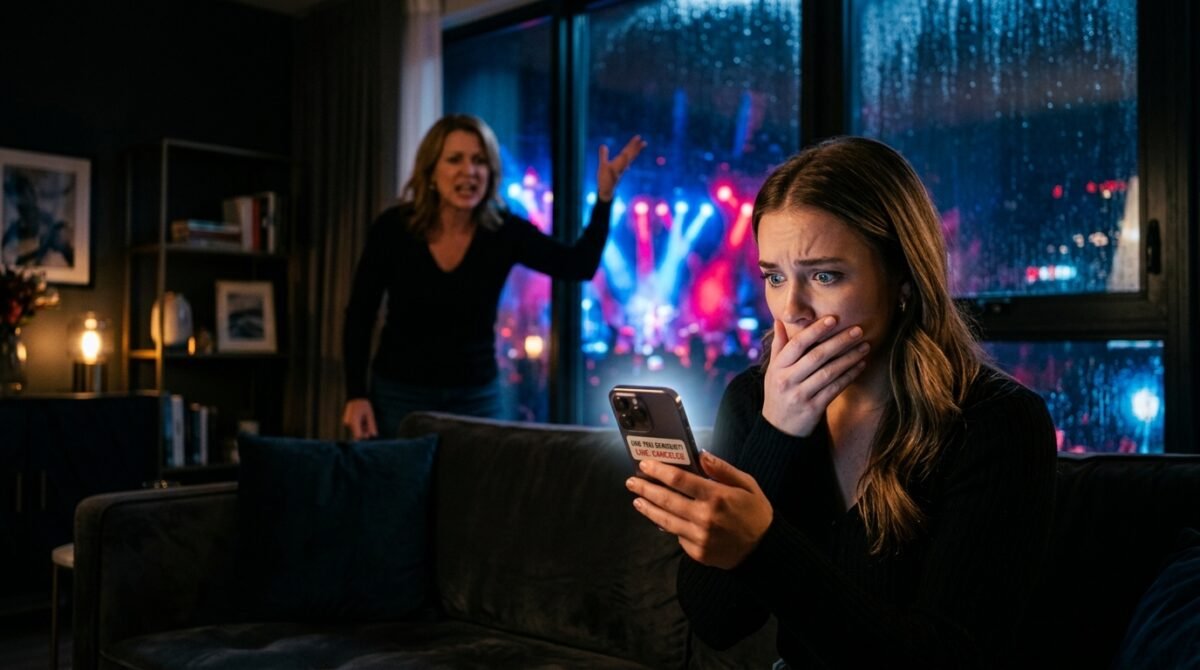
Securing tickets to The Eras Tour was not just a matter of luck; it was a grueling, three-day process of virtual waiting rooms, multiple devices, and a level of stress that could induce a cardiac event. For months, I had curated a vision of this night. It was going to be my ‘treat yourself’ moment after a grueling year of graduate school. I had spent nearly four months of savings on the front-row seats, viewing them as a once-in-a-lifetime experience. I never imagined that my own flesh and blood would try to strip that experience away from me in the name of ‘family loyalty.’
My Aunt Linda has always operated under the assumption that anything I have is communal property, especially if her daughter, Kayla, decides she wants it. Kayla is ten years old, a child of immense privilege, and the undisputed center of Linda’s universe. When news broke that I had managed to snag front-row seats, the shift in the family dynamic was instantaneous. It wasn’t just a request; it was a demand wrapped in the guise of ‘good parenting.’ The ensuing fallout would reveal the cracks in my extended family that I had spent years trying to ignore.
This wasn’t just about a concert. It was about the entitlement that had festered over decades, fueled by a family culture that prioritized ‘keeping the peace’ over protecting individual autonomy. The pressure to surrender my joy to appease a tantrum-throwing child became the focal point of a summer that turned into a battlefield. Every phone call, every family text, and every unsolicited opinion from relatives I hadn’t spoken to in years served as a reminder that some people will never respect a ‘no.’
The moral dilemma was stark: do I sacrifice my own happiness to maintain the facade of a harmonious family, or do I stand my ground, even if it means becoming the villain in their narrative? As I watched my boundaries being systematically dismantled, I realized that standing up for myself wasn’t just a preference—it was a necessity for my mental health. This is the story of how a glitter-covered, pop-culture phenomenon turned into the most expensive lesson I ever learned about family, greed, and the power of saying no.
The Three-Day Digital Siege

The process of buying these tickets was, in hindsight, a harbinger of the chaos to come. I had three laptops open, a tablet, and my phone, all logged into different queue windows while I sat in my darkened kitchen. My heart was pounding so hard I could hear it in my ears. When the ‘You are in’ notification finally flashed on my primary screen, I let out a scream that surely startled my neighbors.
I chose the front-row seats specifically because I wanted the immersive experience. I paid $2,400 for the pair—one for me, one for my best friend, Sarah. I didn’t tell anyone in my extended family about the purchase. I knew exactly how they would react. My aunt was the type of person who would see my success as an opportunity to demand a ‘fair share’ of the spoils.
However, walls have ears, and within forty-eight hours, the news had leaked. It wasn’t through me, but through my younger cousin who had seen the confirmation email on my unlocked laptop during a brief visit. By the time I returned from the grocery store, my phone was blowing up with messages that I didn’t even want to open. The sense of dread was immediate and suffocating.
I sat on my sofa, staring at the screen, watching the bubbles pop up as Linda typed a manifesto of demands. The tone was one of shock that I hadn’t ‘shared the good news’ yet. She didn’t even ask if I had an extra ticket; she acted as if the second ticket was already earmarked for Kayla. The entitlement was so thick you could cut it with a knife.
“I just heard you got the Eras tickets! That is so wonderful for you. I’ve already told Kayla she’s going to be your plus-one. It’s going to be such a core memory for her, and she’s already been practicing the dance routines! She’s absolutely over the moon.”
— Aunt Linda, text message
I felt a cold surge of anger. I hadn’t spent thousands of dollars to have my experience diluted by a ten-year-old who couldn’t appreciate the work or the financial sacrifice involved. I hadn’t even told Sarah yet, but the seat was already promised to someone I hadn’t even considered. It was time to draw the line before the line was completely erased.
The Sunday Dinner Ambush
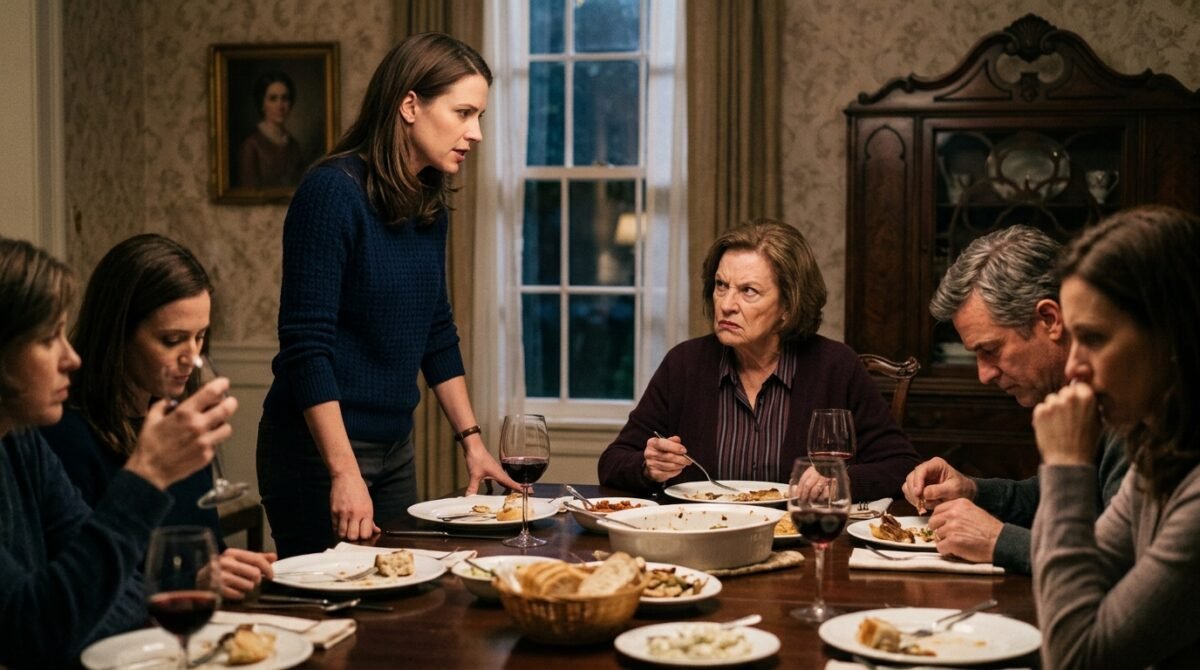
I knew the confrontation was inevitable. Sunday dinner at my grandmother’s house was the traditional venue for family disputes, and I knew Linda would be prepared. She didn’t disappoint. As soon as I walked through the door, the air felt different—heavy with expectation and suppressed irritation. My grandmother, usually the peacekeeper, looked nervous.
Linda didn’t waste time with pleasantries. She had Kayla sitting right next to her, looking pouty and expectant, wearing a custom-made T-shirt that clearly indicated her enthusiasm for the concert. The setup was designed to make me look like the bad guy from the very first minute. It was a classic manipulative trap.
I sat down at the table, refusing to make eye contact with the glaring eyes of my aunt. I took a deep breath, knowing that if I kept my cool, I would win the argument. But as soon as the first plate of pasta hit the table, the assault began. Linda leaned forward, her voice dripping with artificial sweetness that masked a sharp edge of malice.
“So, I hope you’ve had time to think about the tickets. Kayla has been talking about nothing else. It’s a bit rude to keep a child waiting, don’t you think? It’s not like you’re doing anything else important that night.”
— Aunt Linda, at the dinner table
I looked at my aunt, then at Kayla. I didn’t even flinch. I kept my voice steady, though my hands were shaking under the table. I explained that the ticket was already promised to my best friend, Sarah, who had actually helped me navigate the chaotic queue for three hours. The room went silent. You could hear the silverware scraping against the porcelain with agonizing clarity.
Linda slammed her fork down. The sound echoed through the dining room like a gunshot. She started talking about ‘family values’ and how I was ‘stealing an opportunity’ from a child. She made it sound as if I were denying Kayla food or shelter. It was an absurd escalation, but that was the point: to make me feel so guilty that I would just capitulate.
I stood my ground, explaining that my financial autonomy was not up for debate. Sarah and I had saved specifically for this. It wasn’t a charity event; it was a reward for my own labor. The tension was suffocating. I realized then that my aunt didn’t care about the concert; she cared about winning, and she viewed my boundaries as an affront to her authority as an elder.
The Escalation of the Tantrum

The dinner ended in a cold, awkward silence, but the real storm started the next morning. Kayla had evidently been told by her mother that she was ‘entitled’ to the ticket, and the reality that she wasn’t getting it triggered a full-blown meltdown. Linda started forwarding me videos of her daughter crying, screaming, and throwing things around her bedroom. She captioned them with guilt-tripping messages about how ‘sad’ it was to watch a child suffer because of my ‘selfishness.’
It was surreal. I was being held responsible for the emotional regulation of a ten-year-old I had very little control over. The audacity was breathtaking. I didn’t reply to the videos. I muted the notifications, but that only infuriated Linda further. She started calling my workplace, masquerading as a ‘concerned family member’ trying to reach me about a ‘family emergency.’
My boss was not amused. I had to have an awkward meeting with my manager to explain that my aunt was not, in fact, having a medical crisis, but was trying to harass me into handing over concert tickets. It was humiliating. I felt exposed, like my private life was being dismantled for the entertainment of my family’s drama.
The next day, I received a certified letter in the mail. It was from Linda, written with a level of formality that was almost laughable. It detailed her ‘request’ for the tickets again, citing the ’emotional distress’ I was causing her household. She even threatened to take me to small claims court for the ‘unpaid value’ of the ticket, claiming I owed it to the family.
“Your refusal to contribute to the family’s happiness is a testament to your lack of character. Kayla is devastated, and you are the cause. Consider the consequences of your continued defiance. We are a family, and we don’t treat each other like strangers.”
— From the certified letter sent by Aunt Linda
It was clear that my aunt was spiraling, and she was determined to drag me down with her. The level of delusion involved was staggering. I started documenting everything—every text, every call, every threat. I knew I needed to protect myself, not just from the harassment, but from any potential legal nonsense she might try to pull.
The Internet Weighs In
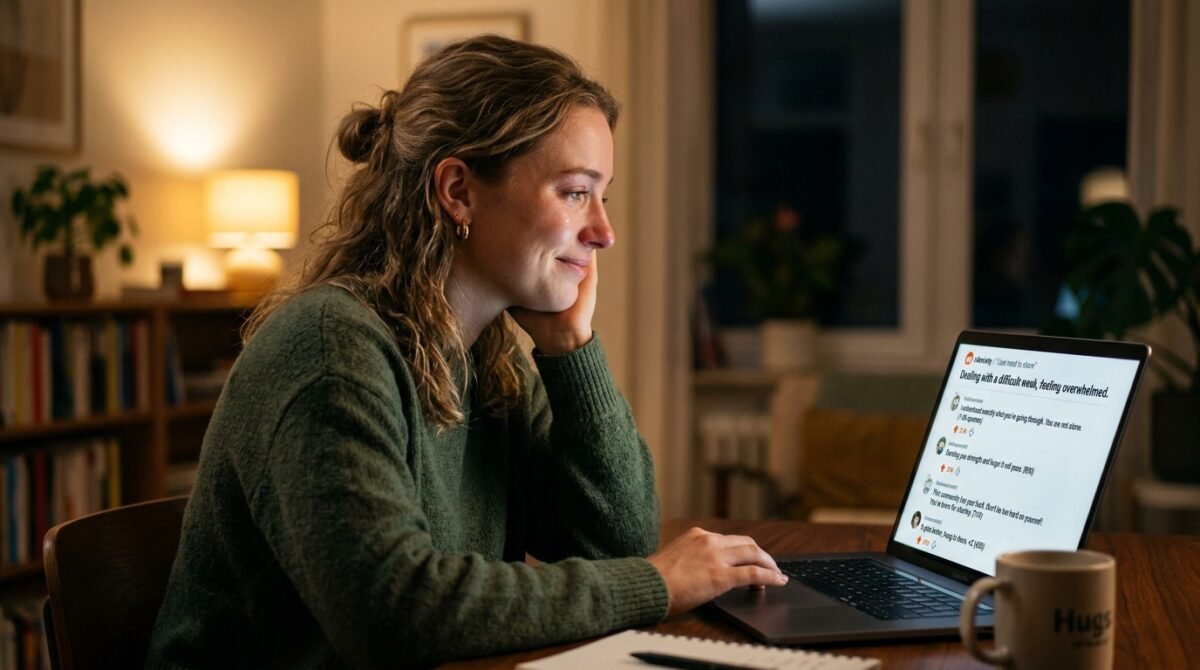
I needed perspective. Was I being too harsh? Was there any way to justify her behavior? I turned to the only place where anonymity allowed for brutal honesty: the internet. I posted my situation on a popular subreddit, laying out the timeline of events—the ticket purchase, the family dinner, the crying videos, and the certified letter. I expected some blowback, but the support I received was overwhelming.
The community response was a mix of shock at my aunt’s behavior and validation of my right to keep what I paid for. It was the first time I felt like I wasn’t the one going crazy. The comments section became a mirror, reflecting the absurdity of my situation back to me in a way that made me feel empowered rather than guilty.
“OP, you are not the villain here. You are an adult who spent their own money on a luxury item. Your aunt is weaponizing her child’s emotions to get what she wants. Do not cave. If you give in now, you are setting a precedent that you are a doormat for the rest of your life. Keep the ticket, take your friend, and block this woman until she learns how to act like an adult.”
— u/ReasonableObserver, 15.2k upvotes
There were hundreds of comments like this. People shared their own horror stories of toxic family members and the ‘family tax’ they were expected to pay. It gave me the resolve I needed. I wasn’t being ‘selfish’; I was being a functional adult setting a boundary. The consensus was clear: the entitlement was the problem, and my aunt was the one in the wrong.
Some users even warned me about the legal threat. They pointed out that there was no legal basis for her claim in small claims court, as a gift is not a requirement, and the ticket was my private property. That advice was worth more than gold. It calmed my nerves and allowed me to stop worrying about the threat of court.
Seeing the situation through the eyes of thousands of strangers helped me separate the emotional manipulation from the facts. I realized that my aunt’s definition of ‘family’ was essentially ‘a group of people who serve my needs.’ That wasn’t a family I wanted to participate in anymore, especially at the cost of my own happiness and agency.
The Block Button Is Your Best Friend
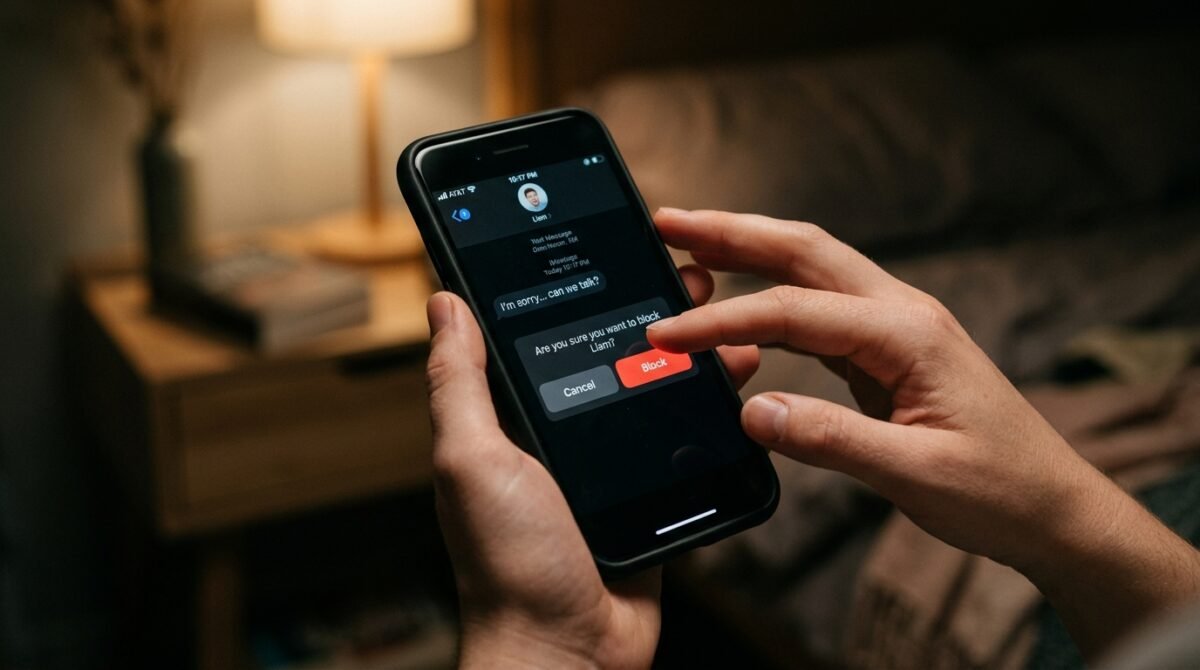
The advice from the community was simple, but executing it was the hardest part. I had to block my aunt. Not just on my phone, but on every social media platform. I had to tell my grandmother that I would be taking a step back from family gatherings for a while because I couldn’t handle the environment that Linda was creating.
It felt like a divorce. I was severing ties with a part of my family that I had known my entire life. But the moment I blocked her, the silence was blissful. The notifications stopped. The guilt-tripping videos ceased. For the first time in weeks, I could actually look at my concert tickets and feel excitement instead of dread.
My grandmother was heartbroken, but she understood. She admitted that she had been pressured by Linda to intervene, which she felt terrible about. We had a long, tearful conversation where I explained that this wasn’t about the tickets; it was about the lack of respect. She promised to stop being the middleman, and I felt a sense of relief wash over me that I hadn’t realized I was holding.
I felt a strange sense of liberation. I had spent so much energy worrying about how I would be perceived if I stood up for myself. Now, I realized that those who truly cared about me would understand my decision. Those who were angry were simply losing access to a person they treated as a resource rather than a human being.
I reached out to Sarah, my best friend, and told her everything. She was appalled. She offered to pay me back for her ticket, but I refused. I told her that our night was going to be the best night of our lives, and that was all the compensation I needed. We started planning our outfits, our playlist, and everything else with a newfound sense of joy and freedom.
“I don’t care if the whole family hates me. I’m not letting them ruin this. We earned this, and we’re going to enjoy every single second of it.”
— Me, to my best friend
The boundaries I set were not a wall to keep people out; they were a filter to keep the toxic influences away. I was finally in control of my own life, and the realization was intoxicating. I wasn’t just going to a concert anymore; I was reclaiming my autonomy.
The Uninvited Guest at the Gate

The night of the concert finally arrived, and I was filled with a mix of adrenaline and lingering anxiety. I had taken precautions, including telling venue security about the potential for an ‘uninvited family member’ trying to make a scene. I didn’t want anything to disrupt the experience, especially not an appearance from my aunt.
As we approached the stadium, I kept scanning the crowds. My mind was playing tricks on me—every woman with blonde hair in a sundress looked like Linda. It was a testament to how much space she had taken up in my head over the last few weeks. Sarah squeezed my hand, reminding me that we were safe and that the night was all ours.
We made it through the gates without incident. The moment we saw the stage, the anxiety evaporated. It was breathtaking. All the stress, the drama, the petty family politics—they all seemed so small compared to the sheer scale and joy of the event. We were in the front row, just like I had promised myself. It was the best investment I had ever made.
During the performance, I had a moment where I looked at the crowd and then at Sarah, who was dancing like no one was watching. I realized that if I had caved, I would be sitting at home, miserable, while someone else lived my dream. The thought made me laugh. I was exactly where I was supposed to be.
I didn’t think about my aunt once during the show. She didn’t deserve a single second of my focus. The music, the lights, the shared experience with thousands of people—it was a cathartic release. I was finally free from the weight of expectations. I had survived the gauntlet and come out on the other side, stronger and more certain of my worth.
“Look around. This is what you earned. Don’t you dare look back at what you left behind.”
— Sarah, during the concert
It was a night that I would remember for the rest of my life, not just for the music, but for the victory. I had stood my ground, protected my joy, and learned the most important lesson of all: that my happiness is not a commodity for others to trade.
The Aftermath and the Silent Treatment

When I returned home, I was met with a barrage of missed calls and angry messages from family members I hadn’t even realized were involved in the campaign against me. They had been waiting for the concert to be over, ready to attack. I didn’t open a single one. I simply kept them blocked and moved on with my life.
My cousin, who was the one who originally leaked the ticket information, apologized. She said that she hadn’t realized the magnitude of the harassment that would follow. I accepted her apology, but I set a firm boundary: she was no longer to have access to my digital or private life. I was done with the ‘leakiness’ of my family.
The silence from my aunt was deafening, but it was exactly what I wanted. She had no way to reach me, no way to control the narrative, and no way to exert her will. I heard through the grapevine that she was telling the rest of the family that I had ‘betrayed’ them and that I was ‘dead to her.’ I found the drama laughable.
I started focusing on my career, my friends, and my personal growth. I realized that my family had been a source of anxiety for far too long. By stepping back, I found that my mental health improved exponentially. I wasn’t constantly waiting for the next crisis, the next demand, or the next guilt-trip.
I also started a small savings account specifically for ‘joyful things.’ It was my way of reclaiming the concept of spending money on myself without apology. It became a symbol of my independence. I wasn’t just surviving; I was thriving. The money that I had spent on the tickets wasn’t an expense; it was an investment in my own happiness.
“The best revenge is living well and being completely unreachable to those who want to bring you down.”
— My therapist, during a session
I realized that the ‘family obligation’ I had felt for so long was a ghost, a remnant of a childhood belief that I had long outgrown. I was an adult, responsible for myself and no one else. And that was the most empowering realization of all.
Why Boundaries Matter

Looking back, the entire situation feels like a fever dream. How did it get so bad? Why did I feel so much pressure to comply? It was because I had spent my life taught to be ‘agreeable.’ Being agreeable is often praised in children, but it is a dangerous trait for an adult. It leaves you open to manipulation by anyone who knows how to push your buttons.
Boundaries are not signs of hostility. They are the essential guardrails that allow healthy relationships to exist. When you have no boundaries, you are not being ‘kind’; you are being a target. I learned that the hard way, but I also learned the strength of saying no. It is a powerful tool, one that I will use for the rest of my life.
I hope that my story helps others who are struggling with similar family dynamics. You do not owe your happiness to anyone, regardless of blood relation. If someone is consistently making you feel small, guilty, or manipulated, it is time to reassess your role in that dynamic. You have the right to curate your life, your experiences, and your joy.
I’ve realized that the ‘villain’ narrative that my aunt tried to paint me into was just a reflection of her own internal turmoil. She was projecting her insecurities onto me. By refusing to play the part she assigned me, I broke the cycle. I am not the villain in her story; I am the protagonist of my own.
And the best part? I still have those memories of the concert. They are mine. No one can touch them, no one can demand them from me, and no one can take them away. They are a permanent reminder of the night I stopped being a servant to my family’s expectations and started being the master of my own life.
“Boundaries aren’t about being mean. They are about being safe and being able to show up as your best self for the people who actually respect you.”
— A piece of advice from my therapist
The lessons I learned weren’t just about tickets; they were about autonomy, self-respect, and the courage to walk away from anything that doesn’t serve my well-being. It was the most expensive lesson I’ve ever learned, and it was worth every single cent.
Community Reflection: The Verdict

It has been several months since the ordeal, and the community response has continued to evolve. I occasionally check the old thread to see new comments. People continue to share their own experiences, and I find comfort in knowing that I am not alone. The story has become a touchstone for others dealing with entitled family members, which is a legacy I am proud of.
I’ve seen comments from people who were in similar situations and chose to fold—only to regret it for years. That realization hits me hard. I am so glad I chose the path of resistance. I would much rather deal with the fallout of being ‘the bad guy’ than live with the crushing weight of regret and resentment.
“I am currently dealing with an aunt just like this regarding my wedding funds. Your story gave me the courage to say no. Thank you for being the person I needed to see today.”
— u/HopefulReader, 8.4k upvotes
That kind of feedback is worth more than any concert ticket. It reminds me that our individual struggles are often collective ones. By sharing our stories, we create a roadmap for others to follow. We are collectively learning to prioritize our mental health over family politics, and that is a shift that is long overdue.
I have no intention of reconciling with my aunt. Some bridges are burned for a reason. I am focusing on the people who have been there for me—my real family, the friends I have chosen. That is where my love and my energy go now. The rest of the noise is just background static.
I’ve also started a blog where I talk about the importance of financial literacy and setting boundaries. It’s been a great creative outlet. I’m no longer the person who is afraid of her own family; I’m the person who is building a life that I love, on my own terms. And that is the ultimate victory.
Final Thoughts on Family Dynamics

Family is a complicated construct. We are born into it, we grow with it, and sometimes, we have to grow out of it. It’s not a failure to distance yourself from toxic family members; it’s an act of self-preservation. My story is a testament to the fact that you can survive the worst of it and come out stronger.
Don’t be afraid to be the one who says no. Don’t be afraid to be the one who breaks the cycle. Your life is not a democracy where everyone gets a vote on how you spend your time or your money. It is a monarchy where you are the sole ruler. Rule it with kindness, yes, but also with firm resolve.
The era of the ‘family tax’ is over, at least for me. I am no longer paying for the comfort of others at the expense of my own joy. I am spending my resources on my own growth, my own happiness, and my own future. And I have never felt more free.
If you find yourself in the middle of a similar struggle, remember this: the people who truly care about you will respect your boundaries. Those who don’t are not people who deserve a place in your life. It’s a simple truth, but a difficult one to live by. Stay strong, stay firm, and keep your focus on the life you are building.
Thank you for following along with this journey. I hope it serves as a reminder that no matter what, you have the power to define your own reality. And that is the most valuable ticket of all.
Conclusion
Looking back at the entire saga, I realize that the Eras Tour was merely the catalyst for a necessary evolution in my life. I had to face the reality of my family’s dysfunction head-on to understand that I was worthy of my own respect. The fallout was messy, the emotions were raw, and the silence that followed was heavy, but it was all worth it. I am no longer living for the approval of others, and that has been the most transformative gift of my adult life.
I have moved on to a place of peace, where I am surrounded by people who celebrate my successes rather than trying to extract value from them. I hope that by sharing my story, I have encouraged even one person to set that difficult boundary, to say ‘no’ when it feels impossible, and to prioritize their own happiness over the comfort of others. You are not a resource for your family—you are a person with your own story to write.
What about you? Have you ever had to draw a hard line with a family member who felt entitled to your hard-earned rewards? How did you handle the pressure, and what was the outcome? Let’s talk about it in the comments below—I’m curious to hear your stories of boundary-setting, survival, and the lessons you’ve learned along the way.
What's your verdict on this dilemma?
Vote below to contribute to the official community consensus.

Have a Dilemma Keeping You Up at Night?
Share your real-life feud, wedding chaos, or relationship crossroads anonymously with our editorial team.
What do you think ?
0 Comments🛡️ Comments are moderated to protect community integrity. Your comment will appear once approved by the editorial team.