
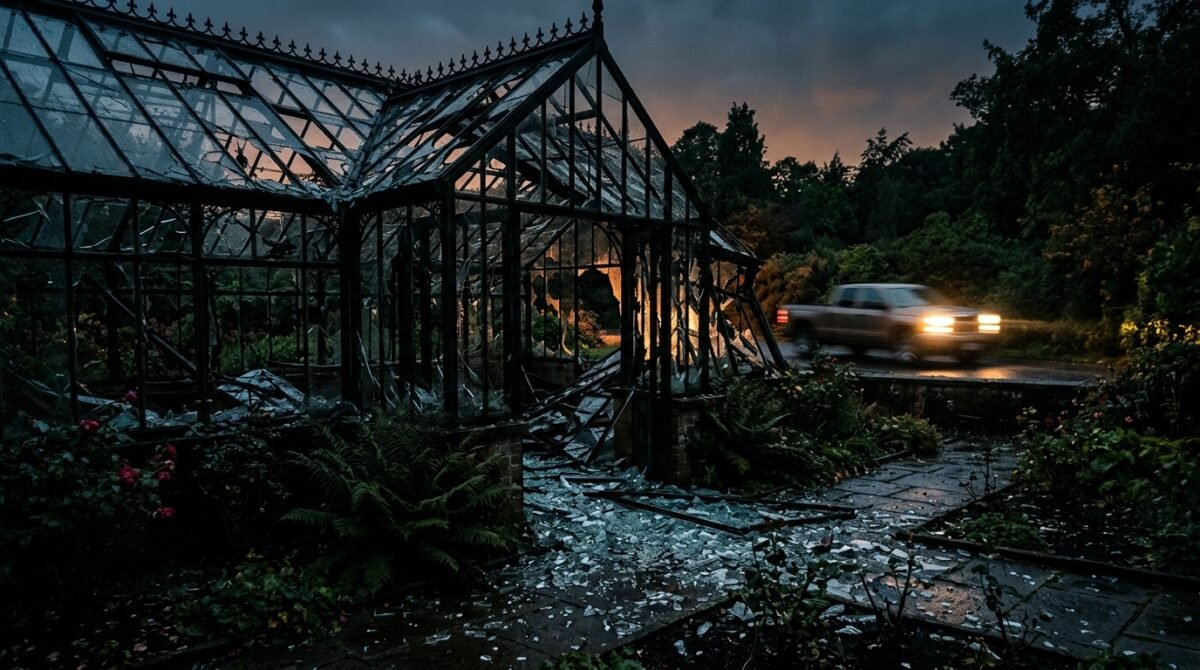
Growing up, the narrative in my family was always the same: ‘He’s just troubled, you’re the stable one, so you have to be the buffer.’ My half-brother, Julian, has been the hurricane of our family dynamic for as long as I can remember. From broken windows to empty savings accounts, there was always an excuse, a reason, or a ‘misunderstanding’ that required me to be the one to pick up the pieces. I spent my twenties living in a perpetual state of damage control, constantly justifying why I was still taking his calls or paying his rent. I thought I was being a good brother, but in reality, I was just a glorified crutch for a man who refused to walk on his own.
Three years ago, I finally bought my dream home—a modest house with a sprawling backyard where I built a custom, climate-controlled greenhouse. It became my sanctuary, a place where I spent my weekends cultivating orchids and rare succulents, far away from the chaotic reach of family drama. It was the one place where I felt truly at peace, a physical manifestation of the boundaries I had spent so long trying to construct. But for Julian, that sanctuary was just another place to stomp through when he inevitably lost his way.
The shift happened on a rainy Tuesday in November. I was woken up at 3:00 AM by a sound that I will never forget—the crystalline, violent shattering of tempered glass. I ran to the window to see my truck-driving half-brother, Julian, stumbling out of his pickup, which was half-buried in my greenhouse. The air smelled of gasoline, damp soil, and the unmistakable, bitter sting of cheap bourbon. As I stood in my bathrobe on the lawn, the realization hit me with the force of a physical blow: the years of enabling were over.
This is the story of how I stopped being the family hero and became the villain in their eyes, simply because I refused to pay for the consequences of a grown man’s destructive choices. When the police led him away in handcuffs, my parents expected me to be the one to sign the release papers. Instead, I went back inside, made a cup of tea, and watched the dawn break over a pile of broken glass, knowing that for the first time in my life, I was finally free.
The Night the Greenhouse Became a Casualty
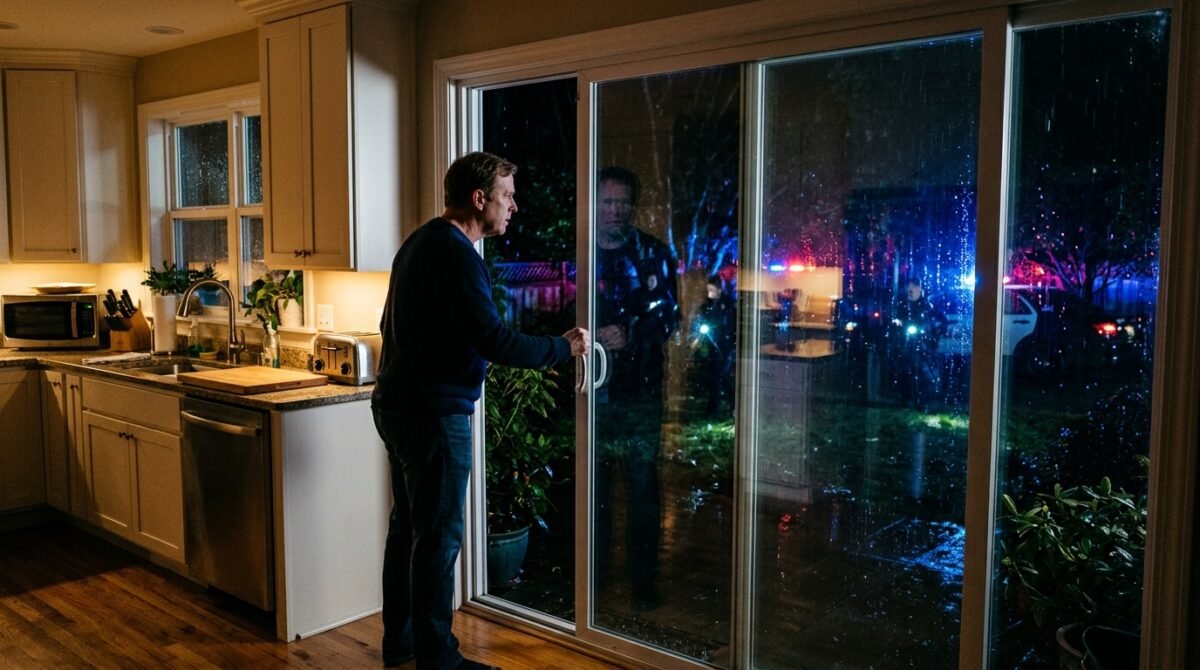
The impact had been absolute. The structural frame of the greenhouse had buckled under the weight of his Ford F-150, and the rare orchids I had spent three years nurturing were crushed into a pulpy paste beneath his tires. I walked out into the rain, my feet bare against the wet grass, staring at Julian. He looked up at me with eyes that were glassy and unfocused, completely unable to grasp the magnitude of what he had just destroyed.
“Are you kidding me, Julian? Are you actually drunk?” I didn’t scream. My voice was eerily calm, a testament to the fact that I had already checked out mentally. He tried to stand, stumbling into the muddy remains of my garden. He laughed, a wet, choking sound that made my skin crawl. He had no idea the danger he was in, not just from the law, but from the absolute void of patience I had left in my soul.
“I just… I just needed to come over, man. Everything is going wrong. You have to help me get this truck unstuck before the cops show up. Please, just tell them you were driving, or that I had permission to be here. You always save me.”
— Julian, moments after the crash
I looked at him, truly looked at him, and saw the wreckage of his life reflecting in the shattered glass. He was thirty-two years old, yet he stood there like a petulant child waiting for a parent to fix his mess. The smell of bourbon was overwhelming. I didn’t reach out. I didn’t offer to help. I reached into my pocket, pulled out my phone, and dialed 911. The look of pure betrayal on his face as he realized I wasn’t backing down was the most clarifying moment of my life.
He started to panic, throwing his hands up. “You can’t do this to me! I’m your brother! You’re going to ruin my life! Do you know what a DUI and property damage charge will do to my insurance, to my job?” His voice was rising now, a frantic, desperate pitch that used to be the trigger for my guilt. It was the sound that had always made me reach for my checkbook or my influence. But as the sirens began to wail in the distance, I felt nothing but a cold, steady resolve.
“You ruined your life, Julian. I’m just calling the people who are paid to document it,” I replied. I didn’t wait for his response. I walked back toward the house, leaving him standing in the middle of my ruined sanctuary. I locked the back door, walked into my kitchen, and started a pot of coffee. The sound of the police sirens grew louder, filling the void where my garden used to be, and I felt the weight of years of resentment finally begin to lift from my shoulders.
The Morning After: A Family Under Siege
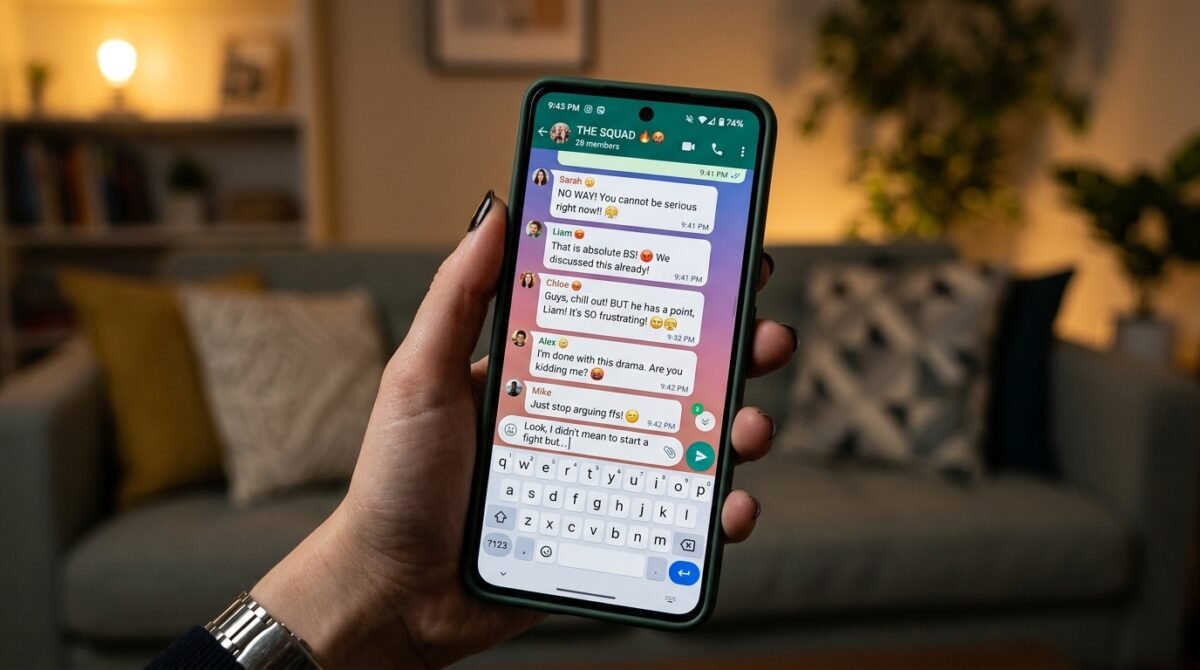
By 8:00 AM, my phone had become a weaponized object. My mother had called twelve times. There were thirty-four messages in the family group chat, all oscillating between frantic inquiries and absolute vitriol. My sister, who lives three states away and usually avoids getting involved, was the loudest of the bunch. She didn’t care about the greenhouse; she cared about the ‘optics’ and the ‘family reputation.’ It was the classic script I had grown up with: the problem is never the person causing the destruction; the problem is the person who dares to hold them accountable.
I sat at my kitchen table, staring at the screen as the notifications poured in. It was a masterclass in gaslighting. My mother’s messages were particularly galling, weaving a narrative where I was the one who was ‘cold-hearted’ and ‘unforgiving.’ They weren’t asking if I was okay, or if I needed help clearing the debris. They were asking why I was being so difficult about the bail money and the legal fees. The sheer audacity of the expectation was staggering.
“How could you let them take him away? He has a job, a life! You are his brother. You have the savings. You know exactly what a lawyer costs. If he gets a criminal record, he’s finished. You’re the reason he’s going to fail.”
— Mom, Family Group Chat
I took a deep breath and started typing. For years, I had been the one to apologize when things went wrong. I had been the one to smooth over the rough edges. I had been the one to lie to the insurance companies, to the landlords, to the police. I had built a foundation of lies to protect someone who never once considered the impact his actions had on me. I decided then and there that I was done being the foundation.
“I didn’t call the police to ruin his life,” I typed back, my fingers steady. “I called them because he drove a truck through my home. He could have killed me. He could have killed himself. And he is responsible for the thousands of dollars in damages to my greenhouse. If you want to pay his bail, feel free. But don’t you dare tell me what I owe him.” The silence that followed was absolute. No one replied for twenty minutes, but I could see the ‘typing’ bubbles appearing and disappearing, a digital manifestation of their collective rage.
My sister finally chimed in, her tone dripping with the kind of condescension that only an older sibling can master. She didn’t acknowledge the greenhouse. She didn’t acknowledge the danger. She simply framed my reaction as a betrayal of our ‘blood bond.’ It was clear that in their eyes, the physical destruction of my property was secondary to the social inconvenience of Julian being held accountable. The divide between us wasn’t just wide; it was a chasm of values that I wasn’t interested in bridging anymore.
The Lawyers, The Bail, and the Broken Trust
Julian remained in custody for three days. During those seventy-two hours, the pressure campaign reached a fever pitch. My father, who had been largely silent for years, finally weighed in. He didn’t call to ask if I was hurt; he called to demand that I sign an affidavit stating I didn’t want to press charges so that Julian could be released on his own recognizance. He called it ‘family loyalty.’ I called it obstruction of justice. The conversation was brief, tense, and entirely devoid of the warmth I had once desperately sought.
“You’re throwing him to the wolves,” my father said, his voice gravelly with a mix of exhaustion and anger. “He’s family. We take care of our own. You have the money, and you have the insurance. This is just a bump in the road. Why are you making it into a mountain?” I listened, feeling a strange detachment. I wasn’t angry anymore; I was just observing the machinery of a toxic system. I realized that my father had spent his entire life teaching me that my needs were secondary to Julian’s instability.
“Dad, he drove through my house. He was drunk. He isn’t a child who made a mistake; he is a man who made a choice. And I am done being the one who cleans up the mess. If he goes to jail, that is the consequence of his choices, not my lack of loyalty.”
— My response to my father
I refused to sign the affidavit. I provided the police with the security camera footage from the doorbell, which clearly showed Julian stumbling out of his truck and laughing at the damage. The footage was damning. It wasn’t just a drunk driving accident; it was an act of reckless, drunken spite. When the prosecutor saw the video, the ‘drunk driving’ charge was upgraded, and the bail was set at an amount that my parents couldn’t easily cover without dipping into their retirement savings.
The family began to fracture. My sister stopped talking to me, claiming I was ‘toxic’ for holding a grudge. My mother stopped sending me photos of the grandkids. The alienation was swift and total. It was as if by refusing to participate in the cycle of enabling, I had become an alien to them. They didn’t know how to relate to me outside of the context of me helping Julian. Without that role, I was a stranger to them, and that realization was almost as painful as the destruction of the greenhouse.
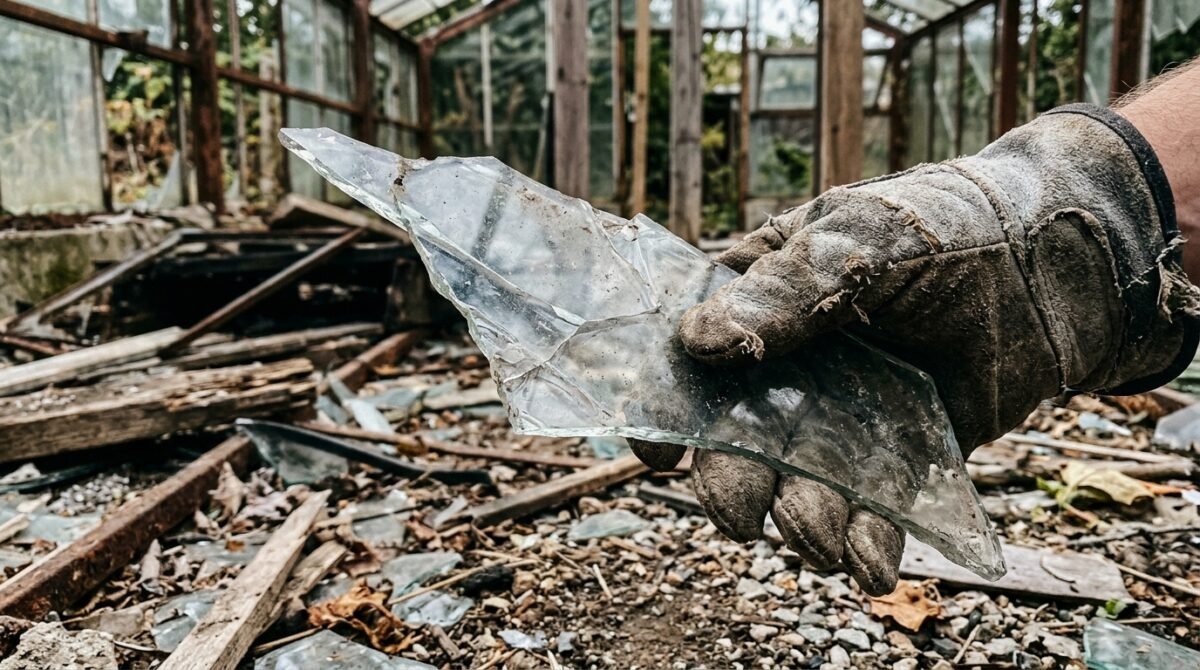
I spent those days in my house, surrounded by the smell of ozone and damp dirt. I started the process of cleaning up the glass myself, wearing heavy gloves and boots. Every shard I picked up felt like a piece of the past I was discarding. I wasn’t just cleaning up a mess; I was stripping away the remnants of a life defined by other people’s chaos. It was therapeutic, in a way, to hold the physical evidence of the destruction and choose to dispose of it, rather than trying to glue it back together.
Reddit Weighs In: The Verdict of the Void
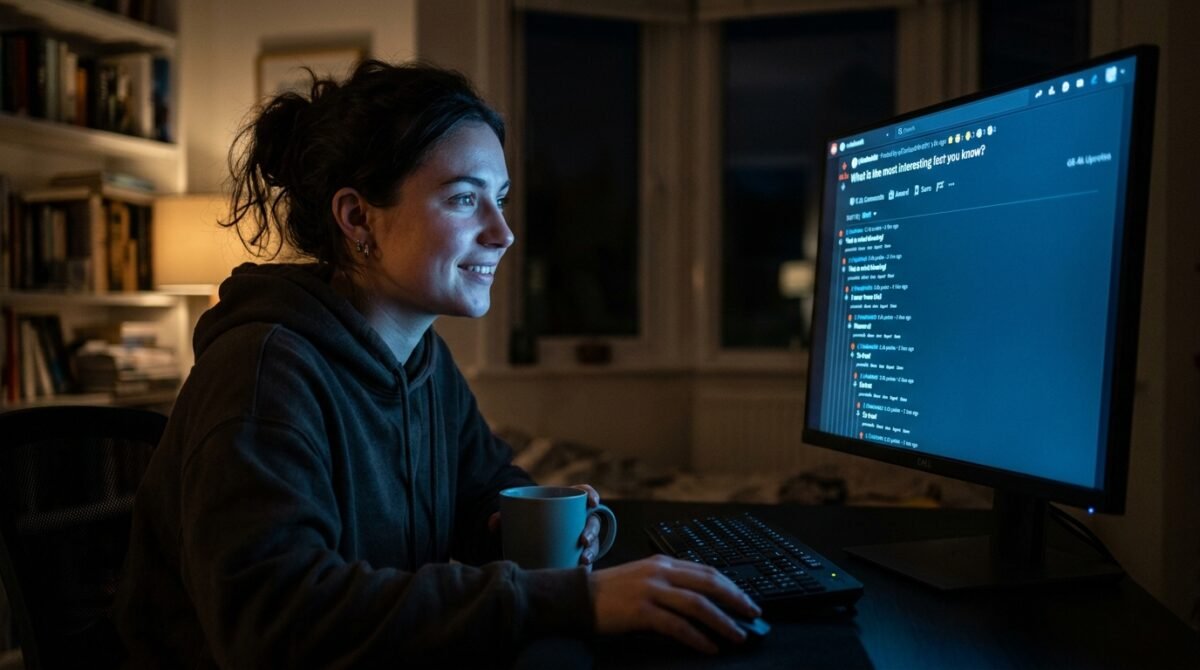
On the fourth day, I posted my story to a popular sub-forum dedicated to relationship and family dilemmas. I didn’t need validation, but I needed to know if I was losing my mind. I needed to see if the gaslighting was as pervasive as it felt. I kept it anonymous, but the details were specific. The response was immediate and overwhelming. Within hours, the post had reached the front page, with thousands of people commenting on the absurdity of my family’s demands.
The comments were a mixture of outrage, support, and legal advice. People who had been through similar ‘golden child’ family dynamics reached out with messages of solidarity. It was a strange experience, finding more support from strangers on the internet than from the people who had raised me. It confirmed what I had been suspecting for years: I wasn’t crazy. I was just the only one who had finally decided to step off the merry-go-round of destruction.
“Your family isn’t mad at you because you’re ‘toxic.’ They’re mad because you’ve broken the contract. You were the designated fixer, and by refusing to fix this, you’ve forced them to actually deal with Julian. They hate you because you’re making them do the work they’ve been avoiding for a decade.”
— u/LogicAndReason (Top Comment, 32.5k upvotes)
There were other comments, too. Some people warned me about the legal ramifications, suggesting I get a restraining order. Others shared stories of how their own ‘Julian’ had eventually ended up in prison anyway, and how their families had only turned on them when they stopped paying the bills. It was a sobering, cautionary tale. I read every single one, absorbing the wisdom of people who had been through the fire and come out on the other side. I felt a sense of camaraderie that I had never found at home.
I also saw the ‘Devil’s Advocate’ comments. There were a few people who argued that family is ‘above all else’ and that I was being ‘vindictive’ by not helping my own blood. I found those comments strangely interesting. They were usually written by people who sounded like they were currently enabling their own ‘Julians.’ It was easy to see the projections. I didn’t engage with them. I didn’t need to defend my position to a group of strangers; I only needed to know that my decision was grounded in reality.
The internet, for all its toxicity, had given me a mirror. I saw my situation reflected back at me through thousands of different eyes, and in every reflection, I saw the same thing: I was the victim of a long-term pattern of abuse, and I had every right to demand justice. The doubt that had been gnawing at me for days began to dissipate. I was doing the right thing. Not just for me, but for the sake of the boundaries that had finally been established. I was finally, unequivocally, in the right.
The Confrontation at the Courthouse
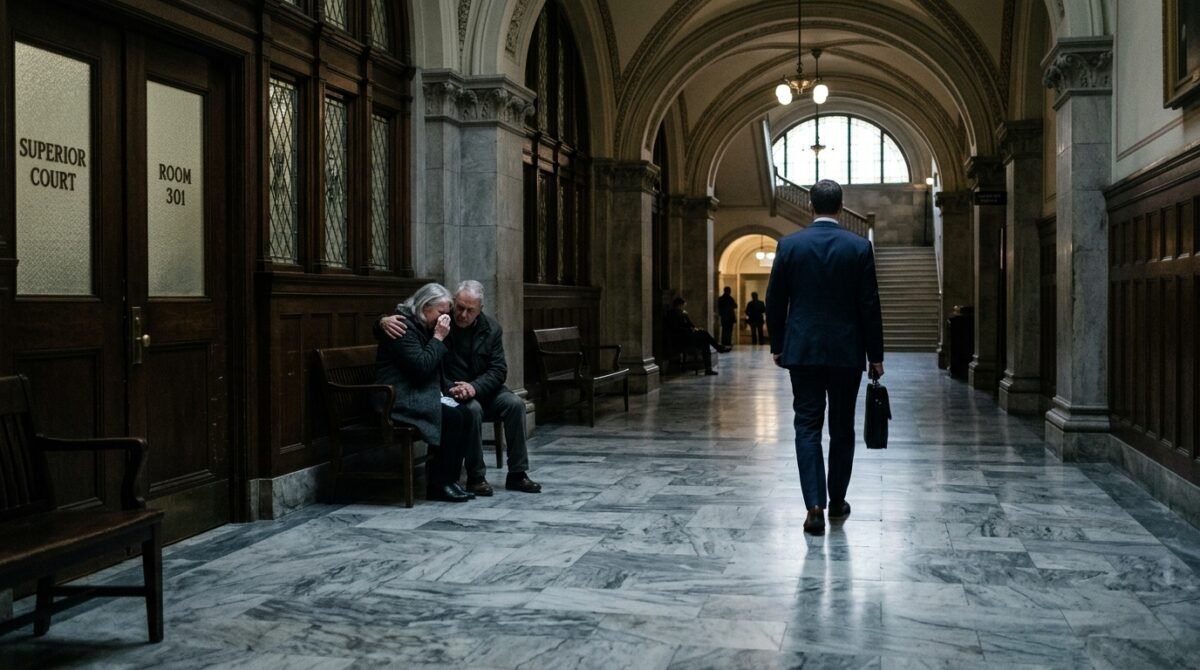
A week later, I had to attend the preliminary hearing. I hadn’t seen Julian since the night of the crash. Seeing him in the courtroom, wearing an orange jumpsuit and looking haggard, was a visceral experience. He didn’t look like the brother I remembered. He looked small, defeated, and, for the first time, completely stripped of his usual bravado. When he caught my eye across the room, he didn’t look angry. He looked terrified. It was a look I had never seen on him before.
Our parents were there, too. They sat a few rows ahead of me, their shoulders slumped, their eyes fixed firmly on the judge. They didn’t look back at me. It was as if I didn’t exist. The silence between us was heavier than anything I had ever felt. It wasn’t the silence of peace; it was the silence of a bridge being burnt. I walked past them to sit in the witness section, feeling their disdain radiating toward me like heat from a furnace.
“You’re doing this to your own brother. You’re going to have to live with this for the rest of your life. He’s going to hate you forever, and we will never look at you the same way again.”
— My mother, whispering as I passed her seat
I didn’t answer her. I didn’t even look at her. I sat down and kept my eyes on the proceedings. The judge was stern, reviewing the evidence I had provided. When it was my turn to speak, I didn’t focus on the emotional toll. I focused on the facts. I detailed the cost of the damage, the danger he had put me in, and the long history of his behavior that had led to this point. I didn’t hold back, but I didn’t embellish. I spoke with the clinical precision of someone who had already mourned the relationship.
Julian kept his head down the entire time. He didn’t interrupt. He didn’t plead. He just sat there, listening to the reality of his actions being laid out in a public forum. It was the first time he had ever been forced to confront the consequences of his life without a buffer. The judge ordered him to remain in custody pending a further evaluation and a full trial. The sound of the gavel felt like a final, definitive period at the end of a very long, very exhausting chapter.
As I walked out of the courtroom, my father followed me into the hall. He grabbed my arm, his grip tighter than necessary. “Are you happy now? You’ve destroyed him. You’ve destroyed this family. We’re never going to be the same because you couldn’t be a little more forgiving. What is wrong with you?” I looked at his hand on my arm, then up at his face. I didn’t feel fear. I didn’t feel shame. I just felt an overwhelming sense of pity for him.
The Aftermath: Silence as a Boundary
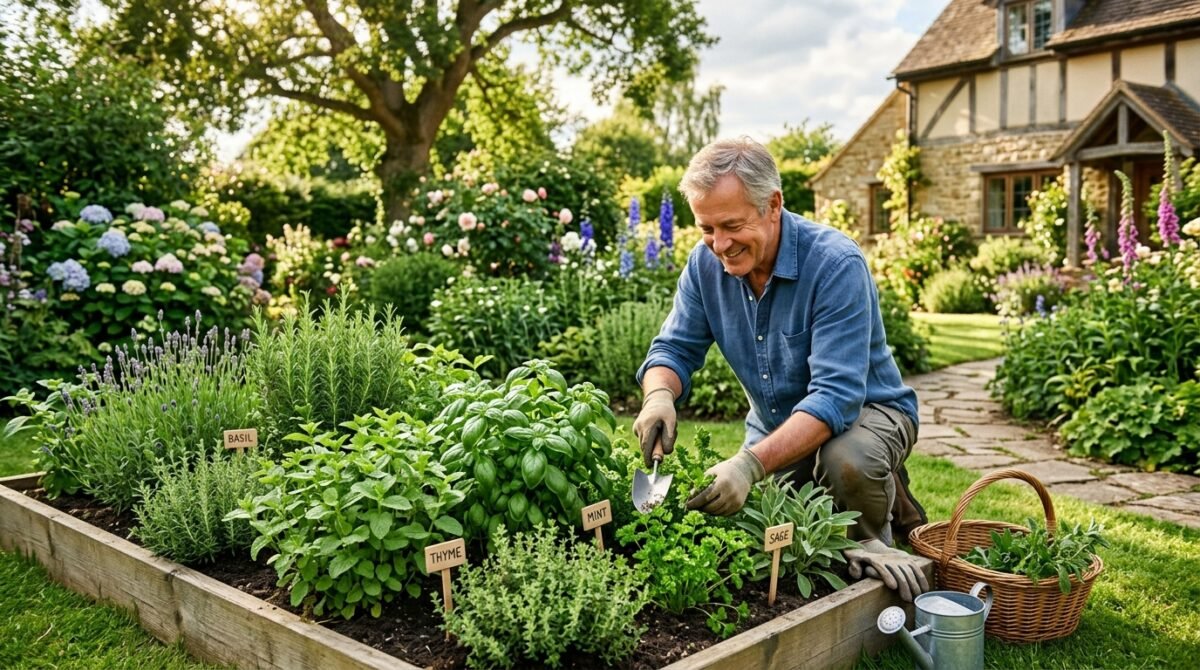
The weeks following the trial were strangely quiet. The phone calls from my mother stopped. The group chats went silent. It was as if I had been excised from the family, a tumor that they had finally cut away because I refused to play the role of the sacrificial lamb. I spent my days working on the greenhouse. I didn’t try to rebuild it immediately; I cleared the site, leveled the ground, and planted a small herb garden instead. It felt symbolic—something smaller, more manageable, and entirely mine.
I found that I didn’t miss them as much as I thought I would. The constant, nagging anxiety that had defined my life for so long—the worry about when Julian would call, what disaster would happen next, how I would fix it—was gone. In its place was a profound, almost hollow, sense of peace. I could sleep through the night without checking my phone. I could go to the store without worrying about who I might run into. I was finally living for myself.
“I realized that the ‘family’ I was trying to save wasn’t actually a family. It was a trap. Every time I reached out to ‘fix’ things, I was just making the trap stronger. By stepping away, I didn’t just save myself—I saved my sanity.”
— A thought from my journal, written a month after the trial
I started seeing a therapist who specialized in family dynamics. She helped me understand that my role as the ‘fixer’ was a trauma response—a way to maintain control in a household where chaos was the norm. We worked through the guilt, the shame, and the deep-seated fear that I was unworthy of love if I wasn’t being useful. It was hard work, but for the first time, I felt like I was moving forward, not just treading water in a sea of other people’s problems.
Julian was sentenced to six months in a minimum-security facility, followed by mandatory rehabilitation. I didn’t go to the sentencing. I didn’t send a letter. I simply moved on. I heard through the grapevine that he was actually doing well in the program, that he was sober and finally holding down a job. Part of me was glad for him, truly, but it was a distant, detached gladness. I realized that my empathy for him was no longer a weight I had to carry.
I had successfully severed the cord. My life was no longer anchored to his wreckage. I could see the future now, a wide, open horizon where I was the primary actor in my own story. The loss of my family was a tragedy, yes, but it was also a liberation. I had been given a chance to build a life on my own terms, free from the expectations of people who only valued me for what I could do for them. It was a bargain I would make again in a heartbeat.
The Letter I Never Expected

Four months into his sentence, I received a letter in the mail. It was from Julian. I stared at the envelope for a long time, debating whether or not to even open it. Part of me wanted to toss it in the fire, to keep that final boundary intact. But another part of me, the part that had been the ‘good brother’ for so long, felt a sliver of curiosity. I opened it, the paper crisp and clean, his handwriting surprisingly legible.
It wasn’t an apology in the traditional sense, but it was the closest thing he had ever come to one. He didn’t ask for money. He didn’t ask for a favor. He just acknowledged that he had been a hurricane in my life for as long as he could remember. He thanked me—not for the bail, but for the ‘rock bottom’ I had provided. It was a surreal moment, reading words that felt like they were coming from a different person entirely. He admitted that he was finally seeing his life for what it was, and it was a terrifying sight.
“I thought you were the bad guy. I thought you were just being cruel. But in here, with nothing but time to think, I realize you were the only person who ever actually cared enough to stop me. I don’t expect forgiveness. I don’t even expect to hear back. I just wanted you to know that I finally understand.”
— A line from Julian’s letter
I read the letter three times. I didn’t cry, and I didn’t feel a surge of vindication. I just felt a quiet sense of closure. It wasn’t the grand, cinematic reconciliation scene the movies would have you believe in. There was no hug, no tears, no promise of a future together. It was just a cold, hard fact being acknowledged. He had taken the first step toward adulthood, and I was no longer the one pulling him forward. It felt like the final piece of the puzzle had been put into place.
I didn’t write back. I didn’t feel the need to. Our relationship had been a closed loop of destruction and repair, and that loop was now permanently broken. I tucked the letter into a desk drawer, not as a memento, but as a record of the end. It was time to stop looking back. The greenhouse was gone, the family connection was severed, and the brother I thought I knew was a stranger. And that was okay. It was more than okay; it was necessary.
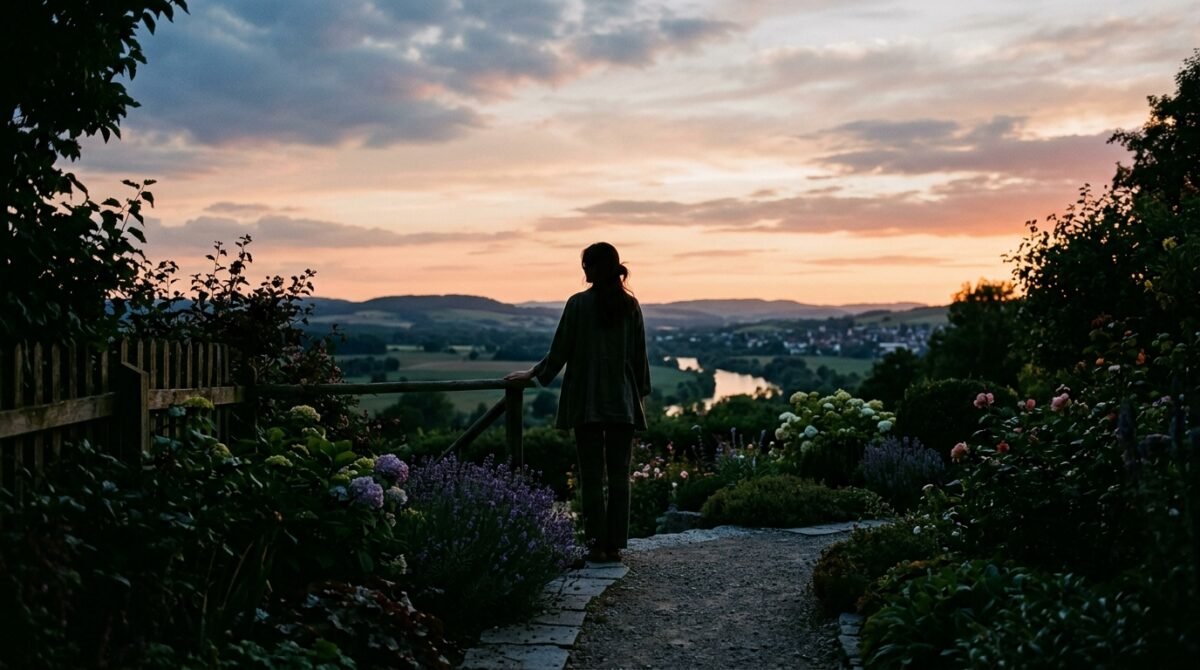
I went outside and sat in the yard. The sun was setting, casting a golden light over the garden. It was quiet—the kind of quiet that only exists when you stop fighting the world. I felt a deep, abiding sense of gratitude for the destruction, as strange as that sounds. Without the greenhouse being demolished, I might have spent another ten years being the fixer, another ten years being the buffer for someone who would never have the strength to change. I was lucky, in a way. I was finally, truly, free.
Reflections on the Cost of Boundaries
When you set a boundary, people often tell you that you’re being selfish. They tell you that you’re being cruel, that you’re hurting the people you love. But they rarely talk about the cost of *not* setting a boundary. They don’t talk about the erosion of the self, the slow, agonizing process of becoming a background character in someone else’s crisis. They don’t talk about the resentment that builds up over years, or the way it rots a relationship from the inside out until there’s nothing left but a shell of obligation.
I look back at the person I was before the greenhouse was destroyed and I hardly recognize him. He was a person who lived in a state of constant, low-level panic. He was a person who was always ready to apologize for things he didn’t do. He was a person who had forgotten that his own life was valuable, simply because he had been taught that other people’s lives were more urgent. I don’t miss him. I feel a strange sense of loss for the potential, but I know that he had to be destroyed for the current version of me to emerge.
“Boundaries aren’t walls to keep people out; they’re the gates that allow you to decide who gets to enter, and on what terms. When you stop being a doormat, people will call you cold. But you’re not cold—you’re just finally keeping the heat for yourself.”
— Wisdom from my therapist
Setting those boundaries was the hardest thing I’ve ever done. It cost me my family. It cost me my reputation in the eyes of people who weren’t actually in my corner. But it bought me something that is priceless: peace. I don’t have to worry about my phone ringing at 3:00 AM. I don’t have to lie to the police. I don’t have to pay for the consequences of someone else’s bad choices. I own my life now, completely and entirely.
I’ve learned that sometimes, the most loving thing you can do for someone is to let them face their own consequences. By protecting Julian from his own life, I wasn’t helping him; I was handicapping him. I was keeping him in a perpetual state of childhood, where someone else was always there to catch him when he fell. By stepping back and letting him hit the ground, I gave him the only real chance he’s ever had to learn how to stand on his own two feet.
If you find yourself in a similar position, if you’re the ‘fixer’ in your family, I want you to know something: you are allowed to stop. You are allowed to say ‘no.’ You are allowed to prioritize your own sanctuary, even if it means losing people who only valued you for your utility. It is not selfish to protect your home, your money, and your sanity. It is the most fundamental duty you owe to yourself. And sometimes, the only way to save yourself is to watch the whole thing burn and walk away.
The New Normal: Moving Forward
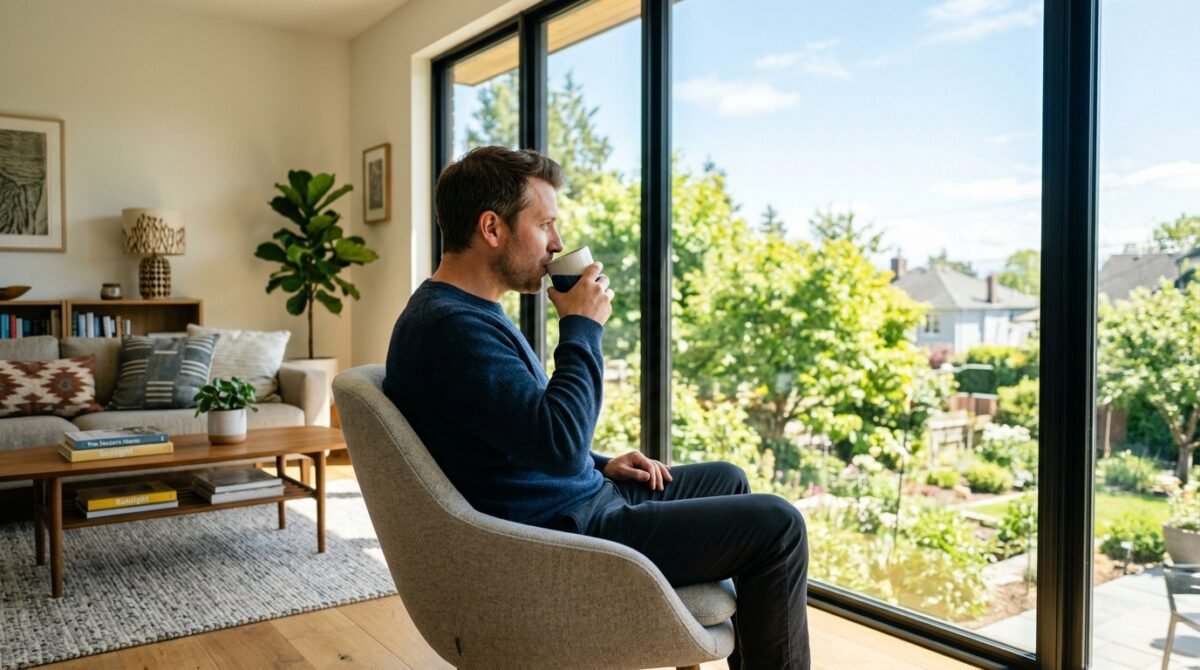
Life today is drastically different. I’ve started a new career path, something I’d been putting off for years because I was too busy managing the family crisis. I’m living in a space that feels entirely mine, decorated with things I actually like, not things that fit the ‘family aesthetic.’ I still garden, though on a much smaller scale. I find that I enjoy the simplicity of a few pots on the porch more than the grandeur of that massive greenhouse. It’s a reminder that I don’t need much to be happy.
My relationship with my parents is still strained, bordering on non-existent. We exchange occasional polite texts on birthdays and holidays, but the intimacy is gone. They still look at me as the person who ‘betrayed’ the family, and I look at them as the people who enabled a toxic cycle for as long as they could. There’s no bitterness there anymore, just a profound sense of distance. We are strangers who share a history, and I’ve come to accept that as a reality, not a tragedy.
“Sometimes the best thing you can do for your family is to remove yourself from the equation. The space you create allows everyone to breathe, to grow, and to finally see things as they really are, without your intervention to blur the lines.”
— Reflection on my new life
I’ve made new friends—people who know me for who I am today, not for the role I used to play. They don’t know about the greenhouse, or the bail money, or the years of chaos. And when I do tell them, they don’t react with horror or judgment; they react with understanding. It’s a completely different dynamic, one built on mutual respect and shared interests, not on obligation and crisis management. It’s a relief to be ‘just a person’ instead of a savior.
I still think about that night sometimes, when the wind howls and the house is quiet. I remember the sound of the glass, the smell of the bourbon, and the look on Julian’s face. But it doesn’t haunt me anymore. It’s just a memory—a marker on the map of my life that says, ‘This is where you stopped, and this is where you started.’ It’s the origin story of my independence, the moment I finally claimed my own life.
I don’t know what the future holds, and for the first time, I’m not afraid of that uncertainty. I’m ready for whatever comes, because I know I can handle it. I’ve faced the worst, and I’ve come out on the other side. I’ve lost my family, but I’ve found myself, and that is a trade I would make a thousand times over. The greenhouse is gone, but the garden is growing. And for now, that is more than enough.
Community Perspectives: The Reddit Follow-Up

Months after my original post, I returned to the subreddit to give an update. The response was even more overwhelming. People were genuinely invested in the outcome, in the ‘after’ picture. They wanted to know if Julian had actually changed, if the parents had come around, and most importantly, if I was happy. I answered as honestly as I could. I told them about the letter, the distance, and the peace I had found. The community’s reaction was a testament to the fact that so many people are living in similar, unspoken shadows.
The comments were filled with people sharing their own ‘I finally said no’ stories. It was a powerful, collective exhale. People who had spent years being the ‘good one’ were finally finding the courage to step away from the ledge. It was a reminder that we are not alone in our struggles, and that there is a growing movement of people who are prioritizing their own mental health and well-being over the dictates of ‘family loyalty’ that often mask abuse.
“I read your story months ago, and it was the push I needed to finally stop paying my brother’s gambling debts. I’m six months sober from the family drama, and it’s the best I’ve ever felt. Thank you for showing me that it’s possible to walk away and survive.”
— u/BreakingTheCycle (Comment, 12.1k upvotes)
There was a clear divide in the comments, as there always is. The ‘family-first’ crusaders were still there, still arguing that I was a ‘cold-blooded’ person. But they were being drowned out by the voices of people who had been through the fire and understood the necessity of the act. The conversation had shifted from ‘Are you right?’ to ‘How do we heal?’ It was a beautiful, chaotic, and necessary evolution of the thread.
I realized that by sharing my story, I had provided a service I never intended—a roadmap for people who were trapped in the same cycle. It was a responsibility I didn’t take lightly. I tried to answer as many questions as I could, focusing on the importance of therapy, the necessity of patience, and the reality that change is a slow, often painful process. I wasn’t a guru, but I was a survivor, and that was enough for them.
The thread is still active, a place where people go to find support when they feel like they’re losing their minds under the pressure of their own families. I check it every now and then, just to see the new stories of people setting boundaries and reclaiming their lives. It’s a reminder that my choice, however difficult, was a catalyst for something much larger than myself. It was the end of my story as a victim, and the beginning of a community of people who refuse to be silent anymore.
Conclusion
My journey from the wreckage of a greenhouse to the foundation of a new life has been a long, often painful process, but it has been worth every single struggle. I learned that the people who demand your sacrifice are not the people who have your best interests at heart. I learned that silence is a powerful tool, and that ‘no’ is a complete sentence. Most importantly, I learned that I am enough, all by myself, without having to carry anyone else’s burdens.
The family drama has faded into a distant hum, something I hear about occasionally but no longer feel the need to engage with. I have built a life that is quiet, simple, and entirely mine. The trauma of that night in November has been replaced by the rhythm of a life lived on my own terms. I am no longer a brother, a fixer, or a victim. I am just me.
If you find yourself in the same position, if you feel like you are being suffocated by the expectations of people who do not respect your boundaries, know that you have the right to walk away. You are not responsible for the happiness or the life choices of others. You are only responsible for your own. And that is a responsibility that deserves all of your attention and energy.
I leave you with this question: If you could walk away from one expectation that is currently draining your life, which one would it be, and what would you do with the time you got back? Let me know in the comments below.
What's your verdict on this dilemma?
Vote below to contribute to the official community consensus.

Have a Dilemma Keeping You Up at Night?
Share your real-life feud, wedding chaos, or relationship crossroads anonymously with our editorial team.
What do you think ?
0 Comments🛡️ Comments are moderated to protect community integrity. Your comment will appear once approved by the editorial team.