
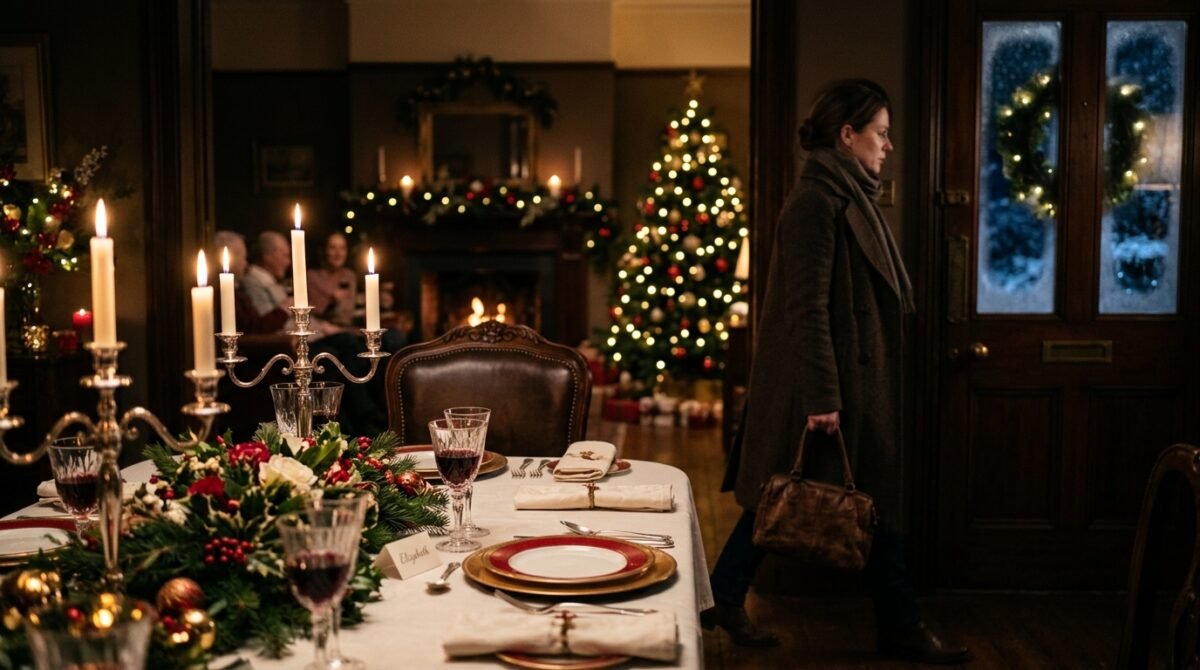
Grief is a strange, shapeshifting companion. For years, I kept my mother’s memory alive through the small, tangible remnants she left behind after her passing when I was just twelve. Among these, the most sacred was the intricate, hand-stitched quilt she spent months laboring over, its fabric smelling faintly of pressed lavender and old books. It was a tangible piece of her soul, a protective layer against the cold, and a reminder of the woman who held me through my earliest heartbreaks.
My father’s remarriage to Elena was initially framed as a fresh start, a way to breathe life back into our quiet, widowed home. But as the years ticked by, Elena’s presence shifted from a support system to a subtle, invasive pruning of my past. She viewed my mother’s possessions not as heirlooms, but as clutter that needed to be replaced by her own curated aesthetic. I was labeled ‘difficult’ and ‘stuck in the past’ whenever I insisted on keeping my mother’s things in my room, safe from Elena’s relentless ‘reorganization’ sprees.
Christmas was always the flashpoint. It was the time of year when the lack of my mother was most deafening, and Elena seemed to take a perverse pleasure in turning the holiday into a performative display of her own family unit. I walked into this year’s dinner with a fragile sense of obligation, hoping for a truce. I had no idea that beneath the festive tablecloths and the scent of roasting rosemary, a final, irreversible betrayal was waiting to be unwrapped.
The atmosphere was thick with the kind of forced cheer that hides deep, festering resentments. Elena had invited her daughter from a previous marriage, Chloe, who was always treated with a level of indulgence I was never afforded. As we sat down to eat, I looked toward the guest room chair where my mother’s quilt was usually draped when guests stayed over. It was gone. My heart sank, a cold weight dropping into my stomach, but I tried to push down the rising panic, telling myself it was just moved for cleaning.
That thin veneer of hope shattered completely when Chloe walked into the room, wrapped in that very quilt, smiling as if it were a casual gift from a department store. The silence that followed was not merely the absence of sound; it was the sound of a daughter’s world ending. I didn’t scream, and I didn’t cry. I simply stood up, looked my father in the eye, and realized that my home had ceased to exist years ago. What happened next was a cold, calculated dismantling of the toxic dynamic that had held me hostage for far too long.
The Vanishing Artifact
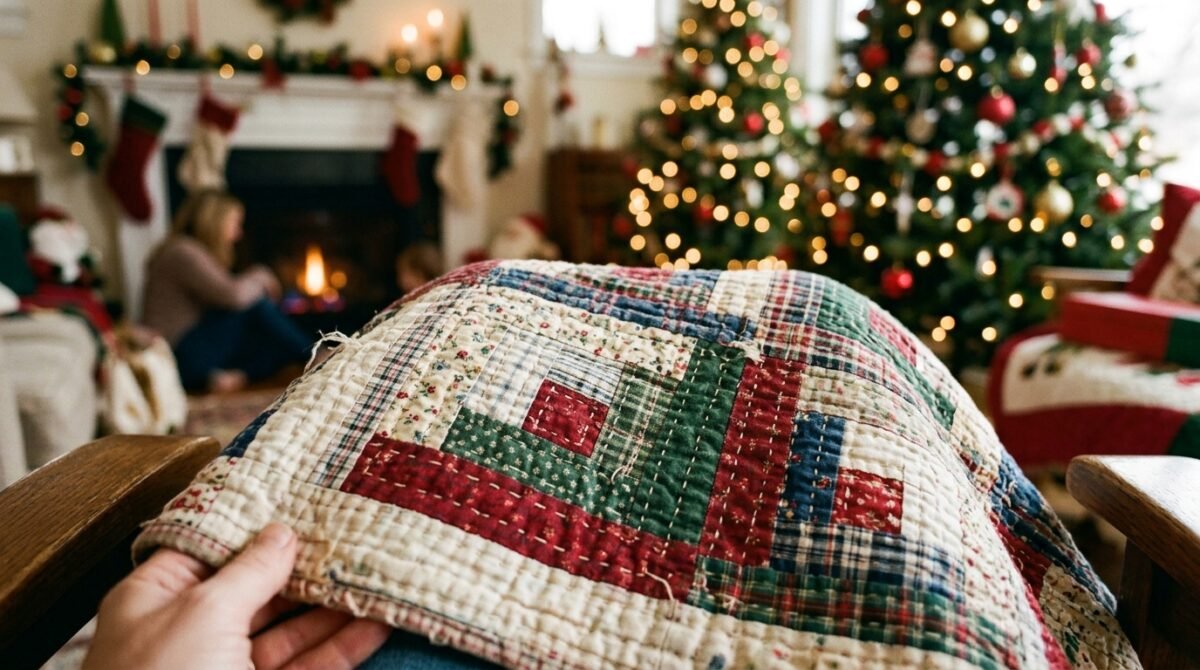
The realization didn’t hit me all at once; it arrived in the form of a sickening, slow-motion observation. When I first entered the living room, the house was dressed in aggressive holiday cheer—over-the-top garland, expensive ornaments, and a perfectly curated aesthetic that felt like it belonged in a magazine rather than a home. My mother’s presence had been scrubbed away years ago, leaving only the quilt as the final outpost of her existence in this house. Now, even that was missing from its usual spot.
I scanned the room, hoping to see it folded neatly on a shelf or tucked away in a closet. Instead, I saw Chloe sitting on the velvet chaise, wearing my mother’s legacy like a throw blanket for a casual holiday nap. The sight felt physical, like a sharp strike to my diaphragm. It wasn’t just fabric; it was a year of my mother’s life, the specific patterns she chose during her final treatment, stitched with a love that I had guarded with everything I had left.
I approached my father in the kitchen, my voice trembling with a restraint that felt like it was about to snap. I asked him, as calmly as I could manage, where the quilt had come from. He looked at me, genuinely confused, as if the provenance of the blanket was a triviality he had long ago delegated to his wife. His lack of awareness was, in its own way, a more stinging betrayal than the theft itself.
“Dad, I need to know why Chloe is wearing the quilt Mom made for me. Tell me you didn’t give it to her. Please tell me there was some kind of misunderstanding.”
— Me, confronting my father in the kitchen
His response was the standard, dismissive deflection that had defined his marriage to Elena. He claimed it was just ‘an old blanket’ that needed to be put to use, rather than letting it gather dust in a spare bedroom. He spoke about it as if it were a mass-produced item from a big-box store, totally oblivious to the history, the labor, and the grief contained within every single stitch. The casual nature of his dismissal made my blood run cold.
I watched Elena enter the kitchen, her smile bright and practiced, completely unaware that the ground was about to shift beneath her feet. She looked at me, then at my father, and smoothed her apron with a look of practiced domesticity. She had no idea that the ‘clutter’ she had decided to ‘gift’ away was the single most dangerous item she could have touched. This wasn’t about a blanket; it was about the final, total erasure of my mother’s identity in a house that was supposed to be mine as well.
The Logic of the Theft
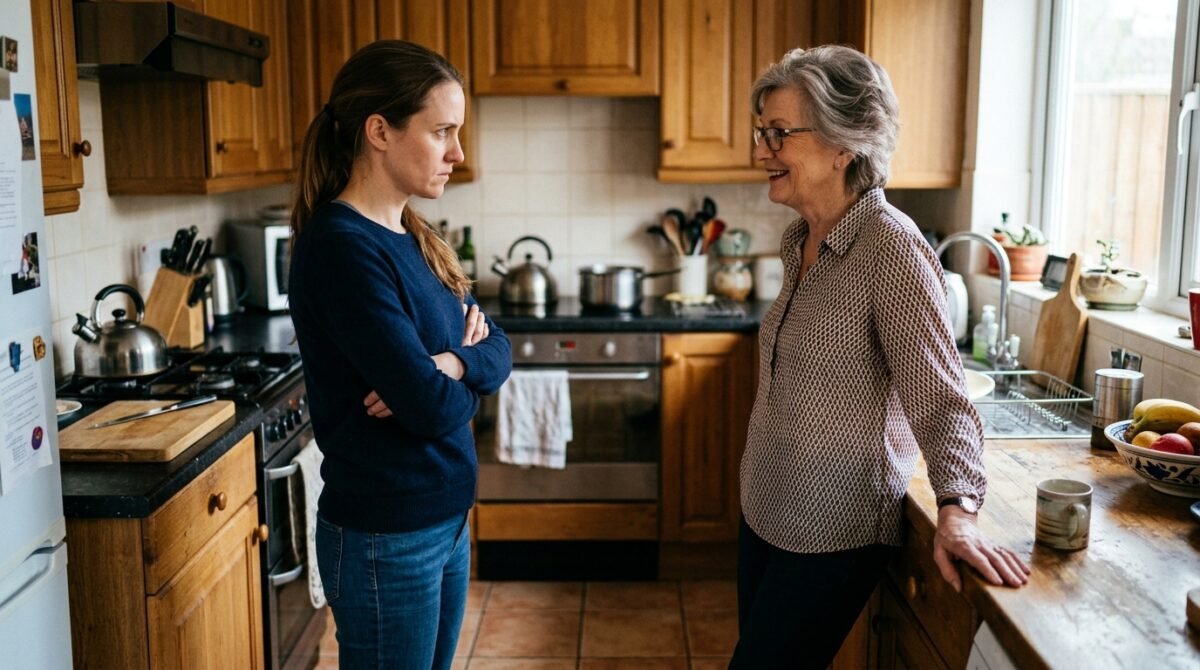
When I finally confronted Elena, she didn’t apologize. She didn’t even attempt to feign ignorance. She stood there in the doorway, radiating a kind of entitled confidence that made my skin crawl. She argued that the house had too much ‘clutter’ and that she was merely being helpful by distributing unused items to family members who would actually appreciate them. In her world, if you aren’t actively using something, you have forfeited your right to own it.
Her justification was a masterclass in gaslighting. She claimed that Chloe had been ‘chilly’ and that the quilt was ‘just sitting there’ in the guest room, which she apparently viewed as a repository for unwanted trash. She didn’t see a mother’s labor; she saw a piece of fabric that complemented Chloe’s living room decor. She went on to explain how she had even washed it, as if that somehow redeemed the act of taking something that never belonged to her in the first place.
“It was just sitting in the guest room collecting dust, and Chloe mentioned she needed a throw. It’s not like you were using it. I thought I was doing everyone a favor by putting it to good use instead of letting it rot in a closet.”
— Elena, justifying her actions to me
I felt a strange, detached calm wash over me. It was the realization that no amount of explaining, pleading, or arguing would ever make her understand why this was wrong. She lacked the capacity for empathy regarding my past because, in her mind, she was the protagonist of this family’s story. My mother was merely a supporting character who had outlived her usefulness, and I was just an obstacle to be managed.
I turned to my father, expecting him to finally see the cruelty of the situation. Instead, he just looked uncomfortable, shifting his weight from foot to foot, clearly hoping that if he ignored the tension long enough, it would simply vanish. His refusal to stand up for my mother—or for me—was the final confirmation I needed. The man who had promised to protect me had effectively retired from his duties the day he met Elena.
I didn’t argue further. I realized then that any further discussion was a waste of breath. There was no moral compass here to appeal to, only the cold, hard reality of an environment that had systematically dismantled everything I held dear. I walked out of the kitchen, back toward the living room, where the sound of laughter and festive music now felt like an assault on my senses. I had to get the quilt back, and then I had to get out.
The Breaking Point at the Table
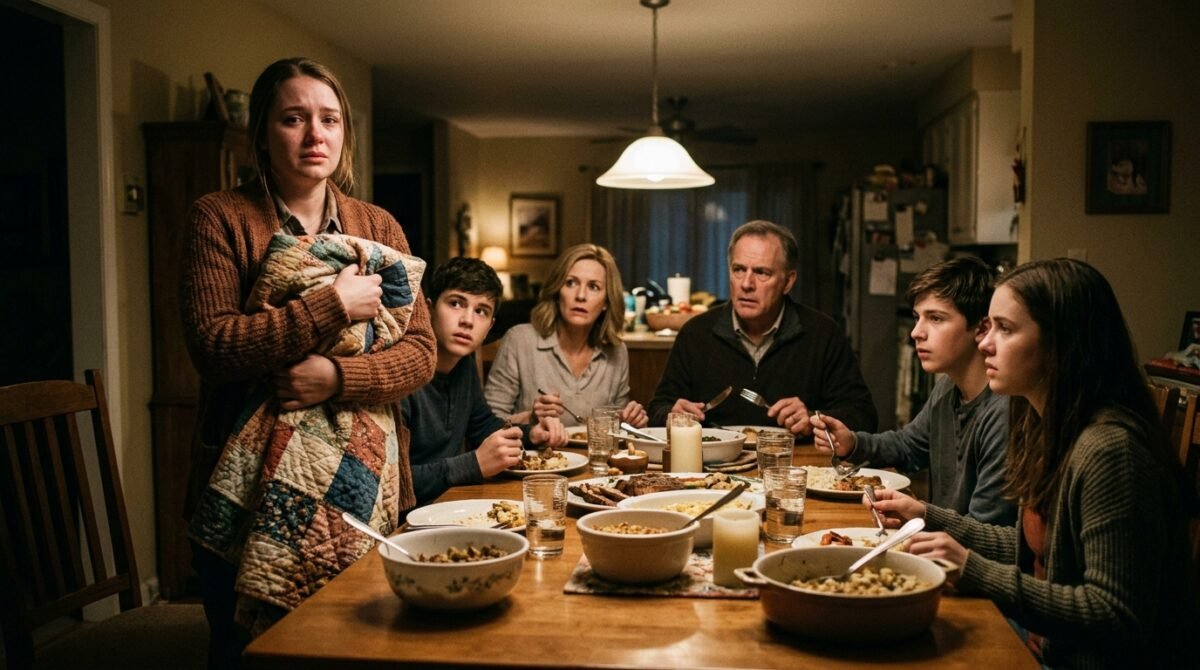
The dinner table was a surreal stage set for a catastrophe. Everyone was seated, and the wine was flowing. My father was trying to force a conversation about his latest work project, while Chloe continued to drape the quilt over her lap, oblivious to the fact that she was wearing someone else’s heart on her shoulders. I sat down, my hands beneath the table, gripping the edge of the chair so tightly my knuckles turned white.
I waited for the right moment. I didn’t want to make a scene, but I was beyond caring about the ‘holiday spirit.’ When a lull finally hit the conversation, I spoke up, my voice steady, cutting through the ambient noise like a knife. I asked Chloe if she knew the history of the blanket she was wearing. The room went silent, the clinking of silverware replaced by a palpable, suffocating tension that seemed to vibrate in the air.
“Chloe, that quilt you’re wearing was handmade by my mother before she died. It wasn’t a gift to be re-gifted. It is the only thing I have left of her that she actually made with her own hands. Please take it off.”
— Me, speaking to the entire table
Chloe looked stunned, her face flushing a deep, embarrassed red. She looked at her mother, who was already gearing up for a defensive counter-attack. Elena started in on me immediately, calling me dramatic and accusing me of trying to ruin the holiday over a ‘simple misunderstanding.’ The sheer audacity of her framing was enough to make my head spin. She really believed she had done nothing wrong.
My father finally spoke, but he didn’t side with me. He told me to ‘calm down’ and ‘not to make a scene’ in front of the guests. He essentially told me that my mother’s legacy was less important than his wife’s comfort and the maintenance of a pleasant atmosphere. That was the moment the final thread of my loyalty to him snapped. I looked at the table—the expensive china, the perfect roast, the faces of people who had no respect for my grief—and realized I couldn’t be here another second.
I stood up, walked over to Chloe, and held out my hand. She hesitated, looking at her mother, but the cold, hard look I gave her made her realize that I wasn’t going to back down. She slowly pulled the quilt from her shoulders and handed it to me. The fabric felt warm from her body, a sensation that made me feel sick. I took it, clutched it to my chest, and walked toward the front door without another word.
The Aftermath and the Digital Fallout
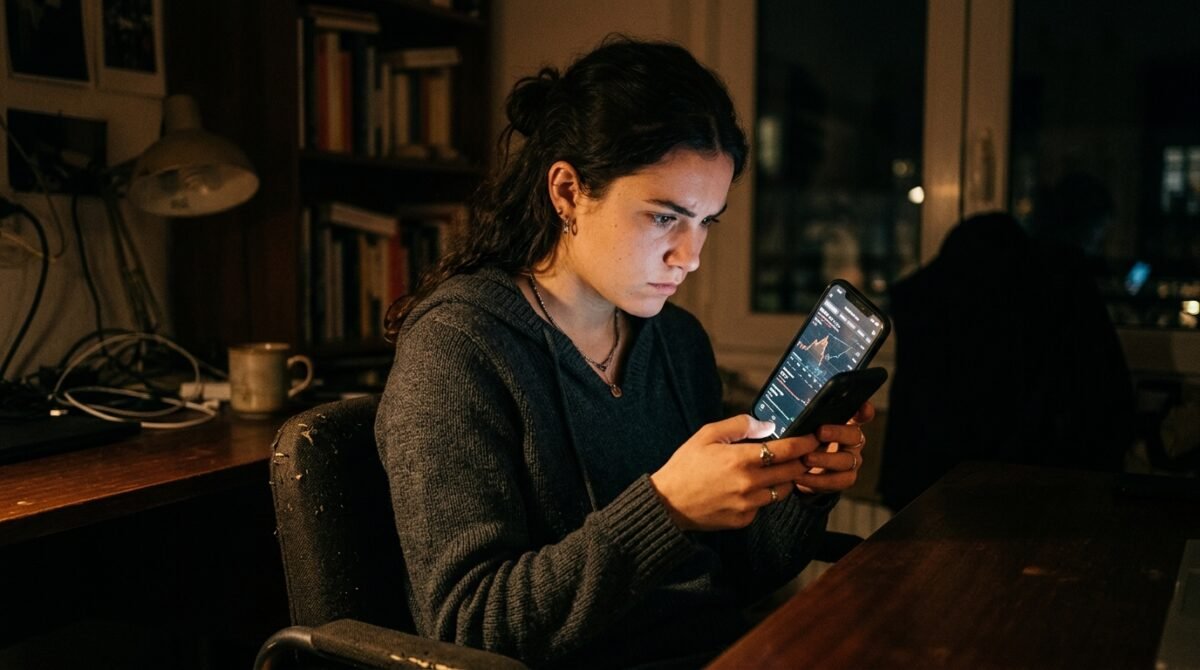
Leaving that house felt like walking out of a prison. I didn’t even wait to grab my coat; I just headed straight for my car, the quilt bundled tightly in my arms. The night air was biting, but I felt a strange sense of heat radiating from the indignation fueling my walk to the vehicle. My phone started vibrating almost immediately—a barrage of texts from my father, Elena, and even a few of my relatives who had been at the dinner.
The group chat was where the real revisionist history began. Within minutes of me leaving, the narrative had been rewritten. According to Elena, I had ‘attacked’ Chloe and created a scene because I was ‘unstable’ and ‘obsessed with the past.’ She was framing my boundary-setting as a mental health crisis, effectively weaponizing my grief to protect her own reputation. It was a classic move, and I saw it coming a mile away.
“I don’t know what got into her tonight. She’s clearly still struggling with her mother’s passing, and she’s projecting all of that onto poor Chloe. Please don’t take it personally. She needs professional help.”
— Elena, in the family group chat
I didn’t respond to the group chat. I didn’t block them yet, either. I wanted to see the full extent of their manipulation. It was fascinating, in a horrific way, to watch them all pile on. Relatives I hadn’t spoken to in months were suddenly chiming in, condemning my behavior based on Elena’s curated version of events. The sheer level of gaslighting was enough to make anyone doubt their own reality, but I had the quilt in my backseat, a physical anchor to the truth.
I drove to a friend’s place, my hands still shaking from the adrenaline. Once I arrived, I finally read through the messages with a clear head. The level of entitlement they displayed—the idea that they had the right to tell me how to grieve and what to do with my property—was staggering. They weren’t just erasing my mother; they were demanding that I participate in my own erasure. I knew then that I wasn’t just walking out for the night; I was walking out of their lives.
I finally sat down and typed out a single, definitive message to the group chat. I didn’t offer apologies. I didn’t beg for understanding. I simply stated the facts, laid out the boundary, and told them exactly what I thought of their behavior. Then, I blocked every single one of them. The silence that followed wasn’t empty; it was the most peaceful thing I had ever experienced.
The Reddit Trial

I knew I needed an outside perspective. Was I being unreasonable? Was I actually the villain in this story? I posted the entire account to a popular subreddit, leaving out none of the ugly details. I expected a mix of responses, but the outpouring of support was overwhelming. The community didn’t just validate my actions; they provided a roadmap for how to handle the inevitable fallout that was coming my way.
The thread exploded overnight. Thousands of people, many of whom had dealt with their own versions of ‘wicked’ stepparents and toxic family dynamics, weighed in. It was a bizarre, comforting experience to have strangers across the globe tell me that I had done the right thing. It made me realize that I wasn’t alone in this, and that the dysfunction I had lived with wasn’t normal, no matter how much my father had tried to convince me it was.
“NTA. This isn’t just about a quilt. It’s about the fact that she has systematically stripped away everything that connects you to your mother, and now she’s targeting your physical belongings. You didn’t leave a dinner; you left a toxic environment that was trying to rewrite your history.”
— u/FamilyDramaExpert (Top Comment, 32.4k upvotes)
There were, of course, the dissenters. Some people argued that I should have handled it more ‘diplomatically’ or that ‘it’s just a blanket.’ Reading their comments actually helped me further define my stance. These people were the ones who prioritized ‘keeping the peace’ at the expense of human dignity. They were the ones who would let a thief steal their heritage just to avoid an awkward conversation. I realized I wanted nothing to do with that mindset.
The legal and practical advice in the thread was particularly helpful. People pointed out that if she was willing to re-gift a sentimental item, she might be planning to do the same with other things I had left at my father’s house. I made a list of all the items I had stored there—jewelry, old photos, childhood books—and realized with a sinking heart that I needed to get them out, and fast, before they ‘disappeared’ into Elena’s version of a yard sale.
I spent the next few days planning my ‘liberation’ of my belongings. I wasn’t going back there alone. I arranged for a neutral third party to accompany me, and I sent a cold, formal email to my father informing him that I would be by to collect the rest of my property. The power dynamic had shifted. I wasn’t the ‘difficult’ stepdaughter anymore; I was a person asserting her legal and moral rights to her own life.
The Final Retrieval

Returning to the house was one of the hardest things I’ve ever had to do. The atmosphere was completely different. Elena wasn’t there, which was a mercy, and my father looked like he hadn’t slept in days. He tried to initiate a ‘heart-to-heart,’ but I wasn’t there for a reconciliation. I was there for my things. I had my friend wait by the door, and I went straight to the boxes I had kept in the attic.
It was a surreal experience, packing up my childhood into cardboard boxes while my father hovered in the doorway, offering weak excuses and trying to explain ‘Elena’s perspective.’ I didn’t even turn around. I just kept packing. Every item I retrieved felt like a small victory. My mother’s jewelry, her old diaries, the books she used to read to me—they all felt heavier than I remembered, saturated with the memories I had been so desperately trying to keep safe.
When I got to the box that had held the quilt, I found it empty. I already knew it was gone, but seeing the void where the rest of my mother’s things should have been was still painful. I asked my father if there were any other items ‘missing.’ He tried to play it off, but I pressed him, my voice cold and unrelenting. He finally admitted that a few other things had been ‘donated’ to a local charity because they were ‘taking up space.’
“I did what I had to do to make this house livable. You can’t live in a museum of the past forever. Elena thought you’d thank her one day for helping you move on.”
— My father, attempting to justify the ‘donations’
I didn’t even respond. I finished packing, closed the boxes, and carried them to the car. Before I left, I looked at him one last time. I didn’t see the father who had raised me; I saw a man who had traded his integrity for a quiet, comfortable life with a woman who didn’t respect him enough to tell him the truth about her actions. I felt a profound sense of pity for him, and then, I felt nothing at all.
As I drove away, I didn’t look in the rearview mirror. I knew that if I did, I would be tempted to go back, to fight, to scream. But the fight was already over. I had lost some things, but I had gained my own agency. I had taken back the pieces of myself that I could, and I had left behind the people who were determined to make me feel small. It was the most liberating drive of my life.
The Price of Peace

In the weeks that followed, the fallout was exactly what I expected. My relatives tried to reach out, some genuinely curious, others just looking for gossip. I remained firm. I had blocked the main instigators, and for the others, I sent a simple, standardized message: ‘I have decided to take some space for my mental health. I am not discussing the situation with my father and Elena.’ It stopped most of them in their tracks.
I started therapy to deal with the trauma of the betrayal. It wasn’t just about the quilt; it was about the cumulative impact of years of gaslighting and the realization that my father had been an active participant in my marginalization. My therapist helped me understand that I hadn’t lost my family at Christmas; I had been living in a state of loss for years. The dinner was just the moment the illusion finally shattered.
I had to learn how to live without the constant fear of my belongings being discarded or my memories being invalidated. I created a new space for myself, one where my mother’s quilt hung proudly on the wall, not as a blanket for guests, but as a piece of art that honored her. It was a small act of defiance, but it meant everything. Every time I looked at it, I was reminded that I was the guardian of her legacy, and no one else had the right to touch it.
“You didn’t walk away from a family; you walked away from a toxic dynamic that was holding you hostage. It’s okay to mourn the loss of what you thought you had, while celebrating the freedom of what you actually have now.”
— My therapist, reflecting on the situation
My father did reach out once, via a handwritten letter. He tried to apologize, but it was all about how ‘hard’ the situation was for him and how he ‘missed the family.’ There was no acknowledgment of the theft, no mention of my mother, and no accountability for his own role in the mess. I read it once, then put it in the fireplace. I didn’t even feel angry. I just felt a sense of closure.
The experience changed me in ways I didn’t expect. I became much more protective of my boundaries, not just with my family, but in all areas of my life. I learned that it is okay to say ‘no,’ to walk away, and to demand respect. I stopped waiting for people to understand my grief and started living in a way that honored it. The price of peace was high—I lost a relationship with my father and his family—but it was a price I was more than willing to pay.
Reflections on Legacy

Looking back, the entire ordeal seems almost like a fever dream. How did it get to the point where a quilt became the symbol of a war? It happened because I allowed it to happen, one small compromise at a time. I allowed Elena to move my things, then I allowed her to dictate what was ‘appropriate’ to keep, and finally, I allowed her to treat my heritage like a commodity. It was a slow, agonizing slide into a place where I didn’t belong.
I realize now that my mother’s quilt wasn’t just a physical object; it was a boundary. It was the line that, if crossed, would force me to confront the truth of my situation. Elena crossed it, and in doing so, she forced me to see that my father was never going to protect me from her. That realization was the most painful part of the entire experience, but it was also the most important.
I have started to reach out to other members of my extended family—the ones who weren’t part of the Christmas dinner disaster—and have found that they are actually quite supportive. They remember my mother and they understand why I reacted the way I did. It’s been a healing experience to connect with people who actually care about the history of our family, rather than the curated, superficial version that Elena tried to impose.
“Legacy isn’t just about what you leave behind in a will. It’s about what you choose to protect and how you choose to carry it forward. You are doing exactly what your mother would have wanted—valuing your own worth.”
— My Aunt, during our first phone call since the incident
I don’t regret walking out. If I had stayed, I would have been complicit in the theft. I would have been telling myself that my feelings didn’t matter and that my mother’s life was worth less than a comfortable dinner. I refuse to live that way. I am the daughter of a woman who spent her life teaching me to be strong, and the best way I can honor her is by not letting anyone, no matter who they are, treat me as less than I am.
I am now in a place of healing. I still miss my father, and I still mourn the family I thought I had, but I am building something new. I am building a life where I am the one who decides what is ‘clutter’ and what is treasure. I am building a life where my boundaries are respected and my voice is heard. And most importantly, I am building a life where my mother’s memory is safe, protected, and honored every single day.
The Community Weighs In
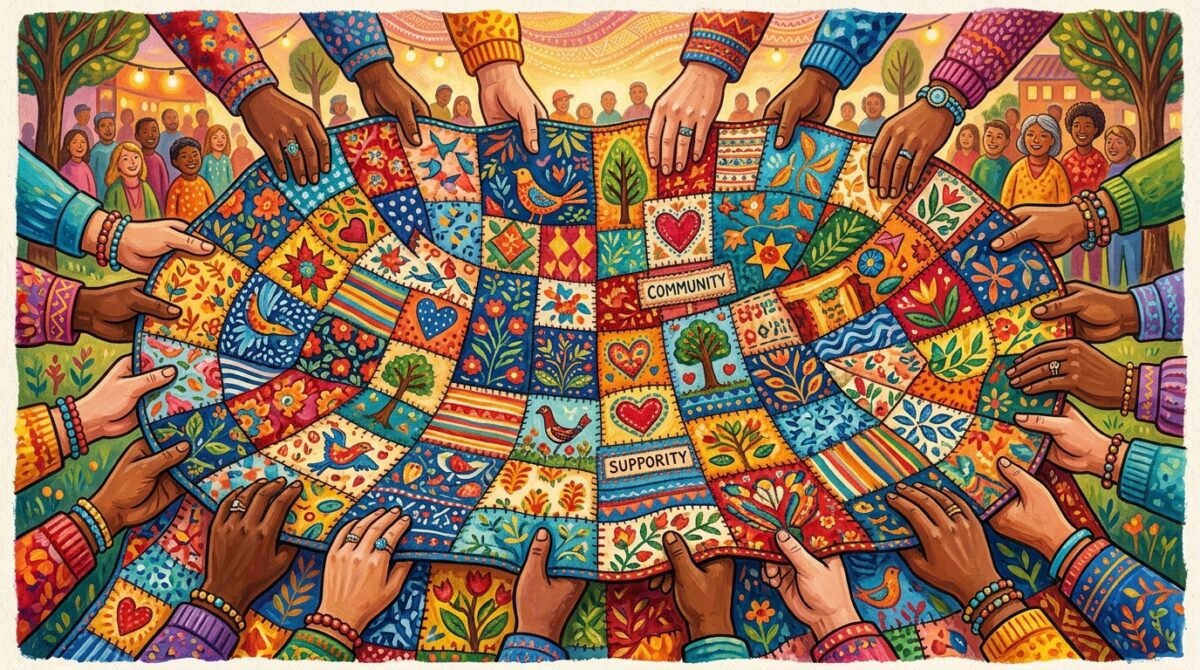
The Reddit thread has continued to grow, with people sharing their own stories of heirloom theft, boundary-violating stepparents, and the courage it takes to leave toxic environments. It has become a space of communal healing, where people can vent about the things they were told to ‘just get over.’ It’s a powerful reminder that our personal struggles are often part of a much larger, shared human experience.
Some users have shared stories of how they reclaimed their own heirlooms, or how they cut ties with family members who refused to respect their boundaries. It’s heartening to see that I’m not the only one who has had to make the difficult choice to walk away. The community has been a source of wisdom, providing me with resources and advice that I never knew existed, from how to handle legal aspects of inheritance to how to navigate the emotional complexities of estrangement.
“Thank you for sharing this. I’m currently dealing with something similar, and reading your story gave me the courage to finally set a boundary with my own toxic in-laws. It’s not easy, but reading about your strength makes me feel like I can do it too.”
— u/HopefulStranger, from the comments section
There have also been discussions about the dynamics of ‘blended families’ and the specific pressures they create. It’s a complex, often fraught topic, but talking about it openly is the first step toward understanding and, eventually, change. I’ve learned so much about the importance of communication, the necessity of clear boundaries, and the reality that sometimes, family isn’t about blood; it’s about respect and mutual support.
I’ve also been surprised by the number of people who have reached out to me directly, sharing their own stories of grief and loss. It’s been a privilege to be a part of their healing process, just as they have been a part of mine. We are all learning that it’s okay to grieve, it’s okay to be angry, and it’s okay to stand up for ourselves. We are all finding our own way, one step at a time.
The final takeaway from this experience, for me and for the thousands of people who have commented on the story, is that we are the final arbiters of our own lives. We decide what we keep, we decide what we discard, and we decide who we allow into our inner circles. It’s a heavy responsibility, but it’s also the greatest gift we can give ourselves. And I, for one, am finally using that gift.
Looking to the Future

The future, once a source of anxiety, now feels like a blank canvas. I am no longer defined by the expectations of a family that didn’t understand me, or the shadows of a past that was being erased. I am free to define my own path, to create my own traditions, and to surround myself with people who value me for who I am, not for what I can provide or how well I can perform for them.
I have started a new tradition for the holidays: instead of the high-pressure, formal dinners of my past, I spend the time with friends who have become my chosen family. We cook together, we share stories, and most importantly, we respect each other’s boundaries and histories. It’s a different kind of Christmas, but it’s one that brings me peace and joy, rather than anxiety and resentment.
I am also continuing my work on my mother’s legacy. I’ve started a small project where I document the stories behind the items she left me, ensuring that they are preserved for future generations. It’s a way to keep her memory alive in a way that is respectful and meaningful, and it’s a way to reclaim the history that was almost lost. It’s my way of saying that she matters, and that she will never be forgotten.
“Your strength in the face of such a blatant betrayal is truly inspiring. You haven’t just reclaimed a quilt; you’ve reclaimed your life. Keep going.”
— u/SupportiveSoul, in a personal message
I know that there will be challenges in the future. Life is never simple, and relationships are always a work in progress. But I now have the tools to handle whatever comes my way. I know how to set boundaries, I know how to listen to my own instincts, and I know how to value my own worth. And that, more than anything, is the most important lesson I’ve learned from this entire experience.
I am grateful for the journey, as painful as it was. It led me to where I am today, and for that, I am thankful. I am a different person than I was before that Christmas dinner—stronger, wiser, and more grounded in who I am. And I am ready for whatever the future holds, with my mother’s quilt draped over my shoulders, and my head held high.
Conclusion
The story of my Christmas dinner is not just a tale of a stolen quilt; it is a story of reclaiming one’s narrative in the face of systematic erasure. It serves as a reminder that we are the only ones who can truly protect the things that matter most—our history, our boundaries, and our dignity. If there is a moral here, it is that silence is the oxygen that feeds toxicity, and speaking up, even when it is terrifying, is the only way to breathe.
As I move forward, I am reminded daily that my mother’s legacy is safe. It is not in a closet, and it is not in the hands of those who would treat it as a triviality. It is with me. I have learned that while we cannot always choose the family we are born into, we can choose the family we keep. And sometimes, the most courageous thing we can do is to leave behind a place that no longer feels like home.
I invite you to share your own experiences in the comments below. Have you ever had to draw a hard line with family over a sentimental heirloom or a violation of your boundaries? How did you find the strength to stand your ground? Let’s discuss the weight of our histories and the courage it takes to carry them forward in a world that often demands we set them aside.
Poll: If you were in my position, would you have demanded the quilt back at the table, or would you have waited until after the dinner to confront them?
What's your verdict on this dilemma?
Vote below to contribute to the official community consensus.

Have a Dilemma Keeping You Up at Night?
Share your real-life feud, wedding chaos, or relationship crossroads anonymously with our editorial team.
What do you think ?
0 Comments🛡️ Comments are moderated to protect community integrity. Your comment will appear once approved by the editorial team.