
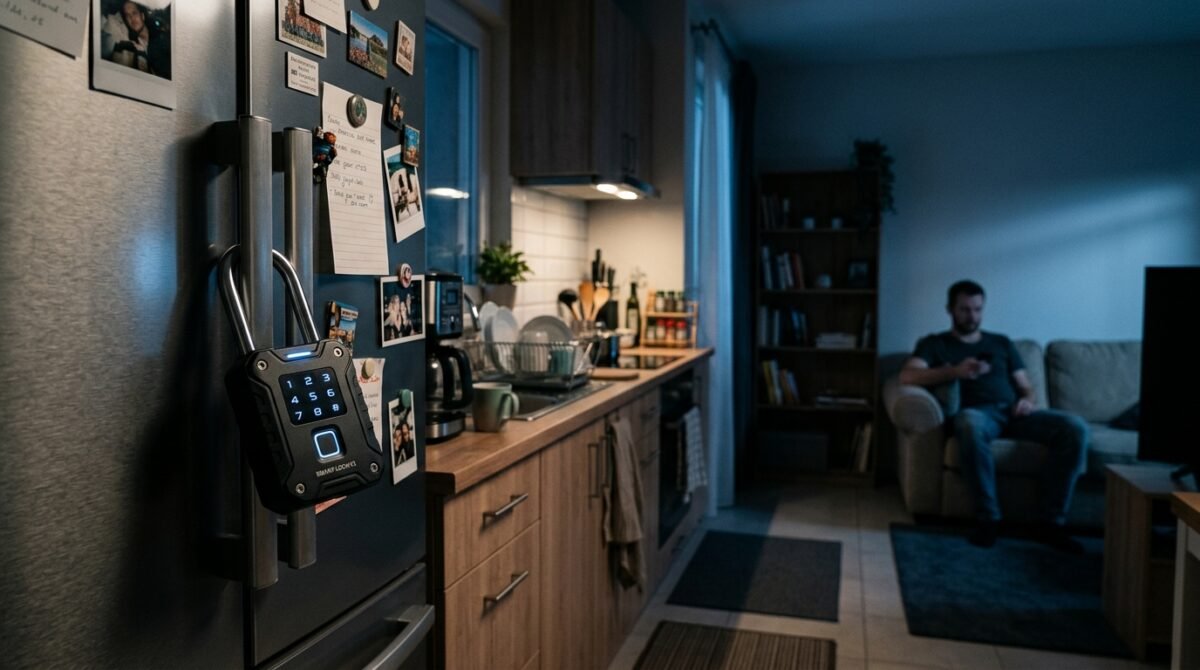
Living with a roommate is a delicate dance of shared expectations, cleanliness standards, and the silent, unspoken rule that your home should be your sanctuary. For three years, Sarah and I maintained a harmonious existence. We split the bills 50/50, honored each other’s quiet hours, and kept the common areas reasonably tidy. That equilibrium didn’t just happen; it was built on mutual respect and a clear lease agreement that we both signed with the understanding that this space was for the two of us, and us alone.
Everything changed when ‘Mark’ entered the picture. At first, he was just a weekend guest—the kind of harmless, occasional presence that you tolerate because you value your friend’s happiness. But then the weekends stretched into weekdays, and the guest towels never seemed to dry. Within a month, he had effectively moved in, bringing with him a mountain of laundry, an appetite that decimated our shared grocery budget, and a complete lack of ambition to find a job or contribute a single dime to the household expenses.
I tried the polite route. I initiated the ‘house meeting’ conversations, the subtle hints about shared utility costs, and the direct requests for him to be elsewhere during the workday. All of these were met with eye-rolls from Sarah and defensive posturing from Mark, who seemed to view our apartment as a luxury resort rather than a place of shared financial responsibility. The turning point came when I looked at our electric bill, which had doubled, and realized I was essentially subsidizing a stranger’s lifestyle while Sarah ignored my growing resentment.
The moral dilemma here isn’t just about the money; it’s about the erosion of consent in my own home. When a roommate unilaterally decides to change the occupancy of a space, they aren’t just bringing in a partner—they are bringing in a massive, uninvited burden. My decision to take drastic, petty, and highly public measures wasn’t born out of cruelty; it was the final, desperate attempt to reclaim my own life from people who assumed I would keep paying for their convenience indefinitely.
The Creeping Infiltration of the Living Room
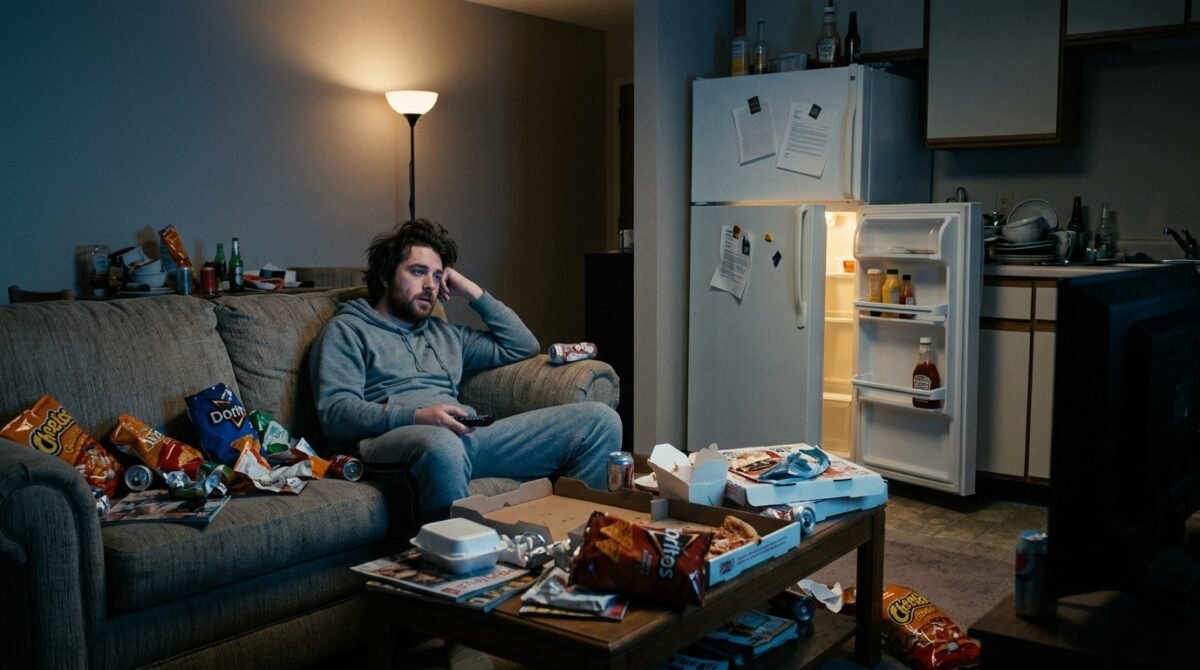
It started with a single toothbrush in the bathroom cup. Then, a pair of worn-out sneakers appeared by the front door, permanently blocking the entryway. Mark didn’t announce his residency; he simply seeped into the cracks of our apartment like water. He was always there, sprawled across the couch in his pajamas, watching reruns of reality shows while I tried to navigate the apartment after a grueling ten-hour shift at the office. The air in our home changed, shifting from a place of respite to a place where I felt constantly watched by an intruder.
I remember coming home on a rainy Tuesday to find him eating the last of my meal prep, a high-quality salmon dish I had meticulously portioned for the week. When I confronted him, his response was nonchalant, as if my kitchen were a communal buffet. Sarah’s reaction was even worse; she laughed it off, telling me I was being ‘uptight’ and that he was ‘going through a hard time’ with his career search.
“He’s just here until he finds a lead on a new job, Sarah. It’s been six weeks. My grocery bill is up by two hundred dollars. Does he not have a bank account, or are we just funding his entire existence now?”
The tension was palpable, yet Sarah refused to acknowledge the reality of the situation. She treated the apartment like it was hers to lease out, completely disregarding the fact that my name was on the lease alongside hers. The disrespect wasn’t just in the money spent, but in the blatant disregard for the boundaries we had established when we first moved in. I was no longer the primary tenant; I was an involuntary benefactor.
I began to track the expenses. Every time I bought milk, it was gone in two days. The heating was cranked up to seventy-five degrees while I was at work, and the internet connection was constantly lagging because Mark was streaming high-definition gaming sessions all day. The financial strain was beginning to impact my ability to save for my own goals, and the frustration was boiling over into every interaction I had with them.
I realized then that if I wanted change, I couldn’t rely on their sense of guilt. They had none. They were perfectly comfortable living off my hard work, and the only way to break the cycle was to make the environment so uncomfortable that their parasitic arrangement would become unsustainable. The plan began to form, not out of malice, but out of a desperate need to restore order to my home.
The Wi-Fi Password Pivot

The first blow was the most surgical. I held the account in my name for the high-speed internet, something I had been paying for willingly as it was my professional lifeline. One evening, after Mark spent three hours complaining that the connection was ‘too slow’ for his online competitive games, I decided I had reached my limit. I went into the router settings, changed the security credentials, and hit save. When he tried to log back in, the connection failed. He shouted from the living room, confused and agitated.
Sarah burst into my room, looking livid. She didn’t knock; she just stormed in, demanding to know what I had done. I sat there, calm as could be, looking up from my laptop. I didn’t try to hide it. I told her flatly that since Mark was using the bandwidth for his gaming sessions during work hours, he was now responsible for half the bill—and until that was paid, he didn’t have access. She looked at me as if I had committed a war crime.
“You’re seriously changing the password? This is insane. He’s my guest! You’re acting like a landlord, not a roommate. Put it back on right now or so help me, I will make this place miserable for you.”
I remained unmoved. I explained that guests don’t get to dictate the terms of my digital life. If they wanted the internet, they could pay the premium tier subscription, which was seventy dollars a month. Sarah stormed out, slamming the door so hard a picture frame fell off my wall. I didn’t care. For the first time in months, the apartment was quiet. Mark was forced to use his mobile data, which would surely run out within the week.
The silence that followed was blissful. I heard them whispering in the kitchen, plotting their next move, but I kept my door locked. I had set a precedent. I was no longer playing the role of the pushover. The fear of what I might do next hung in the air like a storm cloud, and for once, the power dynamic in the apartment shifted away from the entitled duo and back toward the person actually paying the rent.
I knew this was just the beginning. The internet was a small sacrifice compared to the true battleground: the refrigerator. They had been eating my food for weeks, and the time had come to put my nutrition under lock and key. I had already browsed online for security devices, and I was ready to escalate the conflict to a level they weren’t prepared to handle.
The Fridge Lockdown Strategy
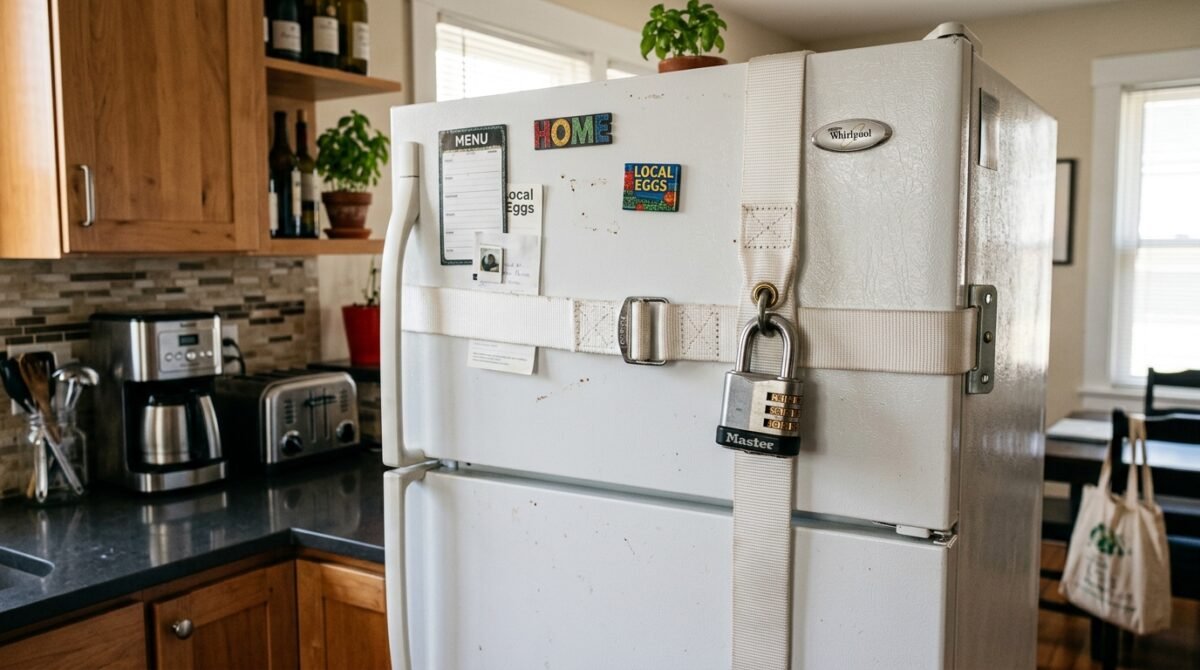
The next morning, I arrived home with a heavy-duty, combination-locked fridge strap. It was designed for parents who wanted to keep toddlers out of the food, but it worked perfectly for full-grown adults who behaved like toddlers. I installed it directly onto the refrigerator door. The mechanism was secure, sturdy, and entirely non-negotiable. I loaded my groceries into a specific shelf and locked it tight. The message was clear: if you didn’t buy it, you didn’t eat it.
When Sarah and Mark got back from the store—having bought nothing but snacks for themselves—they walked into the kitchen to find my padlock staring them in the face. The look of utter disbelief on Mark’s face was worth every cent I spent on the device. Sarah started screaming, threatening to cut the strap with a kitchen knife. I walked into the kitchen, leaned against the counter, and calmly pulled out my phone to record them.
“Go ahead, Sarah. Cut the strap. That’s property destruction, and I’ll have the police here in ten minutes to file a report. You think you’re above the rules? You’re not. This is my food. You have your own shelf, which is currently empty because you chose to spend your money on beer instead of dinner.”
The threat of legal involvement seemed to deflate them. They couldn’t believe I was actually doing this, but the evidence was right there in front of them: a locked fridge and a roommate who wasn’t blinking. They eventually retreated to their room, whispering angrily. I stood in the kitchen and cooked a full, delicious meal, the smell of garlic and roasted vegetables filling the room—a smell they were now excluded from.
It felt empowering to finally stand up for myself. I had spent months feeling like a guest in my own home, tiptoeing around someone else’s boyfriend. By locking the fridge, I wasn’t just protecting my groceries; I was protecting my sanity. The act was a physical manifestation of the boundary I had been trying to set verbally for weeks. It was a line in the sand, and I had drawn it with a heavy steel padlock.
The rest of the night was tense. Every time I went to the kitchen for water, I could hear them watching me through the crack in their bedroom door. They were hungry, they were annoyed, and they were completely out of options. For the first time, I felt like I was back in control. I had stripped away their ability to rely on me, and now they had to face the reality of their own incompetence.
The Passive-Aggressive Kitchen Warfare
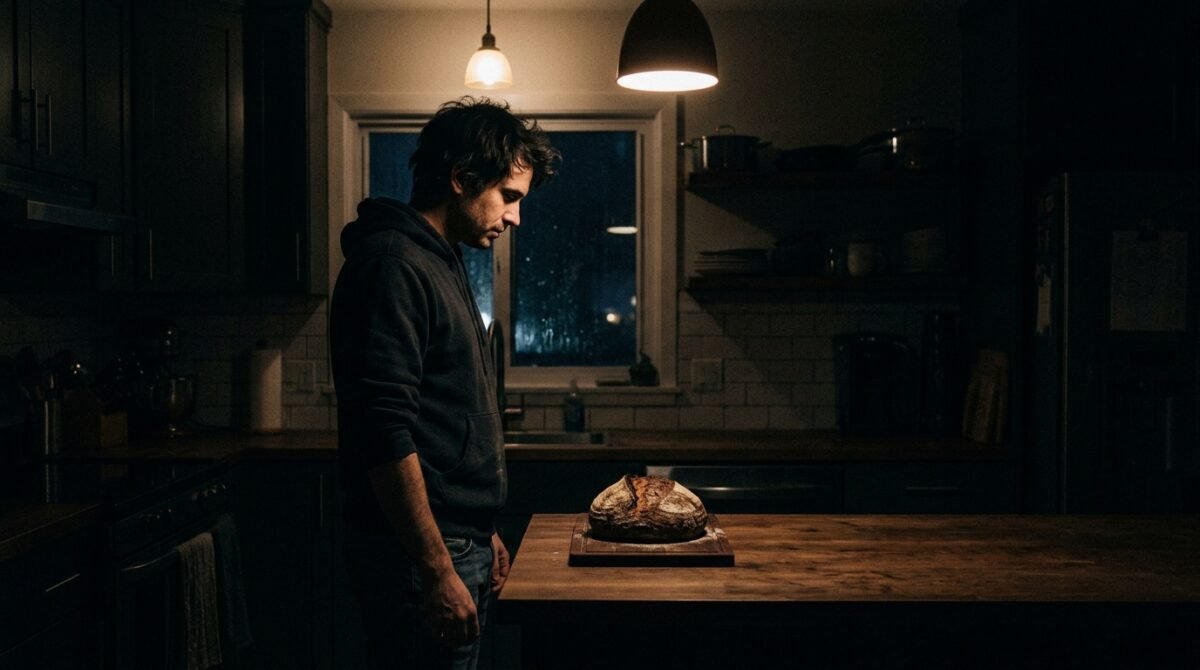
The following days were a study in pure, unadulterated petty warfare. I stopped leaving my dishes in the sink for even a minute. I cleaned the common area, took my things to my room, and left the shared spaces completely barren. It was a scorched-earth policy. If they wanted to live like animals, they could do it in a room that was entirely their own. The kitchen became a sterile environment, devoid of my personality and, more importantly, devoid of anything they could use or steal.
Mark tried to be clever. He started buying cheap, generic bread and leaving it on the counter, then ‘accidentally’ leaving the bag open so it would go stale quickly, hoping I would feel bad and offer some of my own. I didn’t. I watched him throw it away with a sense of grim satisfaction. He was clearly testing to see if I would blink, if I would eventually cave and say, ‘Oh, just have some of mine.’ I never did.
“Are you really just going to sit there and watch him starve? He’s clearly struggling, and you’re acting like some kind of monster. How can you be so cold-hearted over a few slices of bread and some milk?”
I looked at Sarah, who was trying to guilt-trip me while eating a protein bar she clearly hadn’t paid for. I told her that if Mark was ‘struggling,’ he should have been at an interview instead of playing video games. The ‘cold-hearted’ comment didn’t land because I knew that my empathy had been exhausted months ago. I had given them chances, and they had squandered every single one.
The tension grew so thick that the air in the apartment felt electric. Every time we crossed paths in the hallway, there was no conversation, just icy stares. I started playing loud, upbeat music in my room just to signal that I was perfectly happy without their company. I was living my life, working my job, and enjoying my own space, while they were trapped in a cycle of resentment and empty cupboards.
This was the price of their entitlement. They expected the world to hand them everything on a silver platter, and when I stopped doing it, they didn’t know how to cope. They thought they could shame me into submission, but they didn’t realize that the shame was entirely on them. They were the ones living for free, they were the ones who refused to work, and they were the ones who were now dealing with the consequences of their own actions.
The Uninvited Guest at the Front Door

Things escalated when I returned from work one evening to find a stranger in our living room—Mark’s friend. Apparently, since they couldn’t eat my food, they decided to start hosting social gatherings. There were three people sitting on the couch, drinking beer and laughing, clearly oblivious to the fact that they were in a space I paid for. I didn’t even take my coat off. I walked straight to the living room and stared at the group until the conversation died down.
Sarah looked at me with a mix of defiance and fear. She knew that today was not the day to mess with me. I didn’t even address the guest. I looked directly at Sarah and told her that I hadn’t agreed to house guests, especially when they weren’t contributing to the household. The friend, realizing the awkwardness of the situation, started to pack up his things, but I stopped him. I wanted them to know that this was my home too.
“I don’t know who you are, but you are currently trespassing in a home where you are not invited. Sarah, we need to talk. Right now. Clear the living room, or I’m calling the landlord to discuss the lease violation regarding unauthorized occupants.”
The threat of the landlord was the nuclear option. Sarah knew that our lease had a very strict clause about long-term guests and subletting. She also knew that if the landlord got involved, it wouldn’t just mean Mark being kicked out—it could mean both of us being evicted. She panicked, ushering the guest out the door with a flurry of apologies. As soon as the door closed, the real confrontation began.
She started crying, claiming that I was ‘ruining her life’ and that she was just trying to have a social life. I listened to her excuses, but they felt empty. She had been choosing to prioritize Mark’s comfort over our living situation for months. She had been choosing to let him mooch off me rather than having the difficult, necessary conversation with him about his behavior. She was the architect of her own misery.
I told her that my patience had run out. If she wanted to host, she could get her own place. If she wanted to support a boyfriend, she could pay for his rent. But she was not going to do it in my home with my money. The apartment was going to return to a state of order, or I would take steps to make sure it did. The power shift was complete, and she finally looked like she understood that the game was over.
The Reddit Community Weighs In
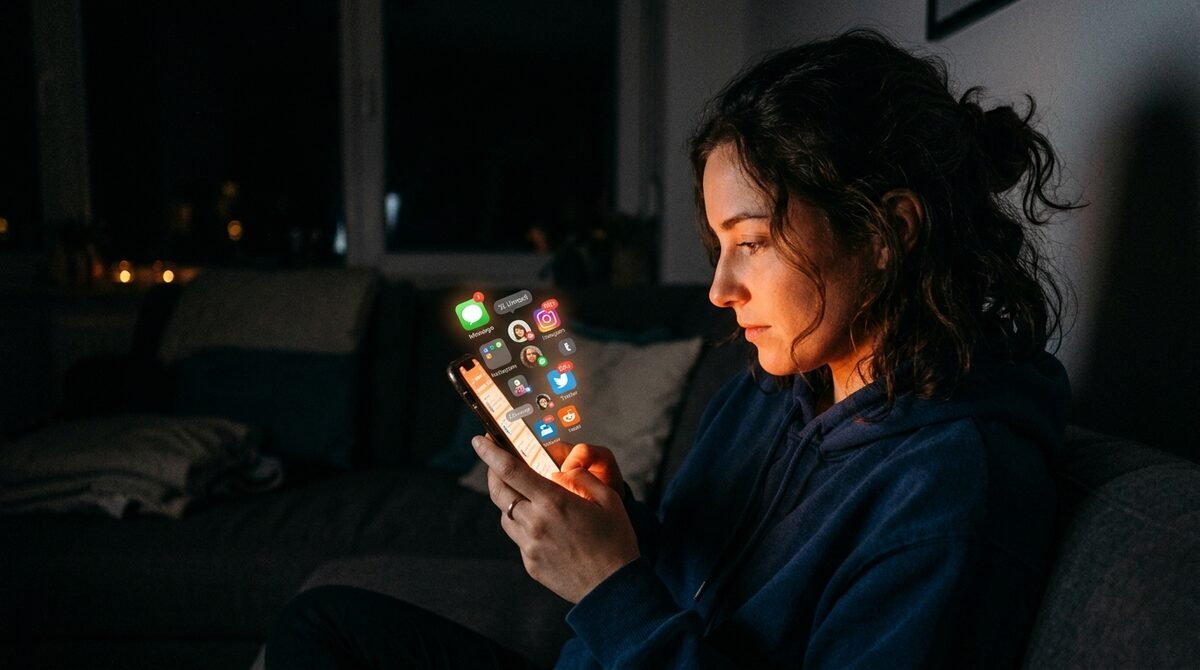
That night, I posted the full story on a popular forum, venting my frustrations to the strangers of the internet. I was honestly expecting to be told I was being too petty, but the reaction was overwhelmingly in my favor. Thousands of people reached out to tell me that I was setting a necessary boundary and that I was actually being too lenient. The support was a validation of everything I had been feeling for months.
“You are not the asshole here. Your roommate is using you as a financial crutch. The padlock on the fridge is a stroke of genius. Don’t back down. If she wants to play house, she can do it somewhere else with her own budget. You’re teaching them a lesson they should have learned years ago.”— u/RoommateJustice, 32.5k upvotes
Other users shared similar stories of ‘deadbeat’ roommates and the long-term emotional toll of being taken advantage of. It was comforting to know that I wasn’t alone in this, and that the feelings of resentment I had were a natural reaction to a toxic environment. Many users provided practical advice on how to handle the lease, how to document the ‘guest’ issue for the landlord, and how to prepare for the inevitable explosion when I finally demanded they leave.
The community was a sounding board for my sanity. They reminded me that I had a right to my own space and that protecting my resources wasn’t ‘cruel’—it was responsible. The discourse helped me realize that the ‘guilt’ I felt was just emotional manipulation by Sarah and Mark. They wanted me to feel bad so I would continue to subsidize them. Once I recognized that, the guilt vanished, replaced by a resolve to protect my own interests.
I spent hours reading the comments, realizing that there was a whole community of people who had been through the same thing. The validation gave me the courage to continue the lockdown, to keep the Wi-Fi protected, and to continue demanding that Mark pay his share or leave. It turned a private, isolating struggle into a shared human experience, and it made me feel like I was actually capable of winning this fight.
The internet taught me one thing: people will treat you exactly as you allow them to. If you allow yourself to be a doormat, people will walk all over you. But if you stand up for yourself, even in a small, petty way, you force a re-evaluation of the power structure. The support I received was the fuel I needed to keep going through the final stages of this conflict.
The Landlord’s Letter of Inquiry
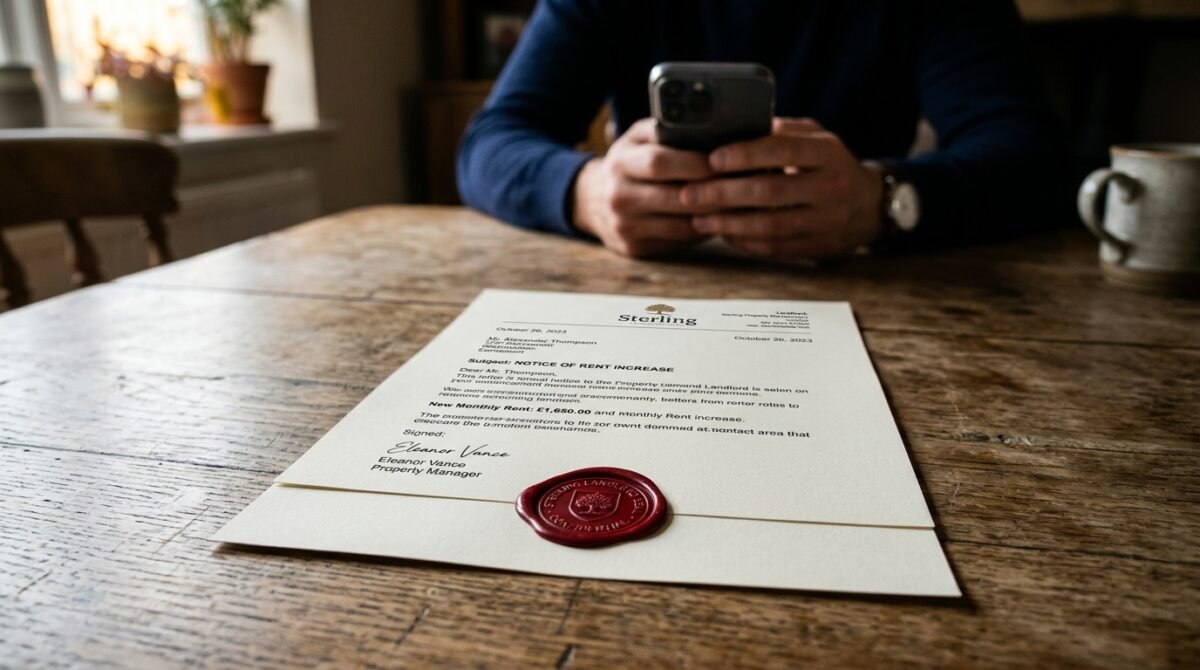
The situation took an unexpected turn when I decided to take the advice of the Reddit community and contact our landlord. I didn’t want to be the ‘tattletale,’ but I was desperate for a resolution. I sent a formal email asking about the policy regarding long-term guests and utility splitting for additional occupants. I didn’t mention names, just posed it as a hypothetical question, but the landlord knew exactly what was going on. A week later, a formal letter arrived for both of us.
The letter stated that the apartment was only licensed for two occupants and that any additional, unlisted long-term residents would constitute a lease violation. It also mentioned that utility charges were based on occupancy and that any significant increase would be audited. Sarah turned white when she read the letter. She knew that her secret had been exposed to the one person who could actually force Mark out.
“Did you send an email to the landlord? You really went behind my back? You’re trying to get us evicted over this? Do you have any idea how much this is going to cost us if we have to move out because of your pettiness?”
I looked at her, completely unfazed. I told her that I wasn’t the one who violated the lease—she was. I told her that if Mark had been contributing fairly and respecting the rules, the landlord would never have needed to get involved. I reminded her that this was a result of her own actions, not my ‘pettiness.’ The fear on her face was real this time; she realized she was on the verge of losing the apartment.
She started scrambling, trying to figure out how to hide Mark’s presence for the next inspection. But it was too late. The landlord had already heard whispers from the neighbors, and he was coming for an unscheduled ‘maintenance check.’ The panic in the apartment was palpable. Mark, for the first time, seemed to realize that his free ride was coming to an end. He started talking about looking for a job, but it was far too little, too late.
I felt a strange sense of calm. I had done the right thing, not just for myself, but for the integrity of the lease. I wasn’t trying to get them evicted; I was trying to force them to be accountable. If they couldn’t or wouldn’t step up, then they didn’t deserve to stay. The power had officially shifted, and for the first time, Sarah wasn’t the one in control—the reality of her situation was.
The Great Departure
Within a month, the inevitable happened. Mark couldn’t afford to live anywhere else, and Sarah realized she couldn’t afford the rent on her own if the landlord evicted them both for violating the lease. She had to make a choice: protect her relationship with Mark or protect her living situation. To my surprise, she chose the apartment. She told Mark he had to move out. The final week was filled with awkward packing and even more awkward silences.
I stayed in my room for most of it, not wanting to deal with the fallout. I could hear them arguing in the living room, the sounds of their relationship collapsing under the pressure of real-world responsibilities. It was a somber end to a situation that could have been handled so differently if they had just been honest with me from the start. But they chose to use me, and they paid the price.
“I hope you’re happy. You got exactly what you wanted. You destroyed my relationship and made us both miserable. I hope it was worth it for your stupid Wi-Fi and your locked fridge.”
I stood in the doorway as Mark hauled his last box out the door. I looked at Sarah and said, ‘I didn’t destroy anything. I just stopped enabling you.’ It was the truth. Their relationship was built on a foundation of convenience, and once that foundation was removed, it couldn’t stand on its own. I felt no guilt, only a profound sense of relief that I could finally be at peace in my own home again.
After Mark left, the apartment felt empty, but in a good way. The air was clean, the kitchen was mine again, and the stress that had been sitting on my shoulders for months finally evaporated. Sarah didn’t speak to me for weeks, but I didn’t care. The peace was worth the silence. I spent the next weekend deep-cleaning everything, reclaiming the space, and finally, for the first time in a long time, I felt at home.
The lesson was clear: boundaries aren’t just suggestions; they are the bedrock of any healthy relationship. By enforcing mine, I had saved myself from a downward spiral of resentment and financial strain. It was a difficult lesson for everyone involved, but it was necessary. I moved forward with a newfound confidence in my ability to stand up for myself, no matter how uncomfortable the confrontation might be.
Reflecting on the Unintended Costs
In the aftermath, I had time to reflect on the cost of the entire ordeal. I had lost a friend in Sarah, and I had spent months in a state of high anxiety. Was it worth it? Absolutely. The alternative would have been to continue living in a state of subordination, watching my resources be drained and my home be occupied by someone who didn’t respect me. I had reclaimed my space, but I had also learned a lot about the people I chose to surround myself with.
I realized that Sarah had never been a true friend; she had been someone who valued me only as long as I was useful to her. When I stopped being useful, the ‘friendship’ fell apart. That was a painful realization, but it was an important one. It helped me re-evaluate my circle and recognize the difference between genuine support and transactional relationships. I now look for friends who respect my boundaries from the start, rather than waiting for me to be pushed to the brink.
“You know, I thought it was just about the Wi-Fi. But it was never about the Wi-Fi. It was about the fact that they never asked. They just took. And once I stopped letting them take, they showed me who they really were.”
I also realized the importance of living alone or with people who share the same values regarding financial and personal responsibility. The stress of the last year was a wake-up call to be more selective about my living arrangements in the future. I am now in a much better place, both mentally and financially, and I have a much clearer understanding of what I will and will not tolerate in my personal space.
The ordeal changed me. I am more cautious, more guarded, and perhaps a bit more cynical, but I am also much more confident in my own voice. I don’t apologize for my boundaries anymore, and I don’t feel the need to explain them to people who aren’t willing to respect them. I’ve learned that the only person responsible for your happiness and your peace is you.
As I sit here in my quiet apartment, drinking a glass of water that I didn’t have to fight to keep, I know I made the right decision. It wasn’t the easy way, and it certainly wasn’t the kindest way, but it was the only way to save myself from the slow rot of resentment. And in the end, that is all that matters.
Lessons Learned from the Kitchen Lockdown
If there is one thing I’ve learned, it’s that boundaries are not a sign of aggression; they are a sign of self-respect. When I started locking the fridge, I wasn’t being aggressive—I was protecting my property. When I changed the Wi-Fi password, I was protecting my utility. These weren’t acts of petty revenge; they were necessary responses to a situation where my own rights were being trampled. And if you find yourself in a similar situation, remember that you have the right to say no.
Don’t be afraid to be the ‘bad guy’ in someone else’s story if it means being the hero in your own. People who want to take advantage of you will always call you ‘selfish’ or ‘cold’ because that’s the only way they can manipulate you back into the position they want you to be in. Ignore them. Their opinions are not your reality. Your peace of mind is worth more than their convenience.
“The most important thing I realized is that you don’t owe anyone your resources just because you share a lease or a friendship. You are an individual with your own needs and your own limits. Never let anyone make you feel bad for enforcing them.”
Always document everything. If you are dealing with a roommate issue, keep records of the utility bills, the guest visits, and the conversations you’ve had. If it ever comes to a lease dispute, you will be glad you have the evidence. It’s not about being litigious; it’s about being prepared and protecting your investment in your own life. You are the architect of your environment, so build it well.
Finally, trust your gut. If something feels off, it probably is. If your roommate starts bringing in more people, or if the expenses start climbing without explanation, address it immediately. Do not wait for it to become a crisis. Small, early boundaries are much easier to enforce than large, late-stage ultimatums. I learned that the hard way, but I hope you don’t have to.
I am moving forward now with a clear head and a new roommate who understands and respects the boundaries we both set. We communicate openly, we split expenses fairly, and we both value the peace of our home. It’s a completely different experience, and I owe it all to the fact that I finally learned how to stand up for myself.
Conclusion
My journey from a resentful, exploited roommate to a empowered, boundary-setting individual was not easy, but it was necessary. The experience taught me that we are responsible for our own happiness, and that sometimes, that requires making tough choices and standing up to those who take us for granted. The padlock on the fridge and the Wi-Fi password change were just symbols of a much larger shift: I finally learned to put myself first.
For those of you who might be reading this while dealing with your own ‘Mark’ or ‘Sarah,’ know that you are not alone. You have the right to a home that is safe, quiet, and yours. You don’t have to apologize for existing in your own space, and you don’t have to subsidize the lives of people who don’t respect you. Take the step, set the boundary, and reclaim your peace.
What about you? Have you ever had to resort to ‘petty’ measures to regain control of your home? Share your stories below—let’s discuss the reality of living with others and how we can all find the courage to protect our boundaries.
What's your verdict on this dilemma?
Vote below to contribute to the official community consensus.

Have a Dilemma Keeping You Up at Night?
Share your real-life feud, wedding chaos, or relationship crossroads anonymously with our editorial team.
What do you think ?
0 Comments🛡️ Comments are moderated to protect community integrity. Your comment will appear once approved by the editorial team.