

We had spent three years saving every penny for this moment. The ‘forever home’ in the suburbs, the one with the wrap-around porch and the room we had already decided would be the nursery, was finally within our grasp. I had worked double shifts at the clinic, and Mark, my husband of five years, claimed he was aggressively paying down his student loans to get our debt-to-income ratio pristine. We were a team, or so I believed, building a foundation upon the bedrock of complete financial transparency.
The morning of the closing, I felt a sense of buoyancy that I hadn’t felt in months. We were dressed in our best, ready to sign our names to a future that felt secure and earned. I held the keys to our current rental in my hand, anticipating the moment I would hand them over to the landlord. My heart was racing, not with nerves, but with the pure, unadulterated joy of achieving the classic American dream with the man I loved most in the world.
But the atmosphere shifted the moment we stepped into the attorney’s office. The air felt sterile, heavy with the scent of old paper and legal threats. Our real estate agent was already there, smiling, but Mark was avoiding eye contact. He kept shifting in his seat, his leg bouncing with a frantic, rhythmic intensity that set my own pulse on edge. I brushed it off as pre-closing jitters, unaware that the foundation of my life was about to crack wide open.
When the lead attorney pushed the final disclosure document toward us, the words on the page didn’t make sense. It wasn’t just the mortgage terms; it was a mandatory credit-check addendum triggered by a late-stage lien filing. As I scanned the text, the figure of $120,000 appeared in bold, glaring red ink. My eyes darted to the source: a series of delinquent unsecured loans, all linked to high-stakes online sports betting accounts. The silence in the room suddenly became deafening.
I looked over at Mark, expecting an explanation, a joke, anything that would make the nightmare dissipate. Instead, I saw a man who had been hollowed out by his own deception. The betrayal wasn’t just in the money—it was in the years of quiet, calculated lies that had allowed him to build a life on a house of cards while I was the one keeping the lights on. In that instant, the home we were buying vanished, replaced by the reality of a marriage that had been a facade all along.
The Silence That Shattered The Room
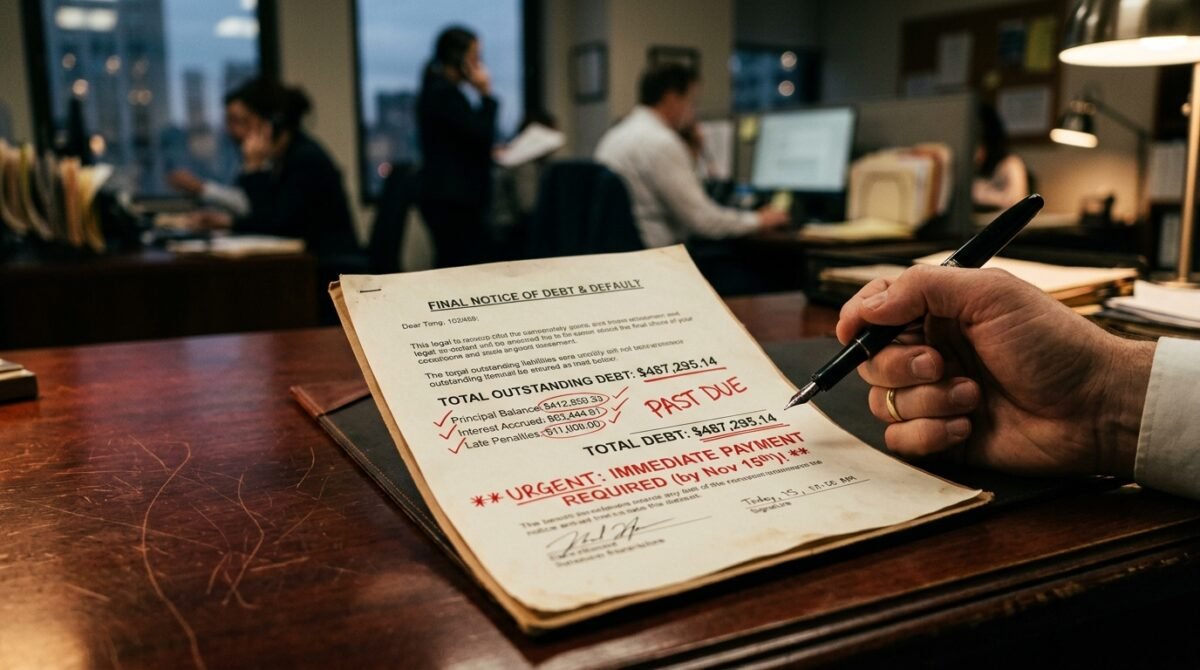
The attorney’s office was quiet enough that I could hear the hum of the air conditioner. I pushed the document across the mahogany table toward Mark, my hands shaking so violently that the paper rattled against the wood. My voice, when I finally spoke, was barely a whisper. I asked him what the number meant, hoping against all reason that there was some simple, clerical error—perhaps a mix-up with someone else’s social security number or a banking glitch.
Mark didn’t look at me. He stared at the water pitcher on the table, his face turning an ashen shade of gray that I had never seen before. He opened his mouth, closed it, and then finally let out a long, shuddering breath. The air in the room felt thick with the weight of his confession before he even uttered a single word. The attorney shifted uncomfortably, sensing that the transaction we were meant to finalize was dying in real-time.
“Mark, why is there a hundred and twenty thousand dollars in gambling debt listed under your name? And why is it attached to the lien on this house? Tell me the truth, right now.”
— Me, at the signing desk
He finally met my eyes, and the desperation in his gaze was enough to turn my stomach. He started rambling, talking about ‘getting back on track’ and ‘a streak that was bound to break.’ It wasn’t an apology. It was a justification, a desperate attempt to frame his addiction as a strategic investment that just hadn’t panned out yet. He told me he had been trying to fix it for months, hoping to double the down payment before we reached the closing date.
The absurdity of it was staggering. He had been gambling away our future while I was working extra shifts to ensure we hit our savings goal. I looked at the lawyer, who looked just as horrified as I felt. There was no ‘fixing’ this. There was no ‘moving forward’ with the purchase. The bank wouldn’t approve the loan with that kind of debt, and frankly, my trust had evaporated entirely. I stood up, my chair scraping harshly against the floor, and grabbed my purse.
I remember the feeling of the heavy brass door handle in my hand. I didn’t scream, I didn’t throw a scene, and I didn’t demand an immediate breakdown of every transaction. I felt a strange, cold clarity take over. The life I thought I was living was a complete illusion, and every second spent in that office was a second I was throwing away on a man I didn’t actually know. I walked out into the bright afternoon sunlight, and for the first time in five years, I felt completely alone.
The Financial Excavation Process
When I finally got back to our apartment—the place we were supposed to be leaving behind that very afternoon—the silence was even more oppressive. I sat at our kitchen table with my laptop, determined to see just how deep the rabbit hole went. I knew Mark’s common passwords, and I felt no guilt in accessing his accounts. I had been a victim of his financial infidelity for years, and I had every right to see the full extent of the damage he had done to our collective future.
It wasn’t just the $120,000. It was the trickle of smaller amounts over two years—transfers to offshore betting sites, credit card advances, and even a secret withdrawal from our ’emergency fund’ that I had been told was sitting in a high-yield savings account. He hadn’t just been gambling; he had been stealing from me, bit by bit, disguised as ‘unexpected repairs’ or ‘inflation costs’ that I had blindly accepted because I trusted him.
I found a spreadsheet he had kept—not of the gambling losses, but of the ways he had manipulated our monthly budget to cover the interest payments. He was essentially playing a shell game, moving money between accounts to keep the credit scores high enough to qualify for the mortgage. It was a level of premeditated deception that took my breath away. He was a master of performance, projecting the image of a stable, hardworking husband while his internal life was a collapsing catastrophe.
“I was doing this for us. I wanted to give you the life you deserve. If I had just won that one big parlay on Sunday, we would have been debt-free and paid for the house in cash. It was so close.”
— Mark, during our frantic phone call later that evening
I realized then that he didn’t even understand the gravity of his actions. He still framed it through the lens of ‘almost winning.’ That was the true addiction—the belief that the next bet would fix the wreckage of the last ten. My sympathy for him evaporated, replaced by a cold, hard resolve to separate my finances from his before he could drag me down into his personal bankruptcy.
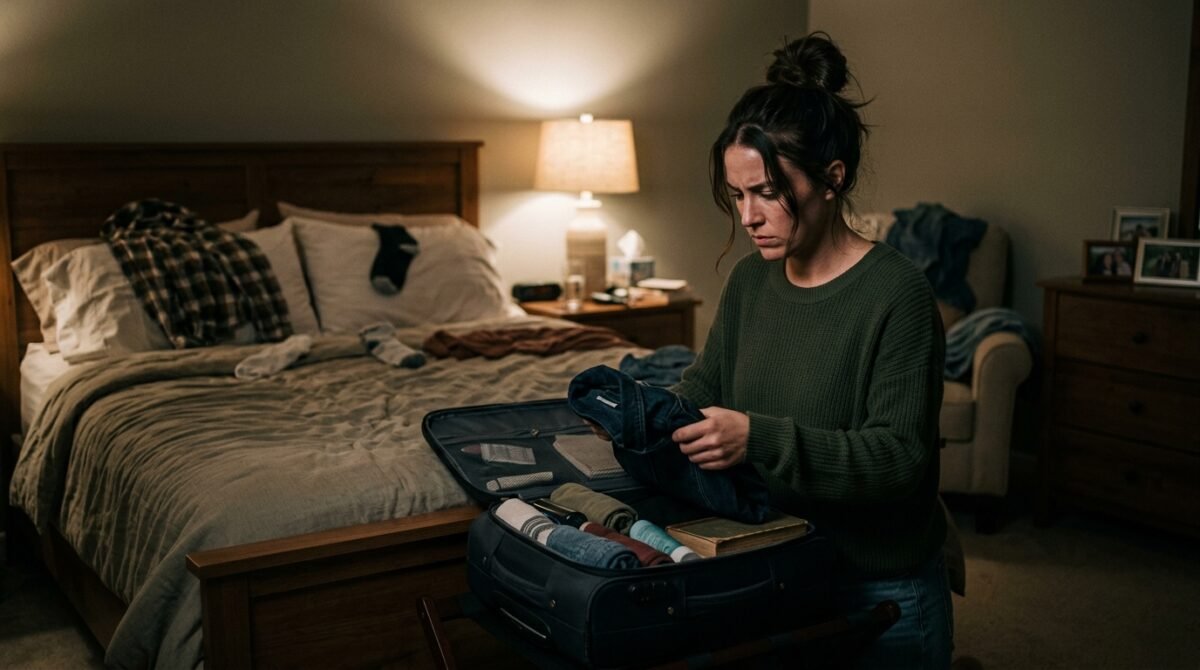
I called my sister, who arrived within the hour. She was the one who helped me pack a suitcase, not with tears, but with a clinical efficiency that saved me from breaking down. We moved my most important documents, my savings, and my sanity into her car. As I left, I left my keys on the counter—the keys to the home I had just walked away from and the keys to the life I had just realized was a lie. I didn’t look back.
The Inevitable Fallout

The next forty-eight hours were a blur of bank calls, credit freezes, and legal consultations. I had to speak with a divorce attorney, a process that felt surreal given that we had been picking out curtains for our new living room just forty-eight hours prior. The lawyer explained that because we were legally married, his debts were his, but the damage he had caused to our combined credit report would take years to repair. It was a financial hostage situation I hadn’t agreed to participate in.
Mark called, texted, and even showed up at my sister’s house, but I refused to see him. I wasn’t interested in his apologies, which were always followed by excuses or pleas for me to ‘come home and talk it out.’ He didn’t want to talk; he wanted to guilt-trip me into helping him fix the mess he created. He was like a drowning man trying to pull his rescuer down with him, and I refused to be the one who drowned.
I finally decided to address his parents. I didn’t want to be the villain, but I needed them to know why I had left. I sent them a brief, factual email detailing the debt and the fact that I had left the marriage. Their response was a mix of shock and, surprisingly, a bit of defensiveness. They suggested that perhaps I was being ‘too harsh’ and that ‘everyone makes mistakes,’ which only reinforced my decision to cut ties completely.
“Mark is suffering from a disease. He needs support, not abandonment. You vowed for better or for worse. Are you really going to walk away when he is at his lowest point?”
— Mark’s Mother, in an email response
That email was the final straw. It confirmed that he had been playing the victim with his own family, painting me as the cold-hearted wife who left him during a health crisis. The gaslighting was so ingrained in his family dynamic that they couldn’t even see the reality of the theft he had committed against me. I didn’t reply. I just forwarded the email to my attorney and blocked their numbers.
The isolation was hard, but it was also liberating. I stopped checking my phone for his messages. I stopped wondering if he was okay. I started focusing on my own recovery, realizing that my life was my own again. The sense of relief I felt when the divorce papers were finally filed was overwhelming. I wasn’t just losing a husband; I was reclaiming my agency and my future, one step at a time.
The Reddit Trial: How the Community Reacted

When I finally posted my story on a popular forum, I expected some backlash. I expected people to tell me that marriage is ‘for better or worse’ and that I should have stayed to help him through his addiction. But the response was overwhelmingly supportive, to a degree that I hadn’t anticipated. It was as if thousands of strangers had been waiting for someone to validate their own experiences with financial betrayal.
The comments section became a space for people to share their own stories of gambling, secret debts, and the slow, painful realization that the person they loved had been lying to them for years. It was a digital support group, a reminder that I wasn’t crazy for leaving, and that my reaction wasn’t just rational—it was necessary for my own survival. The validation helped soothe the lingering guilt I felt about leaving him in his crisis.
“NTA. Financial infidelity is every bit as damaging as physical cheating, if not more so because it destroys your security and your future. He didn’t just ‘make a mistake’; he made a series of calculated choices to lie to you for years. You saved your own life by leaving when you did.”
— u/FinanceTruthSeeker (Top Comment, 32.1k upvotes)
Some users provided legal advice on how to protect my assets and ensure that his debts didn’t become mine. They pointed out the red flags I had missed—the ‘business trips,’ the defensive reactions when I asked about money, the way he always insisted on handling the accounts himself. It was a masterclass in recognizing the signs of coercive financial control, something I hadn’t even known the name for until that day.
Others were more blunt. They reminded me that an addict will only stop when they hit rock bottom, and by staying, I was only delaying his bottom while destroying myself. It was the harsh truth I needed to hear. The community didn’t just pat me on the back; they held up a mirror to the situation and helped me see that I had made the only decision that allowed for a healthy future.
The thread became a viral sensation, but I didn’t care about the fame. I cared about the fact that I wasn’t alone. I spent hours reading the stories of others, finding strength in their resilience. We weren’t just victims; we were survivors who had the courage to walk away from a life that was built on a foundation of sand. The internet, for once, felt like a place of genuine connection and honest, raw truth.
The Legal Reality: Untangling the Mess
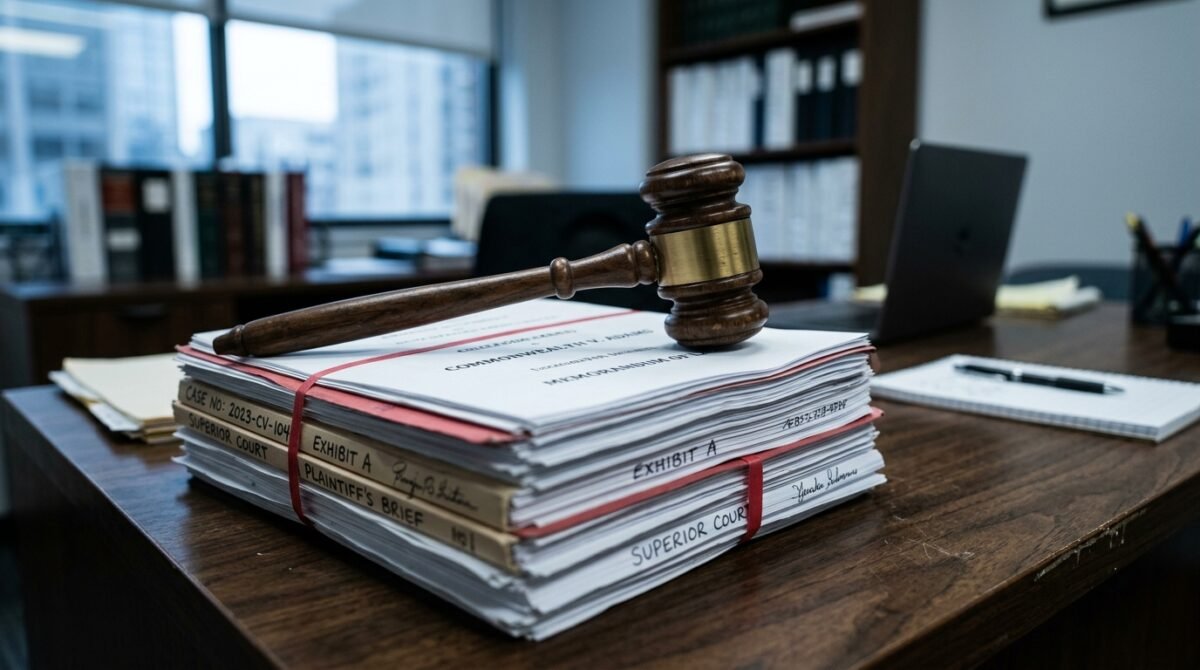
The months that followed were a cold, calculated slog through legal bureaucracy. My attorney was excellent, but the sheer amount of documentation required to disentangle my assets from his was staggering. We had to prove that the funds he had stolen were indeed my separate property, inherited or earned before our marriage, and that I had no knowledge of his gambling activities. It was like trying to separate salt from water after it had already been dissolved.
I had to provide years of bank statements, tax returns, and emails. Each document was a painful reminder of the life I had lost, the trust I had misplaced, and the deception that had been happening right under my nose. There were moments when I felt like I was reliving the trauma, but each time I felt the weight of the past, I reminded myself that I was building a future that belonged entirely to me.
Mark tried to contest the division of assets, claiming that we were a team and that everything should be split equally, including his debt. The audacity was, frankly, breathtaking. He wanted me to share the burden of his gambling losses because we were ‘partners.’ My attorney didn’t even dignify the request with a long response; she just sent over the mountain of evidence showing that the debts were incurred through fraudulent transfers from my accounts.
“My client is not responsible for your gambling habits. If you attempt to link your personal debt to her assets again, we will file a formal motion for financial harassment and pursue all available legal remedies for the theft of funds.”
— My Attorney, in a letter to Mark’s legal counsel
The threat of further legal action shut him up, at least temporarily. He eventually signed the settlement, though not without making a few more pathetic attempts to reach out. I didn’t respond to any of them. I was focused on the end goal: complete financial separation and the finalization of the divorce. I wanted my name to be legally divorced from his, and for the debt to remain exactly where it belonged: on his shoulders.
By the time the final decree was signed, I felt like a weight had been lifted from my shoulders that I hadn’t even realized I was carrying. I was back at my old apartment, which I had finally signed a lease for in my own name, and I felt a sense of peace that was entirely new. I was broke, in terms of the savings I had lost, but I was debt-free, and most importantly, I was free of the man who had tried to define my reality.
Reflections on Financial Infidelity

Looking back, I realize that the most dangerous aspect of the betrayal wasn’t the money itself, but the way it eroded my self-worth. I spent months questioning my own intuition, wondering if I had been too controlling or if I had missed signs that I should have seen. I had allowed him to make me feel like I was the one who didn’t ‘understand’ his ‘business investments.’ That is the psychological toll of financial abuse—it makes you doubt your own perception of reality.
I’ve learned that transparency is the most important component of a healthy partnership. It’s not about having joint accounts or sharing every password, but about having a culture of honesty regarding financial decisions. If there is even a hint of secrecy, that is where the danger lies. A healthy relationship should be able to withstand the scrutiny of a budget review; if it can’t, there is a fundamental issue with trust that needs to be addressed immediately.
I also learned that addiction is a powerful force, but it does not excuse the harm it causes to others. I used to think that I was being ‘supportive’ by keeping the peace and not asking too many questions, but I see now that I was enabling him. By protecting his secret, I was protecting him from the consequences of his actions, and in the process, I was destroying myself. I had to learn to be ‘selfish’ in the most healthy sense of the word.
“The moment you realize that your partner’s behavior is destroying your life, you are no longer in a relationship. You are in a hostage situation. Don’t wait for the ‘right time’ to leave. There is no right time to escape a sinking ship.”
— My personal mantra during the recovery process
I’m still recovering, both financially and emotionally. The savings I lost will take years to rebuild, and the trust I had in humanity has been shaken. But I am grateful for the lesson. I am a more cautious, more discerning, and more independent person than I was before. I know now that I don’t need a partner to be complete, and I certainly don’t need a partner who views my life as a source of capital for their own failures.
I have moved on. I focus on my work, my friends, and my own goals. I still have the occasional bad day, the occasional flare of anger or sadness, but they are fleeting. The life I have now is small, but it is mine. It is authentic, it is honest, and it is built on a foundation that I trust completely. That is a luxury that no amount of money could have bought me.
The Aftermath: Rebuilding From Ground Zero

Rebuilding my life from scratch wasn’t just a financial challenge; it was a psychological one. I had to change everything—my routines, my spending habits, and even the way I thought about the future. For a long time, I had lived in a state of ‘future-proofing,’ constantly saving and planning for a life that turned out to be a hallucination. Now, I had to learn to live in the present, focusing on what I had right in front of me.
I started working even harder, taking on additional projects at the clinic. It was draining, but it gave me a sense of control that I had been lacking. Every paycheck was mine, every decision was mine, and every dollar I saved was for my own security, not for someone else to gamble away. It was a humble, quiet life, but it was the most stable I had felt in years. I began to trust myself again, little by little, acknowledging that my survival instincts had been spot on when I walked away.
My social life also underwent a transformation. I reconnected with friends I had neglected while I was busy trying to ‘fix’ my marriage. They were surprised, then supportive, and eventually, they became my safety net. Having a community that saw me, not as the ‘wife of a gambler’ but as an individual with my own struggles and triumphs, was essential for my healing. I stopped being the ‘supportive wife’ and started being myself again.
“You have a brightness in your eyes that I haven’t seen in years. It’s like you were walking through fog, and it finally cleared. I don’t know what happened, but I am so happy to have you back.”
— My best friend, over coffee
I also started seeing a therapist who specialized in trauma and financial abuse. She helped me realize that the guilt I felt wasn’t mine to carry. It belonged to the man who had lied to me, stolen from me, and betrayed the most basic tenets of our vows. She taught me to reframe the story—I wasn’t the woman who ‘failed’ to keep a marriage together; I was the woman who had the strength to end a cycle of abuse.
Today, I am in a much better place. I have rebuilt a decent portion of my savings, I have maintained my credit, and I have found a sense of joy in the small things—a quiet morning, a good book, the freedom of a day off without the stress of managing someone else’s chaos. I am not wealthy, but I am free, and that is a currency I value far more than any bank account balance I might have had in the past.
Letters I Never Sent

In the early days of my separation, I wrote a lot of letters. They were raw, angry, and sometimes incoherent, filled with the questions I never got to ask and the accusations I never got to make. I never sent them, of course. That was the point. They were a way for me to purge the toxicity from my system without engaging in the drama of a back-and-forth that would only serve to keep me tethered to the past.
I wrote about the way he looked when he lied, the way he would change the subject when I asked about the mortgage, and the way he made me feel like I was the unreasonable one for wanting transparency. I wrote about the specific dates of his betrayals, the ones I uncovered in the bank statements, and the way it felt to see my own money being siphoned off for his addiction. It was a digital archive of my own heartbreak, a record of the evidence that he was never the man I thought he was.
I also wrote about the things I missed—not the person, but the idea of the person. I missed the comfort of a shared life, the intimacy of a long-term connection, and the hope that we were going to build something beautiful together. I mourned the loss of the dream as much as I mourned the loss of the man. It was a necessary part of the grieving process, letting go of the illusions I had cherished for so long.
“I don’t hate you anymore. I just feel pity. You traded a life of genuine connection for the cheap, fleeting thrill of a bet you could never win. You are the architect of your own ruin, and I am the only one who realized it was time to leave the building.”
— An excerpt from one of my unsent letters
Writing those letters was the final step in my detachment. It allowed me to say everything I needed to say, without the need for a response or a confrontation. It was the ultimate act of reclaiming my voice. Once I had written it all down, the burning desire to ‘explain’ myself or to ‘get him to see’ faded away. I didn’t need him to acknowledge his faults for me to know they were real.
Now, when I think of him, I don’t feel the sharp sting of betrayal. I feel a distant, quiet sense of detachment. He is a part of my past, a chapter that I have finished reading and closed. I don’t look for his name in the news, I don’t check his social media, and I don’t let his choices occupy any more of my mental space. I have moved on to a new chapter, one that I am writing with my own hand.
Lessons From the Void

If there is one thing I want anyone reading this to take away, it is this: your life is yours, and you are never obligated to sacrifice it for someone else’s secrets. Financial infidelity is a form of violence against the life you have built, and you have every right to protect yourself from it. You don’t have to wait for the world to confirm your suspicions or for your partner to confess; your gut feeling is a powerful tool, and it is usually right.
I also want to emphasize the importance of financial independence, regardless of your relationship status. Even in a marriage, you should have your own accounts, your own savings, and your own understanding of your household’s financial health. It isn’t about being suspicious; it’s about being responsible. You should never be in a position where you don’t know where your own money is or where your future is headed because of someone else’s decisions.
Lastly, I want to address the ‘support’ narrative. We are often told that we must be the ‘rock’ for our partners, even when they are the ones who caused the earthquake. That is a toxic expectation. You are a human being, not a sponge for someone else’s trauma. You are not responsible for their recovery, their addiction, or their mistakes. You are only responsible for your own well-being and the choices you make to protect it.
“The most radical act of self-love is walking away from a life that is no longer serving you, even if that life is exactly what you thought you wanted.”
— A quote that helped me through the darkest days
I am a better person for having gone through this. I am stronger, more resilient, and more attuned to the things that truly matter. I have found a sense of purpose that isn’t tied to a home, a mortgage, or a partner. I am finding my own way, and for the first time in my life, I am excited about what the future holds, not because of what I have, but because of who I am becoming.
Thank you for listening. Your community support has been the final piece of my healing journey. It reminded me that I was not the one who failed; I was the one who had the courage to succeed, even when the odds were stacked against me. I hope my story helps even one person realize that they are worthy of a life that is honest, secure, and entirely their own.
A Final Note to the Community

I wanted to add one last thought for those of you who are currently in the middle of a similar struggle. It is easy to feel small, to feel like the problem is you, or that you are overreacting. I want to tell you that you are not. The confusion you feel, the doubt, the anxiety—that is the result of being lied to by someone you love. It is not a sign of your weakness; it is a sign of your humanity.
Don’t be afraid to reach out to professionals—lawyers, therapists, financial advisors. They can provide the objective, factual perspective that you need to cut through the emotional fog. You don’t have to navigate this alone. There are people whose job it is to help you through the worst moments of your life, and they can be the bridge to your new beginning.
And please, be gentle with yourself. You are going through a trauma, even if it feels like just a series of bad decisions. Give yourself the time and the grace to grieve, to process, and to heal. There is no timeline for this. You will have good days and bad days, and that is okay. The goal isn’t to be ‘over it’; the goal is to be ‘through it,’ and you will get there.
“The hardest part of leaving is the fear of what you might lose. But the best part is the realization of what you have actually gained: your life, your truth, and your freedom.”
— A piece of advice I wish I had heard on day one
Thank you all for the comments, the advice, and the support. Every single one of you who reached out helped me feel just a little bit more certain, a little bit more confident. We are all just people trying to make sense of a complicated world, and knowing that we have each other’s backs makes all the difference. Keep sharing your stories, keep asking for help, and most importantly, keep prioritizing your own peace.
I’m ready to start the next chapter of my life, one that is truly mine, and I hope that all of you reading this are able to do the same. Life is too short to spend it living a lie. We all deserve better, and we are all capable of building it, one step at a time, one day at a time. The sky is finally clearing, and for the first time in a long time, I can see the horizon ahead.
Conclusion
My life today is a testament to the fact that sometimes, the most catastrophic ‘ending’ is actually the beginning of something much more authentic. I didn’t lose my life at the signing desk; I found it. I found a strength that I didn’t know I possessed and a resolve that has carried me through the hardest year of my existence. I am not the woman I was, and I am grateful for that evolution.
This journey has taught me that we are not defined by the roles we play—wife, partner, investor—but by the integrity we hold onto when everything else falls apart. I have learned to value my own boundaries, to respect my own intuition, and to define success on my own terms. I am no longer interested in the ‘American Dream’ if it requires sacrificing my peace, my truth, or my independence.
I leave you with this final thought: Do not let anyone—no matter how much you love them—make you feel like your worth is conditional or your truth is negotiable. You are the architect of your own reality, and you deserve to build it on solid ground. If your foundation is shaking, have the courage to step away before the structure comes down on you. It is never too late to start over, and it is never too late to choose yourself.
What about you? Have you ever had to walk away from a future you had already invested in because of a hidden truth? How did you find the strength to start over? Let’s discuss in the comments below.
What's your verdict on this dilemma?
Vote below to contribute to the official community consensus.

Have a Dilemma Keeping You Up at Night?
Share your real-life feud, wedding chaos, or relationship crossroads anonymously with our editorial team.
What do you think ?
0 Comments🛡️ Comments are moderated to protect community integrity. Your comment will appear once approved by the editorial team.