

Relationships are often built on the delicate architecture of shared expectations. For Mark and me, that structure looked sturdy enough for two years. We split everything down the middle, lived in a comfortable two-bedroom apartment, and navigated the usual minor frictions of cohabitation with the ease of a couple who thought they were on the same team. That was, until we moved into our second place—an apartment with a feature I had long dreamed of: a walk-in closet.
It wasn’t long before the atmosphere shifted. The closet, which had initially been a point of excitement, became a weaponized asset in Mark’s mind. He didn’t see it as a shared home perk; he saw it as an inequity that demanded a financial correction. It started with subtle comments about space allocation, evolved into spreadsheets, and eventually culminated in an ultimatum that would fundamentally alter the trajectory of our relationship.
This wasn’t just about money. It was about the commodification of a domestic space and the entitlement that comes when one partner begins to view the other as a tenant rather than a life partner. I found myself facing a choice: accept the role of a high-paying lodger in my own home, or re-evaluate the entire foundation of our partnership.
The following account explores the slow unraveling of that trust, the moment the math stopped making sense, and the calculated, silent decision I made to reclaim my autonomy. It is a story of how a demand for 70% of the rent didn’t just break the budget—it broke the illusion of ‘us’ entirely.
The Day the Spreadsheet Changed Everything

The Tuesday evening started like any other, or so I thought. Mark had been acting strange for weeks, hovering over his laptop with a furrowed brow that suggested he was calculating the national debt rather than our monthly expenses. When he finally called me into the kitchen, the laptop was open, displaying a color-coded Excel sheet that looked more like a corporate audit than a household budget.
He didn’t waste time with pleasantries. He pointed to a section titled ‘Space-Adjusted Rent Allocation’ and started explaining how, based on square footage, my ‘exclusive access’ to the walk-in closet made me responsible for an additional 20% of the total monthly rent, bringing my contribution to 70%.
“Look, babe, it’s just math. You have the walk-in closet, which is effectively 15 square feet of extra personal space. That’s a luxury. If we were renting that storage separately, it would cost money. It’s only fair that you pay the premium for that utility.”
— Mark
I sat there in stunned silence. We had always been 50/50, and I had never asked for the closet to be exclusively mine; he simply didn’t have enough clothes to fill it. I asked him if he wanted me to move my things out, but his response was chillingly transactional. He insisted that the space was ‘assigned’ to me, regardless of whether I wanted it to be or not.
The audacity of it was staggering. He wasn’t just asking for money; he was charging me a convenience tax for a feature of the apartment we both chose together. I felt a cold detachment wash over me, a realization that he had been calculating my ‘value’ to his lifestyle rather than viewing our partnership as a shared endeavor.
I kept my cool, though. I didn’t scream, I didn’t cry. I asked him, ‘Is this how you see our life? Like a landlord-tenant contract?’ His shrug was the most honest thing he had said all night. That was the moment the relationship effectively ended for me, even if he didn’t know it yet.
The Quiet Preparation for Departure

Over the next two weeks, while Mark basked in the glow of his ‘fair’ new financial system, I went into ghost mode. I didn’t fight the rent increase. In fact, I paid it without a word, masking my actions with a veneer of compliance that allowed me to operate entirely under the radar. During the day, I was the perfect, agreeable girlfriend. At night, I was a woman planning a tactical exit.
I spent my lunch breaks looking at apartments. I didn’t want something shared. I didn’t want a roommate. I wanted a space that belonged to me, where no one would ever calculate the square footage of my closet or demand a surcharge for the privilege of existing in a room. I found a small, beautiful loft in a vibrant part of the city—a place that felt like a sanctuary of independence.
The application process felt like a secret mission. Every time I filled out a form, I felt a weight lifting off my shoulders. I was already living in the new life while Mark was still busy adjusting his spreadsheet to account for the utilities we split. I wasn’t just moving out; I was reclaiming my life.
I started packing in small, almost invisible increments. A few books here, a seasonal box of decor there. I moved things to a storage unit I rented down the street. It was tedious, but it was cathartic. Every item I removed from that apartment felt like taking back a piece of my own dignity that Mark had tried to quantify and sell back to me.
Mark remained blissfully unaware. He thought I had accepted his terms, that I had internalized the idea that my space usage was a financial liability. His arrogance was my greatest camouflage. He didn’t think I had the agency to leave, and that was his fatal mistake.
The Final Dinner Table Standoff

The night before my move, we sat down for dinner. Mark was in a great mood, likely calculating his new savings for the upcoming month. He made a comment about how ‘well’ we were working as a team now that the ‘imbalance’ had been corrected. I looked at him, really looked at him, and realized how little I would miss this performative, transactional version of love.
I waited until the dishes were cleared. I had the lease for the new loft in my bag, but I didn’t need to show him that yet. I just needed him to know that the game was over. I told him I wasn’t going to be paying the 70% share anymore, and in fact, I wouldn’t be paying anything at all starting next month.
“I’ve realized that you’re right, Mark. I am using the closet, and I am definitely paying too much for the privilege. So, I’ve decided to vacate the space entirely. I’ve signed a lease on a place of my own.”
— OP
The look on his face was a mixture of confusion, then anger, and finally, a desperate, pathetic attempt at bargaining. He tried to tell me that I was ‘overreacting’ and that we could ‘negotiate’ the percentage. He didn’t get it. This wasn’t a negotiation; it was a termination of contract.
He started reciting the monthly costs we’d face, trying to scare me with the reality of living alone. He laid out the numbers as if money were the only reason I was staying. He truly believed that if he could just get the math right, I would remain in his carefully curated, rent-adjusted prison.
I stood up and walked away. There was nothing left to say. The confrontation he wanted was a negotiation about rent; the reality I was delivering was a total severance of ties. I didn’t feel guilty. I felt liberated. For the first time in months, the air in the room felt light, and the space felt like it belonged to me, even if I was about to leave it behind forever.
The Logistics of the Great Escape

Moving day was a blur of efficiency. I had hired a crew to come in while Mark was at work, knowing he would likely try to intercept the process or cause a scene if he were present. I watched as my belongings disappeared into the back of a truck, and with every box, the apartment felt less like home and more like a hotel I had stayed in for too long.
I left a note on the kitchen counter. It wasn’t a long, emotional letter. It was a simple, cold statement of facts. I thanked him for the ‘lesson’ in financial transparency and told him that the apartment was now 100% his to manage and pay for. I left the keys on the counter, right next to the empty spreadsheet printout he had left out.
I felt a strange sense of irony as I locked the door for the last time. He wanted me to pay more for space? Now he had all the space in the world, and he would have the pleasure of paying 100% of the rent to enjoy it. I hoped he would appreciate the ‘luxury’ of that extra closet now that he was footing the bill for the entire square footage.
The drive to the new loft was peaceful. The city lights looked different when you weren’t looking at them through the lens of a relationship that was slowly strangling you. I walked into my new place—it was smaller, definitely more humble, but it was mine. No spreadsheets, no rent negotiations, just peace.
I checked my phone once before turning it off for the night. There were twelve missed calls and a barrage of texts from Mark. I didn’t read them. I didn’t care. The man who cared more about my closet than my company didn’t deserve a reply. The silence that followed was the most beautiful sound I had heard in years.
The Digital Fallout and Public Scrutiny

By the time I turned my phone back on the next morning, the notifications were overwhelming. Mark had taken to social media, posting a vague, passive-aggressive status about ‘being blindsided’ and ‘people who can’t handle adult responsibilities.’ He was clearly trying to paint a narrative of himself as the victim of a sudden, irrational breakup.
I didn’t engage publicly. Instead, I took a screenshot of his original spreadsheet—the one he had so proudly showed me—and posted it to a private group of our mutual friends with a simple caption: ‘When your boyfriend charges you a closet tax, it’s time to move out.’ The reaction was immediate and universal.
“Wait, he actually charged you for a closet? That is the most pathetic, nickel-and-diming move I’ve ever heard of. Good for you for leaving.”
— A mutual friend
The narrative shifted instantly. Mark’s attempt to play the victim backfired spectacularly. People who had previously thought we were ‘that perfect couple’ were now seeing the transactional, cold reality of how he operated. It was a validation I hadn’t realized I needed, but it was incredibly grounding.
Mark reached out again, this time with a more desperate tone. He wasn’t talking about the closet anymore; he was talking about how he couldn’t cover the rent alone. He had realized, perhaps too late, that his ‘fair share’ system was predicated on my income helping him sustain a lifestyle he couldn’t actually afford on his own.
I sent one final message, short and to the point. ‘You wanted the space to be yours. Now it is. Enjoy the full rent.’ I blocked his number immediately after. There was no need for further discussion. The ledger was closed, and I was no longer interested in balancing his books.
The Reality Check of Financial Entitlement

It became clear over the following weeks that Mark’s demand wasn’t just about the closet; it was about a deeper sense of financial entitlement. He believed that he deserved to live in a certain style of apartment, and he expected me to subsidize that lifestyle regardless of my own needs or boundaries. He had viewed our relationship as a resource to be managed, not a life to be shared.
This is a common trap in modern relationships, where the lines between ‘my money’ and ‘our money’ become blurred by cold, hard math. When you start treating your partner as a roommate with a balance sheet, you lose the essential component of any partnership: the capacity for sacrifice and grace. Mark had long ago traded those things for an Excel formula.
I started reflecting on other moments where this had happened—the times he insisted on picking the vacation spots he wanted, while expecting me to cover the ‘amenities,’ or the times he suggested I should work more hours so we could upgrade our furniture. It was a pattern of subtle, coercive control disguised as ‘financial responsibility.’
I spoke with a financial counselor a few weeks later, just to ensure I was on the right track. She told me that what I experienced was a form of financial abuse. It wasn’t just about the rent; it was about the power dynamic. By controlling the terms of our living situation, he was attempting to control my mobility and my autonomy.
Knowing this made the move feel even more necessary. I hadn’t just moved out of a place; I had escaped a dynamic that would have only gotten more restrictive and controlling over time. I was lucky I realized it when I did, before our finances were even more deeply entangled.
Community Perspectives: The Reddit Verdict
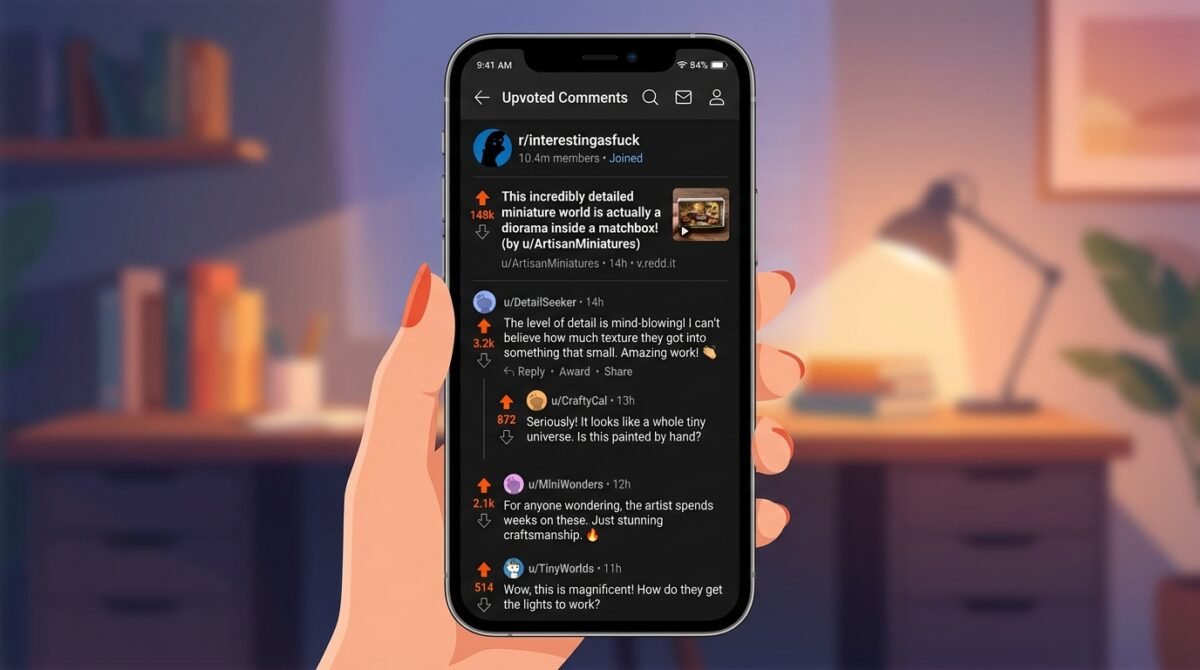
When I shared my story on a popular forum, the outpouring of support was both overwhelming and eye-opening. The consensus was clear: I wasn’t just justified, I was smart to get out. The community, often known for its brutal honesty, didn’t hold back in their assessment of Mark’s ‘closet tax.’
“I had an ex who tried to calculate the electricity usage of my laptop versus his gaming PC. It’s never about the money. It’s about the desire to control you. Charging for a closet is a level of petty I haven’t seen in years. You escaped a major bullet.”
— u/FinanceTruthSeeker (15.2k upvotes)
Many users shared their own stories of ‘financial roommates’—partners who used spreadsheets to keep the power balance in their favor. It was comforting to know that I wasn’t alone in this, that the logic Mark used was a known, albeit toxic, behavior pattern. The comments served as a reality check, reminding me that healthy relationships don’t require a calculator to determine the value of a walk-in closet.
There were also those who pointed out the legal and financial implications of what Mark was doing. Several users noted that if he was charging me ‘rent,’ he might have been violating local leasing laws or tax regulations. It added a layer of absurdity to his demand—he was being greedy, and he was potentially being illegal about it too.
The community support helped me process the lingering guilt. I had been worried that perhaps I was too rash, that I hadn’t given him enough of a chance to ‘explain.’ But the consensus was clear: there was no explanation that could justify the dehumanization of our living situation. His behavior was a red flag that I was right to walk away from.
Reading through thousands of comments, I realized that my story was just one of many. The ‘rent dispute’ is often a proxy for deeper issues, and the community was excellent at cutting through the noise to identify the core of the problem: a lack of respect and a gross imbalance of power.
Reclaiming My Space, Reclaiming My Peace

Life in the loft has been a journey of rediscovery. Without the constant pressure to justify my existence in the space I occupy, I’ve found a sense of peace I hadn’t felt in years. I decorate how I want, I use the closets as I please, and I pay rent without a second thought because it’s a fair price for a space that is entirely my own.
I’ve also started dating again, but the criteria have changed. I’m not looking for someone to ‘share expenses’ with in a way that feels like a business merger. I’m looking for someone who understands that partnership is about support, not spreadsheets. I’ve become much more attuned to the subtle signs of control, and I’m much quicker to speak up if I feel something is off.
The closet in my new place is modest, but I love it. It holds my things, and it doesn’t demand a surcharge. It’s a symbol of my independence, a constant reminder that I am capable of leaving a situation that doesn’t serve me. It’s a small, physical manifestation of the boundary I set and the life I’ve built.
I don’t think about Mark often, but when I do, I don’t feel anger. I feel a strange sense of pity. He is still out there, likely looking for someone else to subsidize his lifestyle and his apartment, unaware that the real cost of his behavior is the loss of the genuine human connection he clearly craves.
The lesson I learned is one I would share with anyone feeling trapped by the ‘math’ of their relationship: never accept a price for your dignity. Your space, your finances, and your peace are not commodities to be traded for a higher rent payment. They are yours, and they are worth far more than any spreadsheet could ever account for.
The Aftermath: Moving Forward Without Lookbacks

It has been six months since I moved out, and the dust has finally settled. I rarely hear about Mark anymore, and when I do, it’s usually through a mutual acquaintance mentioning that he’s still struggling to keep that same apartment. He’s gone through two roommates in that time, both of whom, I suspect, found his ‘fair share’ calculations as absurd as I did.
I’ve channeled my energy into my career and my personal growth. The financial stability I once thought was dependent on a shared household was actually something I could cultivate on my own. I have a savings account that is growing, not because I’m being stingy, but because I’m living within my means in a place that fits my actual life.
I have learned to set boundaries in all aspects of my life. Whether it’s in my career or my friendships, I no longer feel the need to justify my worth or apologize for my needs. The experience with Mark was a crash course in self-respect, and though it was painful, I am stronger for it. I am no longer a tenant in my own life.
If you find yourself in a situation where your partner is trying to quantify your worth or charge you for the space you inhabit, take it as the warning it is. The ‘rent dispute’ is rarely about the money; it’s about the person you’re with. Do not wait for them to change their math. Trust your gut, pack your bags, and go find your own loft.
The journey from that two-bedroom apartment to my current loft was the most important move I ever made. It wasn’t just a change of address; it was a shift in perspective. I learned that my value is not something to be negotiated, and that the best room in the house is the one where you finally feel free.
Lessons in Financial Intimacy

When we talk about financial intimacy, we often think about joint bank accounts or shared savings goals. But true financial intimacy is about how we treat each other when we have different incomes or different needs. It is about empathy, generosity, and the understanding that we are building a life together, not just managing a household budget.
Mark’s approach was the antithesis of this. By focusing on the ‘fair share’ of the closet, he completely missed the forest for the trees. He prioritized a few dollars over the health of our relationship. And in doing so, he showed me exactly what he valued. My lesson was learning to spot those priorities before they became the defining features of my life.
I now see that the ‘fairness’ he was obsessed with was actually a form of control. By constantly keeping score, he was trying to maintain a position of superiority in our relationship. It’s a tactic I recognize now, and I’m thankful I didn’t spend another year trying to ‘win’ a game that was rigged from the start.
I hope that by sharing this, others who are feeling the squeeze of a controlling partner will see the signs. You don’t have to stay in a situation that feels transactional. You don’t have to justify your closet space, your hobbies, or your existence. You are allowed to leave, and you are capable of building a life that is entirely your own.
Financial intimacy is a gift we give each other, not a contract we enforce. If your partner is holding the contract over your head, it’s time to start looking for the exit. Your peace of mind is worth more than any rent agreement, and you deserve a partner who sees your value, not just your expenses.
Conclusion
The story of the ‘closet tax’ isn’t really about a closet. It’s about the moment we realize we’ve been commodified by the people we love. It’s about the silent shift from partners to adversaries, and the courage it takes to recognize that a change in address is sometimes the only way to save yourself.
I chose to leave, and in doing so, I found a version of myself that didn’t need to negotiate for space or justify my life to a spreadsheet. My hope is that this serves as a reminder that your worth is non-negotiable. Whether it’s a rent dispute, a boundary violation, or a deeper issue of control, you are the final authority on what you will accept in your life.
Have you ever been in a relationship where the ‘fairness’ of money felt more like a power struggle? Have you ever had to leave a situation because you realized your partner valued their comfort over your dignity? Share your stories in the comments below—let’s discuss the boundaries that keep our relationships healthy and where we draw the line when the math just doesn’t add up.
What's your verdict on this dilemma?
Vote below to contribute to the official community consensus.

Have a Dilemma Keeping You Up at Night?
Share your real-life feud, wedding chaos, or relationship crossroads anonymously with our editorial team.
What do you think ?
0 Comments🛡️ Comments are moderated to protect community integrity. Your comment will appear once approved by the editorial team.