

When you are thirty-seven weeks pregnant, your world is supposed to revolve around nursery colors, hospital bags, and the gentle anticipation of meeting your child. For me, that world collapsed into a singular, agonizing moment of realization. My husband, Mark, had been acting distant for weeks, buried in his phone under the guise of ‘work.’ I had attributed it to the stress of impending fatherhood, a common enough trope among first-time parents. Little did I know, the distance wasn’t born of anxiety, but of a calculated, catastrophic gamble.
We had spent three years meticulously building our ‘Safety Net’ account. It was a high-yield savings fund specifically designated for the birth of our child and any medical complications that might arise. We both agreed: this money was untouchable. It was the bedrock of our security for the transition into parenthood. When I logged into our joint banking portal to pay a final deposit for the doula, the screen didn’t load my account balance. It loaded a zero.
The silence of that hospital room became deafening as the numbers stared back at me. A series of rapid-fire transfers to an external exchange, executed while I was sleeping, drained every cent we owned. My heart rate monitor began to beep in a frantic, uneven rhythm. Within ten minutes, I was no longer looking at an empty bank account; I was being prepped for an emergency C-section, the stress of the discovery having triggered a placental abruption that neither of us had anticipated.
This is not just a story about a bad investment. It is a story about the profound, irreversible fracture of trust that occurs when the person sworn to protect your family decides to gamble your future on digital ghosts. As I sat in that hospital gown, shivering despite the warmth of the room, I knew that even if my baby was safe, the life I thought I was building was effectively gone.
The following account details the days leading up to the procedure, the confrontation that shook the hospital walls, and the cold, harsh reality of navigating a betrayal that would leave any reader questioning the very foundations of marriage.
The Screen That Never Loaded
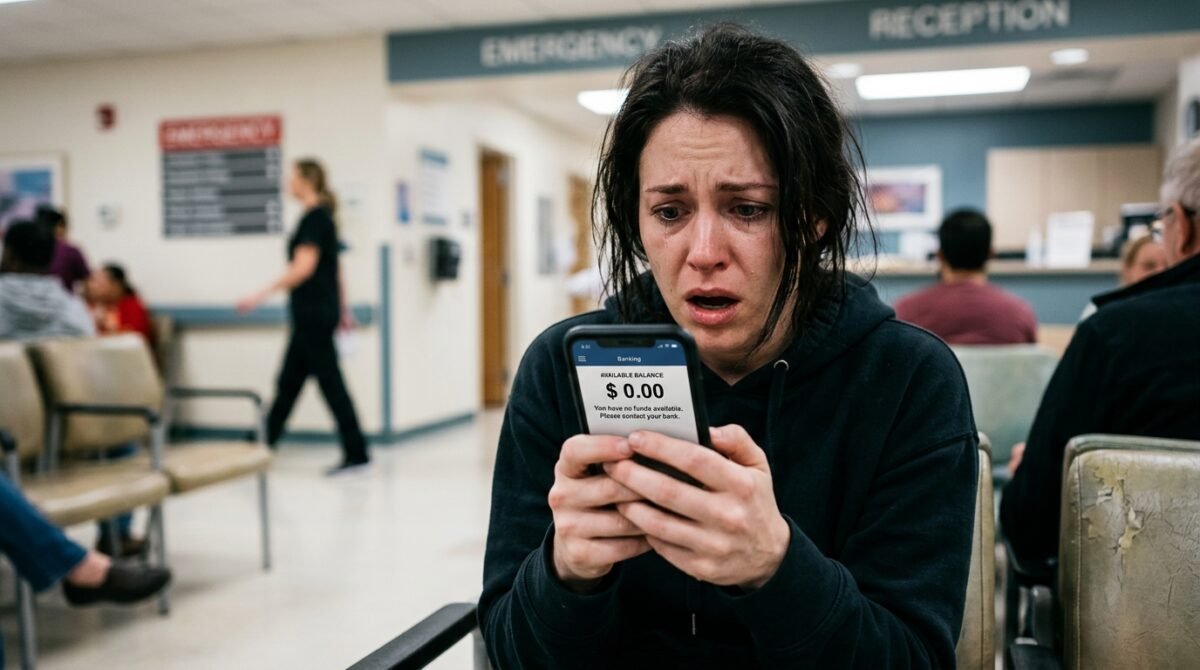
It started as a mundane Tuesday evening. I was sitting on the edge of our bed, the weight of my belly making every movement an exercise in patience. Mark was in the kitchen, claiming to be finishing up a ‘project’ for his side business. I remember thinking how lucky I was that he was so industrious, working extra hours to ensure we were comfortable for the baby’s arrival.
I pulled up the bank app, intending to clear the final bill for our birth center. The balance had been steady for months, sitting at exactly forty-two thousand dollars. I typed in my password, and the spinning loading icon persisted for an uncomfortably long time. When the dashboard finally refreshed, the familiar block of text indicating our savings balance was simply absent.
I refreshed it twice, thinking it was a glitch. My fingers trembled as I navigated to the transaction history. The most recent activity was a series of ‘Outgoing Wire Transfers’ to an offshore crypto exchange. The dates were staggered over the last five days. The final transfer had occurred at 3:15 AM that very morning, while I was sound asleep just inches away from him.
“Mark, why is the bank account at zero? Where is the forty-two thousand dollars? Please tell me you didn’t touch the hospital fund.”
— Me, confronting Mark in the kitchen
He didn’t look up from his laptop. His eyes were bloodshot, and he was sweating despite the cool air conditioning. He muttered something about ‘the market correction’ and ‘guaranteed returns’ that would have tripled our money by the time the baby arrived. I felt the floor fall out from under me, not metaphorically, but with a sharp, stabbing pain in my abdomen that brought me to my knees.
A Medical Crisis Born of Greed

The pain was instantaneous and visceral. It wasn’t just the shock; my body reacted to the cortisol spike with a physical rebellion. Within minutes of finding the empty account, I was experiencing severe abdominal cramping and light spotting. Mark, finally realizing the severity of the situation, scrambled to grab the ‘go-bag’ we had packed weeks ago, but his movements were sluggish, fueled by his own panic.
The drive to the hospital was a blur of neon lights and Mark’s frantic, desperate apologies. He kept repeating that he could ‘get it back,’ that he just needed one more trade. I couldn’t even speak; I was focused on breathing through the waves of agony. When we arrived at the triage desk, the nurse took one look at my face and the vitals monitor and immediately declared it an emergency.
I was rushed into a private room. The monitors were hooked up, and the medical staff moved with a terrifying efficiency. A placental abruption had occurred, likely exacerbated by the extreme psychological distress I had just endured. The doctor was stern, explaining that we didn’t have time for a standard delivery. They needed to operate immediately to save the baby.
“Your wife is in critical condition, and the baby is in distress. You need to sign these surgical consent forms right now, or we are going to have a very different conversation about outcomes.”
— The Attending Physician to Mark
As they wheeled me into the OR, I saw Mark standing in the hallway, clutching his phone like a lifeline. He wasn’t crying for me or the baby. He was staring at a price chart, watching the value of his investment plummet further into the abyss. That image was the last thing I saw before the anesthesia took over.
The Awakening to a Different Reality

When I woke up, the world was dim and quiet. My baby, a healthy, beautiful girl, was resting in a nearby bassinet. But the joy of her arrival was tainted by the cold, heavy stone in my stomach. Mark was sitting in the corner of the room, his head in his hands. He looked aged, hollowed out by the events of the last twelve hours.
I didn’t want to talk to him. I wanted to protect my child from the radioactive fallout of his decisions. I knew instinctively that I couldn’t trust him with our future. I asked the nurse to please ask him to leave for a while, claiming I needed to breastfeed in private. He didn’t put up a fight; he just nodded, his silence more damning than any confession.
My phone sat on the bedside table. I checked it, expecting messages of congratulations from family, but instead, I found a barrage of notifications from our bank. Multiple accounts had been flagged for suspicious activity. It wasn’t just the savings; he had attempted to take out a personal loan in my name to ‘cover the margin call.’ The audacity was staggering.
“I just wanted to give us a head start. I thought if I made a quick fifty grand, we could buy a house sooner. I didn’t think the market would crash like that. I’m so sorry.”
— Mark’s text sent while I was in recovery
I read the message and blocked him. There was no room for apologies, no space for ‘I didn’t think.’ He had put our child’s life at risk for a digital gamble. The betrayal was complete. I realized then that I wasn’t just recovering from surgery; I was starting the process of dismantling my entire life.
The Inevitable Family Intervention
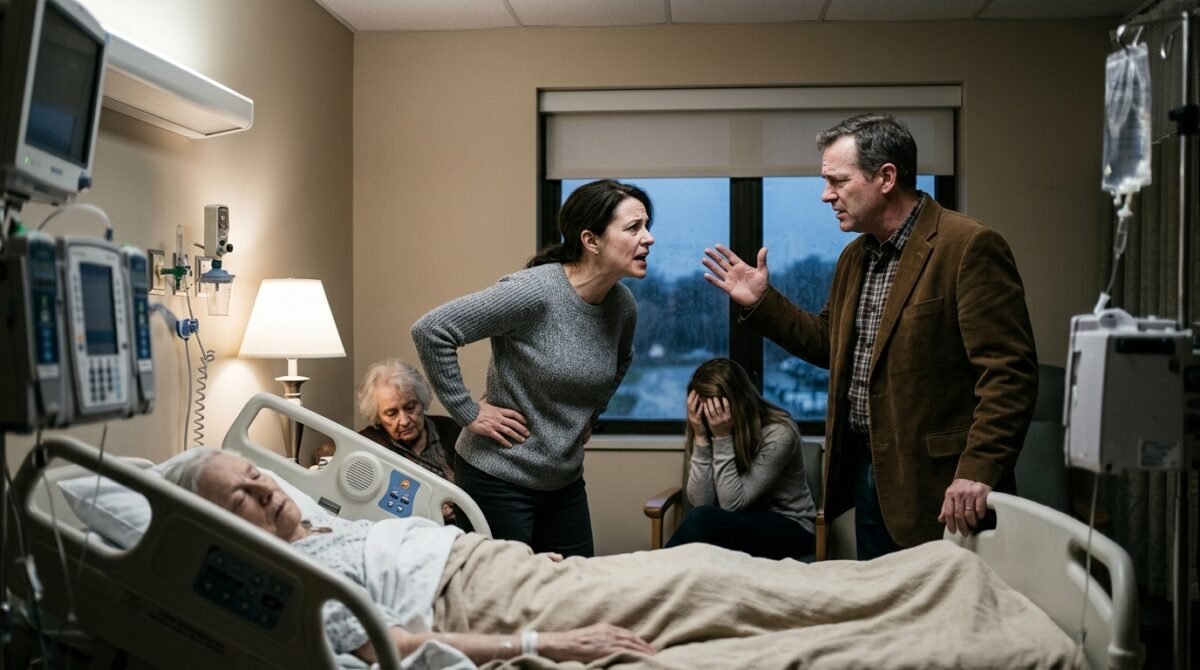
News of the emergency, and eventually the financial crisis, leaked to our parents within forty-eight hours. My mother arrived at the hospital with a suitcase, not for a visit, but for a siege. She had seen the bank statements; Mark had been desperate enough to call her, begging for a loan to ‘fix’ the crypto account before I found out the full extent of the damage.
The confrontation in the hospital suite was explosive. My father, usually a quiet man, was shaking with rage. He stood between Mark and the crib, acting as a physical barrier. The hospital security had to be called when Mark started shouting about ‘financial freedom’ and ‘generational wealth,’ sounding like a man who had completely lost touch with reality.
It turned out that this wasn’t the first time. Mark had been dipping into our ‘vacation’ fund for months, trying to chase losses. He had been living a double life, one where he was a visionary investor and another where he was a husband failing his family at every turn. The realization that this was a pattern, not a mistake, was the final nail in the coffin of our marriage.
“You didn’t just lose money, Mark. You lost your right to be in this room. You lost your right to call yourself a provider. You are a stranger to us now.”
— My mother to Mark
He was escorted out of the ward, his protestations echoing down the sterile hallway. I lay there, feeling a strange, hollow sense of relief. The weight of his secrets was finally off my shoulders, even if the weight of our financial ruin was now pressing down on us.
The Digital Paper Trail

Over the next week, I had to be the investigator. I hired a forensic accountant, thanks to a small emergency loan from my parents, to trace the digital assets. The ‘scheme’ was a classic rug-pull project that had been advertised on a fringe forum. It wasn’t even a sophisticated play; it was a transparent scam that anyone with basic financial literacy could have identified as a trap.
The trail led to a series of wallets that were now empty. The money wasn’t just lost; it was stolen. The creators of the token had vanished, taking millions from people exactly like Mark. There was no recovery. There was no ‘getting it back.’ The funds were gone, scattered into the untraceable ether of the blockchain.
I compiled all the screenshots, the transaction logs, and the text messages into a massive file for my lawyer. It was all there: the lies, the manipulation, the desperate attempts to cover his tracks. He had forged my digital signature on the loan applications. It was fraud, plain and simple.
“I checked the logs. He transferred the money at 3:15 AM, 3:22 AM, and 3:45 AM. He didn’t stop until the balance hit zero. This was deliberate, calculated theft.”
— Forensic Accountant’s report to me
I felt a strange sense of vindication seeing it all in black and white. For years, I had been the ’emotional’ one in the relationship, the one who worried too much. Now, the data proved that my caution was the only thing that had kept us afloat, until he finally broke the seal.
The Reddit Trial

I finally posted my story on a throwaway account, needing to know if I was being too harsh. The response was immediate and overwhelming. Thousands of people weighed in, not just on the financial loss, but on the moral bankruptcy of the situation. The internet, for all its toxicity, was surprisingly unified in its condemnation of Mark’s choices.
The thread became a hub of advice, with lawyers offering pro-bono guidance and others sharing their own stories of surviving financial infidelity. It was the first time I felt like I wasn’t alone. I read through the comments in the NICU, finding comfort in the absolute consensus of strangers.
“This isn’t about crypto. This is about total, profound disrespect for your partner and your child. He gambled away your safety net while you were literally carrying his future. Divorce is the only path forward.”
— u/FinanceExpert_01 (Top Comment, 32.5k upvotes)
“Please, please look into legal action regarding the loan forgery. He didn’t just lose money; he committed a crime against you. Do not let him gaslight you into thinking this is just a ‘mistake’.”
— u/JusticeSeeker (18.2k upvotes)
Reading these comments gave me the spine I needed to start the divorce process. I realized that my empathy for him was a weakness he had been exploiting. It was time to stop being the victim and start being the architect of my own recovery.
The Divorce Filing
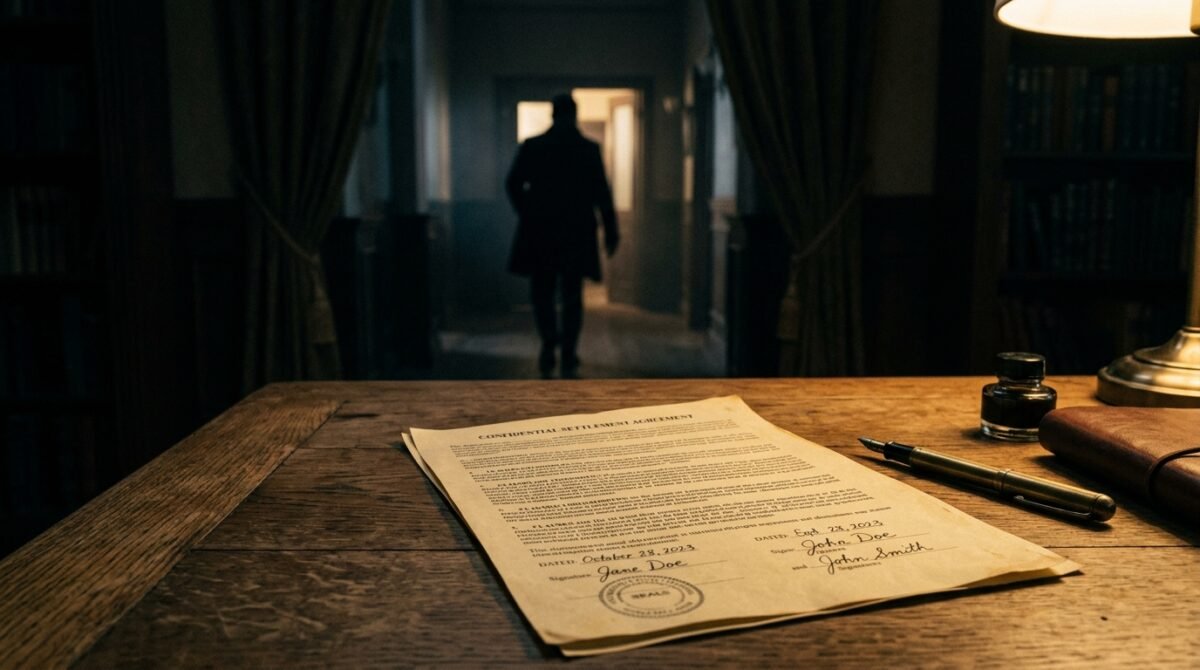
I served him the papers on a Tuesday morning at his mother’s house. He had been staying there since the hospital incident, claiming he was ‘getting his life together.’ When he saw the envelope, he tried to play the victim, talking about how hard he was working to fix the mistake. I didn’t say a word. I just walked back to my car, my daughter secured safely in her seat.
The divorce wasn’t easy. He tried to hide assets, he tried to claim that the money was ‘his’ because he earned the majority of the salary, but the judge didn’t buy it. Our lawyer presented the history of the joint account, the records of the transfers, and the evidence of the forgery. The case was open and shut.
I kept the house, as he had drained the accounts that would have gone toward the down payment, and he was ordered to pay restitution for the stolen funds. It was a hollow victory, as the money was gone, but the legal acknowledgment of his guilt was a powerful milestone for my healing.
“I’m doing this because I have to provide for my daughter. I cannot build a future with someone who treats our security like a casino chip. We are done, Mark.”
— My statement at the deposition
The look on his face when he realized he had lost everything—the marriage, the money, and his reputation—was the final chapter in the book of our relationship. I didn’t feel triumph, just a deep, abiding sense of peace.
Rebuilding the Foundation

The months following the divorce were the hardest of my life. I was a single mother, recovering from a traumatic surgery, and rebuilding a bank account from scratch. My parents were my lifeline, offering both financial support and the emotional stability I needed to survive the transition.
I started a new job, one that required long hours but offered the security I needed. I found a community of other single mothers, women who had also been through the fire and come out stronger. We shared advice, we shared childcare, and we shared the burden of the past. It was a different kind of life, one that was smaller but infinitely more authentic.
My daughter is thriving. She is the center of my world, a constant reminder of why I fought so hard. She doesn’t know about the crypto, the bank accounts, or the betrayal. She only knows a mother who is present, calm, and devoted to her well-being. That is enough for me.
“You are going to look back on this and realize that you didn’t just survive, you reclaimed your identity. The money was just paper. Your strength is real.”
— My therapist, during our final session of the year
I still look at my bank account every day, but not with fear. I look at it with pride, knowing that every dollar in there was earned honestly and is protected by boundaries that no one can breach.
The Lessons of Financial Betrayal

Looking back, the warning signs were there long before the final betrayal. The ‘small’ risks, the ‘just this once’ investments, the secrecy—they were all threads of a larger tapestry of dishonesty. I ignored them because I wanted to believe in the fairy tale of the perfect partner. I learned that trust is not a static state; it must be earned and maintained through transparency.
Financial infidelity is just as damaging as any other form of cheating. It breaks the promise of a shared future and violates the implicit contract of marriage. I hope my story serves as a cautionary tale for others who are ignoring the red flags in their own relationships. If your partner is hiding money, it’s rarely just about the money.
I have forgiven myself for not seeing it sooner. I was young, I was in love, and I was trusting. Those are not flaws. The flaw belonged to him. The betrayal was his choice, and the consequence is his to carry for the rest of his life.
“Never let anyone convince you that your safety is a gamble. If they are willing to risk your future, they were never really invested in your present.”
— My advice to a friend in a similar situation
I have moved on. The crypto schemes, the drama, the anger—it all feels like a lifetime ago. I am no longer defined by the money I lost, but by the life I have built in its absence.
The Final Verdict: Where Are We Now?

Mark is currently working a low-level job, still paying off the debt he accrued. We have no contact, save for the occasional email regarding our daughter’s medical expenses. He has reached out several times, trying to explain, trying to apologize, but I have remained firm. The boundary is not just for me; it is for our daughter.
I have built a life of radical transparency. My finances are my own, and I am in control of every decision. I have found that peace is far more valuable than any return on investment. I am raising a daughter who will know the value of her own autonomy and the importance of surrounding herself with people who are worthy of her trust.
If you find yourself in a similar position, know that you are not powerless. You have the right to secure your future. You have the right to walk away. And most importantly, you have the right to be protected by the person you chose to spend your life with.
“I am not the woman I was that day in the hospital. I am stronger, smarter, and significantly more careful. And honestly? I wouldn’t trade who I am now for the money I lost.”
— My closing thought
Thank you for listening to my story. It has been a long journey, but I am finally standing on solid ground.
Conclusion
My story is a testament to the fact that when the foundation of a marriage is built on secrets, it will eventually crumble under the weight of reality. The financial betrayal was simply the catalyst that forced me to see the cracks that had been there all along. Through the pain of the C-section, the chaos of the divorce, and the long road to recovery, I have learned that the only person you can truly rely on is yourself.
I hope this narrative encourages those currently questioning their own financial safety to pay attention to the red flags. Your partner’s ‘vision’ should never cost you your security or your child’s well-being. Financial infidelity is a dealbreaker, and you are worthy of a partner who treats your life together with the respect it deserves.
We want to hear from you. Have you or someone you know experienced financial betrayal that fundamentally changed your perspective on marriage? How did you navigate the fallout and find your path to healing? Join the discussion in the comments below.
What's your verdict on this dilemma?
Vote below to contribute to the official community consensus.

Have a Dilemma Keeping You Up at Night?
Share your real-life feud, wedding chaos, or relationship crossroads anonymously with our editorial team.
What do you think ?
0 Comments🛡️ Comments are moderated to protect community integrity. Your comment will appear once approved by the editorial team.