
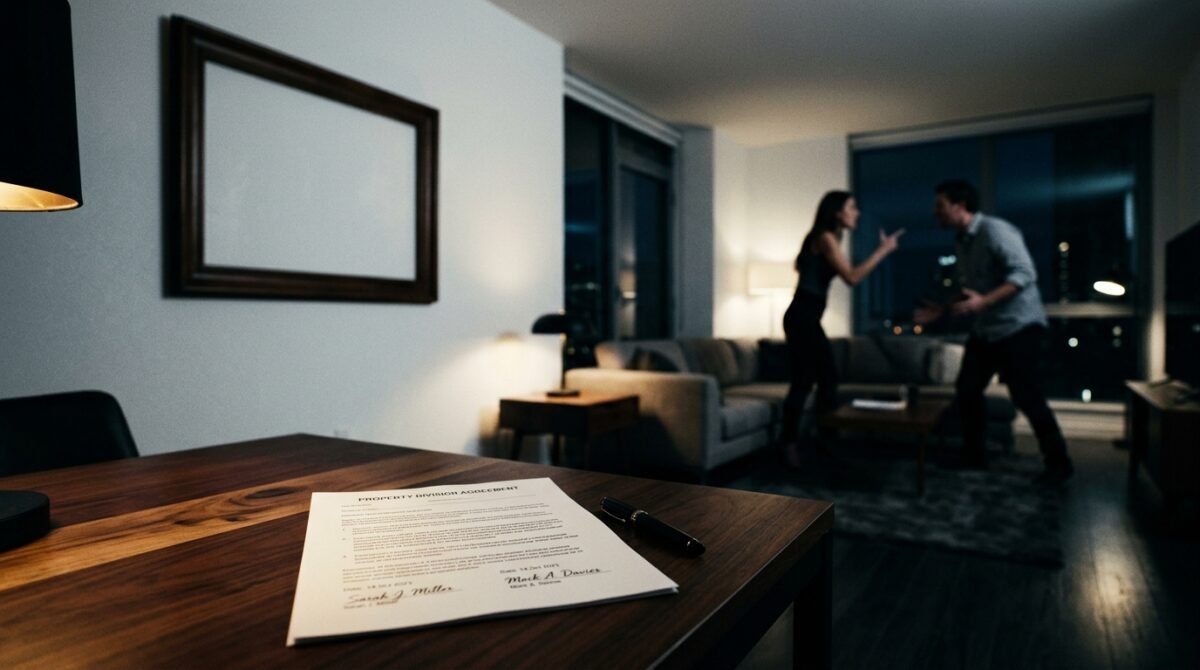
They say you never really know a person until you’ve shared a secret, a home, or a fortune. For over a decade, Sarah and I were inseparable. We navigated the trials of our twenties, supported each other through failed relationships, and celebrated the small, quiet milestones of building our lives. She was the one who encouraged me to pursue my passion for painting, acting as my unofficial curator and biggest cheerleader. I trusted her with my life, my keys, and eventually, my artistic legacy.
It started as a trickle. A sketch missing from a portfolio, a canvas that seemed to have vanished from the storage unit. I initially brushed it off as my own disorganization, a byproduct of my hectic schedule. But when I began seeing my signature style—my specific technique and color palettes—popping up on high-end resale sites under a pseudonym that belonged to her partner, the air in my lungs just vanished. The betrayal wasn’t just financial; it was a wholesale erasure of my identity.
The dilemma was paralyzing. Do you confront a best friend knowing they will gaslight you, or do you quietly build a case? I chose the latter, fueled by a mixture of cold fury and the necessity of justice. I didn’t want an apology; I wanted the truth, and I wanted my work back. What followed was a descent into a bureaucratic nightmare that forced me to choose between my art and a decade of shared history.
As I navigated the cold, sterile hallways of the courthouse, I realized that some bridges aren’t just burned—they are dismantled, piece by piece, by the very people you expected to help you cross them. This is the story of how I stopped being the victim of my best friend’s greed and started the process of reclaiming my life, one subpoena at a time.
This narrative isn’t just about art; it’s about the sanctity of trust. When we allow people into our inner sanctums, we make ourselves vulnerable to their shadows. My journey from a naive artist to a plaintiff in a civil suit has been long, exhausting, and transformative, and I share it now because the silence around such betrayals is exactly what allows them to thrive.
The Vanishing Canvas and the First Seed of Doubt
The first red flag was so subtle it felt like a ghost. I had finished a series of six abstract portraits, each titled after the specific grief I was processing at the time. They were raw, ugly, and beautiful—the sort of work you keep tucked away in a climate-controlled unit. When I went to retrieve them for a gallery viewing, only four remained. I combed through the studio, checking the racks and behind the canvases, my heart hammering against my ribs.
I called Sarah immediately. She had helped me move the pieces just weeks prior. Her voice was calm, almost too calm, as she suggested I might have miscounted or that perhaps I’d sold one to a collector without remembering. It felt plausible in the moment, but the unease was a physical weight in my stomach. How does an artist ‘forget’ selling a four-foot portrait?
“Are you sure you didn’t leave it at the framing shop? You know how scatterbrained you get when you’re nearing a deadline. Maybe check the emails again?”
— Sarah during our first conversation about the missing art
I spent the next three hours scouring my sent emails, my bank records, and even my old sketchbooks. Nothing. The piece was gone, and with it, a piece of my confidence. I started tracking my inventory with an obsessive level of detail that bordered on mania, but the anxiety had already set in. I kept thinking of Sarah’s casual dismissal, the way her tone shifted when I mentioned the gallery’s interest in that specific series.
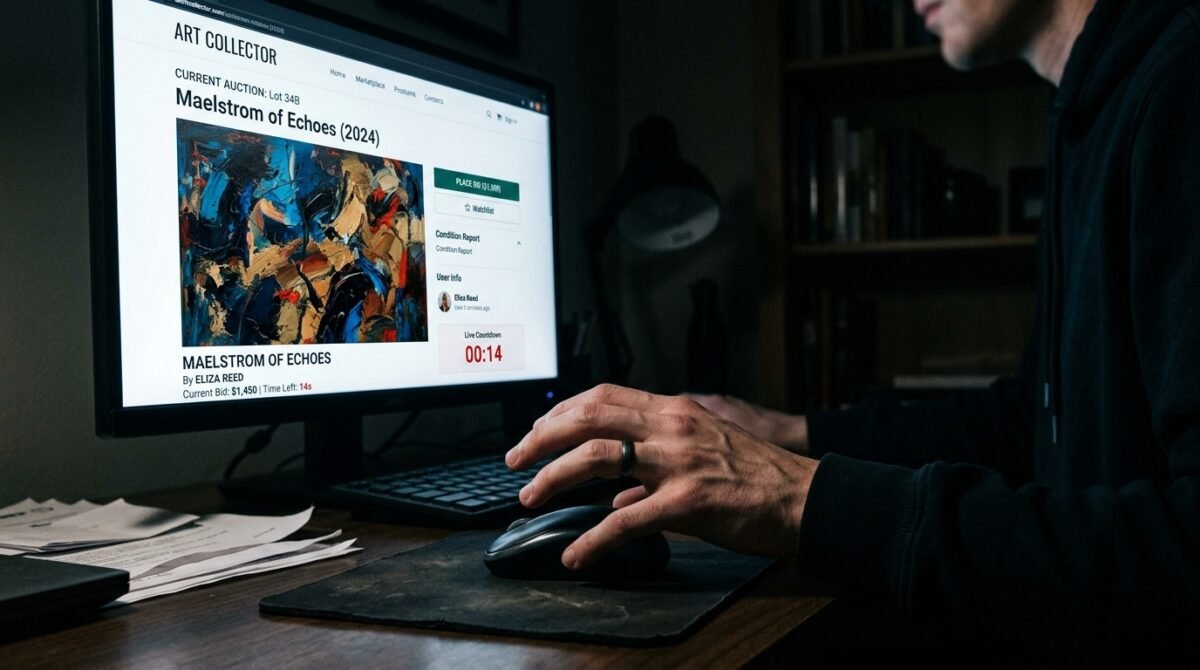
The following week, I received a text from an acquaintance in the interior design space. They asked if I was selling prints of my work online. I replied that I wasn’t—that I didn’t do prints. The response came back with a link to a site I’d never seen before, featuring my work at a significant markup. The seller’s name was ‘EtherealStudioArt,’ a handle I recognized from an old email address Sarah used to use in college.
I sat in the dark for a long time, watching the cursor blink on my screen. It wasn’t just one painting; it was the entire ‘Grief’ series, plus three others I’d kept in storage. The descriptions were poetic, almost mocking, mimicking my own artistic statements. It wasn’t just theft; it was a performance. I felt the heat rising in my face, a mixture of shame and boiling, righteous rage.
I didn’t confront her immediately. That was the first lesson I learned: keep your cards close to your chest. I took screenshots of every listing, every price tag, and every transaction detail I could find. I realized then that my ‘best friend’ wasn’t just a curator; she was an opportunist who had been monetizing my struggle while I was busy trying to find the light.
The Digital Audit of a Decade of Betrayal
I spent the next two weeks living in a state of hyper-vigilance. I hired a digital forensics consultant—a friend of a friend—to track the IP addresses associated with the ‘EtherealStudioArt’ account. The results were damning. The account was linked to a local network I knew all too well: the apartment building where Sarah and her partner, Mark, lived. It wasn’t just a coincidence; it was a systematic campaign of exploitation.
I began to cross-reference every interaction I’d had with Sarah regarding my art. I went back through years of texts and emails, looking for moments where she had ‘offered’ to help me transport, store, or photograph my work. It was all there, hidden in plain sight. Every time she had ‘helped’ me, a piece had gone missing. She wasn’t just taking finished work; she was stealing my process, my evolution, and my future.
“Hey, I noticed you haven’t moved the blue canvas yet. Do you want me to keep it at my place for a while? My landlord is fine with me storing it in the basement storage unit.”
— A text from Sarah, dated six months prior to the discovery
The realization that I had been handing my work over to her, time and time again, made me feel physically ill. I had trusted her, and she had used that trust as a currency. I found bank records of deposits into an account that, upon further investigation, belonged to a shell company registered to Mark. The scale of the theft was massive—I was looking at nearly $50,000 in stolen assets.
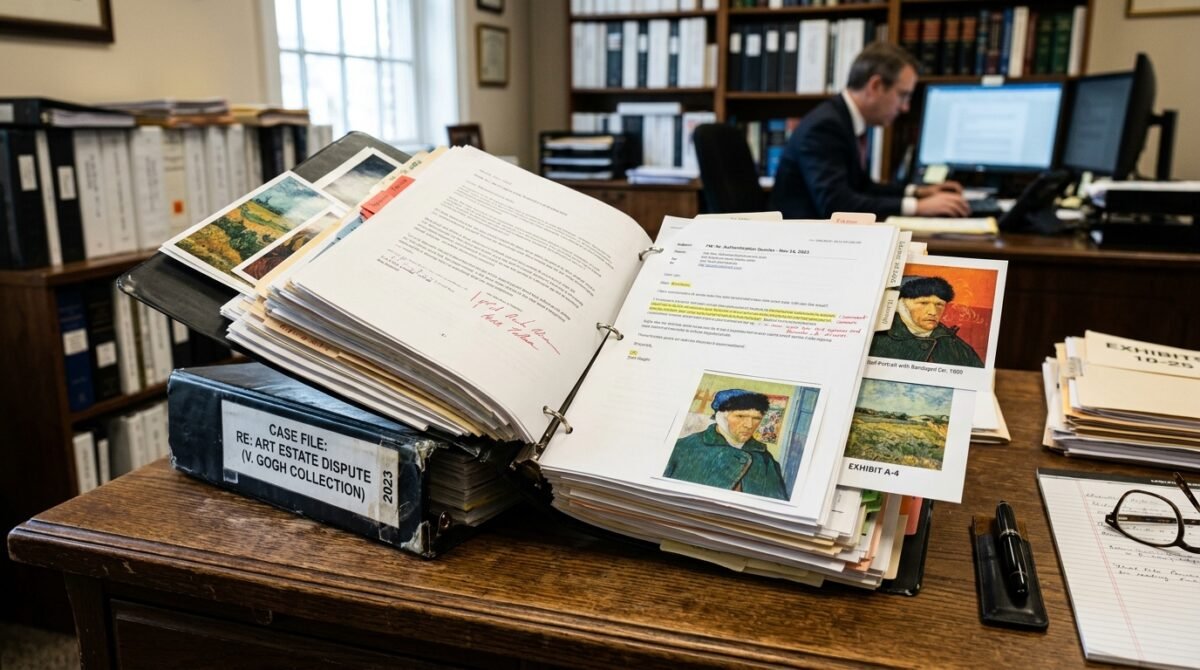
I compiled everything into a binder. It was my own version of a manifesto of betrayal. Every invoice, every timestamp, every photograph she had taken of me ‘working’ on the pieces she eventually sold. I had the paper trail. Now, I needed the legal firepower. I wasn’t going to let this slide into a ‘he-said, she-said’ drama. This was property theft, plain and simple.
I felt a strange sense of detachment as I organized the evidence. It was almost like I was an investigator looking at a stranger’s life. I remembered the nights we spent laughing over wine, discussing the meaning of art, and I realized now that she was likely calculating the profit margin on every word I spoke. The emotional sting was sharp, but the clarity was addictive.
By the time I reached out to a lawyer, I had a 40-page document ready. My lawyer was impressed—and horrified. He told me that cases involving friends and family were often the messiest, but that with this level of documentation, we had a solid shot at a favorable settlement or, if necessary, a full-blown trial. I was ready to walk into court.
The Unannounced 6:00 AM Kitchen Intrusion
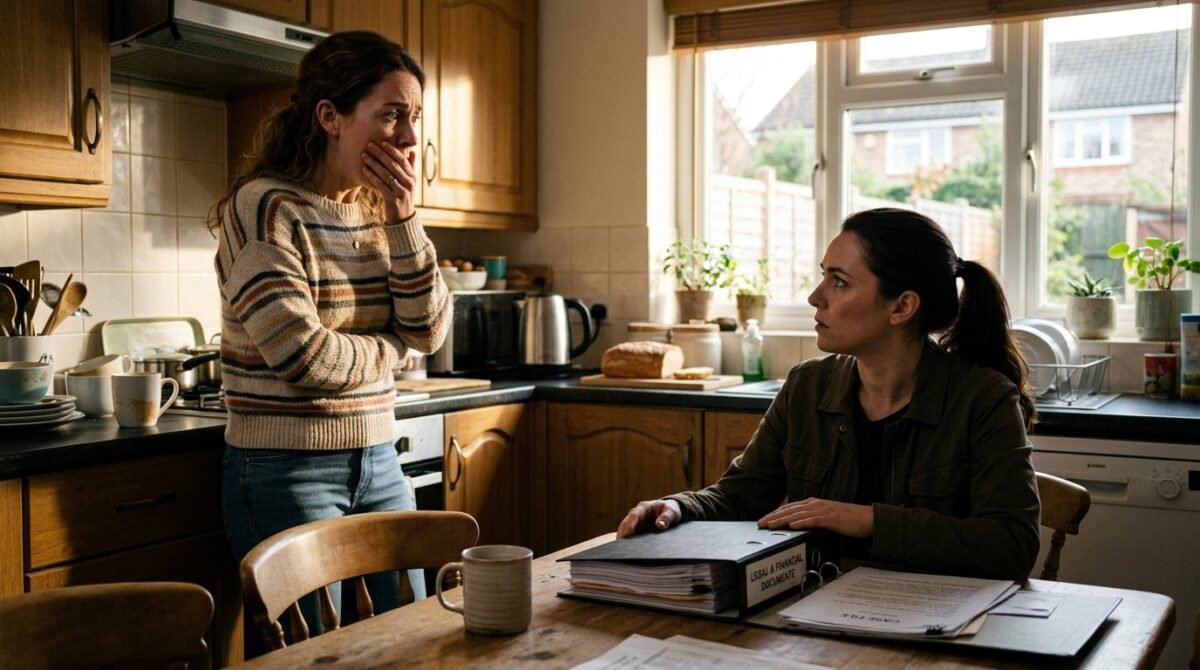
The confrontation didn’t happen in a courtroom. It happened at my kitchen table, at 6:00 AM on a Tuesday. Sarah had a spare key—a remnant of the time when I was going through a severe bout of clinical depression and she was my primary support. She walked in as if she owned the place, carrying a bag of groceries, clearly expecting a routine morning of coffee and gossip.
She stopped cold when she saw me sitting at the table with the binder open. I didn’t say a word. I just watched her face as the realization dawned on her. She saw the printouts of the ‘EtherealStudioArt’ listings. She saw the bank statements. The color drained from her face, and for a second, she looked like a child caught with their hand in a cookie jar. Then, her expression hardened.
“You’re really doing this? Over some paintings? I helped you get your name out there. I was the one doing the marketing! Do you have any idea how much work goes into selling art?”
— Sarah’s reaction during the kitchen confrontation
I felt a cold rage settle into my bones. ‘Marketing.’ That was the word she used to describe theft. I looked at her, really looked at her, and realized I didn’t recognize her at all. The person I thought I knew—the person who had been my confidante for a decade—was a complete fiction. She wasn’t sorry; she was angry that she had been caught.
She started to pace, the groceries forgotten on the counter. She tried to justify it, talking about how ‘the art scene is brutal’ and how she was just ‘managing’ my career in a way I couldn’t handle. She said she was going to ‘surprise me’ with the money eventually, as if this were some twisted, elaborate gift. It was the most insulting lie I had ever heard.
I told her to leave. I didn’t yell. I didn’t cry. I told her that if she wasn’t out of my apartment in two minutes, I would call the police and report her for trespassing. The look of shock on her face was almost satisfying. She had expected me to crumble, to cry, to beg for her to explain. She hadn’t expected me to be a stranger to her.
She left, slamming the door hard enough to rattle the pictures on the walls. I sat there for a long time, listening to the silence of the apartment. I felt lighter, in a strange way. The friendship was officially dead, and the legal battle was just beginning. I took the key from the bowl by the door and threw it into the trash. It was the first step toward reclaiming my space.
The Certified Letter That Changed Everything
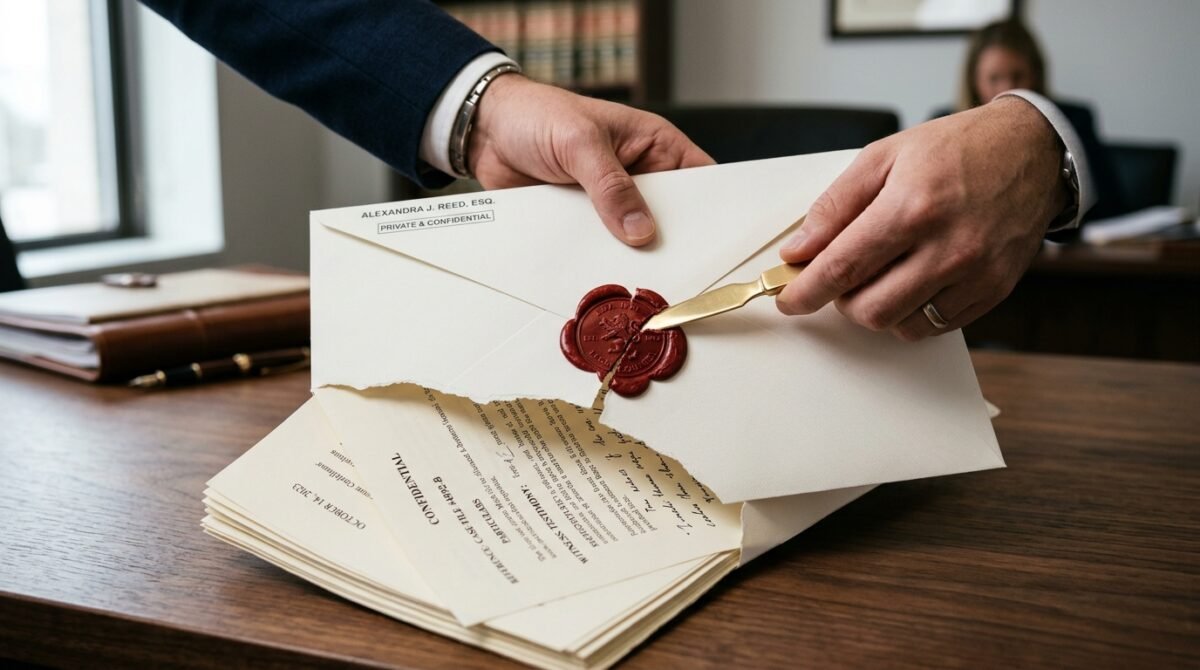
Three days later, Sarah received a certified letter from my attorney. It was a formal demand for the return of all remaining stolen property and a detailed accounting of all sales made through the ‘EtherealStudioArt’ pseudonym. The letter also included a notice of pending litigation. I knew it would be the wake-up call, but I didn’t realize how much it would escalate the situation.
Her response was a barrage of text messages, phone calls, and voicemails. She went from denial to anger to bargaining. She sent me a long email detailing all the ’emotional labor’ she had performed for me over the years, as if that somehow entitled her to my intellectual property. It was a masterclass in manipulation, attempting to shift the blame onto me for being ‘difficult’ and ‘unappreciative.’
“I saved your life, and this is how you repay me? You’re acting like a spoiled child. You never would have sold a single painting without my connections. I’m owed at least half of that money!”
— A text message from Sarah, sent at 3:00 AM
I didn’t respond to a single one. My lawyer advised me to keep all communications as evidence, but to remain completely silent. It was agonizing, but it was necessary. I had to show the court that I was the one being harassed, not the other way around. I changed my locks, installed a security system, and started working from a co-working space.
The pressure from her friends and family began to mount. I started getting messages from people I barely knew, asking if I could just ‘settle this privately.’ They called me ‘cold’ and ‘unforgiving.’ It was the classic gaslighting script, designed to make the victim feel guilty for seeking justice. I learned to block, delete, and ignore. My peace of mind was the priority.
I started attending therapy to deal with the fallout. It wasn’t just about the money; it was about the grief of losing a decade of history. I had to mourn the friendship I thought I had, even while I fought the person who had destroyed it. The therapist helped me understand that Sarah’s actions weren’t about me—they were about her own deep-seated entitlement and lack of boundaries.
The legal process was slow and tedious. There were motions, counter-motions, and endless depositions. But every time I felt like giving up, I looked at the binder. I looked at the evidence of my own talent, my own hard work, and I realized that Sarah had never seen me as a friend—she had seen me as a resource. That realization was the ultimate motivation to keep going.
The Secret Group Chat OP Wasn’t Supposed to See
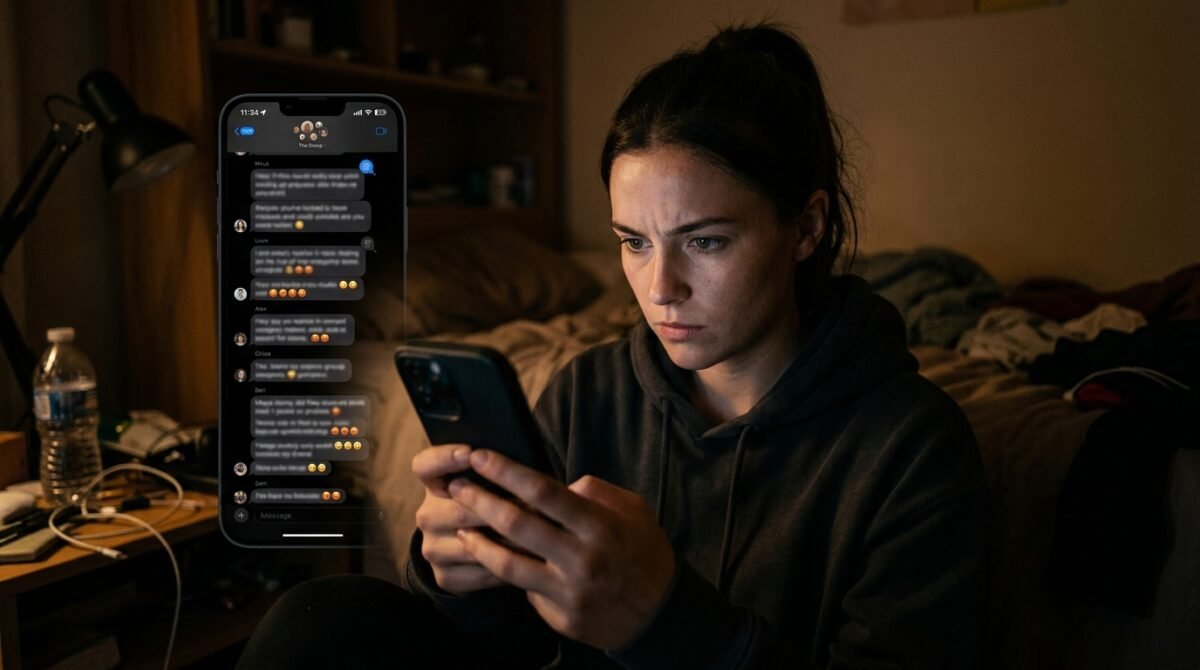
The turning point came when one of Sarah’s former friends, who had been excluded from the drama, reached out to me. She sent me a series of screenshots from a private group chat titled ‘The Real Truth.’ It was a cesspool of victim-blaming and conspiracy theories, with Sarah at the center, coordinating the narrative against me.
They were planning to paint me as ‘mentally unstable’ and ‘unreliable,’ hoping to invalidate my claims of theft by suggesting I had given her permission to sell the art during a ‘manic episode.’ It was a calculated, malicious attempt to destroy my reputation. Seeing those messages was the most painful part of the entire ordeal. It wasn’t just Sarah; it was an entire circle of people I had once considered friends, laughing at my expense.
“Just keep pushing the ‘she’s unstable’ angle. If we can get her to admit she doesn’t remember signing anything, the judge will throw it out. She’s too emotional to handle a real courtroom.”
— A message from the leaked group chat
I sent the screenshots directly to my lawyer. He was ecstatic—or as ecstatic as a lawyer gets. This was proof of premeditation and intent to harass. It effectively ended any chance of Sarah claiming this was a ‘misunderstanding.’ The ‘mental instability’ angle was a direct attack on my credibility, which would play very poorly in court once we presented the evidence of her organized, profit-driven theft.
I stopped caring about what people thought. I realized that the people who believed those lies were never really my friends to begin with. I stopped trying to convince anyone of my side of the story. I stopped posting on social media, stopped engaging in debates, and just focused on the case. It was the most liberating thing I had ever done.
The group chat also revealed that Sarah had been doing this to other artists. There were references to ‘past projects’ that had ‘gone well,’ implying that I wasn’t the first, and likely wouldn’t be the last. This was a pattern. She was a serial predator in the art world, and by taking her to court, I wasn’t just fighting for my paintings—I was potentially saving others from the same fate.
The anger I felt shifted from personal hurt to a broader sense of justice. This wasn’t just about my paintings anymore. This was about holding someone accountable for a cycle of abuse. I felt a surge of energy, a focus I had never possessed before. I was ready to face her in front of a judge and jury, no matter the personal cost.
The Day the Courtroom Went Silent
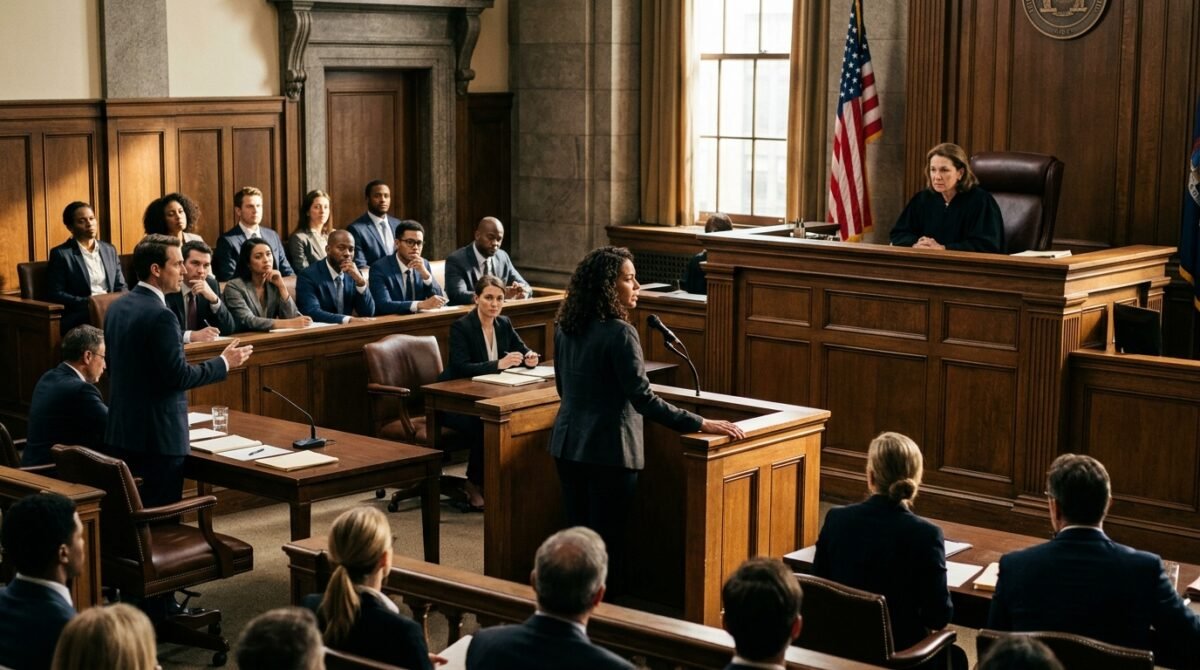
The day of the hearing, the courtroom was packed. Sarah had shown up with a team of high-priced lawyers, clearly expecting to intimidate me into a settlement. She wore a designer suit, her posture perfect, her face a mask of practiced innocence. I walked in wearing a simple blazer, my binder in hand, my head held high.
The proceedings were intense. My lawyer presented the evidence with surgical precision. We showed the original sketches, the photographs of the paintings, the bank records, and the damning screenshots from the group chat. Every time my lawyer presented a new piece of evidence, I watched Sarah’s composure crack. She looked less and less like the poised victim and more and more like a cornered animal.
“Is it true, Ms. Sarah, that you referred to the plaintiff as ‘unstable’ while coordinating a plan to discredit her in a private group chat?”
— My lawyer questioning Sarah on the stand
The silence in the room was absolute. Sarah opened her mouth, but no sound came out. She looked at her lawyers, then at the judge, then at me. Her arrogance had evaporated, replaced by the stark realization that her lies had been dismantled. The judge looked unimpressed, his gaze heavy with the weight of the evidence.
I took the stand next. I was nervous, but once I started speaking, the story poured out of me. I described the years of friendship, the trust I had placed in her, and the devastating betrayal of finding my work sold under a pseudonym. I wasn’t emotional—I was factual, clear, and cold. I spoke about the art not as an asset, but as a part of my soul that she had callously traded for cash.
I watched the jury as I spoke. They were listening, really listening. I saw one of them nod when I mentioned the ‘Grief’ series. It was a small gesture, but it was enough to know they understood the weight of what had been taken. I wasn’t just a plaintiff; I was a person whose life and passion had been violated.
By the time I finished, I felt a sense of profound closure. Whether I won or lost, I had said my piece. I had stood up for myself. I had turned the tables on the person who had tried to erase me. The judge called for a recess, and as I walked out, I didn’t even look at Sarah. She was already gone, lost in the shadows of her own making.
The Verdict and the Price of Betrayal

The verdict came down two weeks later. The judge ruled in my favor on every count. Sarah was ordered to return all remaining works, pay restitution for the sold paintings, and cover all legal fees. It wasn’t a fortune, but it was justice. More importantly, she was hit with a permanent injunction, preventing her from ever selling or using my work in any capacity ever again.
The financial victory was secondary to the sense of reclamation. I had my paintings back. I had my name cleared. I had my dignity. The court recognized the theft for exactly what it was: a calculated, malicious exploitation of a personal relationship. It was a validation of everything I had been through.
I spent the days after the verdict in a state of quiet reflection. I went to the studio and unpacked the pieces she had been forced to return. They were damaged—some had been improperly stored, some were stained—but they were mine. I felt a surge of protectiveness over them, a renewed commitment to my craft. I realized that my art was more resilient than the person who tried to destroy it.
“The court finds the defendant acted with clear intent to defraud, and the evidence provided by the plaintiff leaves no room for alternative interpretation.”
— The judge’s final statement
I reached out to the other artists who had reached out to me during the case. We formed a small support group, a community of people who had been burned by the same kind of parasitic relationships. We shared our stories, our strategies, and our strength. It was a beautiful, unexpected silver lining to the whole ordeal.
I moved on. I found a new, smaller, more private studio. I stopped sharing my process on social media. I became more selective with who I let into my inner circle. The experience had taught me that trust is earned, not given, and that true friendship is defined by mutual respect, not convenience.
I often think about the day I walked into the courtroom, and how different I feel now. The anger has faded into a quiet, steady resolve. I am not the same person I was before. I am tougher, more observant, and more fiercely protective of my own life. And I am, most importantly, an artist who is finally free to create without fear.
Reflections on the Architecture of Friendship

Looking back, I realize that the most dangerous aspect of my friendship with Sarah wasn’t the theft itself—it was the slow erosion of boundaries. We had built a dynamic where she was the ‘helper’ and I was the ‘helped,’ a power imbalance that she exploited with ease. I had allowed her to define my worth, my capacity, and my needs, and in doing so, I had made myself a target.
The legal battle was the only way to break that cycle. It forced me to look at the relationship objectively, to strip away the sentimentality and see the cold reality of our interactions. It was an painful process, but it was necessary for my own growth. I learned that you can love someone and still hold them accountable for their actions. You can mourn a friendship and still seek justice.
“Boundaries aren’t about keeping people out; they are about defining where you end and they begin. When someone ignores those boundaries, they aren’t your friend—they are an intruder.”
— My therapist, reflecting on the case
The community reaction to my story has been overwhelming. I started sharing bits of the experience anonymously on Reddit, and the response was a mix of shock, support, and shared pain. People from all walks of life reached out to tell me their own stories of betrayal, their own battles for recognition, their own paths to healing. I realized I wasn’t alone, and that my story had become a beacon for others.
I’ve learned that the ‘art world’ is just a microcosm of the real world. The same dynamics exist in families, in workplaces, and in romantic relationships. The key is to stay vigilant, to trust your intuition, and to never be afraid to stand up for yourself. The cost of standing up is often high, but the cost of staying silent is much higher.
I’m finally at a place where I can look at my old work without seeing the ghost of our friendship. I see only my work—my vision, my technique, my soul. I’ve reclaimed my identity, and that, more than any court-ordered restitution, is the true victory. I am not defined by what was taken from me; I am defined by what I had the strength to reclaim.
The Reddit Community Weighs In: The Verdict Is In
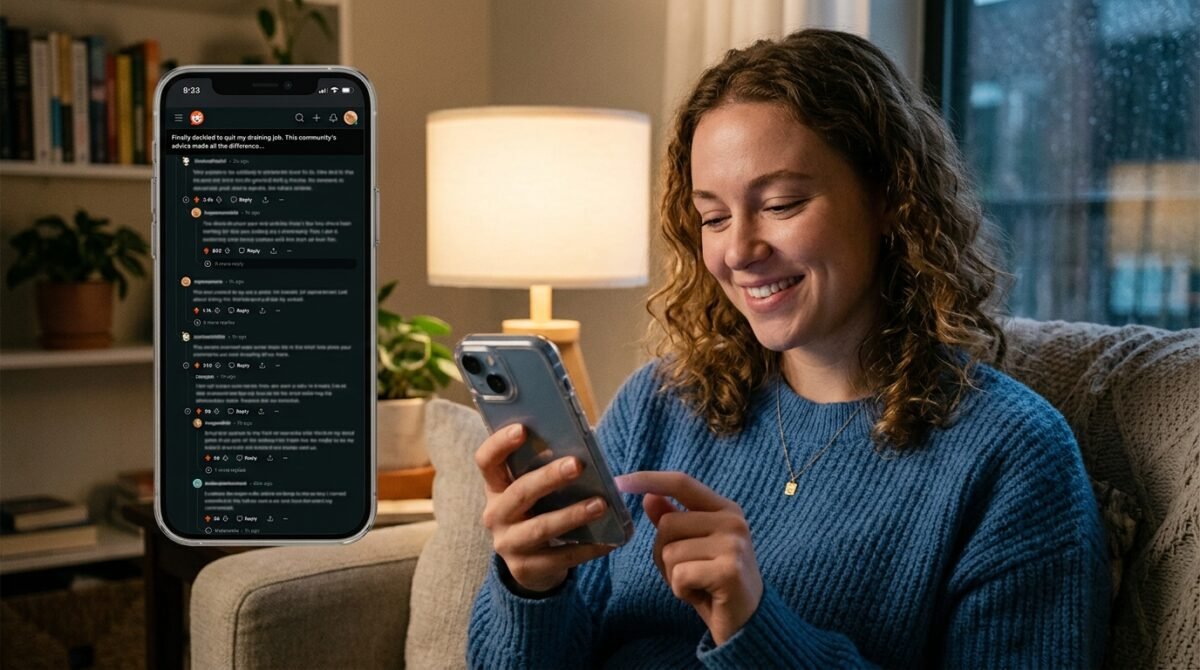
When I finally posted the full story to the r/relationships and r/legaladvice subreddits, the response was immediate and overwhelming. Thousands of people commented, shared, and debated the nuances of my experience. It was a testament to how universally relatable this kind of betrayal really is. I felt a strange sense of vindication in seeing the community rally around the facts.
“This is the definition of a ‘frenemy’ nightmare. OP, you handled this with incredible composure. Taking them to court was the only way to end the cycle. Don’t let anyone tell you that you were ‘too harsh.’”
— u/ArtisticTruth (Top Comment, 32.5k upvotes)
Many users shared their own experiences with similar ‘helpful’ friends who had turned out to be exploitative. The consensus was clear: the moment the trust is broken through theft, the friendship is beyond repair. There were those who argued for a ‘softer’ approach, but they were quickly corrected by those who understood the necessity of legal boundaries in cases of theft.
The legal advice I received was also invaluable. Many users with backgrounds in law confirmed that my strategy of documenting everything and remaining silent was the textbook way to handle such a case. They provided additional insights into the potential for criminal charges, which I hadn’t even considered. It was a collective intelligence that made me feel like I had an army behind me.
“The fact that she coordinated a smear campaign in a group chat proves this wasn’t an accident. This was malicious. You’re not just lucky to have won; you’re smart for having built a case that couldn’t be ignored.”
— u/LegalEagle99 (15.2k upvotes)
Reading the comments, I felt a sense of closure I hadn’t expected. The collective validation was a powerful antidote to the lingering doubts I’d had about whether I’d done the ‘right’ thing. I realized that the question wasn’t whether I had been ‘too harsh,’ but whether I had been ‘harsh enough.’ In the end, the community helped me realize that the only ‘wrong’ thing I had done was wait too long to speak up.
I am grateful for the Reddit community. They didn’t just provide support; they provided a mirror, reflecting back to me the strength and the sanity I had struggled to hold onto. I learned that my experience wasn’t a singular anomaly, but a shared human experience that, when brought into the light, loses its power to hurt us.
Moving Forward: Lessons from the Ashes
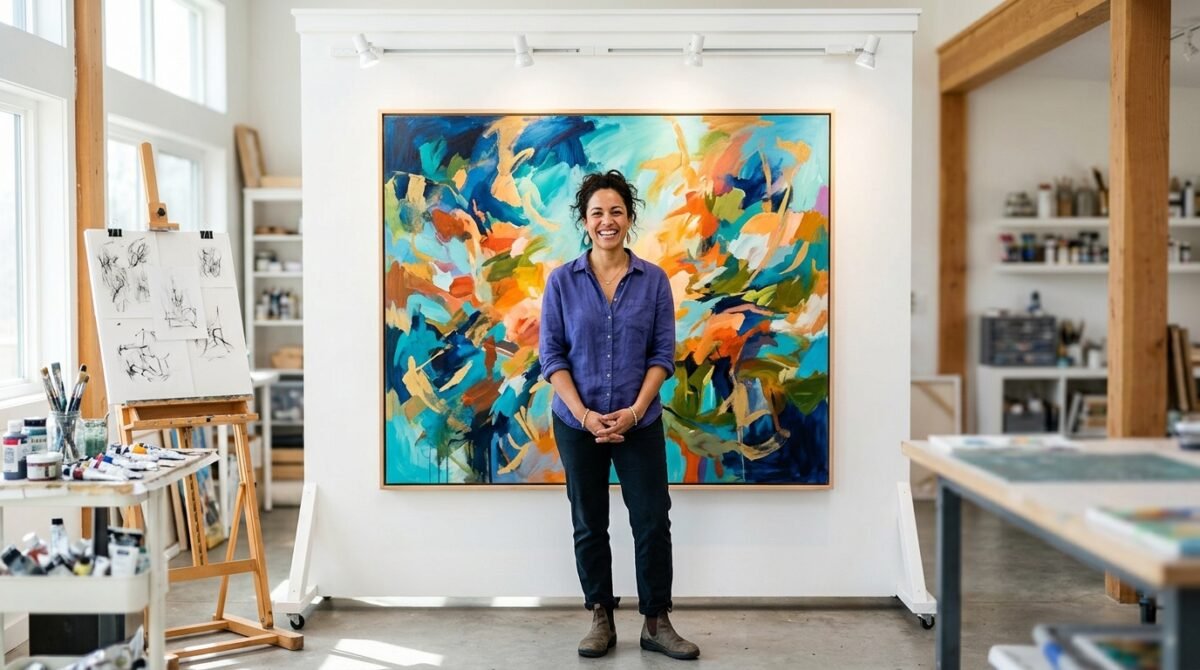
Today, my life is quiet, and I like it that way. I still paint, but I have a system. I keep a meticulous log of every piece, from the first brushstroke to the final sale. I have a lawyer on retainer, just in case, but I hope I never have to use them again. I have a new circle of friends—people who celebrate my work without trying to own it.
I still think about Sarah sometimes, not with anger, but with a strange, detached pity. I wonder if she ever learned the lesson that the courtroom tried to teach her. I suspect she hasn’t. I suspect she is already looking for the next ‘best friend’ to exploit, the next ‘opportunity’ to seize. And that is the saddest part of the whole story—that she is doomed to repeat the cycle forever.
“The most important thing I learned is that you can’t protect people from themselves, but you can definitely protect yourself from them.”
— My concluding thought on the experience
I have learned that the greatest act of self-love is the setting of boundaries. I have learned that the people who get angry when you set boundaries are the ones who were benefiting from your lack of them. I have learned that justice is a process, not a destination, and that it requires a level of persistence that I never thought I had.
I am a better artist for it. The pain, the betrayal, the fear—it all found its way into my work. My new series is deeper, more complex, and more honest than anything I’ve ever done. It is the work of someone who has seen the dark and chosen the light. It is the work of someone who is finally, truly, free.
If you are reading this and you are in a situation where you feel your trust is being exploited, please know that you are not alone. You have the right to your own life, your own work, and your own dignity. Do not let fear keep you silent. Do not let the history of a relationship blind you to the reality of its present. You are worth more than the things they take from you.
Conclusion
My journey from the discovery of the first stolen painting to the final gavel strike has been nothing short of transformative. It wasn’t just a legal battle; it was a reclamation of my identity. I have learned that the deepest betrayals often come from the people we trust the most, and that the only way to heal is to face the truth, no matter how uncomfortable it may be.
I am no longer the person who was afraid to lose a friend. I am the person who was brave enough to lose someone who didn’t deserve my friendship. I have found strength in the silence, clarity in the conflict, and a new, more profound connection to my art. And I hope, if you find yourself at a similar crossroads, you will find the same strength.
What about you? Have you ever had to draw a hard line with someone you once called family or a best friend? Do you believe some betrayals are unforgivable, or is there always room for reconciliation? Share your stories and your thoughts in the comments below—let’s start a conversation about boundaries, trust, and the price of integrity.
What's your verdict on this dilemma?
Vote below to contribute to the official community consensus.

Have a Dilemma Keeping You Up at Night?
Share your real-life feud, wedding chaos, or relationship crossroads anonymously with our editorial team.
What do you think ?
0 Comments🛡️ Comments are moderated to protect community integrity. Your comment will appear once approved by the editorial team.