
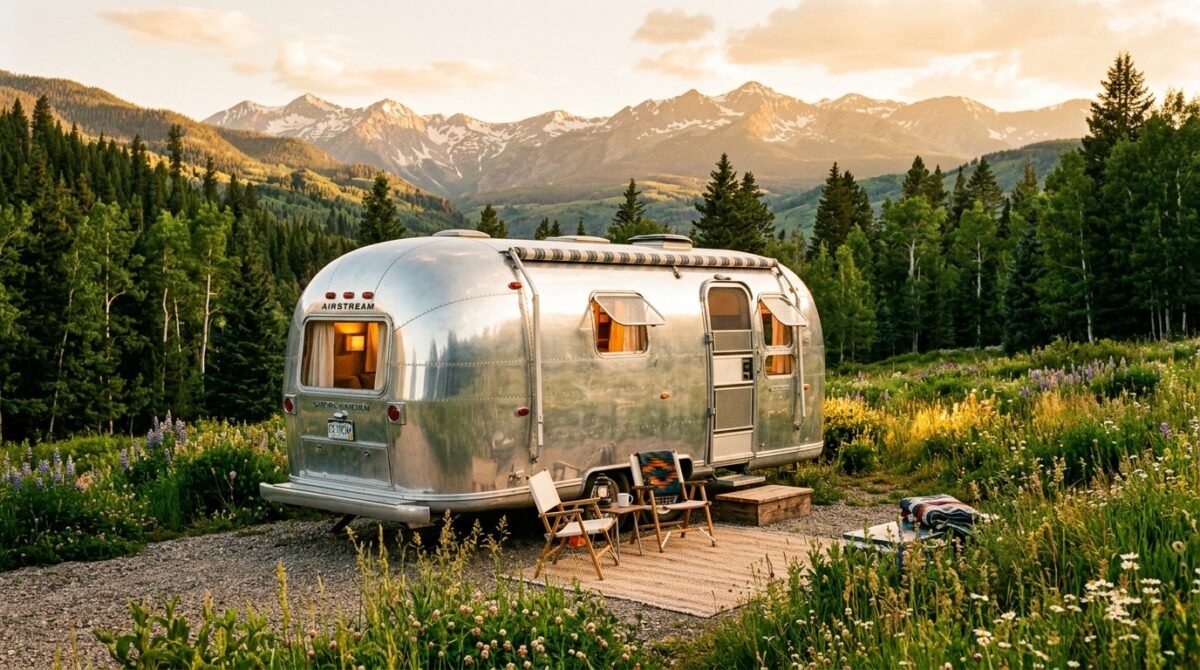
My relationship with Sarah dates back to the sandbox. We were the kind of friends who shared secrets, clothes, and eventually, the milestones of adulthood. But over the last two years, our paths diverged sharply. As I climbed the corporate ladder in engineering, I poured every spare penny and weekend hour into my passion project: a complete, ground-up restoration of a 1968 Airstream Sovereign. It wasn’t just a trailer; it was a sanctuary of aluminum and mahogany that represented my blood, sweat, and tears.
Sarah, meanwhile, had found her niche in the burgeoning world of lifestyle influencing. Everything in her life became content—the coffee, the gym, the travel, and the aesthetic. It was a career built on visibility and the constant pursuit of the next ‘curated’ experience. For a long time, I supported her. I liked her posts, commented on her reels, and cheered for her follower count. But the lines began to blur when my personal property became viewed as a mere prop for her professional gain.
The dilemma started as a casual request. It spiraled into a demand for ‘collaboration’ that ignored the reality of my ownership. She didn’t see an Airstream; she saw a backdrop for her glamping retreat content. When I told her no, I wasn’t met with understanding or disappointment—I was met with an ultimatum that pitted our twenty-year history against a weekend of engagement metrics.
This article explores the unraveling of a friendship when the digital world clashes with real-world boundaries. It is a story of entitlement, the high cost of ‘aesthetic’ living, and the painful realization that sometimes, the people who have known you the longest are the ones who respect your boundaries the least. What follows is the blow-by-blow account of the fallout that left me blocked, alienated, and questioning the very nature of modern loyalty.
The Initial Pitch: When Friendship Becomes a Business Proposal
It began on a Tuesday morning with a text message that felt more like a press release than a friendly reach-out. Sarah had been tracking my progress on Instagram, commenting heart emojis on my photos of the polished aluminum skin and the reupholstered dinette. I thought she was just being supportive, but the ulterior motive was lurking just beneath the surface.
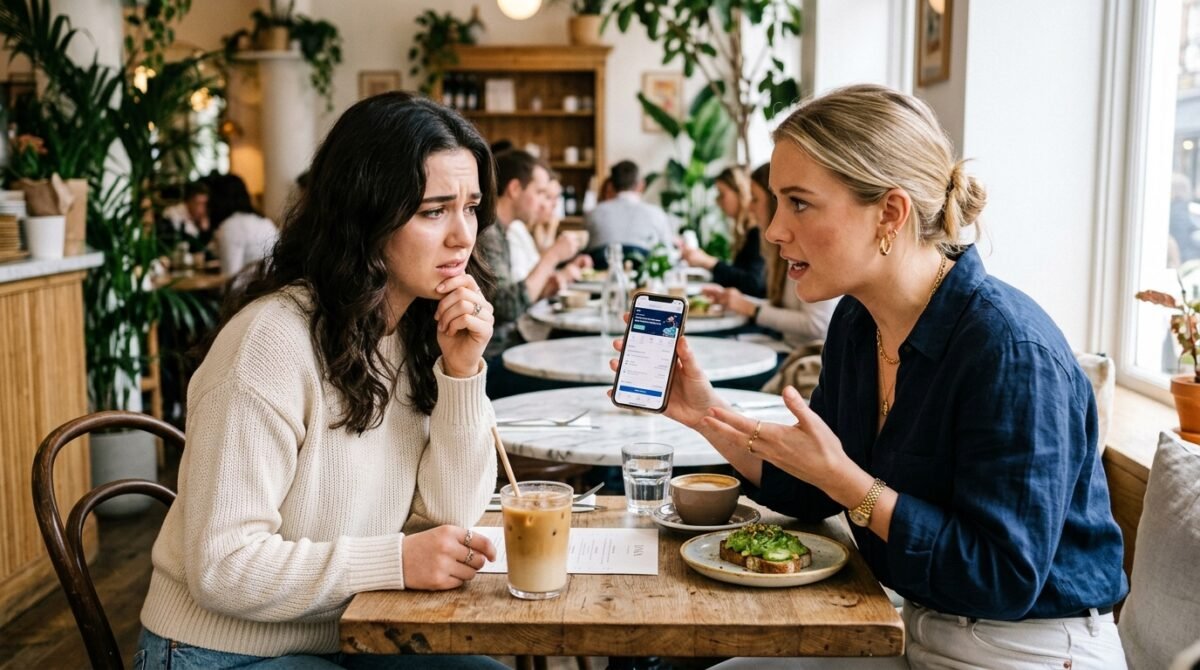
She invited me out for brunch, which, in retrospect, was clearly a strategic choice. She picked a place with good natural lighting—perfect for her ‘story’ updates. As soon as the eggs arrived, she pivoted the conversation away from our personal lives and directly into her pitch for her upcoming ‘Glamping Wellness Retreat’ brand partnership.
“Listen, I have this incredible opportunity with a high-end essential oil brand, and they want the full rustic-luxe vibe. Your Airstream is literally the only thing that fits the mood board. I’ve already told them I have access to a ‘vintage restoration’ unit. It’s going to be a massive branding moment for both of us.”
I felt a cold knot form in my stomach. ‘Access’ was a strong word for something I had spent four years and nearly fifty thousand dollars restoring. She wasn’t asking to borrow it; she was assuming it was already part of her inventory. I tried to keep my tone light, but the irritation was already creeping in.
I explained that the Airstream wasn’t a rental unit. It was my personal getaway, and the electrical system was still being fine-tuned. Furthermore, the idea of having a dozen strangers trampling through the interior she wanted to film in sounded like a nightmare for the delicate upholstery and the vintage wood finish I had spent weeks sanding and sealing by hand.
Sarah didn’t hear ‘no.’ She heard ‘negotiation.’ She launched into a monologue about how ‘exposure’ would benefit my own social media presence, even though I had no desire to be an influencer. She treated my boundary as if it were just a minor logistical hurdle that could be cleared with enough positive reinforcement and talk of ‘synergy.’
By the time the bill came, I was exhausted. I left the restaurant feeling like I had just been interviewed for a job I didn’t apply for, rather than catching up with my best friend. The seed of entitlement had been planted, and it was already growing faster than I could have imagined.
The 6:00 AM Notification: Encroachment of Boundaries
The next few days were a blur of ‘soft-selling’ texts. Every time I posted a photo of the Airstream, she would comment with things like ‘Can’t wait to see this in the desert!’ or ‘Thinking about the layout for the retreat!’. I ignored them, hoping that silence would be interpreted as a firm enough negative. I was wrong.
At 6:00 AM on a Saturday, my phone chimed incessantly. It was Sarah, sending me a link to a ‘collaborative’ Instagram post she had already drafted. It featured photos of my Airstream that I hadn’t given her permission to use, with a caption announcing the location of her retreat.
“Hey, I tagged you in the teaser! I figured we could just handle the logistics of getting the trailer to the site next week. I found a guy who can tow it for us, and I’ll cover the gas! We’re going to be so viral after this weekend.”
I jumped out of bed, my heart hammering against my ribs. The sheer audacity of her planning a business venture around my property without my explicit consent was staggering. I didn’t even reply to the text; I went straight to her Instagram page and reported the post for copyright infringement. It felt cold, but I didn’t know what else to do.
When she realized the post was down, the tone of her messages changed from ‘excited collaborator’ to ‘angry business partner.’ She called me repeatedly, her voice shrill and accusatory. She wasn’t just asking for a favor anymore; she was acting as if I had breached a contract she had invented in her own head.
She told me that I was ‘holding her back’ and that my possessiveness was ‘toxic’ to her career growth. She had apparently already promised the brand sponsors that they would have the ‘vintage Airstream aesthetic’ for their shoot. She was now in a position where she either had to produce the trailer or admit to her sponsors that she had been lying about her resources.
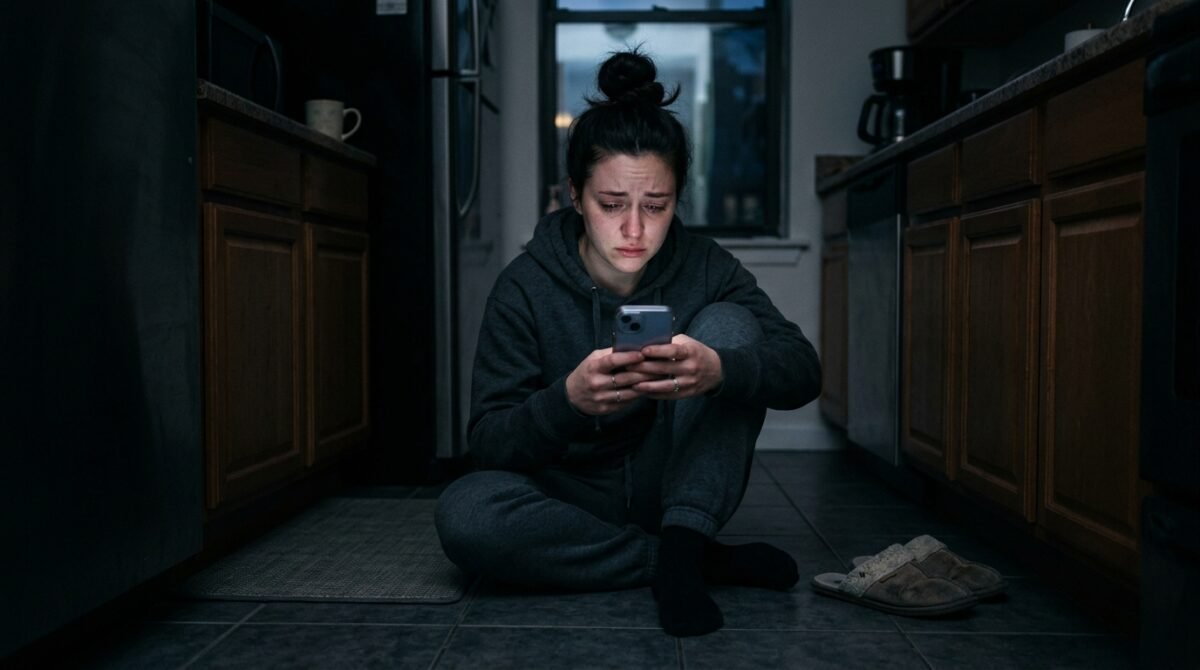
I sat on my kitchen floor, listening to the voicemails pile up. The pressure was mounting. She wasn’t just threatening our friendship; she was dragging me into a mess of her own making, hoping I would cave under the social pressure and the fear of being labeled ‘unsupportive’ or ‘jealous’ of her success.
The Public Confrontation and the Group Chat Spill
The situation escalated when Sarah decided to take the conflict into the public sphere. She didn’t call me out by name, but she posted a vague-booking rant on her Instagram stories about ‘fake friends’ who don’t support the hustle and ‘jealousy’ being the root of stunted growth. It was a classic move, designed to rally her followers against me without them knowing the actual context.
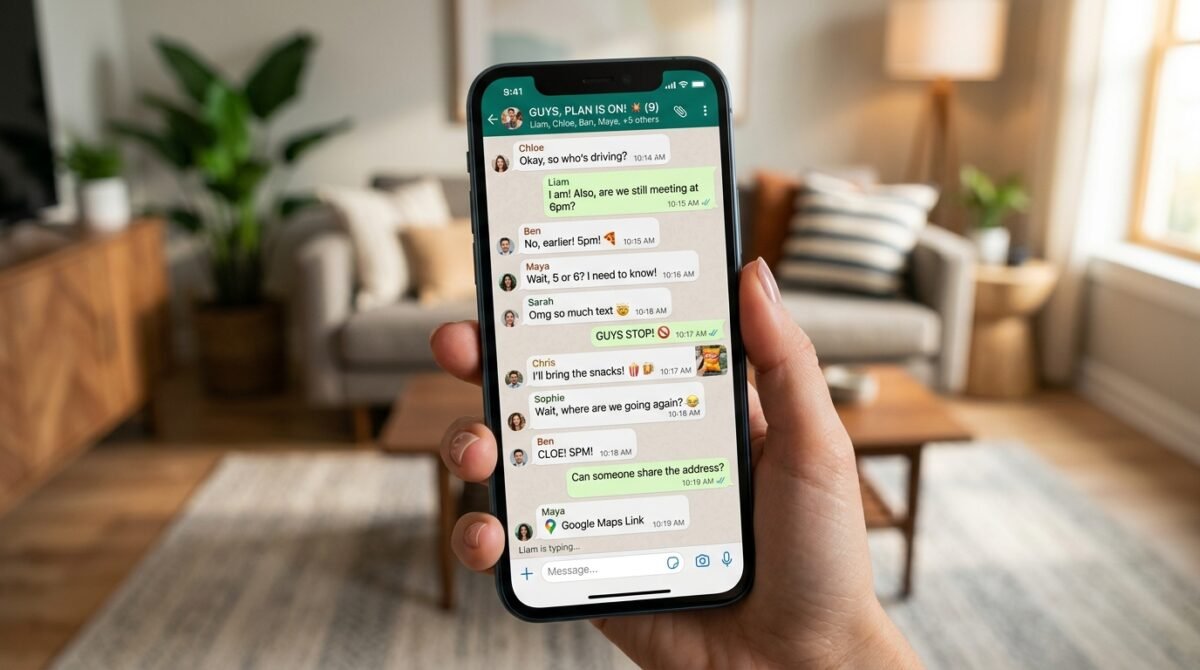
Then, the group chat explosion happened. We had a mutual group of friends from college, a chat that usually functioned as a place for birthday planning and brunch invites. Sarah dropped a message into the chat, framing the situation in the most manipulative way possible. She made it sound like I had agreed to lend the trailer and then pulled out at the last second to sabotage her career.
“I’m honestly so hurt. I thought we were a team, and now she’s backing out of our agreement for my retreat because she’s worried about a few scratches. It’s just an object, guys. I really need this boost for my career, and she’s choosing a trailer over twenty years of friendship.”
I read the message, my jaw clenching. It was a blatant lie. I took a deep breath and decided to expose the truth. I didn’t want to start a war, but I wasn’t going to let her rewrite history to make me look like the villain in a story where I was the victim of blatant exploitation. I screenshotted the original text where she had announced the ‘collaboration’ without asking, and I posted it to the chat.
The silence that followed was deafening. Some of our friends tried to stay neutral, while others who knew how much work I had put into the Airstream began to defend me. Sarah, realizing she had lost the narrative control, went on the offensive. She started private-messaging anyone who took my side, claiming I was ‘gaslighting’ her.
The drama was becoming all-consuming. I realized then that Sarah didn’t value our friendship; she valued the utility of our relationship. When I ceased to be useful—or rather, when I refused to be used—I became an obstacle to be removed. It was a painful realization, but it was also clarifying.
I stopped engaging in the group chat. I felt like I was watching a car wreck in slow motion, and for the first time, I felt relieved that I was on the outside looking in. The friendship was already dead; the only thing left to do was to bury it with as much dignity as I could muster.
The Visit to the Storage Facility
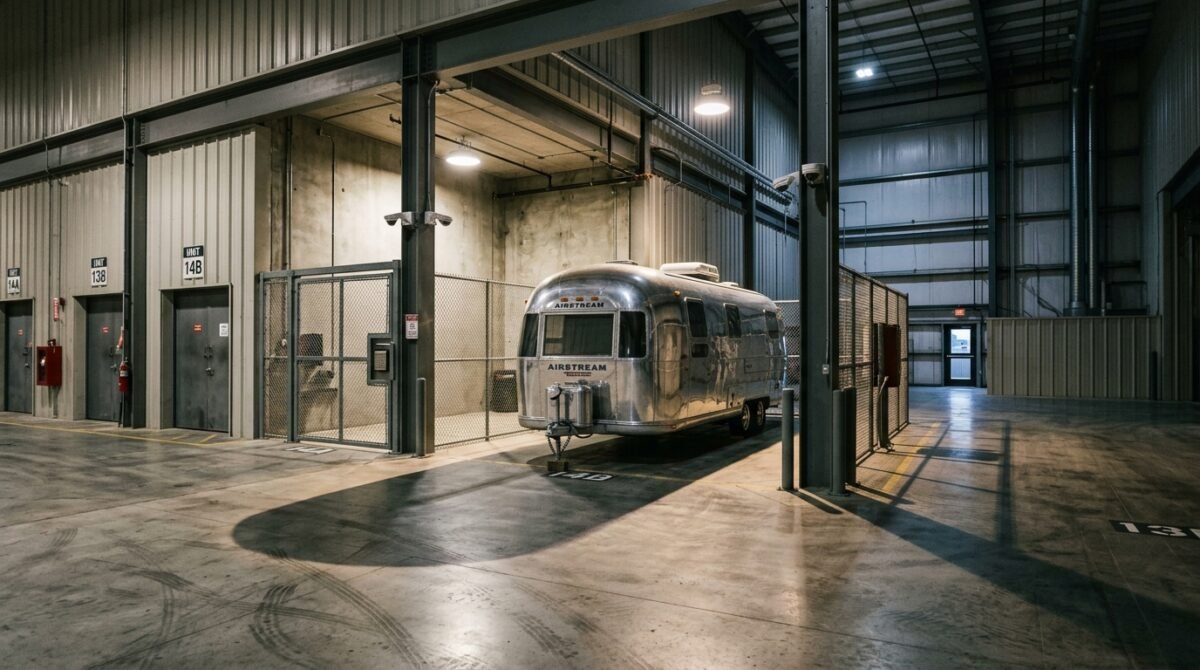
Terrified that she might actually try to take the Airstream by force, I spent the afternoon at the storage facility where I kept it. I had installed a heavy-duty hitch lock and a GPS tracker weeks ago, but my nerves were still frayed. I checked every lock, every window, and even the tire pressure. The Airstream looked beautiful in the dim light of the storage unit, a stark contrast to the ugliness that was happening in my social life.
While I was there, I got an alert on my phone. Sarah had shown up at my apartment complex, despite the fact that I had told her clearly that I needed space. I wasn’t there, but my neighbor texted me to ask if she should call security. Apparently, Sarah was knocking on my door and calling my name, looking for a confrontation.
I felt a surge of adrenaline. This was no longer just about a trailer; this was about harassment. I called my landlord and asked him to check the security footage from the hallway. He confirmed that Sarah had been there for nearly twenty minutes, pacing and looking into my windows. It was deeply disturbing behavior.
“I just need to talk to her! She’s acting like I’m a criminal! She doesn’t understand that this is a professional disaster for me! If she doesn’t give me the trailer, my sponsors are going to drop me!”
That was the message she left on my voicemail while I was at the storage facility. She was still centering herself, still talking about her sponsors and her career, without a single thought for my safety or my rights. She felt entitled to my property because she had a ‘business’ to run.
I realized that for Sarah, the lines between ‘friend’ and ‘asset’ had dissolved entirely. She didn’t see me as a person anymore; she saw me as a resource that had malfunctioned. It was the ultimate betrayal of the trust we had built over two decades.
I decided then and there that I wouldn’t be meeting her. I wouldn’t be explaining myself. I would be filing a formal notice of no-trespass with the building management and, if it continued, the police. The friendship wasn’t worth the cost of my mental health or my sense of security.
The Final Ultimatum: A Letter of Demands
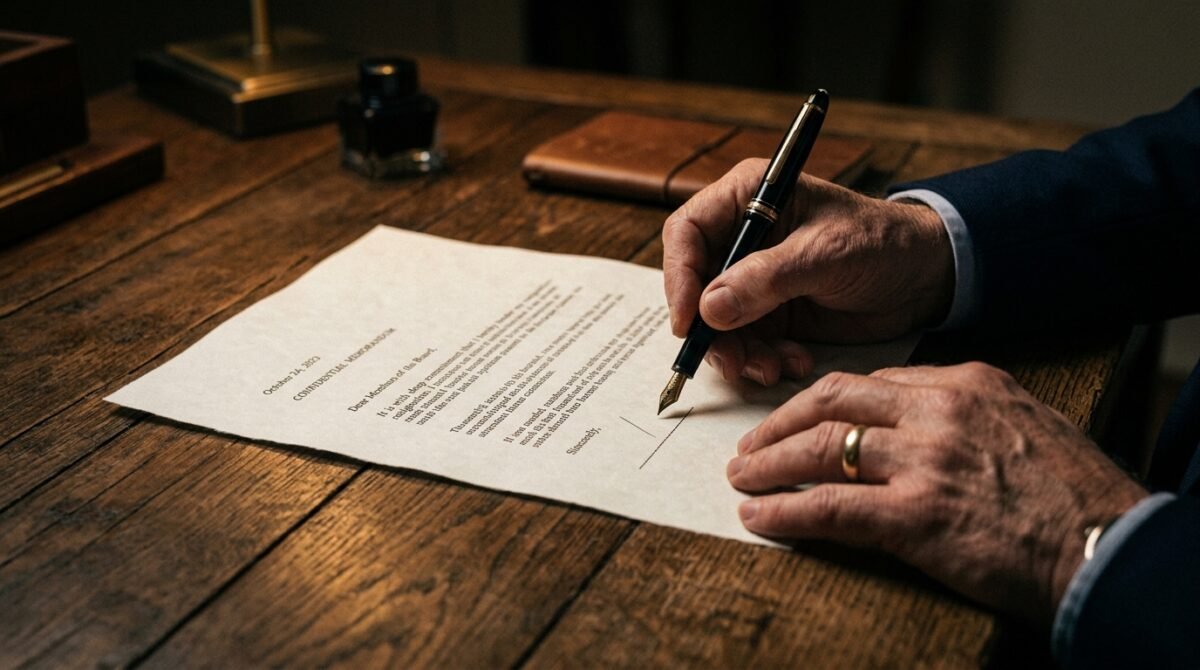
A few days later, a thick envelope arrived at my door. It wasn’t from a lawyer, but it was written in a tone that tried to sound legal. It was a demand letter from Sarah’s ‘management team’—which I later found out was just her boyfriend with a LinkedIn page—outlining why I was ‘legally obligated’ to provide the trailer as per our ‘verbal agreement.’
The sheer absurdity of the letter made me laugh, though it was a hollow, bitter sound. They cited ‘promissory estoppel,’ claiming that Sarah had made business decisions based on my initial ‘enthusiasm.’ It was a masterclass in gaslighting. I had never been enthusiastic; I had been polite, and eventually, I had been clear.
The letter contained a list of demands: the trailer must be delivered to a specific location, I had to provide insurance documentation, and I had to pay for a professional cleaning service after the retreat. They even included a ‘fee’ they would pay me, which was significantly lower than the cost of the fuel and the wear-and-tear I would suffer.
“Failure to comply will result in a breach of trust and the inevitable end of our professional and personal relationship. We hope you reconsider, as this is a bridge you do not want to burn.”
I didn’t reply to the letter. I didn’t even read it past the first paragraph. Instead, I took a photo of it and sent it to my actual lawyer, a friend who specializes in contract law. She laughed for a full minute before telling me to ignore it entirely. ‘This has no legal standing,’ she said. ‘It’s a bluff to see if they can intimidate you into compliance.’
I felt a strange sense of power. For weeks, I had been the one on the defensive, feeling guilty and anxious. But realizing that this was all just a desperate play by someone who had overpromised and under-delivered changed everything. I wasn’t the one in trouble; she was. Her own hubris was the trap she had built for herself.
I went home and finally blocked her on every platform. Instagram, Facebook, phone, email, even LinkedIn. The silence that followed was sweet, like the air after a violent summer storm. The ‘bridge’ she was talking about burning had already turned to ash weeks ago; she just didn’t realize it yet.
The Internet Weighs In: The Reddit Breakdown

I decided to share the story anonymously on a popular relationship subreddit, just to see if I was losing my mind. I laid out the timeline, the texts, and the ridiculous demand letter. I didn’t expect the response I got. Within an hour, the post had thousands of upvotes and hundreds of comments. The community, usually so divided, was overwhelmingly on my side.
The comments were a mix of validation, legal advice, and personal stories of their own ‘influencer’ drama. People shared stories about friends who treated them like props, or family members who assumed that because they had a ‘small business,’ they were entitled to everyone else’s time and property.
“The audacity of someone to think they can ‘manage’ your property for their own profit. This isn’t a friendship; it’s a parasitic relationship. You are 100% NTA (Not The Asshole). Keep that trailer locked up tight and keep that woman blocked.”
— u/VintageRestoFan (Top Comment, 18.2k upvotes)
It was validating to see that I wasn’t alone. Other people had dealt with this specific type of entitlement—where the desire for a ‘brand aesthetic’ overrides basic human decency and property rights. The community helped me realize that the ‘guilt’ I felt was a byproduct of the manipulation, not a reflection of my actual moral standing.
Many users suggested that Sarah’s sponsors would be horrified to find out she was planning to use someone else’s private property without permission. They encouraged me to reach out to the brands she mentioned, just to ensure they knew the truth about her ‘collaboration.’ I considered it, but decided against it. I didn’t want to engage in her drama anymore; I just wanted to be done with it.
The support from the community gave me the courage to move forward. I realized that my boundaries were not only justified, they were necessary for my own well-being. I had been so worried about being ‘the bad guy’ that I had forgotten that I was the one who had been wronged.
Reading the comments felt like therapy. Every upvote was a small validation that I had done the right thing. The internet, for all its toxicity, had provided me with the objective mirror I so desperately needed to see the truth about my life.
The Aftermath: Moving Forward with Boundaries
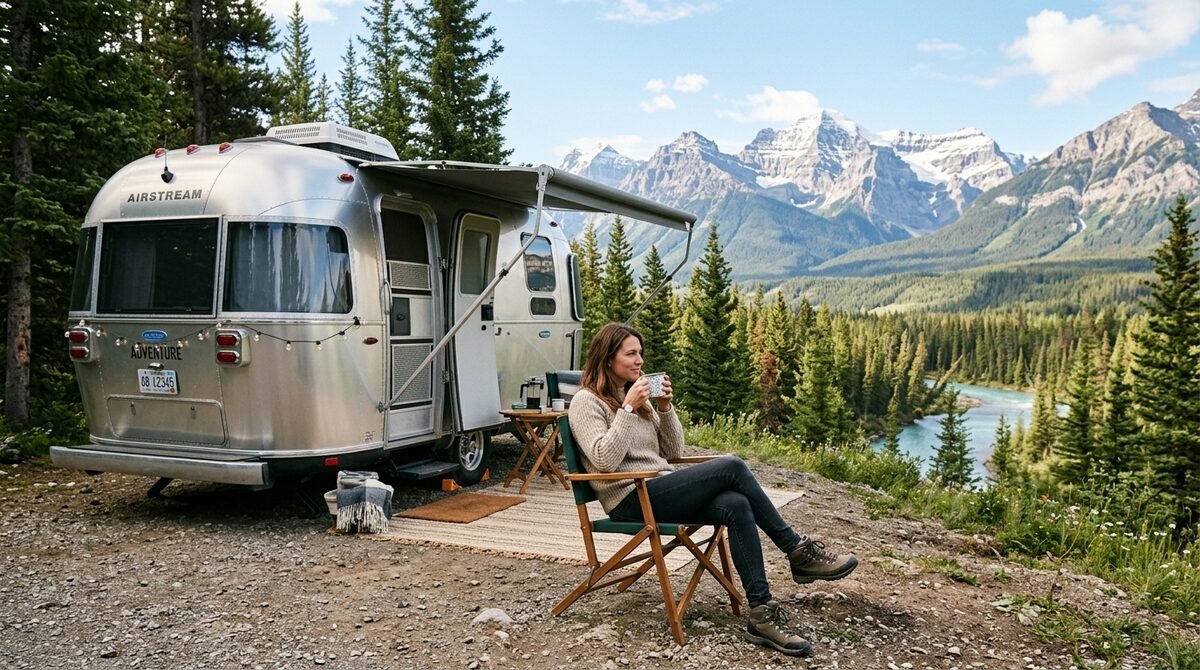
Months have passed since the ‘Airstream Incident.’ Life has returned to a quiet, predictable rhythm. I take the trailer out on weekends, driving to remote campsites where there is no cell service and no pressure to ‘curate’ a lifestyle. I’ve realized that my joy in the Airstream comes from the quiet, the restoration process, and the freedom of the open road, not from the approval of others.
I still run into mutual friends occasionally, and the news about Sarah is always the same: she’s onto the next project, the next sponsor, the next aesthetic. We don’t talk about the incident, but there’s a distance between us that wasn’t there before. Some friends have drifted away, and I’ve made peace with that. You learn who your real supporters are when the pressure is applied.
“I miss who I thought she was, but I’ve come to realize that person never really existed. Or, at the very least, that person was buried under a pile of filters and follower counts. I’m mourning the friendship, but I’m not missing the chaos.”
I’ve learned a lot about boundaries. Before this, I thought being a ‘good friend’ meant being available, being supportive, and being generous. Now, I know that being a good friend also means expecting the same level of respect in return. If someone cannot respect my property, my time, or my ‘no,’ then they don’t deserve the privilege of being in my life.
The Airstream, now fully finished, is my pride and joy. Every time I polish the aluminum, I think about that period of my life—not with anger, but with a strange sense of gratitude. It taught me exactly where my lines are and gave me the strength to enforce them. It was a expensive lesson, but a valuable one.
I’m finally at peace. No more late-night texts, no more manipulative group chat drama, and no more feeling like an object in someone else’s highlight reel. I have my trailer, I have my boundaries, and for the first time in a long time, I have my own sense of self, untainted by the expectations of others.
The Lessons of Modern Entitlement
Looking back, the root of the conflict wasn’t the Airstream itself. The trailer was just the physical manifestation of a deeper issue: the commodification of personal relationships. In a world where every experience is a potential piece of content, the line between ‘friend’ and ‘audience’ gets incredibly thin. Sarah saw me as a means to an end, and she couldn’t understand why I wouldn’t go along with it.
I’ve seen this pattern repeat in so many other lives. People are increasingly being treated as ‘assets’ by friends who are trying to build their own brands. Whether it’s asking for free design work, borrowing expensive equipment, or demanding access to exclusive events, the ‘hustle culture’ has created a generation of people who think that friendship is a two-way street only when it suits their own professional goals.
“When your friends start acting like your clients, it’s time to start acting like a service provider—or better yet, find new friends who value you for who you are, not what you can provide.”
I’ve become much more protective of my time and my energy. I no longer feel the need to say ‘yes’ to every favor, especially when I can see that the request is driven by an ulterior motive. I’ve also become more selective about the people I allow into my inner circle. The quality of my relationships has improved significantly since I started enforcing these boundaries.
I think the hardest part was accepting that the friendship I had with Sarah was never going to come back. It wasn’t just a misunderstanding; it was a fundamental shift in our values. Once that shift happened, there was no going back to the way things were. It’s a sad reality, but it’s a reality nonetheless.
I hope that anyone reading this realizes that you don’t owe your time, your property, or your ‘aesthetic’ to anyone—not even your oldest friend. Your life is yours to live, and the boundaries you set are the guardrails that keep your life on track. Don’t be afraid to use them, even when it’s uncomfortable.
Reflecting on the ‘Brand’ Persona
It’s strange to think about how much Sarah’s persona consumed her. Even now, whenever I check her social media from a burner account just to see if she’s moved on, everything still looks so perfect. The photos are crisp, the lighting is flawless, and the captions are full of ‘positive vibes’ and ‘hustle motivation.’ But knowing what I know, I can see the cracks behind the polish.
I wonder if she ever realizes how many people she’s left in her wake, how many genuine connections she’s sacrificed for the sake of a follower count. Or does she just view it as the ‘cost of success’? It’s a lonely way to live, always performing, always looking for the next angle, never really living in the moment.
“The most expensive thing you can lose is your authenticity. Once you start treating your life like a product, you stop being the one who owns it. You become the product, and products are always replaceable.”
I’ve decided to keep my own social media usage minimal. I don’t want to be part of that cycle. I share photos of the Airstream because I love the Airstream, not because I want the validation of strangers. There’s a freedom in not caring about the engagement metrics, in not wondering if a post will ‘perform well’ or if it fits my ‘brand.’
I’ve found that the less I perform, the more I actually enjoy. The irony, of course, is that the authentic stuff usually ends up being more engaging anyway. But that’s not the point. The point is that I’m living for myself, and that’s a shift that has changed every aspect of my life for the better.
I’m grateful for the experience, even the painful parts. It forced me to grow, to define my values, and to stand up for myself. I’m a different person than I was when I started this project, and in many ways, I’m a stronger one. I’m ready for whatever comes next, and I’m ready to live it on my own terms.
Final Thoughts: The Cost of Community

The story of the Airstream isn’t unique. It’s just one example of the friction that happens when the digital world collides with the physical one. We are all learning how to navigate this new landscape, where our personal property, our private lives, and our identities are constantly being pulled into the ‘content’ machine. It requires a new set of rules and a new level of vigilance.
I’ve learned that the people who push your boundaries the hardest are often the ones who need them the most. And the ones who respect your boundaries are the ones who deserve to be in your life. It’s a simple rule, but it’s one that has guided me well over the last few months.
“Don’t let the pressure to be ‘supportive’ blind you to the reality of being ‘exploited.’ Real friends don’t treat you like a resource. Real friends treat you like a human being.”
I hope that by sharing this story, I’ve given someone else the courage to say ‘no.’ Whether it’s a friend who wants to borrow your car, a relative who wants to use your house for a party, or a professional contact who thinks they can ‘leverage’ your personal life for their own gain—you have the right to protect your own space.
I’m moving on, and I’m looking forward. The Airstream is ready for its next trip, and I’m ready for the next adventure. This time, it’ll be on my terms, with the people who love me for me, not for what I can give them. It’s a good feeling, and I wouldn’t trade it for all the followers in the world.
Thank you for reading, and for all the support. It’s been a long journey, but I’ve finally arrived at a place where I’m content, secure, and completely in control of my own life. And that, in the end, is worth more than any glamping retreat could ever be.
Conclusion
The fallout of the Airstream incident serves as a poignant reminder that while technology has brought us closer, it has also introduced complex layers of transactional pressure into our personal relationships. Navigating the murky waters of influencer-driven entitlement requires a firm commitment to personal boundaries and a clear understanding of one’s own value. My journey from an overwhelmed, people-pleasing friend to a self-assured individual who protects her time and property wasn’t easy, but it was necessary.
It’s important to remember that true friendship is founded on mutual respect, not mutual utility. When that balance is disrupted by the pressures of digital appearances, it’s not just the property at risk—it’s the integrity of the relationship itself. I chose to prioritize my peace of mind over a hollow ‘partnership,’ and while the cost was a long-standing friendship, the result was a life defined by my own terms rather than someone else’s aesthetic.
Now, I turn it over to you. Have you ever had a friend who treated you like a business asset rather than a person? How did you handle the pressure to ‘support’ their goals at the expense of your own boundaries? Share your experiences in the comments below, and let’s discuss the toll that modern digital culture is taking on our real-world connections. Your stories matter, and they might just help someone else find the courage to say ‘no’ to the next unreasonable demand.
What's your verdict on this dilemma?
Vote below to contribute to the official community consensus.

Have a Dilemma Keeping You Up at Night?
Share your real-life feud, wedding chaos, or relationship crossroads anonymously with our editorial team.
What do you think ?
0 Comments🛡️ Comments are moderated to protect community integrity. Your comment will appear once approved by the editorial team.